
In the intricate world of modern finance, where money flows digitally at lightning speed, certain foundational elements ensure the integrity and accuracy of every transaction. Among these crucial identifiers is the routing number – a seemingly simple nine-digit code that plays an indispensable role in directing funds to their intended destination. For anyone with a checking account, understanding what a routing number is, where to find it, and how it’s used, is not just helpful, but essential for managing personal finances, setting up direct deposits, paying bills, and navigating the banking landscape with confidence.
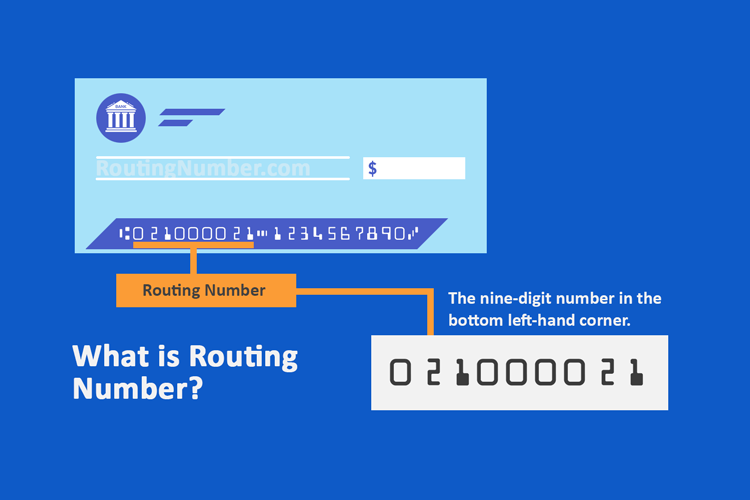
At its core, a routing number acts as a unique identifier for your specific financial institution within the United States banking system. Think of it as a digital address for your bank, enabling the secure and efficient transfer of funds between different banks and credit unions. Without this crucial piece of information, the seamless flow of money that we often take for granted would be impossible.
The Core Purpose of a Routing Number
The concept of a routing number dates back to 1910, established by the American Bankers Association (ABA) to streamline the clearing of paper checks. While the financial landscape has evolved dramatically with the advent of electronic transactions, the fundamental purpose of the routing number remains unchanged: to accurately identify and direct financial instruments to the correct bank.
Identifying Financial Institutions
Every bank or credit union operating in the U.S. has one or more routing numbers assigned by the ABA. These numbers are unique to each institution, and sometimes even to specific branches or regions within a larger bank, although this is less common now with consolidated banking systems. When you initiate a transaction, such as a direct deposit or an electronic bill payment, the routing number tells the sending institution exactly which bank to send the funds to. It’s the first step in ensuring your money reaches the right place.
Enabling Secure Fund Transfers
Routing numbers are primarily used for Automated Clearing House (ACH) transactions, which include a vast majority of the electronic fund transfers we make daily. This encompasses direct deposits of salaries, government benefits, and tax refunds, as well as automatic bill payments, peer-to-peer transfers, and business-to-business payments. They are also critical for processing paper checks and initiating wire transfers, especially domestic ones. The routing number acts as a gatekeeper, ensuring that only legitimate institutions are part of the transaction network, thereby adding a layer of security to your financial dealings.
Differentiating from Account Numbers
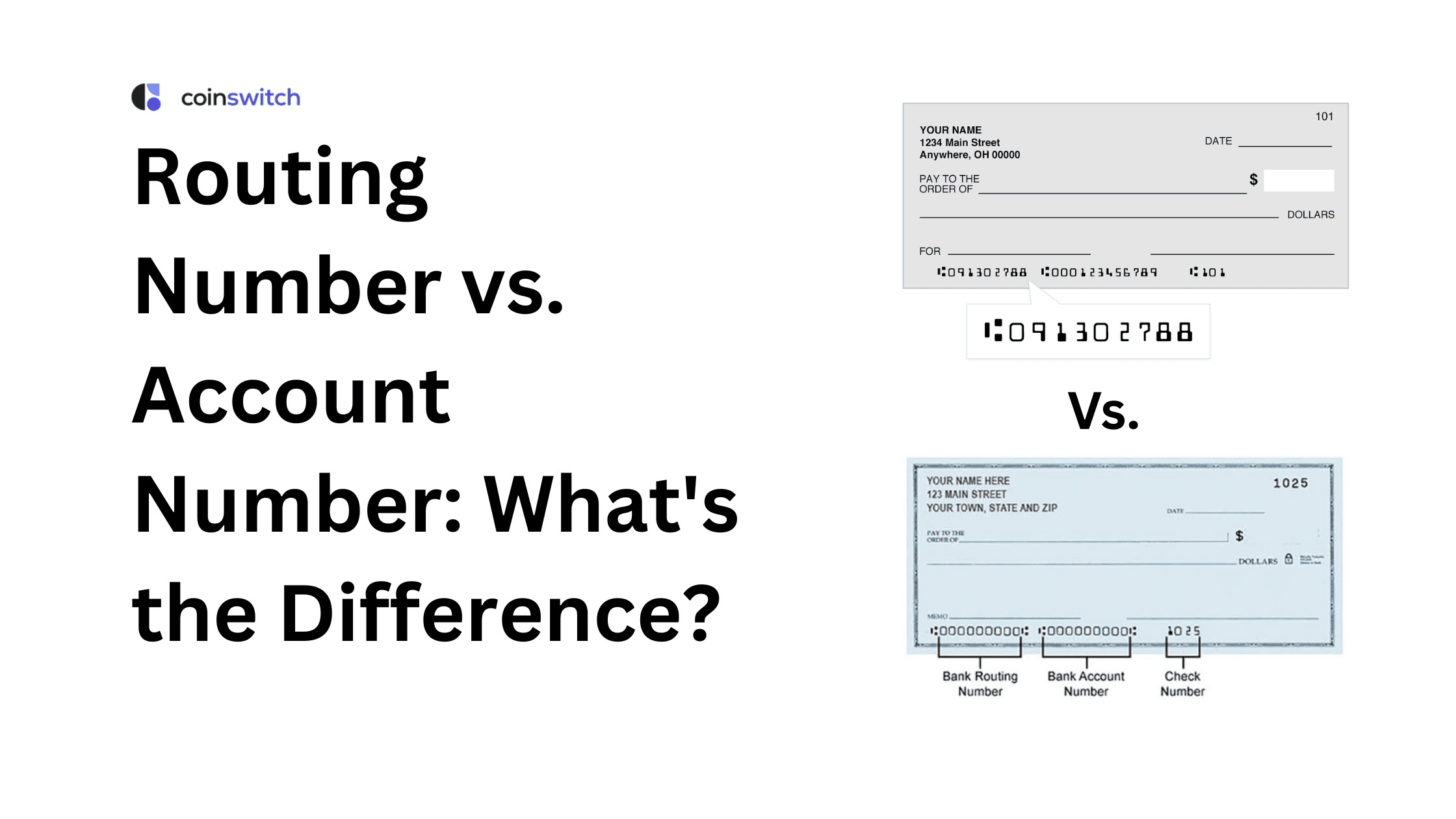
It’s crucial to understand the distinction between a routing number and an account number, as they work in tandem but serve different purposes. While the routing number identifies the bank, the account number identifies the specific account within that bank. You can think of the routing number as the street address of a building, and the account number as the apartment number within that building. Both are necessary to deliver mail (or money) to the correct recipient. Providing the correct routing number ensures your money goes to the right bank; providing the correct account number ensures it goes to your specific account at that bank. Misplacing one or both can lead to significant delays, fees, or even funds being sent to the wrong person.
Where to Find Your Routing Number
Knowing what a routing number is is one thing; knowing where to consistently find your specific routing number is another. Fortunately, banks make this information readily accessible through several common channels.
On Your Checks
The most traditional and perhaps most common place to find your routing number is on the bottom of your personal checks. Typically, you’ll see a series of three numbers printed in a special magnetic ink character recognition (MICR) font. From left to right, these are usually:
- The Routing Number (9 digits): This is the first set of numbers.
- Your Account Number: This is the second set of numbers, identifying your specific account.
- The Check Number: This is the third set of numbers, identifying the individual check.
It’s important to note that some banks may have slightly different formats, so always double-check the nine-digit sequence that corresponds to the routing number. Also, if you have multiple accounts (e.g., checking and savings) or accounts with different banks, ensure you’re using a check from the correct account.
Through Your Online Banking Portal
In today’s digital age, online banking portals are often the quickest and most convenient way to access your account information. Most banks provide your routing number directly within your online account dashboard.
- Log In: Access your bank’s website or mobile app and log into your account.
- Navigate to Account Details: Look for sections like “Account Summary,” “Account Details,” “Direct Deposit Information,” or “Statements.”
- View Routing Number: Your routing number, often alongside your account number, will typically be displayed prominently. Some banks might require you to click into a specific account to view this detail.
This method is particularly useful if you don’t have a physical checkbook handy or if you’re concerned about using an old routing number from an outdated check.
Contacting Your Bank Directly
If you’re unable to find your routing number online or on your checks, or if you simply prefer to confirm the information, contacting your bank directly is always a reliable option.
- Customer Service: Call your bank’s customer service line. After verifying your identity, a representative can provide you with the correct routing number for your account.
- Branch Visit: If you prefer in-person assistance, visit your local bank branch. A teller can easily provide you with the necessary details.
Using the Federal Reserve E-Payments Directory
While less common for personal use, the Federal Reserve Bank provides an online E-Payments Routing Directory. This tool allows you to search for routing numbers by financial institution name. This can be useful if you need to verify a routing number for a business or another entity, though for your own account, the methods above are more direct.
Common Uses of Routing Numbers
Routing numbers are integral to almost every electronic financial transaction in the U.S. Their application spans a wide array of personal and business financial activities.
Direct Deposits (Paychecks, Benefits)
Perhaps the most common use of a routing number for individuals is setting up direct deposit for paychecks, government benefits (like Social Security), or tax refunds. When you start a new job or want to receive funds electronically, your employer or the issuing agency will typically request your bank’s routing number and your account number. This enables them to transfer funds directly and securely into your checking account, often saving you time and avoiding paper check processing delays.
Automated Bill Payments (ACH Transfers)
Many individuals and businesses use routing numbers to set up recurring automated bill payments. Whether it’s your utility bill, mortgage payment, car loan, or subscription services, you often provide your bank’s routing number and your account number to the biller. This authorizes them to debit the specified amount from your account on a scheduled basis, ensuring timely payments and avoiding late fees. These are processed as ACH debits.
Wire Transfers (Domestic vs. International)
Routing numbers are crucial for initiating domestic wire transfers, which are typically used for large, time-sensitive payments. When sending or receiving a domestic wire, you’ll need the recipient’s routing number, account number, and their bank’s name.
For international wire transfers, the process is slightly different. While a U.S. routing number might be involved for the sending or receiving U.S. bank, international wires typically require a SWIFT code (Society for Worldwide Interbank Financial Telecommunication) or BIC (Bank Identifier Code) for foreign banks, which serves a similar identification purpose on a global scale. Some banks might also require an IBAN (International Bank Account Number) for specific countries.
Tax Payments and Refunds
When filing your taxes, the IRS allows you to directly pay any taxes owed or receive your refund directly into your bank account. Both processes require you to provide your routing number and account number, ensuring that your tax obligations are met or your refund is delivered efficiently.
Setting Up Peer-to-Peer Payment Apps
Many popular peer-to-peer (P2P) payment apps, like Venmo, PayPal, Zelle, and Cash App, require you to link your bank account to facilitate transfers to and from your checking account. This linking process almost always involves entering your bank’s routing number and your account number to authorize these platforms to initiate ACH transactions on your behalf.
Understanding Different Types of Routing Numbers
While “the routing number” is often discussed as a singular entity, it’s worth noting that a single bank can have multiple routing numbers, and different types of transactions might necessitate different ones.
ACH Routing Numbers
The most commonly encountered routing number is the one used for ACH transactions (direct deposits, bill payments, etc.). This is typically the nine-digit number found on your checks and within your online banking portal. Most banks will provide one primary ACH routing number for all their customers within a certain region or for a specific type of account.
Wire Transfer Routing Numbers
In some instances, a bank may have a separate routing number specifically designated for wire transfers. This is more common with larger financial institutions. While your standard ACH routing number might work for a wire, it’s always best to verify with your bank, especially if you are sending or expecting a large or critical wire transfer. Using the correct wire routing number can prevent delays and ensure the funds are processed efficiently.
State-Specific or Branch-Specific Numbers
Historically, especially with larger banks that had a widespread physical presence, different branches or regions might have had distinct routing numbers. While this practice has largely been consolidated with modern banking systems, it’s still possible for a bank operating across multiple states or large geographic areas to maintain different routing numbers for specific regions. This is why always checking your specific check or online account for your account’s routing number is the safest approach, rather than relying on a general number found online for a large bank.
The Importance of the Correct Number
Using the correct routing number is paramount. An incorrect number, even by a single digit, can lead to significant issues. The transaction might be rejected, delayed, or worse, sent to another bank entirely. While banks often have systems to flag mismatched account and routing numbers, such errors can still result in fees, lost time, and the inconvenience of recovering misdirected funds.
Security and Best Practices
While routing numbers are widely used, it’s essential to treat them as part of your sensitive financial information. Understanding best practices for their use and protection is a critical aspect of personal finance security.
Protecting Your Financial Information
Your routing number, when combined with your account number, provides access to your bank account. While routing numbers themselves are generally considered less sensitive than a full account number or login credentials (they are publicly available for banks), the combination is potent. Be cautious about sharing this information with unverified third parties.
- Secure Platforms: Only enter your routing and account numbers on secure, encrypted websites or applications you trust, especially for direct deposits or online bill payments.
- Phishing Scams: Be wary of unsolicited requests for your routing and account number via email, text, or phone calls. Legitimate organizations typically won’t ask for this information in insecure ways.
- Physical Checks: Keep your checkbook in a secure location. While a routing number is visible on a check, minimizing access to checks helps protect your full financial details.
Verifying the Routing Number
Before finalizing any setup that requires your routing number, take an extra moment to verify its accuracy.
- Double-Check: Compare the number you’re entering with the one on your check or in your online banking portal.
- Bank Confirmation: If you’re setting up a critical transaction (like a large wire transfer), consider calling your bank to confirm the correct routing number for that specific type of transaction.
When NOT to Share Your Routing Number
While often required, there are situations where you should exercise extreme caution or outright refuse to share your routing number.
- Unknown Callers/Emailers: Never provide your routing number to someone who contacts you unexpectedly and asks for it. This is a common tactic for phishing and identity theft.
- Suspicious Websites: If a website looks unofficial or has security warnings, do not enter any financial information, including your routing number.
- Public Forums/Social Media: Never post or share your routing number in public spaces.

What Happens if You Use the Wrong Number?
Mistakes happen, but using an incorrect routing number can have consequences.
- Transaction Rejection: Most commonly, the transaction will be rejected because the routing number doesn’t match the account number provided or the bank doesn’t exist. The funds will typically be returned to the sender, often with a notification of the error.
- Delays and Fees: Rejections lead to delays in payments or deposits. Your bank or the receiving institution might also charge fees for rejected transactions or for processing the error.
- Misdirected Funds (Rare but Possible): In rare cases, if the incorrect routing number happens to correspond to another legitimate bank and the account number also matches an existing account (or is similar enough to be accepted), funds could be sent to the wrong person. Recovering misdirected funds can be a lengthy and complicated process, often requiring the cooperation of multiple banks and legal action. This underscores the critical importance of accuracy.
In conclusion, the routing number is far more than just a nine-digit code; it’s a linchpin of the modern financial system. Understanding its purpose, knowing where to find it, how it’s used, and how to protect it, empowers you to manage your checking account and financial transactions with confidence, security, and efficiency. It’s a fundamental piece of financial literacy that every account holder should master.
aViewFromTheCave is a participant in the Amazon Services LLC Associates Program, an affiliate advertising program designed to provide a means for sites to earn advertising fees by advertising and linking to Amazon.com. Amazon, the Amazon logo, AmazonSupply, and the AmazonSupply logo are trademarks of Amazon.com, Inc. or its affiliates. As an Amazon Associate we earn affiliate commissions from qualifying purchases.