
A banking account number is more than just a sequence of digits; it is your unique identifier in the intricate world of financial transactions, serving as the digital key to your funds. In an age where financial interactions are increasingly digital, understanding what your account number is, where to find it, and how to protect it, is paramount for effective personal finance management. This article will demystify the banking account number, exploring its significance, guiding you on how to locate it, and offering crucial advice on maintaining its security, all within the context of robust financial literacy.
Understanding Your Banking Account Number
Your banking account number is a critical piece of information that distinguishes your specific account from the millions of others held within a financial institution. It’s a core component of your financial identity, enabling banks to accurately process deposits, withdrawals, transfers, and other transactions to and from your account. While it might seem like a simple string of digits, it carries substantial weight in ensuring the smooth operation of your financial life.
The Core Components of Your Account ID
Typically ranging from 8 to 17 digits, a banking account number is unique to each individual account. Unlike a debit card number which is linked to a specific card that can be replaced, your account number is tied directly to the underlying financial account itself. This means if your debit card is lost or stolen, your account number generally remains the same, though a new card with a new card number will be issued. It doesn’t contain personally identifiable information like your name or address directly, but it acts as a direct link to those details within your bank’s secure systems. The structure of these numbers can vary significantly between banks and even between different types of accounts (e.g., checking vs. savings), reflecting internal numbering conventions designed for efficiency and accuracy.
Account Number vs. Other Financial Identifiers (Routing Number, SWIFT/BIC)
It’s crucial to differentiate your account number from other common financial identifiers. The routing number (also known as an ABA routing transit number in the U.S.) identifies your specific financial institution, indicating which bank holds your account. When you make a domestic transfer, both the routing number and your account number are required to ensure funds reach the correct bank and then the correct account within that bank. For international transactions, you might encounter a SWIFT code (Society for Worldwide Interbank Financial Telecommunication) or BIC (Bank Identifier Code). These serve a similar purpose to routing numbers but for global money transfers, identifying the specific bank and branch globally. While your account number identifies your specific bucket of money, the routing and SWIFT/BIC codes identify which financial institution that bucket is held at. Mixing these up can lead to significant delays or misdirected funds.
Why Your Account Number Matters
Your account number is the cornerstone of virtually all your financial activities. Without it, you couldn’t set up direct deposit for your salary, pay bills automatically, transfer funds to friends or family, or even receive refunds from merchants. It’s the unique address for your money within the banking system. Moreover, understanding and correctly using your account number is a fundamental aspect of financial literacy, empowering you to manage your finances with confidence and precision. It’s the key that unlocks various financial services, from sophisticated investment platforms to simple peer-to-peer payment apps, all of which rely on this foundational identifier to connect to your primary banking account.
Common Places to Find Your Account Number
Knowing where to locate your banking account number is essential for efficient financial management. While it’s a piece of information you don’t typically memorize, it’s readily accessible through several secure and convenient channels. Familiarizing yourself with these sources will save you time and potential frustration when you need it for various transactions.
Your Bank Statements
One of the most reliable places to find your full banking account number is on your monthly bank statement. Whether you receive paper statements in the mail or access them digitally through your online banking portal, your account number is usually prominently displayed. For security reasons, some banks might partially mask the account number on certain documents or within online views (showing only the last few digits), but on a full statement, it should be complete. Always review your statements carefully, not only for your account number but also to reconcile transactions and spot any discrepancies. Digital statements accessed securely are generally the fastest way to retrieve this information.
Online Banking Portals and Mobile Apps
In today’s digital age, your online banking portal or mobile app is perhaps the quickest and most convenient way to access your account number. After securely logging in, navigate to the specific account details page (e.g., “Account Summary,” “Account Details,” or “Manage Account”). Here, you will typically find your full account number, often alongside your routing number. Some banks may require an extra verification step, such as entering a password or a one-time code, before displaying the full number for enhanced security. Mobile banking apps offer the same functionality, providing instant access to your account details on the go, albeit always under strict security protocols.
Your Checkbook
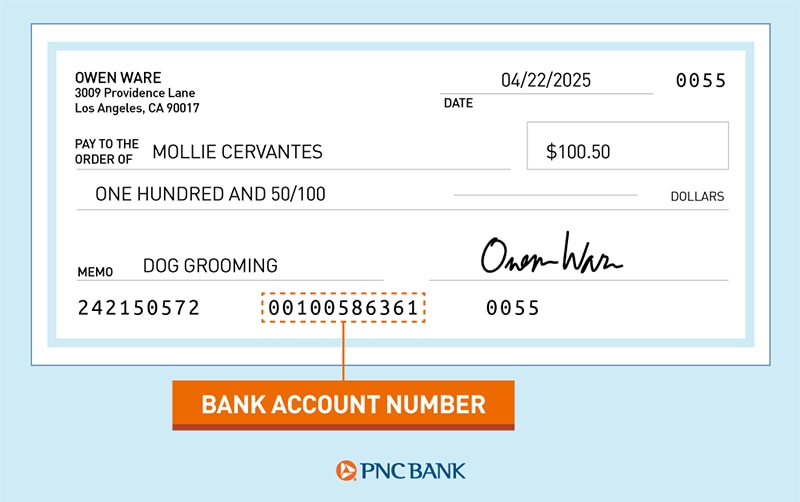
If you still use paper checks, your banking account number is printed on every check. It’s one of the three sets of numbers at the bottom of a check, typically located in the middle. From left to right, you’ll usually find the routing number, followed by your account number, and then the check number. This physical presence on checks underscores its importance for processing payments and deposits. If you have an old checkbook lying around, it can serve as a quick reference point. However, remember that if your account has been closed and a new one opened, the old checks will, of course, bear the old account number.
Contacting Your Bank Directly
Should you be unable to find your account number through the methods above, or if you prefer a direct interaction, contacting your bank is always an option. You can call their customer service line, visit a local branch, or use their secure messaging system within the online portal. Be prepared to undergo a rigorous identity verification process to ensure you are the legitimate account holder. This typically involves answering security questions, providing personal details, and possibly presenting identification if you visit a branch. While this method might take slightly longer, it guarantees accurate information directly from your financial institution.
Safeguarding Your Banking Account Number
While knowing your banking account number is essential for managing your finances, protecting it from unauthorized access is equally, if not more, critical. Your account number, especially when combined with your bank’s routing number, can be exploited by fraudsters to initiate unauthorized transactions or even attempt identity theft. Vigilance and proactive security measures are your best defense.
The Risks of Exposure

The primary risk associated with the exposure of your banking account number is unauthorized access to your funds. While a fraudster typically needs more than just your account number to drain your account (such as your PIN, online banking password, or physical access to your debit card), a malicious actor could potentially use it to set up fraudulent direct debits, make unauthorized payments, or even attempt to create fake checks. Even seemingly innocuous details, when combined, can create a complete picture for a fraudster. For instance, if someone obtains your account number and your routing number, they might be able to set up direct deposits to an account they control or create fraudulent checks that appear legitimate. The repercussions can range from minor financial inconvenience to significant monetary loss and the arduous process of reclaiming your funds and restoring your financial security.
Best Practices for Security
To mitigate these risks, adopt several best practices. Firstly, never share your full banking account number via unsecured channels like email, text messages, or unencrypted public Wi-Fi networks. Legitimate financial institutions will rarely ask for your full account number via these methods. Secondly, be extremely cautious about phishing attempts – unsolicited emails or calls pretending to be your bank and asking for sensitive information. Always verify the authenticity of such requests directly with your bank using contact information you know to be legitimate, not numbers or links provided in the suspicious communication. Shred old bank statements and voided checks before discarding them. Password-protect your digital devices and use strong, unique passwords for your online banking accounts, coupled with multi-factor authentication whenever available. Regularly monitor your bank statements for any suspicious activity and report it immediately.
What to Do If You Suspect Compromise
If you suspect your banking account number has been compromised, or if you notice any unauthorized transactions, immediate action is crucial. The first step is to contact your bank immediately. Most banks have dedicated fraud departments that can assist you in securing your account, potentially freezing it or issuing new account details if necessary. They can also guide you through the process of disputing fraudulent charges. It’s also advisable to change your online banking passwords and enable multi-factor authentication if you haven’t already. Keep a detailed record of all communications with your bank, including dates, times, and the names of representatives you speak with. Depending on the severity of the compromise, you may also consider placing a fraud alert on your credit reports with the major credit bureaus to protect against further identity theft. Acting swiftly can significantly limit potential damage and aid in the recovery process.
When You’ll Need Your Account Number
Your banking account number is a frequently requested piece of information in various financial scenarios, underpinning a wide array of personal and business transactions. Understanding these common uses helps you anticipate when you’ll need to retrieve it and ensures smoother financial operations.
Setting Up Direct Deposits or Payments
One of the most common reasons to provide your account number is when setting up direct deposits. This includes your salary from an employer, government benefits, or tax refunds. Similarly, when establishing automatic bill payments (e.g., mortgage, rent, utilities, loan payments) directly from your bank account, both your account number and your bank’s routing number are required. This ensures that funds are consistently and accurately moved between entities without the need for manual intervention, making financial management more efficient and reducing the risk of late payments. Employers and billers will typically provide a form or an online portal where you can securely input these details.
Wire Transfers and International Transactions
For sending or receiving money via wire transfer, particularly for larger sums or international transfers, your full account number is indispensable. Domestic wire transfers require both your account and routing numbers. International wire transfers, which involve different banking systems and currencies, additionally require a SWIFT/BIC code to identify the beneficiary’s bank globally. These types of transactions are often time-sensitive and involve greater scrutiny, making the accuracy of your account number absolutely critical to ensure funds reach the intended recipient without delays or errors. Any mistake in the account number can lead to funds being held, returned, or, in worst-case scenarios, irrevocably sent to the wrong party.
Paying Bills and Online Purchases
While many online purchases are made using debit or credit card numbers, some online merchants or service providers offer the option to pay directly from your bank account using your account and routing numbers (often referred to as an ACH payment in the U.S.). This is particularly common for recurring payments or for services that prefer to avoid credit card processing fees. Similarly, when paying certain bills online directly through a utility provider’s website, or when setting up one-time payments through your bank’s bill pay service, your account number may be required. Always ensure you are on a secure and legitimate website before entering such sensitive information.
Financial Planning and Account Management
Beyond transactions, your account number is often needed for various aspects of financial planning and account management. This can include linking your bank account to investment platforms, peer-to-peer payment apps, or budgeting software. It’s also required when applying for loans, setting up new credit lines, or opening new accounts at different institutions, as these often involve verifying your existing banking relationships. Furthermore, if you need to access older records, inquire about specific transactions, or resolve account discrepancies with your bank, referencing your account number will significantly streamline the process and allow bank representatives to quickly locate your specific financial records.
Special Considerations for Business Accounts and Multiple Accounts
While the core principles of understanding, finding, and protecting your banking account number apply universally, there are specific nuances to consider if you manage business accounts or hold multiple personal accounts. These considerations enhance organizational efficiency and security for more complex financial structures.
Distinguishing Personal vs. Business Accounts
For entrepreneurs, small business owners, or anyone with income-generating side hustles, maintaining separate personal and business banking accounts is a fundamental best practice. Each of these accounts will have its own unique account number and often its own routing number, even if they are held at the same financial institution. It’s crucial to accurately distinguish between these two sets of numbers. Using a personal account number for business transactions can complicate bookkeeping, tax preparation, and legal liability. Conversely, using a business account for personal expenses can blur the lines of financial responsibility and undermine the legal protections afforded to business entities. Always double-check which account number you are providing to ensure it corresponds to the intended purpose – personal income/expenses or business income/expenses. This separation is vital for clear financial oversight and compliance.
Managing Multiple Accounts Efficiently
Many individuals manage multiple personal accounts, such as a primary checking account, a savings account, a joint account, or specialized accounts for specific goals (e.g., a travel fund or emergency savings). Each of these accounts will possess a distinct account number. While the routing number might be the same if all accounts are with the same bank, the unique account number is what differentiates them. To manage these efficiently, it’s advisable to clearly label or name your accounts within your online banking portal to avoid confusion. Keep a secure, organized record of each account number, perhaps in a password-protected document or a trusted financial management app. Regularly reviewing all your accounts ensures that you are using the correct numbers for the right transactions and helps in overall financial planning, ensuring funds are allocated and accessed from the intended source. Misplacing funds due to an incorrect account number entry, even if between your own accounts, can cause unnecessary reconciliation headaches.

Conclusion
Your banking account number is an indispensable component of your financial identity, enabling a vast array of transactions and serving as the unique address for your money within the banking system. From setting up direct deposits to executing international wire transfers, its accurate use is fundamental to seamless financial operations. However, with its utility comes a significant responsibility for protection. By understanding where to securely locate your account number, adopting stringent security practices, and knowing how to respond in case of compromise, you empower yourself to navigate the financial landscape with confidence and safeguard your assets. In an increasingly digital world, being financially literate means not just knowing what your account number is, but also recognizing its profound importance and treating it with the utmost care it deserves. Mastery of this basic financial identifier is a cornerstone of robust personal and business finance management.
aViewFromTheCave is a participant in the Amazon Services LLC Associates Program, an affiliate advertising program designed to provide a means for sites to earn advertising fees by advertising and linking to Amazon.com. Amazon, the Amazon logo, AmazonSupply, and the AmazonSupply logo are trademarks of Amazon.com, Inc. or its affiliates. As an Amazon Associate we earn affiliate commissions from qualifying purchases.