
For millions of Americans, the Electronic Benefits Transfer (EBT) card is a critical tool for accessing essential government assistance. While often associated with food benefits (SNAP), many EBT cards also provide access to cash assistance programs, such as Temporary Assistance for Needy Families (TANF). Understanding how to effectively access and manage these cash benefits is crucial for financial stability and empowerment. This guide delves into the mechanics of withdrawing cash from your EBT card, offering practical advice, important considerations, and best practices to help you navigate this vital resource with confidence and clarity.
Understanding Your EBT Card and Cash Benefits
Before delving into the “how-to,” it’s essential to grasp the fundamental nature of your EBT card and the specific types of benefits it carries. This foundational understanding will enable you to manage your funds more effectively and avoid common pitfalls.
What is an EBT Card?
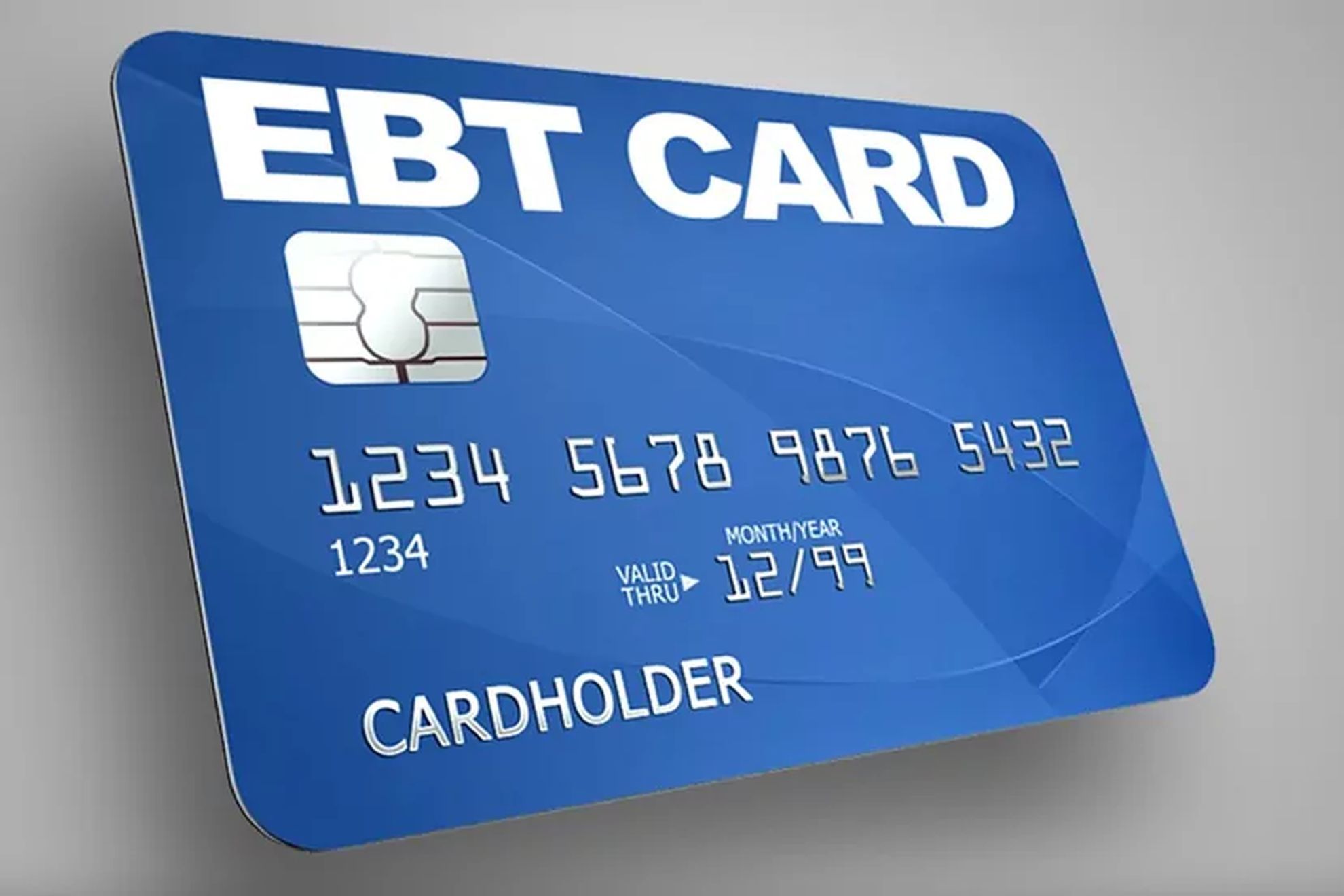
An EBT card functions much like a debit card, but instead of drawing funds from a traditional bank account, it accesses government-issued benefits. It’s a secure and efficient way for states to distribute assistance, reducing the need for paper vouchers or checks. Each card has a magnetic strip and/or an EMV chip, along with a Personal Identification Number (PIN) that you select, ensuring that only you can access your benefits. While the physical card looks similar across states, the exact benefits loaded onto it can vary.
Differentiating SNAP and TANF Cash Benefits
It’s a common misconception that all EBT cards provide cash access. In reality, an EBT card can carry two primary types of benefits, often loaded into separate accounts:
- Supplemental Nutrition Assistance Program (SNAP) Benefits: These funds, formerly known as food stamps, are exclusively for purchasing eligible food items at authorized retailers. SNAP benefits cannot be withdrawn as cash.
- Temporary Assistance for Needy Families (TANF) Cash Benefits: This program provides temporary financial assistance for families with children, helping them cover basic needs like housing, utilities, clothing, and transportation. Funds from TANF (and similar state-specific cash assistance programs) can be withdrawn as cash.
When you check your balance or make a transaction, you’ll typically see separate balances for your SNAP (food) benefits and your TANF (cash) benefits. It’s critical to know which balance you’re accessing to avoid transaction denials or confusion.
Eligibility for Cash Assistance
Eligibility for TANF or other state cash assistance programs is determined by your state welfare agency based on specific criteria, which usually include income, family size, and other assets. These programs are designed to be temporary, assisting families during periods of hardship with the goal of promoting self-sufficiency. If you have questions about your eligibility or the specific cash programs available in your state, contacting your local social services agency is the best course of action. They can provide detailed information tailored to your circumstances.
Where to Access Cash from Your EBT Card
Once you’ve confirmed that your EBT card carries cash benefits, the next step is understanding where and how you can access those funds. Several convenient options are available, each with its own set of considerations.
ATM Withdrawals: Fees and Network Considerations
One of the most common methods for taking out cash from your EBT card is via an Automated Teller Machine (ATM). This method offers 24/7 access to your funds, but it’s crucial to be aware of potential fees and network limitations.
- ATM Networks: EBT cards typically work within major ATM networks, often indicated by logos like Quest, Cirrus, or Plus. Most EBT cards will display the network logos they are compatible with on the back of the card.
- Fees: This is a critical point. While your state may not charge a fee for ATM withdrawals, the ATM owner almost certainly will. These surcharges can range from $2.00 to $5.00 per transaction and can quickly erode your benefits if you make frequent, small withdrawals. Some states limit the number of free ATM withdrawals you can make within a month before they start imposing their own fees. Always check the ATM screen for surcharge notifications before completing your transaction. If you see a fee, you have the option to cancel.
- Cash Limits: ATMs also have daily withdrawal limits, which can vary depending on the ATM owner and your state’s EBT program rules. These limits are usually clearly displayed at the ATM.
Point-of-Sale (POS) Transactions with Cash Back
Many grocery stores, convenience stores, and other retailers that accept EBT cards for food purchases also allow you to get cash back with your EBT cash benefits when you make a purchase. This method can often be more cost-effective than ATMs.
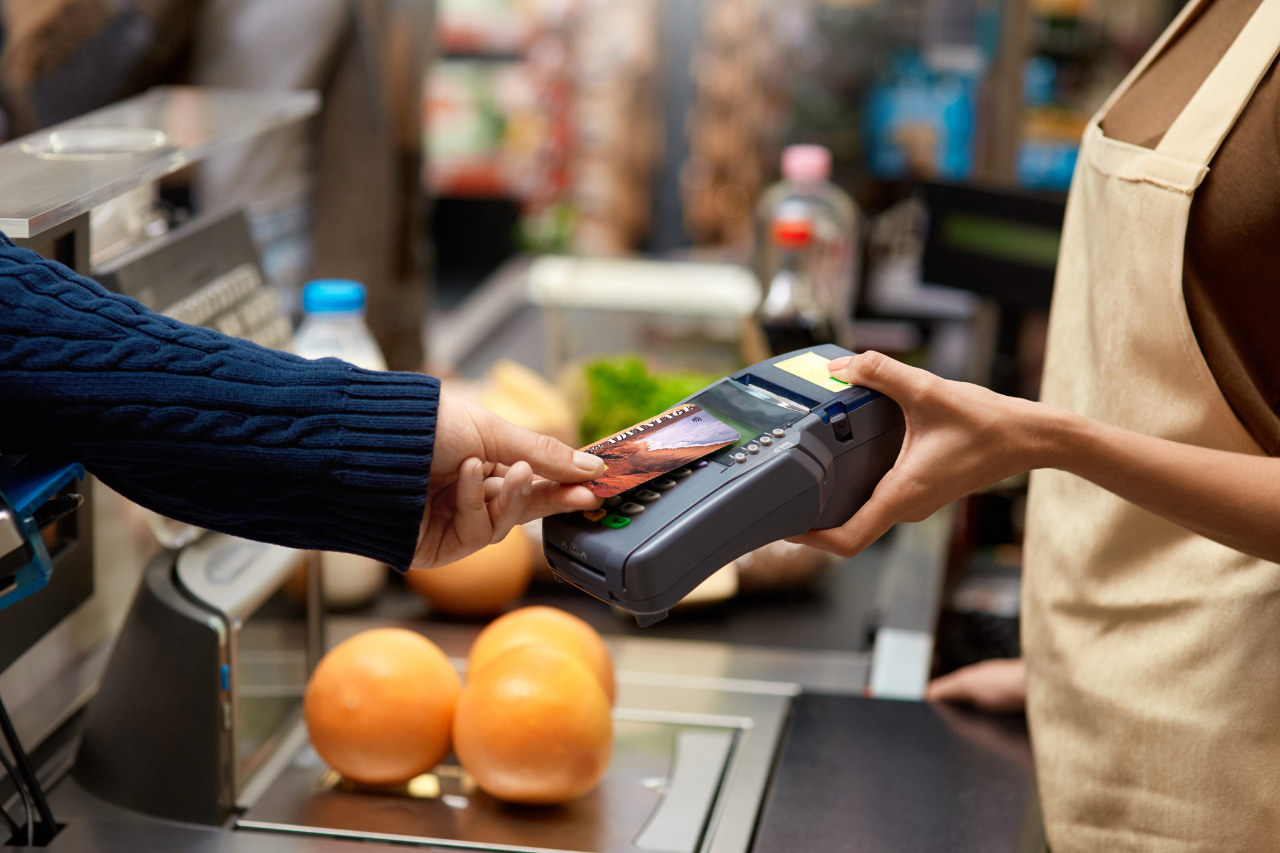
- How it Works: When you pay for your groceries or other items, inform the cashier that you want cash back. You’ll typically swipe your EBT card, enter your PIN, and then select the “cash” or “cash back” option. The system will deduct the purchase amount plus the cash back amount from your TANF cash balance.
- No Surcharges (Usually): A significant advantage of POS cash back is that most retailers do not charge a fee for this service. This makes it an ideal option for preserving your benefits.
- Retailer Participation: While many stores offer this, not all do. Look for signs indicating “EBT Cash Back” or inquire with customer service. Remember, you typically must make a purchase to get cash back, even if it’s a small item.
Bank or Credit Union Teller Transactions
In some states, and with certain EBT systems, you may be able to withdraw cash directly from your EBT cash benefits at the teller window of participating banks or credit unions.
- Identification Required: Just like withdrawing from a regular bank account, you will likely need to present a valid photo ID along with your EBT card.
- No Fees (Typically): Similar to POS cash back, these transactions generally do not incur fees from the bank, though policies can vary.
- Limited Availability: This option is not universally available in all states or at all bank branches. It’s advisable to check with your local EBT helpline or your state’s social services department to see if this is an option for you and which financial institutions participate.
Step-by-Step Guide to Withdrawing Cash
Having identified the available avenues, let’s walk through the practical steps for withdrawing cash using each method.
At an ATM
- Locate a Compatible ATM: Find an ATM that displays the network logos found on your EBT card.
- Insert Your EBT Card: Insert your card into the ATM’s card slot.
- Enter Your PIN: Carefully enter your four-digit Personal Identification Number.
- Select “Withdrawal”: From the main menu, choose the “Withdrawal” option.
- Select “Checking” or “Cash Account”: When prompted to select an account, choose the option that corresponds to your cash benefits. This is often labeled “Checking,” “Cash Account,” or similar, as opposed to “Food” or “SNAP.”
- Enter Amount: Input the desired cash amount, keeping in mind ATM limits and your available balance.
- Review Fees: The ATM will likely display any applicable surcharge fees. Review this carefully before proceeding. If you wish to avoid the fee, cancel the transaction.
- Complete Transaction: If you accept the fee, confirm the transaction. The ATM will dispense your cash and a receipt.
- Take Your Card and Receipt: Always remember to retrieve your EBT card and keep your receipt for your records.
At a POS Terminal (Cash Back)
- Make a Purchase: Select items you wish to buy from a participating retailer.
- Go to Checkout: Approach the cashier and inform them you will be paying with your EBT card and would like cash back.
- Swipe/Insert Your Card: Follow the cashier’s instructions to swipe or insert your EBT card.
- Enter Your PIN: Key in your PIN on the keypad.
- Select “Cash” or “Cash Back”: The terminal will prompt you to select the type of account. Choose “Cash” or “Cash Benefits.” You may then be asked if you want cash back; select “Yes.”
- Enter Cash Back Amount: Enter the amount of cash you wish to receive.
- Complete Transaction: Confirm the total amount (purchase + cash back). The cashier will then give you your cash and a receipt.
- Keep Receipt: Retain the receipt for your records.
At a Bank Branch

- Find a Participating Bank: Contact your state EBT helpline or your local welfare office to identify banks that offer EBT cash withdrawals at the teller window.
- Approach the Teller: Go to a teller window and present your EBT card and a valid photo ID (e.g., driver’s license, state ID).
- State Your Request: Inform the teller you wish to withdraw cash from your EBT cash benefits.
- Enter Your PIN: The teller will likely ask you to swipe your card on a PIN pad and enter your PIN to authorize the transaction.
- Receive Cash and Receipt: The teller will dispense your cash and provide a receipt.
- Verify and Keep Receipt: Always verify the amount and keep your receipt.
Important Considerations and Best Practices
Managing your EBT cash benefits responsibly requires awareness of various factors that can impact your access and financial well-being.
Understanding Transaction Limits
Both states and ATM owners impose limits on EBT cash withdrawals. These can include:
- Daily Withdrawal Limits: A maximum amount you can withdraw from an ATM or get as cash back within a 24-hour period.
- Monthly Withdrawal Limits: Some states may limit the total number of fee-free ATM withdrawals you can make per month before state-imposed fees kick in.
- Per-Transaction Limits: ATMs often have a maximum amount they can dispense in a single transaction (e.g., $200 or $300).
Always be aware of these limits to plan your withdrawals efficiently and avoid unnecessary fees.
Safeguarding Your EBT Card and PIN
Your EBT card is like a debit card; losing it or having your PIN stolen can lead to unauthorized use of your benefits.
- Memorize Your PIN: Never write your PIN on your card or store it with your card.
- Keep Your PIN Secret: Do not share your PIN with anyone, even if they claim to be from a government agency.
- Protect Your Card: Treat your EBT card like cash. Keep it in a secure place and report it lost or stolen immediately.
- Be Wary of Skimmers: When using an ATM or POS terminal, quickly check the card reader for anything unusual or loose that might indicate a card skimmer.
Checking Your Balance
Regularly checking your EBT balance is crucial for budgeting and preventing over-withdrawal. You can typically check your balance through several methods:
- EBT Customer Service Number: This is usually on the back of your card.
- Online EBT Portal: Many states offer an online portal where you can log in and view your balance and transaction history.
- EBT Mobile App: Some states provide dedicated mobile apps for EBT management.
- ATM Balance Inquiry: Most ATMs allow you to check your balance, though some may charge a fee for this service.
- POS Terminal Receipt: Your receipt after a purchase or cash withdrawal will often show your remaining balance.
Reporting Lost, Stolen, or Damaged Cards
If your EBT card is lost, stolen, or damaged, it’s imperative to report it immediately.
- Call the EBT Customer Service Number: This number is typically found on the back of your card or on your state’s EBT website.
- Report the Incident: Follow the prompts to report your card lost or stolen. The customer service representative will deactivate your old card and initiate the process for issuing a new one.
- Understand Replacement Timeframes: It usually takes 5-10 business days for a replacement card to arrive in the mail. During this period, you will not have access to your benefits.
- Fraud Protection: Reporting a lost or stolen card promptly helps protect your benefits from unauthorized use. While EBT cards do not have the same federal protections as debit or credit cards for unauthorized transactions, reporting quickly can sometimes help prevent or mitigate losses.
Navigating Fees and Surcharges
Fees can quickly deplete your limited cash benefits. Being strategic about how and where you withdraw cash is vital.
- Prioritize Fee-Free Options: Whenever possible, use POS cash back at grocery stores or participating bank tellers, as these options are typically free.
- Limit ATM Use: If you must use an ATM, try to make fewer, larger withdrawals to minimize the number of fees incurred.
- Check for Surcharges: Always read the ATM screen for surcharge notifications before confirming your transaction.
- State-Specific Rules: Be aware that some states may charge fees after a certain number of ATM withdrawals per month. Check your state’s EBT program rules for specifics.
Maximizing Your Cash Benefits and Financial Wellness
Accessing cash from your EBT card is just one part of managing your financial resources. To truly leverage these benefits, integrate them into a broader strategy for financial wellness.
Budgeting and Financial Planning with EBT Cash
Treat your EBT cash benefits like any other income. Create a simple budget to track where your money goes.
- Allocate Funds: Designate portions of your cash benefits for specific categories like utilities, transportation, personal care items, or other non-food essentials.
- Track Spending: Keep receipts or use a simple notebook or app to track your expenditures. This helps you stay within your budget and identify areas where you might be overspending.
- Plan for Irregular Expenses: If possible, set aside a small portion for unexpected costs to avoid financial emergencies.
Exploring Additional Financial Resources
EBT cash benefits are designed to be temporary assistance. Explore other resources that can support your long-term financial stability:
- Financial Literacy Programs: Many community organizations offer free workshops on budgeting, saving, and debt management.
- Job Training and Placement Services: Look into programs that can help you enhance your skills and find employment.
- Other Assistance Programs: Investigate eligibility for other state or federal programs that can help with housing, childcare, healthcare, or energy costs.
- Emergency Funds: As you stabilize, work towards building a small emergency fund, even if it’s just a few dollars a week, to create a buffer against future crises.
The Role of EBT in Broader Financial Stability
EBT cash benefits, while modest, play a critical role in preventing deeper poverty and providing a safety net for families in need. By understanding how to access these funds efficiently, responsibly, and strategically, beneficiaries can make the most of the support available to them. This knowledge empowers individuals to manage their immediate needs, allocate resources wisely, and pursue long-term goals for greater financial independence.
Conclusion: Empowering Beneficiaries Through Knowledge
Accessing cash from your EBT card doesn’t have to be a complex or intimidating process. By understanding the distinction between SNAP and cash benefits, knowing your withdrawal options, following step-by-step instructions, and adhering to best practices, you can effectively manage this vital resource. Remember to prioritize fee-free transactions, safeguard your card and PIN, and regularly check your balance. With this comprehensive knowledge, you are better equipped to leverage your EBT cash benefits as a stepping stone towards enhanced financial stability and peace of mind.
aViewFromTheCave is a participant in the Amazon Services LLC Associates Program, an affiliate advertising program designed to provide a means for sites to earn advertising fees by advertising and linking to Amazon.com. Amazon, the Amazon logo, AmazonSupply, and the AmazonSupply logo are trademarks of Amazon.com, Inc. or its affiliates. As an Amazon Associate we earn affiliate commissions from qualifying purchases.