
In today’s financial landscape, credit cards are more than just a convenient way to pay; they are a fundamental tool for building financial credibility, accessing emergency funds, and unlocking a host of benefits from travel rewards to purchase protection. For many, navigating the path to obtaining a credit card can seem daunting, especially for those new to the world of personal finance or looking to rebuild their credit. This comprehensive guide will demystify the process, offering clear, actionable steps and insights into how to successfully acquire and responsibly manage credit cards.
A credit card, at its core, is a revolving line of credit extended to you by a financial institution. Unlike a debit card, which draws directly from your bank account, a credit card allows you to borrow money up to a pre-set limit, which you then repay—typically with interest—over time. Understanding this distinction is crucial, as it underpins the responsibilities and opportunities associated with credit card ownership. Whether you’re aiming to make large purchases more manageable, protect yourself from fraud, or simply establish a robust financial footprint, securing the right credit card is a critical first step towards achieving these goals.
Understanding Credit Cards and Why They Matter
Before diving into the application process, it’s essential to grasp what credit cards entail and the significant role they play in your financial life. Far from being just a plastic rectangle, a credit card is a sophisticated financial instrument with both advantages and potential pitfalls.
What is a Credit Card?
A credit card is a payment card issued to users (cardholders) to enable the cardholder to pay for goods and services based on the cardholder’s promise to pay for them. The issuer (usually a bank) creates a revolving account and grants a line of credit to the consumer, from which the user can borrow money for payment to a merchant or as a cash advance. Credit cards are distinct from charge cards, which require the balance to be paid in full each month, and debit cards, which draw money directly from your bank account. The primary characteristic of a credit card is its revolving credit feature, allowing you to carry a balance month-to-month, albeit usually with interest charges.
Benefits of Having a Credit Card
The advantages of owning a credit card extend far beyond convenience. Properly managed, a credit card can be a powerful financial asset. Firstly, they are indispensable for building a credit history and credit score. A strong credit score is vital for securing loans for a car, a mortgage, or even renting an apartment, often influencing insurance premiums and employment prospects. Secondly, credit cards offer enhanced security and fraud protection. Unlike debit cards, where fraudulent activity can deplete your bank account directly, credit cards typically limit your liability for unauthorized charges. Many cards also come with built-in purchase protection, extended warranties, and even travel insurance. Thirdly, they provide a vital source of emergency funds. Having access to a credit line can be a lifesaver for unexpected expenses, preventing you from having to tap into your savings. Lastly, many credit cards offer enticing rewards programs, including cashback, travel miles, and points that can be redeemed for various goods and services, effectively giving you a return on your everyday spending.
Risks and Responsibilities
While the benefits are substantial, credit cards come with significant responsibilities and risks that must be acknowledged. The most prominent risk is accumulating high-interest debt. If you don’t pay your balance in full each month, interest can quickly compound, making it challenging to pay off what you owe. This can lead to a cycle of debt, negatively impacting your financial health and credit score. Another risk is overspending. The ease of swiping a card can tempt individuals to spend beyond their means, leading to financial strain. It’s also crucial to be aware of fees, such as annual fees, late payment fees, and balance transfer fees, which can add up if not managed carefully. Responsible credit card ownership requires discipline, budgeting, and a clear understanding of your financial limits.
Building Your Credit Foundation
The journey to obtaining a credit card, especially one with favorable terms, often begins with establishing and maintaining a solid credit foundation. Your credit score and history are key determinants in how lenders view your reliability.
The Importance of a Good Credit Score
Your credit score is a three-digit number that summarizes your creditworthiness based on your financial history. Lenders use this score to assess the risk of lending you money. A good credit score (typically 670 or higher on the FICO scale) opens doors to better financial products: lower interest rates on loans and mortgages, higher credit limits, and easier approval for premium credit cards. Conversely, a poor credit score can lead to rejections, higher interest rates, and limitations on financial flexibility. Establishing and maintaining a good credit score is therefore paramount for long-term financial health and opportunity.
Factors Influencing Your Credit Score
Several key factors contribute to your credit score, primarily categorized by the FICO scoring model:
- Payment History (35%): This is the most critical factor. Making payments on time, every time, has the most positive impact. Late payments, collections, and bankruptcies severely damage your score.
- Amounts Owed (30%): This refers to how much credit you’re using relative to your available credit, also known as credit utilization. Keeping your credit utilization below 30% (and ideally below 10%) across all your accounts is recommended.
- Length of Credit History (15%): The longer your credit accounts have been open and in good standing, the better. This demonstrates your ability to manage credit over time.
- New Credit (10%): Applying for too many new credit accounts in a short period can be seen as risky behavior and may temporarily lower your score.
- Credit Mix (10%): Having a healthy mix of different types of credit (e.g., credit cards, installment loans like mortgages or car loans) can positively influence your score, showing you can manage various credit products responsibly.
Strategies for Establishing Credit
For those with no credit history, getting your first credit card can feel like a “chicken and egg” problem: you need credit to get credit. However, several strategies can help you establish that initial credit footprint:
- Become an Authorized User: Ask a trusted family member with good credit to add you as an authorized user on one of their credit card accounts. You’ll get a card in your name, and their positive payment history will often reflect on your credit report, helping you build credit without directly being responsible for the debt.
- Secured Credit Cards: These cards require a cash deposit, which typically serves as your credit limit. This deposit minimizes the risk for the lender, making them easier to obtain for those with no credit or poor credit. After a period of responsible use (6-18 months), many secured cards can transition to unsecured cards, and your deposit will be returned.
- Credit Builder Loans: Offered by some credit unions and community banks, these loans are designed specifically to help you build credit. The loan amount is held in a locked savings account while you make regular payments. Once the loan is paid off, you receive the money, and your payment history is reported to credit bureaus.
- Student Credit Cards: If you’re a college student, many lenders offer cards specifically tailored to students, often with lower credit limits and more lenient approval criteria.
- Retail Store Cards: While often having higher interest rates, store credit cards can sometimes be easier to get approved for and can help establish initial credit, provided they report to all major credit bureaus.
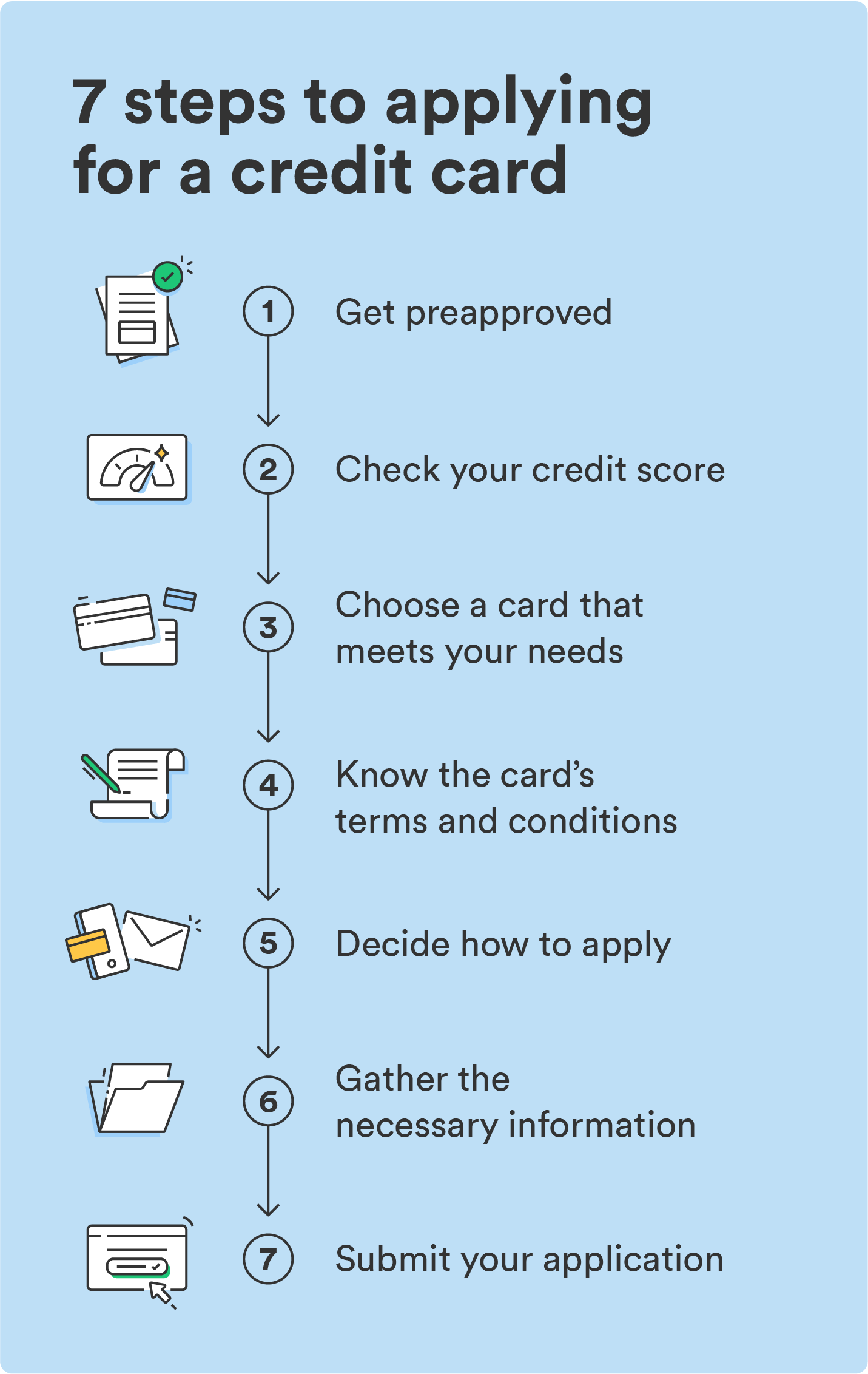
Navigating the Application Process
Once you’ve started building your credit foundation or have a decent credit score, the next step is to choose and apply for a credit card. This stage requires careful consideration and preparation.
Types of Credit Cards for Beginners
For individuals just starting out or those with limited credit history, specific types of credit cards are generally more accessible:
- Secured Credit Cards: As mentioned, these are excellent for building or rebuilding credit. Discover it® Secured Credit Card and Capital One Platinum Secured Credit Card are popular options.
- Student Credit Cards: Designed for college students, these often come with perks relevant to student life and lenient approval. Examples include the Discover it® Student Cash Back or Capital One SavorOne Student Cash Rewards Credit Card.
- Unsecured Cards for Fair/Limited Credit: Some cards are specifically marketed to those with fair (or “average”) credit scores, which typically range from 580-669. The Petal® 2 Visa® Credit Card or Capital One Platinum Credit Card are good examples.
- Authorized User Status: While not a card you apply for, it’s a direct route to getting credit reporting on your file.
When choosing, compare interest rates, annual fees, credit limits, and any rewards programs. For your first card, prioritize one with no annual fee and features that support credit building.
Essential Documents and Information
When applying for a credit card, lenders will require specific information to verify your identity and assess your financial standing. Be prepared to provide:
- Personal Information: Full name, date of birth, Social Security Number (SSN) or Individual Taxpayer Identification Number (ITIN), and contact details (address, phone, email).
- Employment Information: Your employer’s name, your job title, and how long you’ve been employed.
- Income Details: Your gross annual income (before taxes and deductions). Lenders want to ensure you have the capacity to repay. This can include wages, salaries, bonuses, commissions, alimony, child support, or retirement benefits.
- Housing Information: Whether you own or rent, and your monthly housing payment.
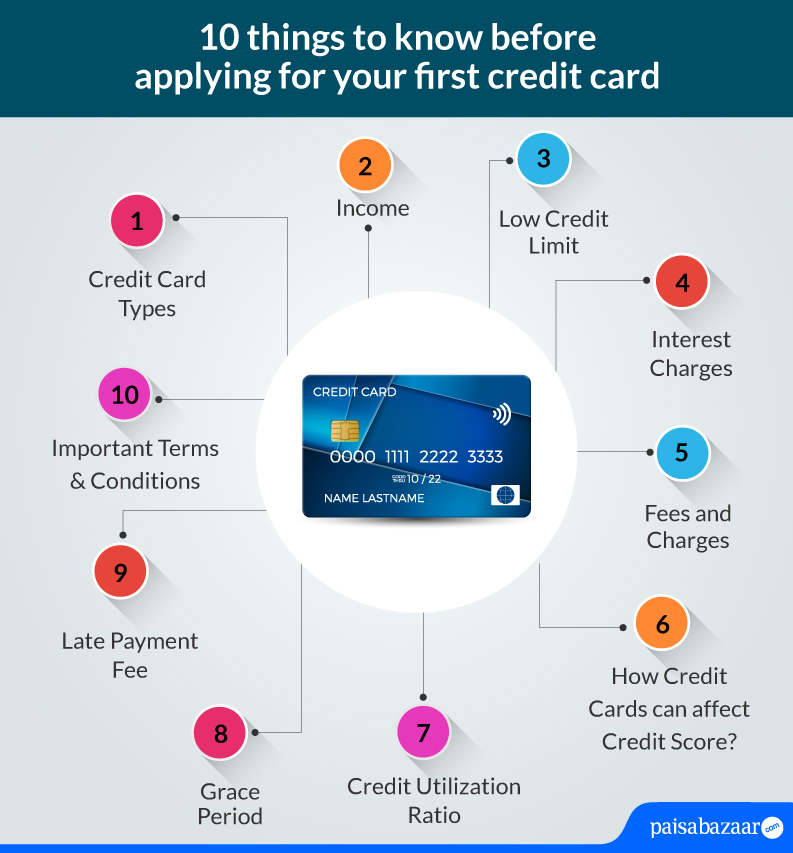
Ensure all information is accurate and readily available to streamline the application process.
Understanding Approval Criteria
Each credit card issuer has its own proprietary algorithm for evaluating applications, but generally, they look at similar criteria:
- Credit Score and History: This is paramount. A higher score and a clean history of on-time payments significantly increase your chances.
- Debt-to-Income Ratio: This ratio compares your monthly debt payments to your monthly gross income. A lower ratio indicates you have more disposable income to manage new debt.
- Income Stability and Level: Lenders want to see consistent income that is sufficient to cover your financial obligations.
- Existing Relationship with the Lender: Sometimes, if you already have a checking or savings account with a bank, they may be more inclined to approve your credit card application.
It’s wise to check if card issuers offer a “pre-qualification” tool, which allows you to see if you’re likely to be approved without a hard inquiry on your credit report. This can help you gauge your chances before committing to a full application.
What to Do If Your Application is Denied
A credit card application denial isn’t the end of the world, but it does require attention. If denied:
- Understand the Reason: Lenders are legally required to provide you with an adverse action notice explaining why your application was denied. This letter is crucial for understanding what went wrong.
- Review Your Credit Report: Obtain a free copy of your credit report from AnnualCreditReport.com and meticulously review it for errors. Disputing inaccuracies can improve your score.
- Contact the Lender: Sometimes, a quick phone call to the reconsideration line can clarify misunderstandings or provide an opportunity to offer additional information that could sway their decision.
- Improve Your Credit Profile: Address the reasons for denial. If it was due to a low credit score, focus on strategies to improve it. If your debt-to-income ratio was too high, work on paying down existing debt.
- Apply for a Different Card: Consider applying for a card with less stringent requirements, such as a secured credit card, after you’ve taken steps to improve your credit profile.
Responsible Credit Card Management
Getting a credit card is only the first step; managing it responsibly is where the true benefits and challenges lie. Diligent management ensures you build strong credit and avoid the pitfalls of debt.
Making Payments On Time, Every Time
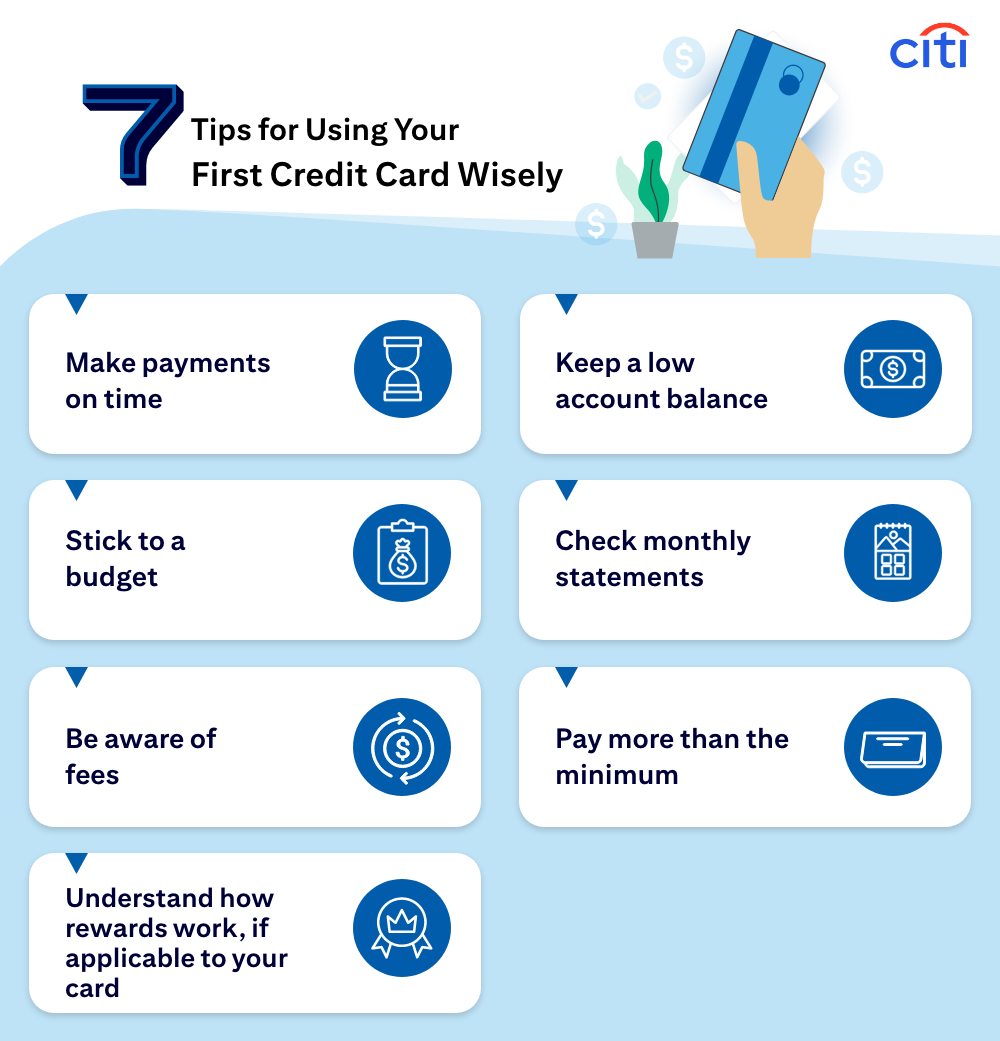
This is the golden rule of credit card management. Your payment history accounts for 35% of your FICO score. Late payments, even by a few days, can lead to late fees, penalty interest rates, and a significant drop in your credit score. Set up automatic payments for at least the minimum amount due, or better yet, the full statement balance, to ensure you never miss a deadline. Calendar reminders or payment alerts can also be invaluable tools.
Keeping Your Credit Utilization Low
As discussed, credit utilization (the amount of credit you’re using divided by your total available credit) is a major factor in your credit score. Aim to keep this ratio below 30% across all your cards, and ideally even lower, around 10%. For example, if you have a credit limit of $1,000, try not to carry a balance exceeding $300. Paying off your balance in full each month is the best way to maintain a low utilization ratio. If you can’t pay in full, try to make multiple payments throughout the month to keep your reported balance low.
Reviewing Statements and Protecting Against Fraud
Always review your monthly credit card statements thoroughly. Check for any unauthorized transactions, billing errors, or duplicate charges. If you spot anything suspicious, report it to your credit card issuer immediately. Most credit cards offer zero liability for fraudulent charges, provided you report them promptly. Additionally, regularly monitor your credit report for any unfamiliar accounts or inquiries that could indicate identity theft. Use strong, unique passwords for your online credit card accounts and be cautious about where you use your card online or in person.
When to Consider Upgrading or Getting Additional Cards
As your credit score improves and your financial needs evolve, you might consider upgrading your existing card or applying for additional ones.
- Upgrading: If you have a basic or secured card and have demonstrated responsible usage, you might be eligible to upgrade to a better card from the same issuer, often with more rewards or a higher credit limit. This can sometimes be done without a hard inquiry.
- Additional Cards: Once you have a strong credit score (700+), consider diversifying your credit card portfolio to leverage different rewards categories (e.g., one for groceries, one for travel). However, only apply for new cards strategically and sparingly, as each application typically results in a hard inquiry that can temporarily ding your score. Ensure you can manage the increased number of payments and credit limits responsibly. Each new card adds to your overall available credit, which, if managed well, can further lower your overall credit utilization ratio.
Advanced Strategies for Credit Growth
Once you’ve mastered the basics, there are further strategies to optimize your credit card usage for maximum financial advantage and future growth. These tactics are designed to leverage your good credit for greater financial flexibility and rewards.
Leveraging Rewards and Benefits
Beyond basic utility, many credit cards offer sophisticated rewards programs that can significantly enhance your financial position if used strategically. Understand your card’s rewards structure:
- Cash Back: Some cards offer a flat percentage back on all purchases, while others offer higher percentages in rotating bonus categories (e.g., 5% back on groceries one quarter, gas the next). Align your spending with these categories to maximize your returns.
- Travel Miles/Points: For frequent travelers, cards offering airline miles or hotel points can provide immense value. Learn how to redeem these points for optimal value, which often means booking travel directly through the card’s portal or transferring to airline/hotel partners.
- Sign-Up Bonuses: Many premium cards offer substantial sign-up bonuses for meeting a certain spending threshold within the first few months. These can be a fantastic boost, but ensure you can meet the spending requirement without overspending.
- Cardholder Perks: Look beyond rewards to additional benefits like purchase protection, extended warranties, rental car insurance, lost luggage insurance, concierge services, and airport lounge access. These perks can save you money and enhance your lifestyle.
Actively track your rewards and redemption opportunities. Don’t let valuable points expire or go unused.
Balancing Multiple Credit Accounts
As your credit history matures, you might find yourself with multiple credit cards. Managing these accounts effectively is crucial for continued credit health:
- Strategic Use: Assign specific cards for specific purposes. For example, use a cashback card for everyday expenses, a travel card for booking flights, and a card with a high credit limit for emergencies.
- Overall Credit Utilization: Remember that credit utilization is calculated across all your accounts. Even if one card has a high balance, if your other cards are unused, your overall utilization might still be low. However, it’s generally best to keep individual card utilization low as well.
- Payment Tracking: With multiple cards, staying organized is key. Utilize budgeting apps, personal finance software, or even a simple spreadsheet to track due dates, balances, and payment amounts for each card.
- Diversifying Lenders: Having cards from different banks can be beneficial, as it reduces your reliance on a single issuer and potentially offers a broader range of benefits and customer service experiences.
Preparing for Major Financial Goals
Your diligently built credit history and responsible credit card management are powerful assets when pursuing major financial goals:
- Homeownership: A strong credit score is indispensable for securing a mortgage with favorable interest rates. Lenders will examine your entire credit history, including your credit card usage.
- Car Loans: Similarly, excellent credit can save you thousands over the life of an auto loan through lower interest rates.
- Starting a Business: If you plan to start a business, your personal credit score often plays a role in securing initial business funding, especially for small business loans or lines of credit.
- Financial Flexibility: A robust credit profile gives you options. Whether it’s applying for a personal loan for a home renovation, accessing a low-interest balance transfer offer to consolidate debt, or simply having a higher credit limit for unexpected expenses, good credit provides peace of mind and financial agility.
In conclusion, obtaining and managing credit cards is a journey that requires education, discipline, and strategic thinking. From understanding the basics and building your initial credit to navigating applications and implementing advanced management techniques, each step contributes to your overall financial well-being. By embracing responsible credit habits, you unlock a powerful tool that not only simplifies transactions but also serves as a cornerstone for a strong and resilient financial future.
aViewFromTheCave is a participant in the Amazon Services LLC Associates Program, an affiliate advertising program designed to provide a means for sites to earn advertising fees by advertising and linking to Amazon.com. Amazon, the Amazon logo, AmazonSupply, and the AmazonSupply logo are trademarks of Amazon.com, Inc. or its affiliates. As an Amazon Associate we earn affiliate commissions from qualifying purchases.