
In the intricate world of personal finance, certain numbers act as vital identifiers, ensuring that your money moves correctly and securely. Among these, your bank routing number stands out as a critical component, serving as a unique digital fingerprint for your financial institution. Whether you’re setting up direct deposit, paying bills automatically, or initiating a wire transfer, knowing how to locate this nine-digit code is fundamental for seamless financial operations. This guide will demystify the bank routing number, explain its significance, and provide clear, actionable steps for finding yours with ease and confidence.

Understanding the Routing Number: Your Financial GPS
Before delving into how to find your routing number, it’s essential to grasp what it is and why it holds such importance in the financial ecosystem. It’s more than just a random sequence of digits; it’s a sophisticated identifier that underpins countless financial transactions.
What Exactly is a Bank Routing Number?
A bank routing number, also known as an ABA routing number (for the American Bankers Association, which established the system), is a nine-digit code used to identify your specific financial institution within the United States. Think of it as the unique “address” for your bank branch or financial institution. When you send money to or from an account, the routing number tells the Automated Clearing House (ACH) network or the Federal Reserve where to direct those funds, much like a postal code guides mail to the correct city.
These numbers are crucial for domestic transactions and ensure that funds are routed to the correct bank, even if that bank has numerous branches. While your bank might have several routing numbers depending on the state it operates in, the type of transaction (e.g., wire vs. ACH), or historical mergers, typically one will be primary for your account.
Why is Your Routing Number So Important?
The routing number is an indispensable tool for a wide array of financial activities, impacting everything from your paycheck to your monthly utility bills. Its importance cannot be overstated in modern financial management.
- Direct Deposits: This is perhaps the most common reason individuals need their routing number. Employers use it, along with your account number, to deposit your salary directly into your bank account. Similarly, government benefits like Social Security or tax refunds are often disbursed via direct deposit, requiring this identifier.
- Automatic Bill Payments: Many service providers, from utility companies to mortgage lenders, offer automatic payment options. Providing your routing and account numbers allows these companies to debit your account regularly, ensuring bills are paid on time and helping you avoid late fees.
- Domestic Wire Transfers: When sending or receiving funds domestically via wire transfer, the routing number is essential to direct the money to the correct financial institution.
- ACH (Automated Clearing House) Transactions: The ACH network processes electronic funds transfers. This includes direct deposits, direct debits (like recurring bill payments), and person-to-person payments through services like Zelle or Venmo. Your routing number is central to all these operations.
- Setting Up Online Payment Services: Platforms like PayPal, Venmo, or Cash App often require you to link your bank account for transfers. This linkage typically involves inputting your routing and account numbers to verify and enable transactions.
In essence, without your routing number, your money would struggle to find its way to or from your bank, making many everyday financial conveniences impossible.
Multiple Avenues to Locate Your Routing Number
Fortunately, finding your bank’s routing number isn’t a scavenger hunt. Financial institutions understand its importance and make it readily accessible through several reliable channels.
Checking Your Bank Statements (Physical or Digital)
One of the most straightforward ways to find your routing number is by looking at your bank statements.
- Physical Statements: If you receive paper statements in the mail, your routing number is typically printed prominently on each statement. Look near your account number, usually at the top or bottom of the statement.
- Digital Statements: For those who’ve gone paperless, your online banking portal offers digital access to your statements. Log into your account on your bank’s website or mobile app, navigate to the “Statements” section, and download a recent statement. The routing number will be in the same easily identifiable location as on a physical statement. This method is often preferred for its convenience and accessibility anytime, anywhere.
The Digital Path: Online Banking and Mobile Apps
Your bank’s digital platforms are often the quickest and most convenient sources for this information.
- Online Banking Portal: Log into your bank’s website. Once logged in, navigate to your account details. This is often found under sections like “Account Summary,” “Account Details,” “Profile,” or “Direct Deposit Information.” Your routing number, along with your account number, should be clearly displayed. Some banks might even have a dedicated section titled “Routing & Account Numbers.”
- Mobile Banking App: Most major banks offer robust mobile applications. Download and log into your bank’s app on your smartphone or tablet. Similar to the online portal, you can usually find your routing number by tapping on your specific account, then looking for “Account Details,” “Show Account Info,” or “Direct Deposit Info.” The interface might vary slightly between banks, but the information is always designed to be easily discoverable.
The Old-Fashioned Way: Your Checkbook
For those who still use physical checks, your checkbook is a quick and reliable source.
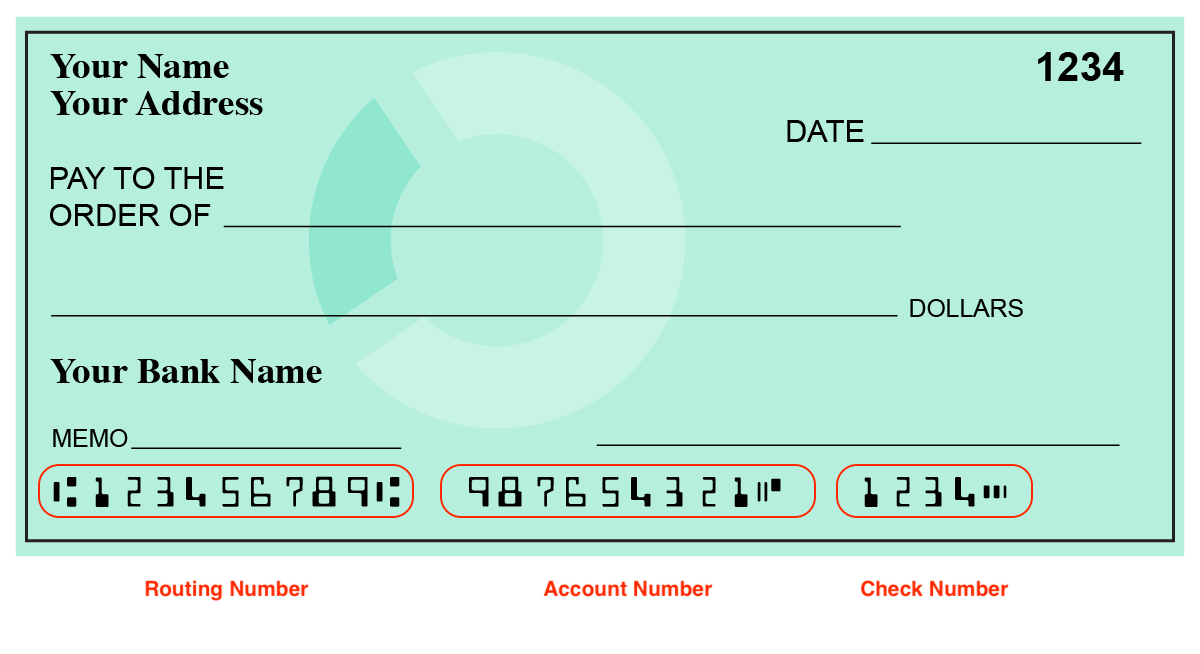
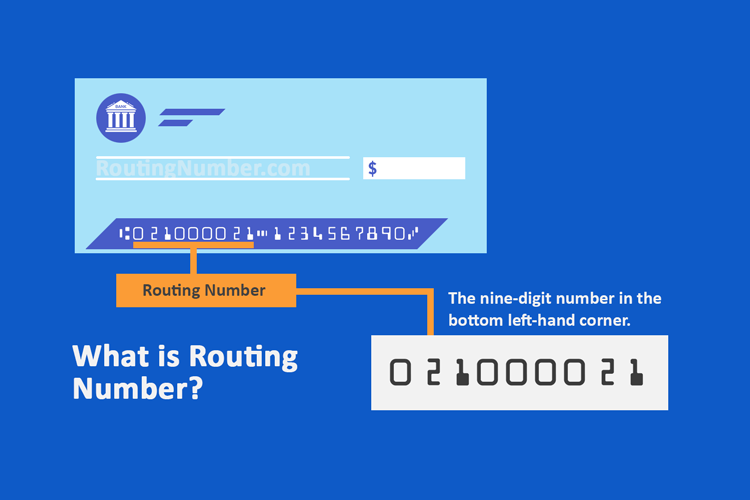
- On a Personal Check: Look at the bottom of a blank check. You will typically see three sets of numbers printed in a special magnetic ink font. From left to right, these numbers are:
- Routing Number (9 digits): This is the first set of numbers.
- Account Number (variable digits): This is your specific account number.
- Check Number (3-4 digits): This number corresponds to the individual check.
Make sure to correctly identify the first set of nine digits as your routing number. Do not confuse it with your account number, which is usually longer and in the middle.
Contacting Your Bank Directly
If digital methods aren’t working or you prefer direct interaction, your bank’s customer service is there to help.
- Customer Service Phone Number: You can find your bank’s customer service number on their website, on the back of your debit card, or on a bank statement. Call them, and after verifying your identity (be prepared to answer security questions), a representative can provide your routing number.
- Visiting a Local Branch: If you have a local branch nearby, you can visit in person. A teller or customer service representative can provide the routing number for your account after verifying your identity. This can be a good option if you have other banking needs or prefer face-to-face assistance.
When contacting your bank, always be prepared to verify your identity using personal information to ensure security and prevent unauthorized disclosure of your financial details.
Distinguishing Your Routing Number from Other Identifiers
In personal finance, various numerical sequences identify different aspects of your financial life. It’s crucial not to confuse your routing number with other identifiers, as using the wrong one can lead to transaction delays or even lost funds.
Routing Number vs. Account Number
This is perhaps the most common point of confusion, yet their roles are distinct and complementary.
- Routing Number: As established, this nine-digit code identifies your bank (the specific financial institution). It directs incoming and outgoing transactions to the correct bank.
- Account Number: This is a unique sequence of numbers (typically 10-12 digits, but varies by bank) that identifies your specific individual account within that bank. It differentiates your checking account from your savings account, or your account from another customer’s account at the same bank.
How they work together: Think of it like mailing a letter. The routing number is the street address (your bank’s location), and the account number is the apartment or suite number within that building (your specific account). Both are absolutely necessary for a transaction to be accurately processed. You need the routing number to get the money to the right bank, and the account number to get it into the right account at that bank.
Routing Number vs. SWIFT/BIC Code
While both are used for identifying banks, their scope of operation differs significantly.
- Routing Number: Used primarily for domestic transactions within the United States. It’s part of the ABA system and specifically for U.S. financial institutions.
- SWIFT/BIC (Society for Worldwide Interbank Financial Telecommunication / Bank Identifier Code): This is an international code used to identify banks worldwide for international wire transfers. A SWIFT code typically consists of 8 or 11 characters (letters and numbers) and is required for sending or receiving money across national borders.
When each is needed: If you are dealing with a U.S.-based employer, utility company, or another U.S. financial institution, you’ll need your routing number. If you are receiving money from a relative overseas, working for an international company, or sending money to an international recipient, you will likely need a SWIFT/BIC code, not a routing number. Your bank will have a specific SWIFT code for international transfers, which might be different from the routing number used for domestic transactions.
Common Scenarios Requiring Your Routing Number
Knowing when you’ll need your routing number is just as important as knowing how to find it. Many everyday financial activities depend on this nine-digit code.
Setting Up Direct Deposit for Employment
When you start a new job, your employer will almost certainly ask for your bank’s routing number and your account number to set up direct deposit. This ensures your paychecks are automatically deposited into your account on payday, eliminating the need for paper checks and often speeding up access to your funds. You’ll typically fill out a direct deposit form provided by your employer’s HR or payroll department, requiring both these numbers.
Automating Bill Payments and Subscriptions
To simplify your financial life and avoid missing due dates, many people automate their recurring bill payments. This includes everything from utility bills (electricity, water, internet), loan payments (mortgage, car, student), to various subscriptions (streaming services, gym memberships). When setting up these automatic payments directly with the service provider, you’ll often be prompted to provide your bank routing and account numbers to enable direct debits from your account. This is a common and efficient way to manage your expenses.
Receiving Tax Refunds and Government Benefits
The Internal Revenue Service (IRS) and other government agencies strongly encourage direct deposit for tax refunds and federal benefits like Social Security. Using direct deposit is the fastest and most secure way to receive these funds. When filing your tax return (electronically or via paper), or when signing up for government benefits, you will be asked to provide your bank routing and account numbers to facilitate the direct transfer of funds.
Initiating or Receiving ACH Transfers
ACH transfers are the backbone of many electronic financial transactions in the U.S. This includes peer-to-peer payments through apps, business-to-business payments, and even some online purchase transactions. If you’re sending money to someone else’s bank account or receiving funds from a business or individual via a direct bank transfer, your routing number will likely be involved. Services like Zelle or Venmo, while appearing to be instant, often use the ACH network in the background for settlement, making your routing number fundamental to their operation.
Safeguarding Your Financial Information
While your bank routing number is essential for financial transactions, it’s crucial to understand the importance of protecting this and other sensitive financial data.
The Importance of Security
Your routing number, when combined with your account number, acts as a key to your bank account. While a routing number alone is generally considered public information (as it identifies a bank, not a specific account), its combination with your account number could potentially be exploited for fraudulent activity if it falls into the wrong hands. Unauthorized individuals could attempt to set up fake direct debits or make unauthorized transfers. Therefore, treating this information with care is a vital aspect of personal finance security.
Best Practices for Sharing
- Share Only When Necessary: Only provide your routing and account numbers to trusted entities for legitimate purposes, such as your employer, verified billers, or reputable financial services.
- Verify the Recipient: Always double-check that you are providing information to the correct and official source. Be cautious of unsolicited requests for your bank details.
- Secure Channels Only: Avoid sending your banking information via unencrypted email or text messages. Use secure portals, official forms, or provide the information over the phone to a verified bank representative.
- Be Wary of Phishing: Be highly suspicious of emails or messages that claim to be from your bank or a company asking for your routing and account numbers. Legitimate institutions typically won’t ask for this sensitive information through unsecure email links.
What to Do If You Suspect Fraud
Despite your best efforts, financial fraud can occur. If you ever suspect that your routing number, account number, or any other financial information has been compromised or used without your authorization:
- Contact Your Bank Immediately: This is your first and most crucial step. Report the suspected fraud to your bank’s fraud department. They can guide you on what steps to take, which may include freezing or closing accounts and initiating investigations.
- Monitor Your Account Activity: Regularly review your bank statements and online transaction history for any unfamiliar or unauthorized transactions.
- Change Passwords: Update passwords for all your online banking and financial accounts.
- File a Police Report (If Necessary): Depending on the severity of the fraud, your bank might advise you to file a report with local law enforcement.
Your bank routing number is a powerful tool in managing your finances, facilitating smooth and efficient transactions. By understanding its purpose, knowing where to find it, and practicing vigilant security, you empower yourself to navigate the financial landscape with confidence and peace of mind.
aViewFromTheCave is a participant in the Amazon Services LLC Associates Program, an affiliate advertising program designed to provide a means for sites to earn advertising fees by advertising and linking to Amazon.com. Amazon, the Amazon logo, AmazonSupply, and the AmazonSupply logo are trademarks of Amazon.com, Inc. or its affiliates. As an Amazon Associate we earn affiliate commissions from qualifying purchases.