
Embarking on the journey of acquiring a credit card is a significant step in personal financial management. For many, it’s the gateway to building a credit history, unlocking rewards, and gaining financial flexibility. However, it’s also a responsibility that, if mishandled, can lead to debt and financial stress. This guide will walk you through the essential steps, considerations, and best practices for applying for a credit card, ensuring you make informed decisions that align with your financial goals and promote long-term financial health. From understanding the basics to navigating the application process and managing your credit responsibly, we’ll equip you with the knowledge to leverage this powerful financial tool effectively.
Understanding Credit Cards: More Than Just Plastic
Before you even think about filling out an application, it’s crucial to grasp what a credit card truly is, how it operates, and the benefits and risks associated with its use. A credit card is not merely a piece of plastic; it’s a revolving line of credit extended by a financial institution, allowing you to borrow money up to a pre-set limit.
What is a Credit Card and How Does It Work?
At its core, a credit card is a short-term loan facility. When you make a purchase, the credit card issuer pays the merchant on your behalf, and you, in turn, owe that amount to the issuer. You then have a grace period (typically 21-25 days) to pay off your balance without incurring interest charges. If you pay your balance in full by the due date, you pay nothing extra. However, if you carry a balance, you’ll be charged interest on the outstanding amount, often at a high annual percentage rate (APR). Your monthly statement will detail your purchases, minimum payment due, due date, and any interest charges.
Benefits of Having a Credit Card
When used wisely, credit cards offer a plethora of advantages. Chief among these is the ability to build a credit history and score. A strong credit score is vital for securing loans for major purchases like a house or car, and even for renting an apartment or getting certain jobs. Credit cards also offer convenience and security, eliminating the need to carry large amounts of cash and providing fraud protection. Many cards come with rewards programs, offering cashback, travel points, or discounts on purchases, which can provide significant value over time. They can also be invaluable for emergencies, providing a financial safety net when unexpected expenses arise.
Potential Pitfalls and How to Avoid Them
Despite the benefits, credit cards come with significant risks if not managed properly. The primary pitfall is accumulating high-interest debt. Carrying a large balance and only making minimum payments can quickly spiral into a cycle of debt, with interest charges making it difficult to pay off the principal. Other risks include annual fees, which can erode the value of any rewards, and late payment fees, which not only cost money but also negatively impact your credit score. To avoid these pitfalls, always strive to pay your balance in full each month, understand all fees and interest rates before applying, and avoid spending beyond your means.
Preparing for Your Credit Card Application
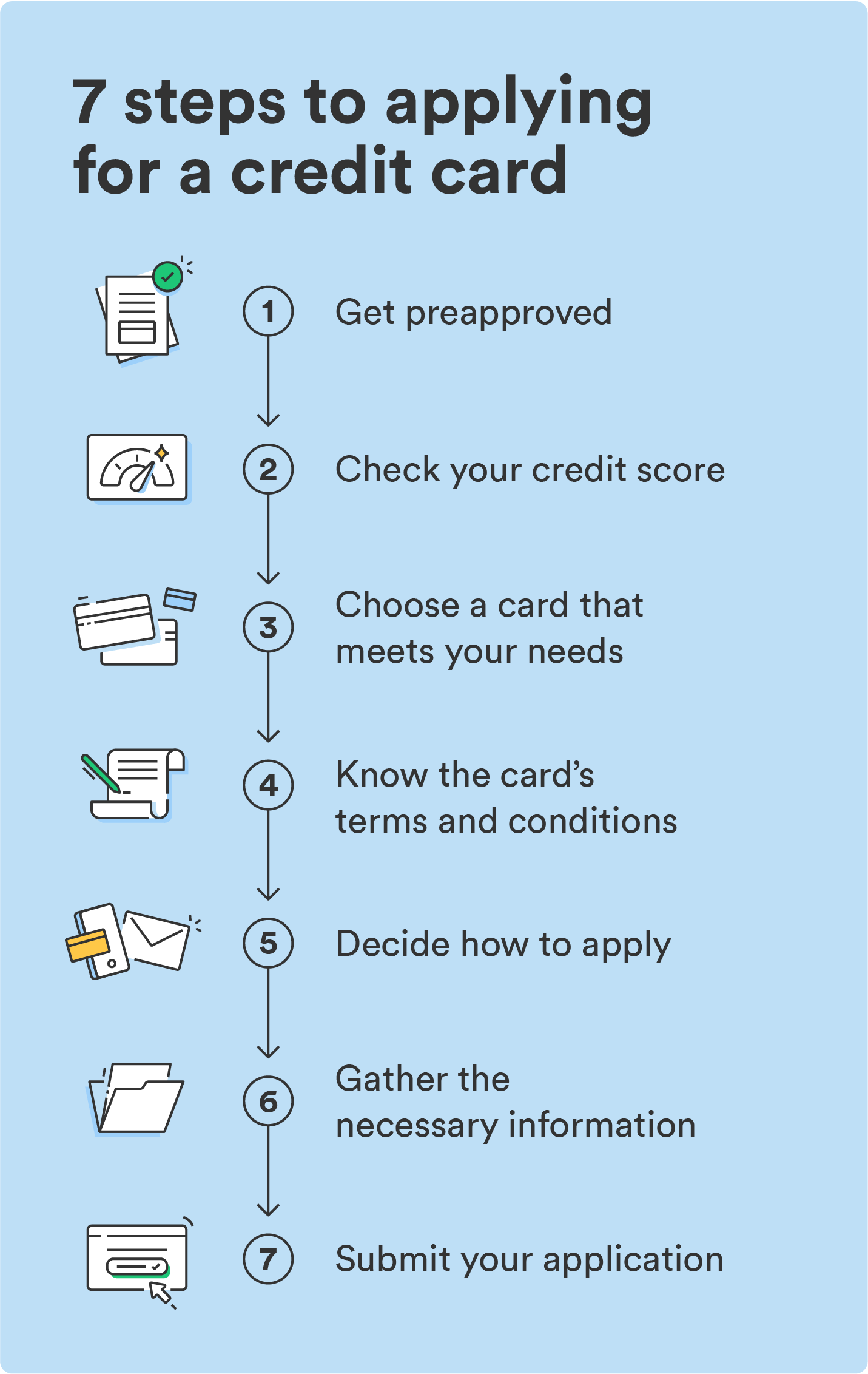
A successful credit card application isn’t just about filling out a form; it’s about demonstrating your creditworthiness to potential lenders. Preparation is key to increasing your chances of approval and securing a card with favorable terms.
Assessing Your Creditworthiness
Lenders primarily evaluate your creditworthiness – your ability and likelihood to repay borrowed money. This assessment heavily relies on your credit score and credit history. Your credit score (e.g., FICO or VantageScore) is a three-digit number summarizing your credit risk, influenced by factors like payment history, amounts owed, length of credit history, new credit, and credit mix. Your credit history, detailed in your credit report, provides a narrative of your past borrowing and repayment behaviors. Before applying, obtain a free copy of your credit report from annualcreditreport.com to check for errors and understand your current standing. If your score is low or you have limited history, consider starting with a secured credit card or becoming an authorized user on someone else’s account.
Key Factors Lenders Consider
Beyond your credit score, lenders scrutinize several other aspects of your financial profile:
- Income: A stable and sufficient income demonstrates your ability to make payments.
- Debt-to-Income (DTI) Ratio: This ratio compares your total monthly debt payments to your gross monthly income. A lower DTI indicates less financial strain and a greater capacity to take on new debt.
- Employment Stability: Consistent employment signals a reliable income stream.
- Residential Stability: Living at the same address for an extended period can be seen as a sign of stability.
- Existing Debt: Too much existing debt can make lenders wary of extending more credit.
Gathering Necessary Documentation
To streamline the application process, have all required documents ready. While the exact requirements may vary, generally you’ll need:
- Proof of Identity: A valid government-issued ID (e.g., driver’s license, passport).
- Proof of Address: Utility bill, bank statement, or rental agreement showing your current residence.
- Proof of Income: Pay stubs, tax returns (W-2s or 1099s), bank statements, or employer verification letters.
- Social Security Number (SSN) or Individual Taxpayer Identification Number (ITIN).
Having these readily accessible will make filling out the application quick and accurate.
Choosing the Right Credit Card for Your Needs
With hundreds of credit card options available, selecting the one that best fits your financial situation and goals is paramount. A careful comparison of features, fees, and benefits can save you money and maximize rewards.
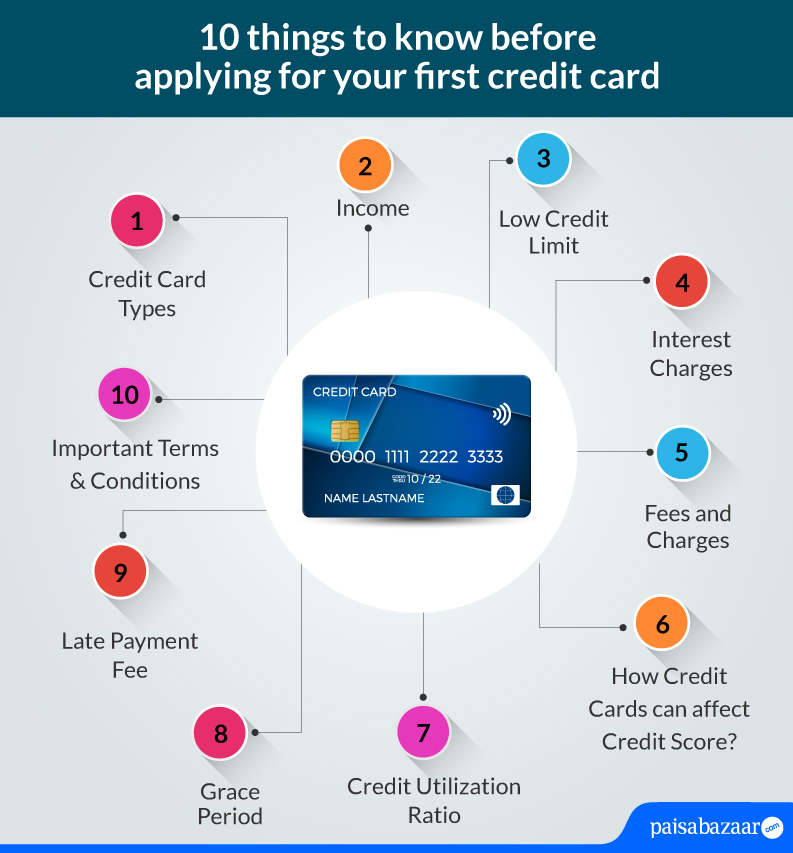
Types of Credit Cards
Different credit cards cater to diverse financial needs and credit profiles:
- Rewards Cards: Offer points, miles, or cashback on purchases, ideal for those who pay their balance in full monthly.
- Balance Transfer Cards: Designed to help you pay down existing high-interest debt by offering an introductory 0% APR period on transferred balances.
- Secured Credit Cards: Require a cash deposit as collateral, making them accessible to individuals with no credit or poor credit, helping them build a positive history.
- Student Credit Cards: Tailored for college students, often with lower credit limits and educational resources.
- Low APR Cards: Feature lower ongoing interest rates, suitable for those who anticipate carrying a balance from time to time.
- Travel Cards: Offer enhanced rewards on travel-related spending and often include perks like travel insurance, lounge access, or no foreign transaction fees.
Comparing Interest Rates, Fees, and Features

Once you’ve identified the type of card that aligns with your needs, delve into the specifics of various offerings.
- Annual Percentage Rate (APR): This is the interest rate you’ll pay on balances carried over. Look for the lowest possible APR if you anticipate carrying a balance.
- Annual Fees: Some premium cards charge an annual fee, which may be offset by high rewards or benefits, but for most, a no-annual-fee card is preferable.
- Other Fees: Be aware of late payment fees, balance transfer fees, foreign transaction fees, and cash advance fees.
- Rewards Structure: Understand how points, miles, or cashback are earned and redeemed. Is it a flat rate, or are there bonus categories? Are there caps on earnings?
- Sign-up Bonuses: Many cards offer attractive bonuses for meeting spending thresholds within an initial period.
- Additional Features: Consider perks like extended warranties, purchase protection, travel insurance, or concierge services.
Researching Issuers and Their Offerings
Don’t just jump at the first offer you see. Utilize online comparison tools and read reviews from reputable financial websites. Look into the customer service reputation of different issuers (banks or credit unions). Consider starting with your existing bank, as they might have pre-approved offers or a deeper understanding of your financial profile, potentially leading to easier approval or better terms. Pay attention to the fine print, including eligibility requirements and terms and conditions.
The Application Process: Step-by-Step
With your preparation complete and the ideal card chosen, the application process itself is fairly straightforward. Understanding what to expect can ease any anxiety and help ensure accuracy.
Online vs. In-Person Applications
Most credit card applications are submitted online, offering speed and convenience. You can typically complete the form from anywhere and receive an instant decision or a decision within minutes. Online applications are generally secure, using encryption to protect your personal information. Alternatively, you can apply in-person at a bank branch, which might be preferred by those who value personalized assistance or have questions they want to address directly with a representative. Some individuals also apply via mail, though this is less common now due to the slower processing time.
Filling Out the Application Form Accurately
Regardless of the method, precision is critical when filling out the application. You’ll be asked for personal details (name, address, date of birth, SSN), contact information, employment details, income information, and existing financial obligations. Double-check all entries for accuracy. Even a minor typo can delay processing or lead to a rejection. Be honest about your income and debts; misrepresenting financial information can have serious consequences. If you are under 21, you’ll generally need to demonstrate an independent ability to make payments or have a co-signer (though co-signing is rare for credit cards today, except for some student cards).
What Happens After You Apply
- Instant Approval: Many online applications result in an instant decision. If approved, you’ll receive details about your credit limit and an estimated arrival date for your card.
- Pending Review: If your application isn’t instantly approved, it might be sent for further review. This often happens if the lender needs more information or wants to manually verify details. You may be asked to provide additional documentation.
- Denial: If denied, the issuer is legally required to send you an Adverse Action Notice explaining the reasons for the denial. This is an opportunity to understand what factors contributed to the decision and to work on improving those areas for future applications. Don’t be discouraged; use it as a learning experience.
Understanding Your Cardholder Agreement
Upon approval, you’ll receive a cardholder agreement along with your new card. This is a crucial document detailing the terms and conditions of your account, including your credit limit, APR, fees, payment due dates, and dispute resolution processes. Read it thoroughly before activating and using your card. Understanding these terms is essential for responsible credit card use and avoiding unexpected charges or penalties.
Responsible Credit Card Management Post-Approval
Getting approved for a credit card is just the beginning. The true test lies in how responsibly you manage it. Smart management ensures you reap the benefits without falling into debt.
Making Payments On Time and In Full
This is arguably the most important aspect of responsible credit card management. Always pay your statement balance in full by the due date. This prevents you from incurring any interest charges and is the fastest way to build a strong credit history. If paying in full isn’t possible, at least make the minimum payment to avoid late fees and negative marks on your credit report. Setting up automatic payments for at least the minimum amount (or the full statement balance if your bank offers it) can help ensure you never miss a payment.
Monitoring Your Credit Usage
Keep your credit utilization ratio low. This ratio compares the amount of credit you’re using to your total available credit. Experts recommend keeping it below 30% to positively impact your credit score. For example, if you have a $1,000 credit limit, try to keep your balance below $300. Regularly check your online account or monthly statements to track your spending and ensure you stay within a comfortable limit.
Protecting Your Credit Card Information
Credit card fraud is a pervasive threat. Take steps to protect your card:
- Never share your PIN.
- Shred old statements and receipts that contain sensitive information.
- Be wary of suspicious emails or calls asking for card details (phishing scams).
- Use strong, unique passwords for online banking and card accounts.
- Monitor your statements regularly for unauthorized transactions and report them immediately to your issuer. Many cards offer fraud alerts and zero-liability policies, protecting you from unauthorized charges.
Leveraging Rewards and Benefits Wisely
If you chose a rewards card, ensure you’re maximizing its benefits. Understand how to earn and redeem your points, miles, or cashback efficiently. Don’t let rewards influence you to overspend; the goal is to earn rewards on purchases you would have made anyway. Take advantage of any additional benefits like purchase protection, extended warranties, or travel perks, but always read the terms and conditions carefully to understand their limitations and how to utilize them.
Applying for and managing a credit card is a fundamental financial skill. By approaching the process with knowledge, discipline, and a clear understanding of your financial goals, you can effectively harness the power of credit to build a strong financial future, achieve your aspirations, and navigate the complexities of modern finance with confidence.
aViewFromTheCave is a participant in the Amazon Services LLC Associates Program, an affiliate advertising program designed to provide a means for sites to earn advertising fees by advertising and linking to Amazon.com. Amazon, the Amazon logo, AmazonSupply, and the AmazonSupply logo are trademarks of Amazon.com, Inc. or its affiliates. As an Amazon Associate we earn affiliate commissions from qualifying purchases.