
In the landscape of personal finance, securing a credit card from a reputable issuer like Chase can be a pivotal step toward achieving various financial goals. Chase, one of the largest and most well-regarded financial institutions globally, offers a diverse portfolio of credit cards designed to cater to a wide range of financial needs and lifestyles, from robust travel rewards to straightforward cash back and business solutions. This comprehensive guide delves into the intricacies of applying for and successfully obtaining a Chase credit card, focusing on the preparation, application process, and post-approval strategies essential for responsible and rewarding credit card management. For anyone looking to enhance their financial toolkit, understand credit, and leverage the benefits offered by a leading financial provider, navigating the path to a Chase credit card begins here.

Understanding Chase Credit Cards: A Gateway to Financial Perks
Chase has solidified its position as a preferred issuer for millions due to its competitive offerings and the comprehensive ecosystem of financial products it provides. Before embarking on the application journey, it’s crucial to understand why a Chase credit card might be the right choice and what types of cards are available.
Why Choose a Chase Credit Card?
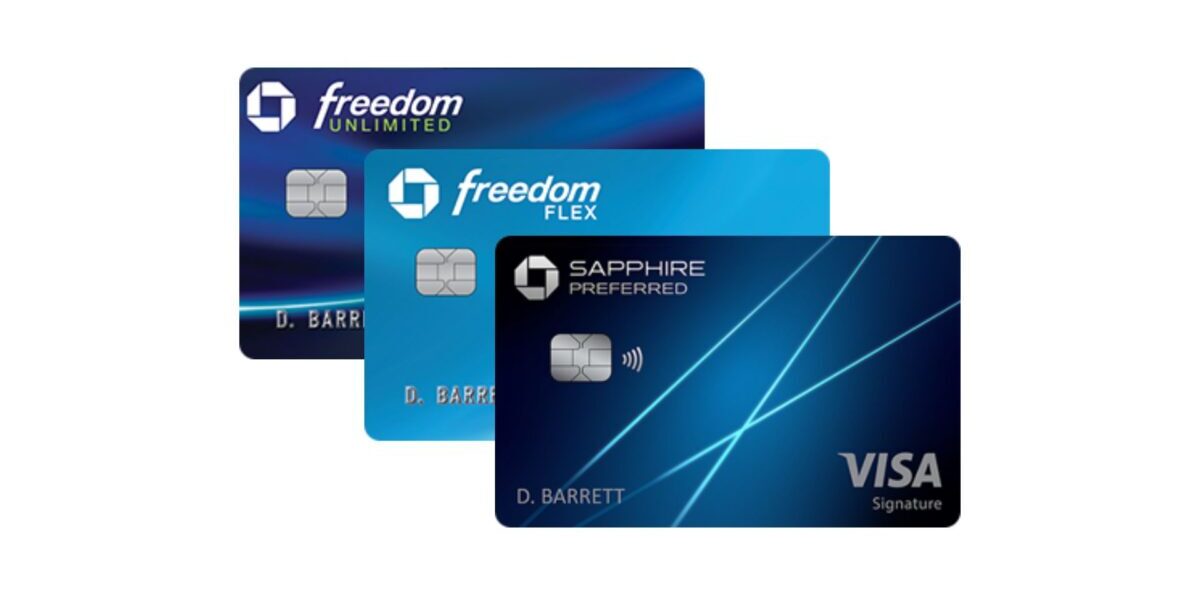
The decision to apply for a Chase credit card often stems from their compelling value propositions. One of the primary draws is their rewards programs. Chase offers some of the industry’s most lucrative rewards points, particularly through their Ultimate Rewards program. These points are highly flexible and can be redeemed for travel, cash back, gift cards, or transferred to airline and hotel loyalty programs at a 1:1 ratio, often yielding superior value. For frequent travelers, cards like the Chase Sapphire Preferred® and Chase Sapphire Reserve® are often considered benchmarks for their travel benefits, including trip insurance, primary car rental insurance, and exclusive travel portal access.
Beyond rewards, Chase cards come with a suite of consumer protections and benefits. These can include purchase protection, extended warranty protection, return protection, and even cell phone protection on select cards. Such features provide an added layer of security and value for everyday spending. Furthermore, Chase is known for its customer service and extensive ATM and branch network, providing accessibility and support whenever needed. The digital banking experience, including the Chase mobile app and online portal, is also highly rated, allowing for easy account management, payment scheduling, and rewards tracking.
Exploring Chase’s Credit Card Ecosystem
Chase’s credit card portfolio is remarkably broad, ensuring there’s likely a card to fit nearly every financial profile and spending habit. Categorizing these helps in identifying the best fit:
- Travel Rewards Cards: These are designed for individuals who spend significantly on travel and dining. Examples include the Chase Sapphire Preferred® and Chase Sapphire Reserve®, which offer accelerated points on travel and dining, extensive travel benefits, and valuable sign-up bonuses. The Ink Business Preferred® Credit Card also offers strong travel rewards for business owners.
- Cash Back Cards: For those who prefer direct cash back without the complexities of points redemption, Chase offers several compelling options. The Chase Freedom Flex℠ and Chase Freedom Unlimited® are popular choices, providing rotating bonus categories or flat-rate cash back on all purchases, respectively. The Ink Business Cash® Credit Card also offers strong cash back in specific business categories.
- Business Credit Cards: Chase is a leader in the small business credit card market, offering products like the Ink Business Preferred®, Ink Business Cash®, and Ink Business Unlimited® Credit Cards. These cards provide tailored rewards structures and features beneficial for business expenses, helping entrepreneurs manage cash flow and earn rewards on operational costs.
- Co-Branded Cards: Chase partners with numerous airlines, hotels, and retailers to offer co-branded cards. These include popular options from Southwest Airlines, United Airlines, Marriott Bonvoy, Hyatt, and Amazon, among others. These cards typically offer loyalty program status, free nights/flights, and accelerated rewards within their respective brands, making them ideal for loyal customers of those brands.
- Secured Credit Cards: For individuals looking to build or rebuild credit, Chase has offered secured credit cards in the past, though their current primary focus is on unsecured options. A secured card requires a deposit, which often acts as the credit limit, and can be a valuable tool for demonstrating responsible credit behavior.
Understanding these categories allows prospective applicants to narrow down their options and select a card that genuinely aligns with their spending patterns, financial goals, and existing credit profile.
Preparing for Your Chase Credit Card Application
Successfully obtaining a Chase credit card is largely dependent on meticulous preparation. This involves a thorough assessment of your financial standing, understanding Chase’s specific eligibility criteria, and having all necessary documentation at hand.
Assessing Your Creditworthiness
The cornerstone of any credit card application is your creditworthiness. Chase, like all lenders, uses your credit history to gauge the risk associated with lending you money.
The key components include:
- Credit Score: While Chase doesn’t publicly state a minimum credit score, premium travel cards like the Sapphire series generally require a “good” to “excellent” credit score, typically 700 or above on the FICO scale. Cash back and other cards might be accessible with slightly lower scores, but a stronger score always increases your chances.
- Credit History Length and Depth: Lenders prefer to see a history of responsible credit use over several years. A mix of credit accounts (e.g., credit cards, installment loans) and a long average age of accounts demonstrate stability.
- Payment History: This is perhaps the most critical factor. A history of on-time payments across all your credit accounts is paramount. Late payments, collections, or bankruptcies will significantly hinder your application.
- Credit Utilization Ratio: This measures how much of your available credit you are using. Lenders prefer to see a low utilization ratio, generally below 30% (e.g., if you have $10,000 in credit limits, you should ideally owe no more than $3,000). A high utilization ratio suggests you might be over-reliant on credit.
- Debt-to-Income (DTI) Ratio: While not always a direct factor for credit cards, lenders consider your DTI to assess your ability to manage additional debt. A lower DTI indicates you have more disposable income to cover new payments.
Before applying, obtain your free credit reports from AnnualCreditReport.com and review them for inaccuracies. Disputing errors can improve your score. Additionally, check your FICO score through various free services offered by banks or credit card companies.
Key Eligibility Requirements
Beyond creditworthiness, Chase has specific requirements that all applicants must meet:
- Age: You must be at least 18 years old (21 in Puerto Rico) to apply for a credit card.
- Residency: You must be a U.S. citizen or a permanent resident with a Social Security Number (SSN) or Individual Taxpayer Identification Number (ITIN).
- Income: You must have a verifiable source of income sufficient to meet minimum payment obligations. Chase considers various income sources, including employment income, self-employment income, retirement benefits, and even verifiable income from a spouse or partner if you have reasonable access to it.
- The 5/24 Rule: This is perhaps the most famous and stringent Chase-specific rule. If you have opened 5 or more personal credit card accounts across any issuer within the last 24 months, Chase will likely deny your application for most of their desirable credit cards. This rule applies to personal cards only (authorized user accounts and most business cards typically don’t count, though there are nuances). Understanding and adhering to the 5/24 rule is critical for anyone targeting Chase credit cards, especially their premium offerings.
Gathering Necessary Documentation
Even for online applications, having key information readily available will streamline the process:
- Personal Identification: Your full legal name, date of birth, Social Security Number (SSN), and a valid government-issued ID (like a driver’s license or state ID card number).
- Contact Information: Current residential address, phone number, and email address.
- Income Verification: Your total annual gross income from all sources. While Chase generally trusts self-reported income for initial applications, they may request proof (pay stubs, tax returns) for reconsideration or audit purposes.
- Employment Information: Your employer’s name and phone number (if applicable).
- Bank Account Information: While not always required for the application itself, having your bank account details ready makes it easy to set up automatic payments once approved.
Having these details on hand ensures a smooth and efficient application submission, minimizing the chances of delays or requests for further information.
Navigating the Chase Application Process
Once you’ve meticulously prepared, the actual application process is relatively straightforward. Chase offers multiple avenues for submission, each with its own advantages.
Online vs. In-Branch Application
- Online Application: This is by far the most common and convenient method. Chase’s website is user-friendly, and the application forms are intuitive. The primary advantages include speed and accessibility – you can apply anytime, anywhere. Many approvals are instant, providing immediate gratification. For most applicants, especially those comfortable with digital processes, the online route is preferred.
- In-Branch Application: While less common for many, applying in a Chase branch can be beneficial for specific scenarios. If you have an existing banking relationship with Chase, a banker might be able to offer personalized advice or assist with the application. For those who prefer face-to-face interaction or have questions that aren’t easily answered online, an in-branch visit can be helpful. However, instant approvals are less common in-branch, and the process can sometimes take longer than an online submission.
Step-by-Step Online Application Guide
- Select Your Card: Based on your research and financial goals, choose the Chase credit card that best suits you.
- Access the Application: Navigate to the specific card’s page on the Chase website and click the “Apply Now” button.
- Provide Personal Information: Fill in your full name, date of birth, SSN, primary address, and contact details.
- Enter Financial Information: Provide your total annual gross income, employment status, and details if applicable. Indicate your monthly housing payment.
- Review and Consent: Carefully review all the information you’ve entered for accuracy. Read and agree to the terms and conditions, including the cardmember agreement and privacy policy.
- Submit Application: Click the “Submit” button.
Understanding the Application Decision Timeline
Upon submission, one of three outcomes is generally expected:
- Instant Approval: Many applicants with strong credit profiles and who meet all eligibility criteria receive an instant approval decision. You’ll typically see a message confirming approval and details about when your card will arrive.
- Pending Decision: If Chase needs more time to review your application, it will go into pending status. This is common if there’s a need to verify income, identity, or if your credit profile requires a deeper dive. You might receive an email or letter requesting additional information, or you may need to call their reconsideration line.
- Denial: If your application is denied, Chase is legally required to send you an Adverse Action Notice detailing the reasons for the denial. This notice is crucial for understanding what areas you need to improve for future applications.
What to Do After Applying: Approval, Reconsideration, or Denial
The period immediately following an application submission is critical, regardless of the initial outcome. Knowing how to react can significantly impact your access to a Chase credit card.
Congratulations: Activating and Using Your New Card
If approved, congratulations! The next steps are straightforward:
- Receive Your Card: Your new card will typically arrive within 7-10 business days via mail.
- Activate Your Card: Once received, activate it immediately, either online through your Chase account or by calling the number provided with the card.
- Set Up Online Account Access: If you don’t already have one, create an online account with Chase. This allows you to manage your card, view transactions, track rewards, and set up automatic payments.
- Understand Your Cardmember Agreement: Familiarize yourself with the card’s terms and conditions, including interest rates, fees, payment due dates, and specific rewards structures.
- Set Up Automatic Payments: To avoid late fees and maintain a positive credit history, set up automatic payments for at least the minimum due, or preferably the full statement balance, each month.
Navigating a Pending Decision: The Reconsideration Line
A pending decision is not a denial. It’s an invitation to provide more context. Chase has a dedicated reconsideration line, which can be invaluable.
- How to Call: Search for “Chase credit card reconsideration line” to find the correct phone number (often 1-888-270-2127 for personal cards).
- What to Say: Be polite and prepared. Explain why you want the specific card (e.g., “I travel frequently and the Sapphire Preferred’s benefits align perfectly with my spending”), highlight positive aspects of your credit profile (e.g., long history with other banks, low utilization), and address any potential concerns (e.g., explain a recent hard inquiry or a minor dip in income). If you have other Chase accounts, mention your loyalty. The goal is to convince the analyst that you are a responsible borrower.
- Be Patient and Persistent: It may take a few calls, and not all analysts will yield the same results. If initially unsuccessful, try again with a different representative after a day or two.
If Denied: Understanding the Reasons and Improving Your Chances
A denial can be discouraging, but it’s an opportunity for improvement.
- Review the Adverse Action Notice: Chase will send you a letter detailing the specific reasons for denial (e.g., “too many recent inquiries,” “credit score too low,” “high credit utilization”).
- Check Your Credit Report: Use the denial as a prompt to pull your full credit reports from all three bureaus (Equifax, Experian, TransUnion) via AnnualCreditReport.com. Look for discrepancies or errors that might have contributed to the denial. Dispute any inaccuracies.
- Address the Stated Reasons:
- High Credit Utilization: Focus on paying down existing credit card balances to reduce your utilization ratio.
- Too Many Recent Inquiries/Accounts (5/24 Rule): If denied due to the 5/24 rule, you simply need to wait until you fall under the threshold. If it’s general inquiries, refrain from applying for new credit for a few months.
- Limited Credit History: Consider opening a secured credit card or becoming an authorized user on a trusted family member’s card to build your history.
- Low Credit Score: Focus on consistent on-time payments, reducing debt, and maintaining low utilization to gradually improve your score.
- Reapply in the Future: Once you’ve addressed the reasons for denial and seen improvements in your credit profile, you can reapply. Give it at least 6-12 months for significant changes to reflect and positively impact your next application.
Maximizing the Value of Your Chase Credit Card
Securing a Chase credit card is just the beginning. The real financial benefit comes from responsible management and strategic utilization of its features.
Responsible Credit Card Management
The cardinal rules of credit card management are paramount for maintaining good credit and avoiding unnecessary costs:
- Pay on Time, Every Time: Always pay your statement balance by the due date. Missing payments incurs late fees and, more importantly, severely damages your credit score. Set up automatic payments to avoid forgetting.
- Pay in Full (If Possible): To avoid interest charges, always aim to pay your entire statement balance each month. Credit card interest rates can be high, eroding the value of any rewards earned.
- Keep Utilization Low: As discussed, maintaining a credit utilization ratio below 30% is ideal for your credit score. Even if you pay in full, if your statement closes with a high balance, it can temporarily affect your score. Consider making a payment before your statement closes to report a lower balance.
- Monitor Your Account: Regularly check your online account for any unauthorized transactions or fraudulent activity. Promptly report any suspicious charges to Chase.
Leveraging Rewards and Benefits
Understanding and actively utilizing your card’s rewards and benefits can significantly enhance its value:
- Understand Rewards Structure: Know which categories earn accelerated points or cash back. Strategically use your Chase card for purchases in those categories.
- Utilize Travel Portal: If you have a Sapphire card, explore booking travel through the Chase Ultimate Rewards portal, where points are often redeemed at a higher value (e.g., 1.25 or 1.5 cents per point).
- Transfer Partners: For maximum value, especially with Ultimate Rewards, learn about Chase’s airline and hotel transfer partners. Transferring points to partners for premium redemptions (like business class flights or luxury hotel stays) can yield significantly more than 1 cent per point.
- Take Advantage of Protections: Don’t forget the purchase protection, extended warranty, and rental car insurance benefits. These can save you money and provide peace of mind.
- Card-Specific Perks: Always be aware of unique benefits your specific card offers, such as annual statement credits, lounge access, or bonus earning opportunities.

Building a Long-Term Relationship with Chase
A positive relationship with Chase can unlock further financial opportunities:
- Consider Additional Products: After demonstrating responsible use of your first Chase card, you might be eligible for other Chase credit cards or banking products, allowing you to diversify your rewards strategy or consolidate your banking.
- Product Changes/Upgrades: In some cases, after holding a card for a certain period, you might be able to request a product change or upgrade to a different Chase card that better suits your evolving financial needs, without a new hard inquiry.
- Credit Limit Increases: Periodically, Chase might offer automatic credit limit increases if you consistently demonstrate responsible usage. You can also request one, though this might involve a soft or hard inquiry depending on the circumstances.
Obtaining a Chase credit card is a strategic financial move that, when approached thoughtfully and managed responsibly, can provide substantial benefits. By understanding the eligibility criteria, preparing thoroughly, navigating the application process effectively, and actively maximizing the card’s features, individuals can successfully integrate a Chase credit card into their personal finance strategy and unlock a world of rewards and financial flexibility.
aViewFromTheCave is a participant in the Amazon Services LLC Associates Program, an affiliate advertising program designed to provide a means for sites to earn advertising fees by advertising and linking to Amazon.com. Amazon, the Amazon logo, AmazonSupply, and the AmazonSupply logo are trademarks of Amazon.com, Inc. or its affiliates. As an Amazon Associate we earn affiliate commissions from qualifying purchases.