
The digital transformation has reshaped how consumers manage their finances and pay for essential services, extending even to specialized credit products like Care Credit. Designed specifically for health and wellness expenses, Care Credit has evolved beyond simple in-office transactions to offer a robust online utility, providing cardholders with flexibility and convenience. Understanding the breadth of its online acceptance is crucial for effectively leveraging this financial tool to manage healthcare costs. This involves identifying participating providers, understanding the various service categories that accept online payments, and knowing how to confirm eligibility before a transaction.
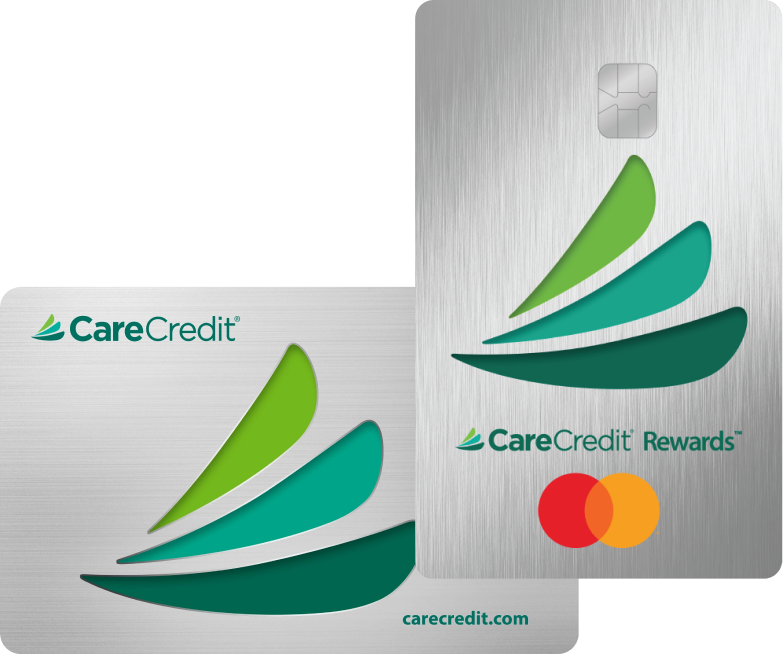
Understanding Care Credit’s Digital Reach
Care Credit functions as a dedicated healthcare credit card, offering promotional financing options for various medical, dental, veterinary, and wellness services. Its primary appeal lies in enabling consumers to pay for out-of-pocket healthcare expenses over time, often with deferred interest plans, which can be a significant advantage when facing unexpected or large bills. The transition to robust online functionality reflects a broader trend in personal finance, where digital access and convenience are paramount.
What is Care Credit and How Does it Work Online?
At its core, Care Credit is a revolving line of credit issued by Synchrony Bank. It is not a general-purpose credit card but is instead accepted by a network of enrolled healthcare providers. When used online, the process is largely similar to using a standard credit card for an e-commerce purchase. Cardholders enter their Care Credit card details (card number, expiration date, security code) into a provider’s secure online payment portal or through a third-party payment gateway that accepts Care Credit. The transaction is then processed, and if approved, the payment is applied to the patient’s account with the provider. The key distinction is that the merchant must be a participating Care Credit provider to accept the card. Online usage expands its utility, allowing patients to make payments for services, order prescriptions from online pharmacies, or even secure deposits for procedures without needing to physically visit the provider’s office. This digital integration empowers cardholders to manage their healthcare finances from anywhere, at any time.
The Evolution of Digital Payments in Healthcare
The shift towards digital payments in healthcare has been driven by several factors, including patient demand for convenience, the increasing adoption of electronic health records (EHRs) and patient portals, and the overall digitization of financial services. For consumers, the ability to pay healthcare bills online simplifies financial management, reduces paperwork, and offers greater transparency. For healthcare providers, offering online payment options can improve cash flow, reduce administrative burdens, and enhance the patient experience. Care Credit’s robust online presence is a direct response to this evolution, positioning itself as a flexible financial tool within this digital ecosystem. It allows providers to offer financing solutions seamlessly through their online platforms, making it easier for patients to access and pay for necessary care, from routine check-ups to specialized treatments.
Navigating Online Acceptance: Key Categories and Merchants
While Care Credit is widely accepted across various healthcare sectors, its online utility is dependent on individual providers and their chosen payment processing systems. However, several broad categories commonly facilitate online Care Credit payments, enabling cardholders to manage a diverse range of health and wellness expenditures digitally.
Veterinary Services Online
Pet care is a significant expense for many households, and Care Credit plays a crucial role in managing these costs. Online acceptance for veterinary services extends to several areas. Many veterinary clinics and animal hospitals now offer secure online payment portals on their websites, allowing owners to pay outstanding balances, deposit for scheduled procedures, or even pay for subscription wellness plans. Furthermore, a growing number of online pet pharmacies and veterinary product suppliers that are part of the Care Credit network may accept the card for prescription medications, specialized diets, and other pet health products. Always look for the Care Credit logo during the checkout process on these platforms.
Dental Care and Orthodontics
Dental health is one of the most common applications for Care Credit. Online payments for dental care can be made through a variety of channels. Many dental practices, from general dentistry to orthodontics, periodontics, and oral surgery, provide secure patient portals where individuals can log in to view their statements and make payments using Care Credit. This includes payments for routine cleanings, fillings, cosmetic procedures like veneers, and orthodontic treatments such as braces or aligners. Some dental product retailers or specialized labs that work directly with consumers for certain services (e.g., custom night guards ordered through a dental professional) might also accept online Care Credit payments if they are part of the network.
Vision and Hearing Services
Vision and hearing care expenses, including prescription eyeglasses, contact lenses, eye surgery (like LASIK), hearing aids, and audiology services, are also frequently financed with Care Credit. Online optical stores and practices with e-commerce components that are enrolled Care Credit providers may accept the card for purchasing glasses, contact lenses, or accessories. Similarly, some hearing aid retailers or audiology clinics with an online presence allow for Care Credit payments for devices or related services. The convenience of ordering replacements or making payments from home streamlines the process for those with ongoing vision or hearing needs.
Cosmetic and Dermatological Procedures
Cosmetic procedures, whether surgical or non-surgical, and various dermatological treatments often represent significant out-of-pocket expenses. Med spas, plastic surgery clinics, and dermatology offices frequently offer online payment options, including Care Credit, for consultations, deposits for procedures, or full payment for treatments like injectables, laser treatments, or advanced skincare. Given the elective nature and higher costs associated with many of these services, online payment flexibility, particularly with promotional financing options, is highly valued by patients.
Other Specialized Healthcare Providers
Beyond these core areas, Care Credit’s online acceptance extends to a broader range of specialized healthcare providers. This can include chiropractic services, podiatry clinics, fertility clinics, weight loss programs supervised by medical professionals, and even some pharmacies for specific health-related products or services. As with all online transactions, the crucial factor is whether the specific provider or online merchant is enrolled in the Care Credit network and offers Care Credit as a payment option through their digital channels. Always verify the acceptance before attempting to make a purchase.

How to Confirm Online Care Credit Acceptance
Before attempting to make an online payment with your Care Credit card, it is always prudent to confirm that the specific provider or merchant accepts it digitally. This preemptive step can save time and prevent potential transaction failures, ensuring a smooth financial experience.
Look for the Care Credit Logo
The simplest and most direct way to ascertain online acceptance is to look for the Care Credit logo on the provider’s website. This logo is typically displayed prominently on their homepage, on a dedicated “payments” or “financing” page, or within the checkout process itself. If a provider accepts Care Credit in their physical location, it is a strong indicator they may also accept it online, but visual confirmation on their digital platform is the most reliable sign. During the online checkout, look for Care Credit as one of the explicit payment options alongside traditional credit cards (Visa, MasterCard, etc.).
Contact the Provider Directly
If you cannot find clear indications on a provider’s website, the most definitive way to confirm online acceptance is to contact them directly. A quick phone call to their billing or administrative department can provide precise information regarding their online payment capabilities and whether Care Credit is an accepted method. This is particularly useful for smaller practices or specialized clinics that might not have highly sophisticated websites but still process payments through a secure gateway. They can also clarify any specific terms or conditions related to online payments using Care Credit.
Check Care Credit’s Provider Locator
Care Credit maintains an official “Provider Locator” tool on its website. This comprehensive directory allows cardholders to search for participating healthcare providers by specialty, location, and even whether they offer specific financing options. While the locator primarily helps find physical locations, many listed providers will also indicate their online payment capabilities or at least confirm their general participation, which can then be cross-referenced with their website. It is an invaluable resource for identifying potential merchants who accept Care Credit, both in-person and potentially online.
Understand Payment Gateways
When making an online payment, you are often interacting with a payment gateway (e.g., PayPal, Stripe, Square, or a proprietary patient portal). It’s important to differentiate between the payment gateway itself and the underlying payment methods it accepts. While a provider might use a common gateway, that doesn’t automatically mean Care Credit is an option through it. The provider explicitly needs to have Care Credit configured as an accepted payment method within that gateway. Always proceed to the actual payment page to see the final list of accepted cards and look specifically for Care Credit. If Care Credit is listed, you can proceed with confidence.
Maximizing Your Care Credit Online Experience
Leveraging Care Credit online effectively involves not only knowing where to use it but also understanding best practices for secure transactions, account management, and smart financial planning. These elements combine to ensure a positive and financially responsible experience.
Secure Online Transactions
When using Care Credit online, always prioritize security. Ensure that the website you are using is legitimate and has a secure connection (indicated by “https://” in the URL and a padlock icon in the browser bar). Avoid making payments over unsecured Wi-Fi networks. Be wary of phishing attempts or suspicious emails claiming to be from your provider or Care Credit requesting personal financial information. Use strong, unique passwords for any patient portals or payment accounts. Regularly review your Care Credit statements for any unauthorized transactions, just as you would with any other credit card. Protecting your financial information online is paramount to preventing fraud and maintaining financial well-being.
Managing Your Account Online
Care Credit offers a dedicated online portal for cardholders to manage their accounts. This portal is an essential tool for maximizing your online experience. Through it, you can:
- View Statements: Access your monthly statements digitally, track your spending, and review transaction history.
- Make Payments: Schedule and make payments to your Care Credit account directly from your bank account, ensuring you never miss a due date.
- Check Balances: Monitor your current balance and available credit, helping you plan for future healthcare expenses.
- Update Information: Manage your personal details, contact information, and communication preferences.
- Review Promotional Offers: Understand the terms of any promotional financing plans you have utilized, including interest rates and repayment schedules.
Proactive online account management helps you stay on top of your financial obligations and leverage Care Credit’s benefits effectively.
Understanding Promotional Offers and Interest
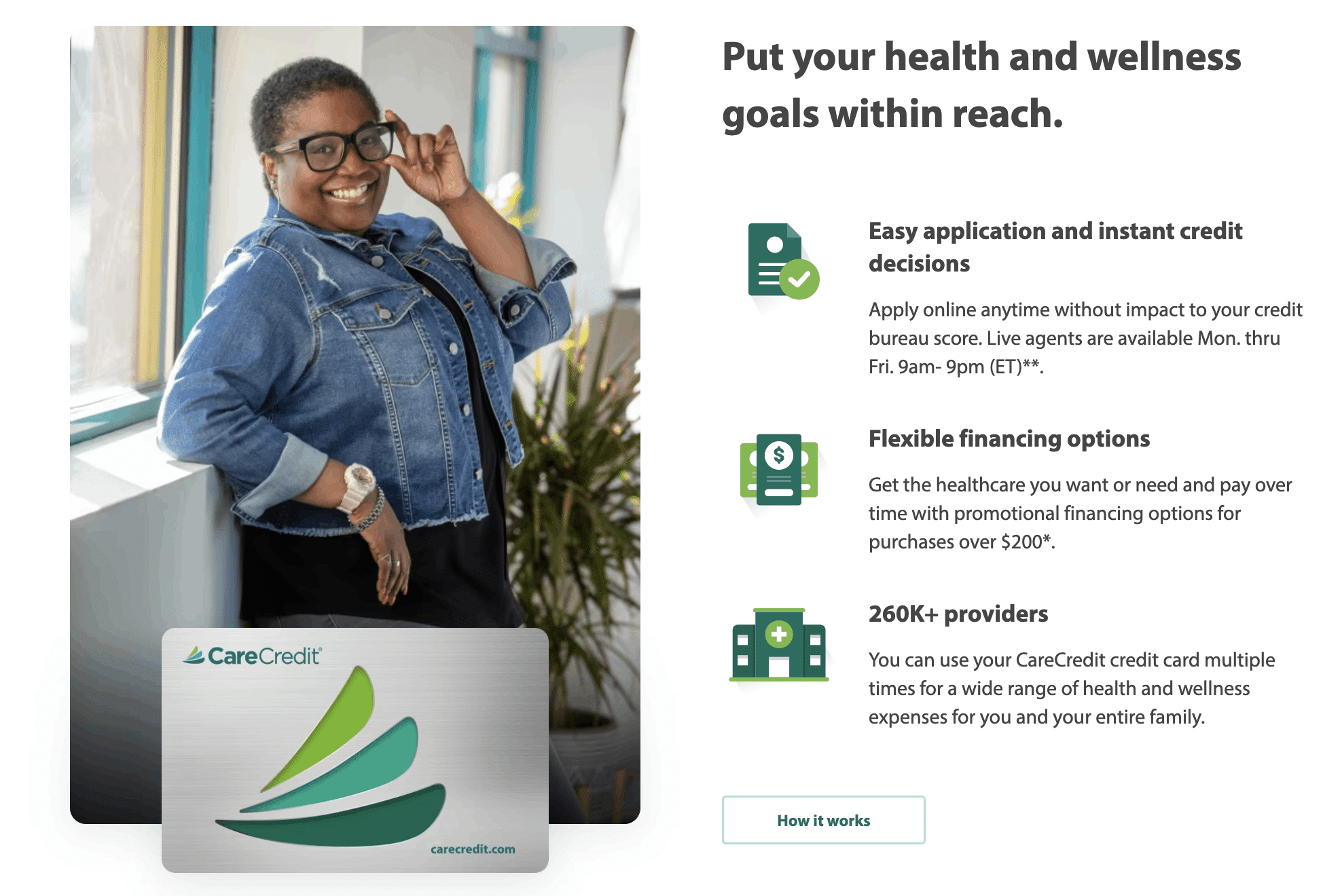
One of the primary benefits of Care Credit is its promotional financing options, which often include deferred interest periods (e.g., 6, 12, 18, or 24 months). It is critical to understand the specific terms of these offers, especially when making online purchases. If the balance is not paid in full by the end of the promotional period, interest can be charged from the original purchase date, which can significantly increase the total cost. Always verify the promotional terms with your provider or Care Credit directly before making a purchase. When using Care Credit online, ensure that the transaction qualifies for the desired promotional offer and that you have a clear plan to repay the balance within the interest-free window to avoid accruing deferred interest charges.
Budgeting for Healthcare Expenses
Integrating Care Credit into your broader personal financial strategy involves thoughtful budgeting for healthcare expenses. While Care Credit offers flexibility, it is still a form of debt. Use it strategically for planned procedures or unexpected emergencies where immediate cash payment isn’t feasible. Consider establishing a dedicated healthcare savings account (HSA or FSA if eligible) to complement your Care Credit usage. By combining smart savings with responsible credit utilization, you can effectively manage healthcare costs without overburdening your finances. Remember that online access to Care Credit makes it easier to track and pay down balances, which is crucial for maintaining good financial health and taking advantage of the promotional offers without incurring unnecessary interest.
aViewFromTheCave is a participant in the Amazon Services LLC Associates Program, an affiliate advertising program designed to provide a means for sites to earn advertising fees by advertising and linking to Amazon.com. Amazon, the Amazon logo, AmazonSupply, and the AmazonSupply logo are trademarks of Amazon.com, Inc. or its affiliates. As an Amazon Associate we earn affiliate commissions from qualifying purchases.