
In an era where healthcare costs continue to climb, finding accessible and manageable ways to finance medical and wellness expenses has become a pressing concern for many. Amidst a landscape of insurance plans, personal loans, and traditional credit cards, a specialized financial tool known as the CareCredit card emerges as a distinct solution. But what exactly is a CareCredit card, and how does it fit into the broader spectrum of personal finance and healthcare management?
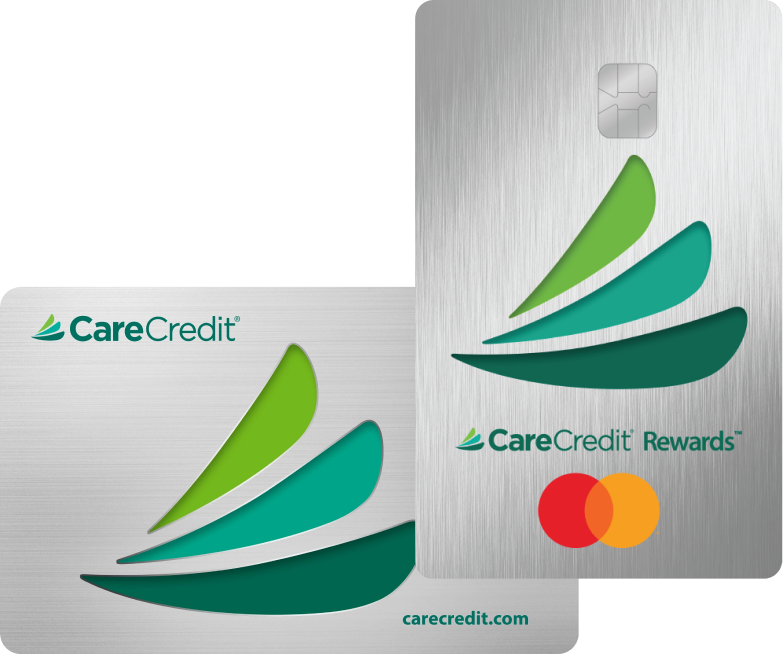
At its core, a CareCredit card is a dedicated healthcare credit card designed to help individuals pay for out-of-pocket medical expenses not typically covered by standard insurance. Unlike a general-purpose credit card, its utility is confined to a specific network of healthcare providers and services. This singular focus allows it to offer unique financing options, often featuring promotional periods with deferred interest, making it an intriguing, albeit complex, instrument in personal financial planning for health. Understanding its nuances is crucial for anyone considering this path to managing their health-related expenditures.
Understanding the Core Concept
To fully grasp the utility and implications of a CareCredit card, it’s essential to dissect its fundamental nature, distinguish it from other financial products, and identify its target demographic. This foundational understanding lays the groundwork for making informed financial decisions regarding healthcare.
Definition and Primary Purpose
A CareCredit card is a proprietary credit card issued by Synchrony Bank, exclusively for health, wellness, and beauty expenses. Its primary purpose is to provide a financing solution for medical procedures, treatments, and products that might not be fully covered by health insurance, or for which a patient might not have immediate funds. This can range from elective cosmetic surgery, dental work, vision care, and hearing aids to veterinary services for pets. The card functions like a traditional credit card in terms of a credit limit, minimum monthly payments, and interest accrual, but its acceptance is limited to the CareCredit network of providers. This specialization is key to its unique offerings, particularly its promotional financing plans.
How it Differs from Regular Credit Cards
While both are credit cards, the distinctions between a CareCredit card and a regular credit card are significant. A standard credit card offers broad acceptance across various merchants, from groceries and fuel to online shopping and travel. It typically has a fixed annual percentage rate (APR) or a variable rate that applies immediately to any balance carried over.
A CareCredit card, by contrast, is a restricted-use card. Its most significant differentiator lies in its promotional financing options. Many purchases made with CareCredit can qualify for special financing periods – often 6, 12, 18, or 24 months – during which no interest is charged if the full balance is paid off by the end of the promotional period. This “deferred interest” feature is a double-edged sword: highly beneficial if managed correctly, but potentially costly if not. Regular credit cards rarely offer such extensive deferred interest promotions for a wide range of purchases, making CareCredit a specialized tool for specific financial needs in healthcare.
Who is it Designed For?
The CareCredit card is primarily designed for individuals and families facing out-of-pocket healthcare expenses that are either unforeseen or planned but not immediately affordable. This includes patients with high-deductible health plans, those seeking elective procedures not covered by insurance, or pet owners needing to finance veterinary care. It targets consumers who need flexibility in payment terms for substantial medical bills and are confident in their ability to repay the financed amount within a promotional period to avoid interest. It’s also appealing to healthcare providers as it offers a convenient payment solution for their patients, potentially increasing patient access to necessary or desired services.
Key Features and Benefits
The unique structure of the CareCredit card provides several features and benefits that set it apart as a financial tool, particularly for managing healthcare costs. These advantages, when utilized judiciously, can offer considerable relief and flexibility.
Specialized Financing Options
The most compelling feature of a CareCredit card is its array of specialized financing options. These typically fall into two main categories:
- No Interest if Paid in Full Promotional Periods: For purchases over a certain amount, CareCredit often offers promotional periods (e.g., 6, 12, 18, or 24 months) during which no interest is charged. However, this is deferred interest. If the full promotional balance is not paid by the end of the term, interest is retroactively applied from the original purchase date at a very high APR.
- Reduced APR Fixed Monthly Payment Plans: For larger, longer-term needs, some providers offer extended financing plans with a reduced fixed APR (lower than the standard APR) and fixed monthly payments for periods like 24, 36, 48, or 60 months. This option ensures a predictable payment schedule and avoids the retroactive interest trap, but interest is charged from day one.
These options provide significant flexibility, allowing individuals to spread out the cost of significant healthcare expenses without immediate financial strain.
Extensive Network of Providers
CareCredit boasts an extensive network of enrolled healthcare providers across various specialties. This vast acceptance network is a significant advantage, as it means patients are likely to find a participating provider for a wide range of services, including:
- Dental Care: Routine check-ups, fillings, crowns, orthodontics, cosmetic dentistry.
- Vision Care: Eye exams, glasses, contact lenses, LASIK surgery.
- Veterinary Care: Pet check-ups, emergency treatments, surgeries, medications.
- Cosmetic Procedures: Plastic surgery, dermatological treatments, injectables.
- Hearing Care: Hearing tests, hearing aids.
- Other Medical Specialties: Some primary care, urgent care, and specialist services.
This wide reach makes it a versatile tool for managing diverse health and wellness needs for both humans and pets.
Managing Healthcare Costs Effectively
For individuals who can manage their finances strategically, a CareCredit card can be an effective tool for managing healthcare costs. By utilizing the no-interest promotional periods, patients can receive immediate care without incurring additional charges, provided they commit to and successfully execute a repayment plan within the promotional window. This effectively acts as a short-term, interest-free loan, which can be invaluable when facing unexpected medical bills or planning for elective procedures without dipping into emergency savings or incurring high interest on general credit cards. It allows for proactive healthcare management, ensuring access to necessary services without delay due to upfront cost concerns.
Streamlined Application Process
The application process for a CareCredit card is typically streamlined and can often be completed quickly online or at a participating provider’s office. Applicants usually receive an instant credit decision, which means they can often apply for the card and use it on the same day for their healthcare needs. This immediacy is particularly beneficial in urgent situations or when a patient decides on a treatment plan on the spot and needs an immediate financing solution. The ease of access contributes to its appeal as a practical financial tool in healthcare settings.
Potential Drawbacks and Considerations
While the CareCredit card offers distinct advantages, it is imperative to understand its potential pitfalls. Mismanagement or a lack of awareness regarding its terms can lead to significant financial burdens, turning a seemingly beneficial tool into a costly liability.
The Pitfalls of Deferred Interest
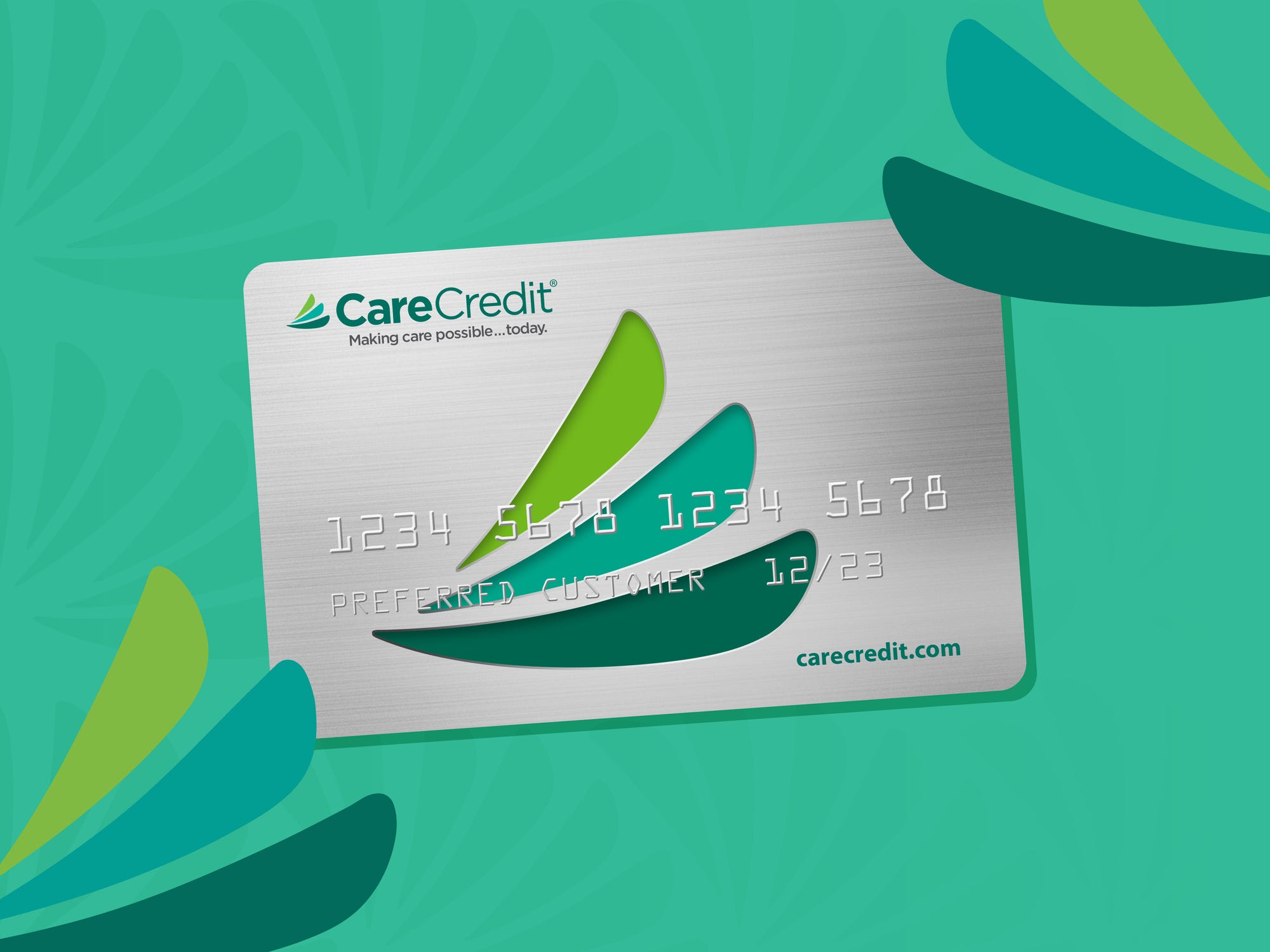
The most significant risk associated with CareCredit’s popular “no interest if paid in full” promotional financing is the deferred interest clause. If the entire promotional balance is not paid off by the end of the specified period, interest is charged on the original full purchase amount from the date of purchase. This retroactive interest can accumulate rapidly, as the APR for CareCredit is typically very high (often in the range of 26-30%). A small remaining balance can trigger a substantial interest charge, easily negating any perceived savings from the promotional period. Consumers must be highly disciplined and have a clear repayment strategy to avoid this expensive trap.
High APR After Promotional Periods
Should a balance remain after a promotional period, or if a purchase doesn’t qualify for special financing, the standard purchase APR for CareCredit is applied. As mentioned, this APR is generally very high, often higher than that of many general-purpose credit cards for individuals with good credit. Carrying a balance at such a high interest rate can make repayment challenging and significantly increase the total cost of healthcare services over time. It underlines the importance of treating CareCredit as a short-term financing solution rather than a long-term borrowing option.
Impact on Credit Score
Like any credit card, a CareCredit card can impact an individual’s credit score, both positively and negatively.
- Positive Impact: Responsible use, such as making timely payments and paying off balances as agreed, can help build a positive credit history.
- Negative Impact: Missing payments, carrying high balances relative to the credit limit (high credit utilization), or having the account go into default can severely damage credit scores. The application itself, which involves a hard inquiry, can also cause a temporary dip in the score. Given the high APR, defaulting on payments can lead to a quick escalation of debt and more significant negative credit implications.
Limited to Specific Healthcare Services
While the network of providers is extensive, the CareCredit card is strictly limited to healthcare, wellness, and beauty services within its network. It cannot be used for everyday expenses like groceries, utility bills, or general retail purchases. This lack of versatility means it should not be considered a substitute for an emergency fund or a general-purpose credit card for broader financial needs. Its specialized nature, while a benefit in its niche, is a limitation for overall financial management.
Applying for and Using CareCredit
For those considering a CareCredit card, understanding the application process, eligibility, and best practices for its use is vital for maximizing its benefits while mitigating risks.
Eligibility Requirements
The eligibility requirements for a CareCredit card are similar to those for other credit cards. Applicants typically need to:
- Be at least 18 years old.
- Have a valid government-issued photo ID.
- Possess a Social Security Number or Tax Identification Number.
- Have a verifiable income.
- Meet specific creditworthiness criteria set by Synchrony Bank.
Credit score plays a significant role in approval and the assigned credit limit. While it’s possible to be approved with fair credit, a higher credit score generally leads to better terms and a more substantial credit limit.
The Application Process Explained
The application process is straightforward:
- Online Application: The quickest way is often through the CareCredit website. The application typically takes a few minutes to complete.
- In-Office Application: Many participating healthcare providers can assist patients with applying on-site.
- Required Information: Applicants will need to provide personal details such as name, address, date of birth, income, and employment information.
- Instant Decision: In most cases, applicants receive an instant credit decision, allowing them to use the card immediately if approved.
It’s advisable to apply for the specific amount you anticipate needing, as requesting a credit limit that is too high relative to your income or credit profile might lead to rejection or a lower approved limit.
Making Smart Decisions with Your Card
Responsible use is paramount when utilizing a CareCredit card:
- Understand Terms: Before making a purchase, always confirm the specific financing terms offered by your provider and understand the deferred interest rules.
- Budget for Repayment: Create a strict budget and repayment plan to ensure the full promotional balance is paid off before the promotional period ends. Consider setting up automatic payments to avoid missing deadlines.
- Monitor Account: Regularly check your account statements to track your balance and payment progress.
- Avoid Unnecessary Purchases: Use the card only for essential or planned healthcare expenses where the promotional financing genuinely benefits you.
By adhering to these practices, you can leverage the card’s benefits without falling prey to high-interest charges.
Payment Options and Account Management
CareCredit offers several convenient payment options:
- Online Payments: Through the CareCredit website or mobile app.
- Automatic Payments: Set up recurring payments from your bank account.
- Phone Payments: By calling customer service.
- Mail Payments: Sending a check or money order.
Managing your account online allows you to view statements, track promotional periods, and make payments, providing full control over your financial obligations.
Is a CareCredit Card Right for You?
The decision to apply for a CareCredit card should be carefully considered within the context of your overall financial health and specific healthcare needs. It’s a powerful tool but one that requires discipline and a clear understanding of its mechanics.
Weighing the Pros and Cons
Pros:
- Provides access to necessary medical, dental, vision, and veterinary care without upfront payment.
- Offers promotional no-interest financing periods, effectively interest-free loans if paid on time.
- Extensive network of participating providers.
- Quick and easy application process with instant decisions.
Cons:
- High deferred interest that can be retroactively applied if promotional balance isn’t paid in full.
- Very high standard APR for non-promotional purchases or balances carried past promotional periods.
- Can negatively impact credit score if not managed responsibly.
- Limited to specific healthcare services; not a general-purpose credit card.
- May encourage elective procedures that could be financially burdensome.
Alternatives to Consider
Before opting for CareCredit, explore other financial alternatives:
- Payment Plans with Providers: Many healthcare providers offer their own in-house payment plans, sometimes with no interest or lower fees.
- Personal Loans: A personal loan from a bank or credit union might offer a lower, fixed interest rate and a predictable repayment schedule, without the deferred interest trap.
- Medical Bill Negotiation: For large, unexpected bills, try negotiating with the provider for a discount or a more manageable payment schedule.
- Health Savings Accounts (HSAs) or Flexible Spending Accounts (FSAs): These tax-advantaged accounts allow you to save and pay for qualified medical expenses with pre-tax dollars, significantly reducing your out-of-pocket costs.
- Emergency Fund: Having a robust emergency savings fund is the ideal solution for unexpected medical expenses.
- Traditional Credit Cards: For smaller expenses, a general-purpose credit card with a lower APR or a 0% introductory APR offer might be a safer option, provided you can pay it off quickly.
Financial Planning for Healthcare Expenses
Ultimately, the best approach to healthcare costs is proactive financial planning. Building an emergency fund, maximizing HSA/FSA contributions, and maintaining good credit to access favorable loan terms are foundational steps. A CareCredit card can be a valuable supplement to these strategies, particularly for planned procedures where the interest-free promotional period can be fully leveraged. However, it should never replace sound financial habits or serve as a long-term solution for ongoing, unmanageable healthcare debt. Understanding its precise function as a specialized financial tool within the broader landscape of personal finance is crucial for making smart, informed decisions that support both your health and your wealth.
aViewFromTheCave is a participant in the Amazon Services LLC Associates Program, an affiliate advertising program designed to provide a means for sites to earn advertising fees by advertising and linking to Amazon.com. Amazon, the Amazon logo, AmazonSupply, and the AmazonSupply logo are trademarks of Amazon.com, Inc. or its affiliates. As an Amazon Associate we earn affiliate commissions from qualifying purchases.