
Costco Wholesale Corporation stands as a titan in the retail landscape, a members-only warehouse club that has redefined the concept of bulk buying and value for millions worldwide. For the financially astute consumer, the question “what is in Costco?” extends far beyond a mere inventory list; it delves into a complex ecosystem of savings, strategic purchasing, and the astute management of household and business finances. This article explores Costco from a purely financial perspective, dissecting its economic model, the tangible and intangible monetary benefits it offers, and the strategies required to truly leverage a membership for optimal financial gain.

The Membership Model: An Investment in Savings
At the heart of Costco’s financial proposition is its unique membership model. Unlike traditional retailers that generate revenue primarily from product markups, Costco derives a significant portion of its profits from annual membership fees. This fundamental difference allows the company to operate on exceptionally thin margins for its products, passing substantial savings directly onto its members. The membership isn’t just a fee; it’s an investment, a prerequisite to unlock a world of discounted goods and services.
Understanding Executive vs. Gold Star Memberships
Costco offers various membership tiers, each with distinct financial implications. The basic Gold Star membership provides access to all warehouses and online shopping. However, the Executive Membership, while carrying a higher annual fee, comes with a powerful incentive: an annual 2% reward (up to $1,000) on most Costco purchases. For individuals and businesses with substantial annual spending at Costco, the Executive Membership often pays for itself, turning the fee into a de facto discount on future purchases. Calculating the break-even point for the Executive membership (typically around $3,000 in annual spending) is a crucial financial exercise for prospective members, ensuring the higher upfront cost translates into net savings. This choice is a prime example of a personal finance decision that requires careful budgeting and expenditure forecasting.
The Psychology of Paying to Save
The concept of paying an annual fee simply to be allowed to spend more money might seem counterintuitive to some. Yet, it leverages a psychological principle: commitment. Once a member has paid the fee, there’s a strong incentive to utilize the membership to “get their money’s worth.” This encourages more frequent visits and larger purchases, reinforcing the cycle of savings and spending. From a financial planning standpoint, this commitment can be a double-edged sword. While it motivates one to seek out value, it also necessitates a disciplined approach to avoid overspending in the pursuit of perceived savings. Understanding this psychological aspect is key to maintaining financial control within the Costco environment.
Beyond the Bulk: Exclusive Services and Perks
Costco’s financial value extends beyond its product aisles. Members gain access to a suite of services designed to offer additional savings. These include discounted gasoline, which can yield significant annual savings for commuters; optical and pharmacy services, often at prices well below market rates; and even travel services that offer competitive rates on vacation packages, rental cars, and hotels. Furthermore, Costco’s business services, such as credit card processing and small business health insurance, provide tangible financial benefits for entrepreneurial members. These ancillary services significantly enhance the overall financial return on a Costco membership, transforming it from a mere shopping pass into a comprehensive financial utility.
Navigating the Aisles: Unlocking Unparalleled Value
The core of “what is in Costco” from a financial perspective lies in its vast product selection and the pricing strategies employed. Every item on the shelf is a potential financial decision point, offering opportunities for significant savings or, if not approached strategically, potential budgetary pitfalls.
Bulk Buying: Real Savings or False Economy?
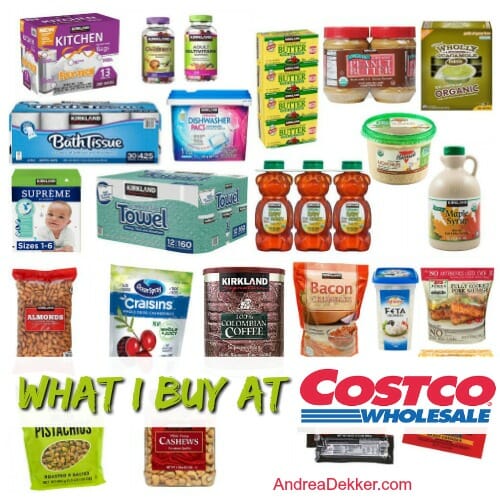
Costco is synonymous with bulk buying. The larger package sizes almost invariably come with a lower unit cost compared to standard retail outlets. This is where the real financial leverage lies for consumers. Buying non-perishable goods, household staples, and long-lasting items in larger quantities can lead to substantial long-term savings. However, the financial benefit is contingent on actual consumption and storage capacity. Purchasing a massive quantity of a perishable item that spoils before it can be consumed represents a false economy, turning potential savings into direct financial waste. Savvy shoppers conduct unit price comparisons rigorously and consider their consumption patterns and storage space before succumbing to the allure of a large discount on an impractical quantity. This disciplined approach is fundamental to effective personal finance.
Kirkland Signature: A Masterclass in Private Label Branding and Value
A cornerstone of Costco’s financial strategy and a significant draw for members is its private label brand, Kirkland Signature. From an economic standpoint, Kirkland Signature products are a masterclass in offering premium quality at a fraction of the cost of national brands. By cutting out middleman costs, marketing expenses associated with national brands, and leveraging its immense purchasing power, Costco can offer Kirkland Signature items that often meet or exceed the quality of their branded counterparts, but at a significantly lower price point. For budget-conscious consumers, choosing Kirkland Signature is a direct path to maximizing savings without compromising on quality, making it a pivotal element in a financially savvy shopping strategy. This directly impacts household budgets by providing high-quality alternatives at reduced expense.
The Treasure Hunt Effect: Strategic Limited-Time Offers
Costco’s dynamic inventory and “treasure hunt” atmosphere are not merely a marketing gimmick; they are a strategic financial tool. By frequently rotating high-value, limited-time offers on non-staple goods (electronics, seasonal items, specialty foods), Costco creates a sense of urgency and excitement. While these offers can indeed represent exceptional value, they also carry the risk of impulse buying – purchasing items that weren’t on the shopping list, thereby increasing overall expenditure. A financially disciplined shopper must weigh the genuine utility and value of these “treasure hunt” items against their pre-set budget, ensuring that a good deal doesn’t inadvertently lead to financial leakage through unplanned spending.
Financial Implications for Households and Businesses
The economic impact of a Costco membership extends significantly to both household budgeting and small business operations. Its model is designed to optimize purchasing power across various scales.
Budgeting and Inventory Management for Families
For families, shopping at Costco necessitates a refined approach to budgeting and inventory management. The upfront cost of bulk purchases, while leading to long-term savings, requires a larger immediate outlay. This demands careful financial planning to ensure cash flow isn’t unduly strained. Furthermore, managing the larger quantities of goods purchased means families must develop efficient storage solutions and consumption schedules to prevent waste. This holistic approach to managing finances, from initial purchase to consumption, is a critical skill for families leveraging the Costco model. It’s an exercise in balancing immediate expenditure with long-term financial benefits.
Small Business Advantages: Supply Chain and Operational Efficiency
For small businesses, Costco can be an invaluable partner in managing supply chains and improving operational efficiency. Restaurateurs, caterers, and small office managers can procure a wide array of supplies, from food ingredients to office supplies and cleaning products, at wholesale prices. This direct access to bulk goods at competitive rates significantly reduces procurement costs, allowing businesses to maintain healthier profit margins or pass savings onto their own customers. The convenience of one-stop shopping also reduces the time and labor associated with sourcing from multiple vendors, indirectly contributing to operational savings. Costco effectively acts as a simplified, cost-effective wholesale distributor for many small enterprises.
The Hidden Costs: Spoilage, Overspending, and Impulse Buys
Despite the pervasive narrative of savings, Costco is not without its hidden financial pitfalls. Spoilage of perishable bulk items, as mentioned, is a direct financial loss. Perhaps more insidious is the phenomenon of overspending. The sheer volume of products and the perception of constant deals can lead members to buy more than they need, or items they don’t truly require, simply because the unit price is attractive. This “Costco effect” can inflate monthly grocery bills well beyond what a family might spend at a traditional supermarket if not managed with strict budgetary discipline. Impulse buys, spurred by the “treasure hunt” model, also contribute to this hidden cost, diverting funds from planned expenditures to discretionary, often unnecessary, purchases.
Maximizing Your Costco Membership: Smart Strategies for Financial Gain
To truly harness the financial power of a Costco membership, members must adopt proactive strategies that go beyond simply showing up and buying. It requires deliberate planning and informed decision-making.
Price Comparison and Unit Cost Analysis
The most fundamental strategy for financial gain at Costco is rigorous price comparison and unit cost analysis. Never assume a bulk item is inherently cheaper. Smart shoppers compare the unit price (e.g., price per ounce, per sheet, per pill) of Costco items against those at other retailers, including online competitors. This ensures that the bulk purchase genuinely represents the best value. Tools like price comparison apps or simple mental math can turn a potential purchase into a verified saving, ensuring every dollar spent at Costco is truly optimized. This meticulous approach is a hallmark of sound personal finance management.
Utilizing Costco’s Return Policy and Warranty Services
Costco’s legendary customer-friendly return policy and extended warranty services (often included on electronics) are significant financial safeguards. The generous return policy minimizes financial risk for large purchases, as members can return items they are dissatisfied with, even without a receipt in many cases. The extended warranties on electronics can save members hundreds, if not thousands, of dollars on potential repair or replacement costs, effectively acting as free insurance. Understanding and leveraging these policies is an often-overlooked aspect of maximizing the financial value of a membership.
Leveraging Credit Card Rewards and Fuel Savings
Further optimizing financial returns involves integrating Costco shopping with broader financial tools. Using a co-branded Costco Anywhere Visa Card by Citi offers significant cash back rewards on Costco purchases (2%), gas (4% on eligible gas, including at Costco), and restaurant/travel spending (3%), effectively reducing the net cost of purchases. Beyond this, utilizing any credit card that offers higher rewards categories for grocery or warehouse club spending can amplify savings. Coupling these rewards with the already discounted gasoline prices at Costco pumps creates a powerful financial synergy that can significantly reduce annual household expenditures.
The Future of Warehouse Shopping and Consumer Finance
Costco, like all retail giants, is continually evolving, and its financial model must adapt to changing consumer behaviors and technological advancements.
E-commerce Integration and Delivery Services
The rise of e-commerce has presented both challenges and opportunities for Costco. While the in-store “treasure hunt” experience remains central, Costco has significantly invested in its online platform and delivery services. For members, this means the convenience of direct-to-door delivery, often for a slight premium. From a financial perspective, this option balances the cost of convenience against potential savings in travel time and gas. It also opens up Costco’s bulk offerings to a wider demographic who may not live near a physical warehouse or lack the means for large-item transport. This expansion into digital channels is crucial for sustaining its value proposition in a highly competitive retail environment.
Sustaining Value in a Shifting Retail Landscape
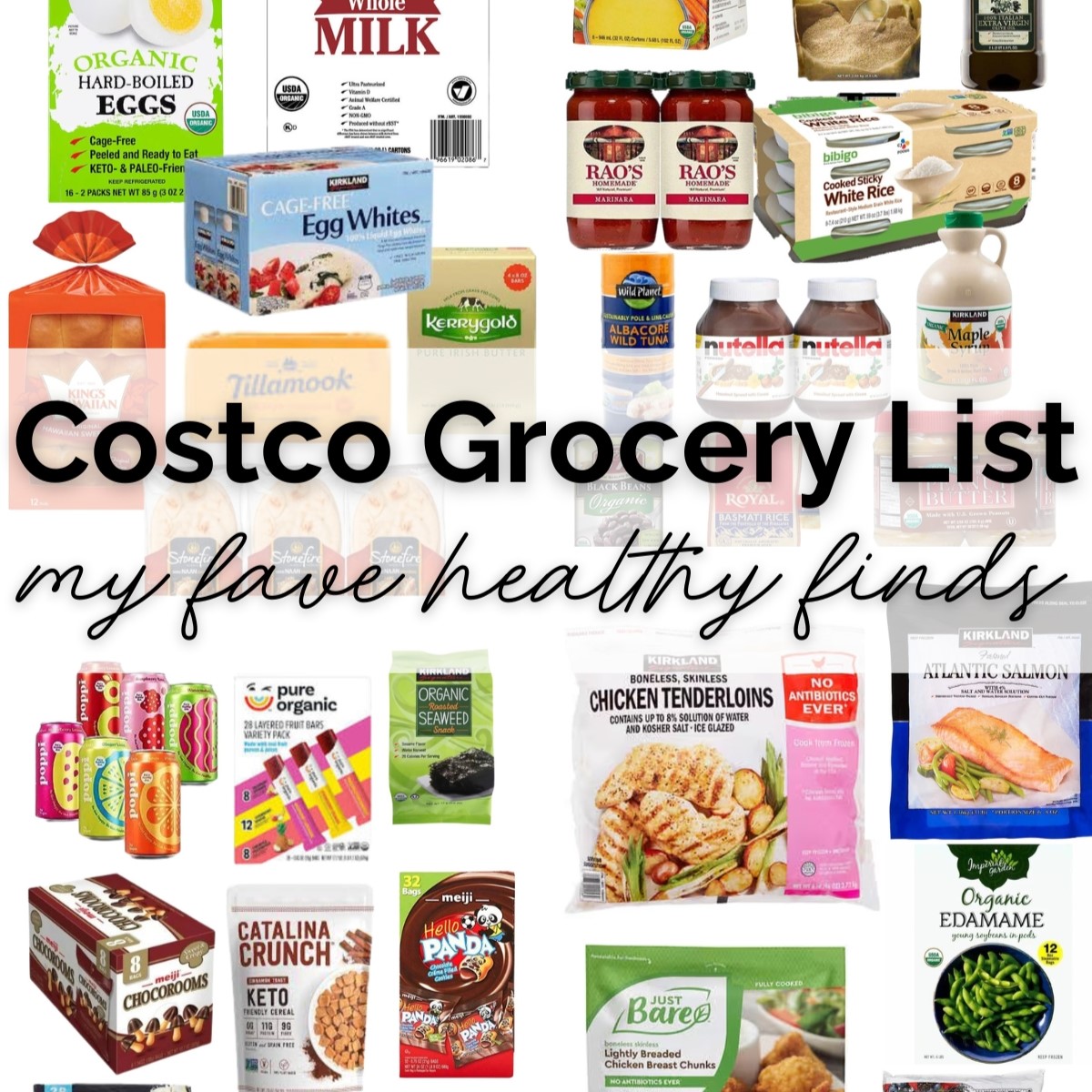
As consumer habits shift towards convenience, personalization, and ethical sourcing, Costco faces the challenge of maintaining its core value proposition – bulk savings – while adapting. Future financial insights into “what is in Costco” will likely revolve around how it continues to innovate its membership benefits, product selection (e.g., more organic and sustainable options), and technological integration to remain indispensable. Its ability to negotiate favorable terms with suppliers, maintain lean operational costs, and continue offering exceptional private label products will be critical to its ongoing financial success and its continued relevance as a crucial tool for savvy personal and business finance management.
In conclusion, “what is in Costco” is not just a question about products on shelves; it is a deep dive into an economic model designed to deliver profound financial benefits to its members. From the strategic choice of membership tiers to the disciplined approach to bulk buying, the astute utilization of its private label, and the leveraging of ancillary services, every aspect of the Costco experience is intertwined with personal and business finance. For those who approach it with a clear budget, an understanding of unit costs, and a strategy to avoid common pitfalls, Costco remains an unparalleled financial asset, offering a pathway to significant savings and optimized spending.
aViewFromTheCave is a participant in the Amazon Services LLC Associates Program, an affiliate advertising program designed to provide a means for sites to earn advertising fees by advertising and linking to Amazon.com. Amazon, the Amazon logo, AmazonSupply, and the AmazonSupply logo are trademarks of Amazon.com, Inc. or its affiliates. As an Amazon Associate we earn affiliate commissions from qualifying purchases.