
Renting a car, whether for a spontaneous weekend getaway, a crucial business trip, or a necessary replacement while your own vehicle is in the shop, often seems straightforward at first glance. However, beneath the surface of alluring daily rates lies a complex web of financial considerations that can significantly inflate your total expenditure if not meticulously managed. For the astute consumer, understanding the financial intricacies of car rentals is paramount to ensuring a smooth, cost-effective, and stress-free experience. This guide delves into the financial landscape of car rentals, equipping you with the knowledge to navigate the options, anticipate costs, and make economically sound decisions.
Understanding the True Cost of Car Rentals
The advertised daily rate for a rental car is merely the tip of the iceberg. A myriad of additional charges, fees, and optional services can quickly accumulate, transforming an seemingly affordable rental into a budget-busting expense. A savvy renter must look beyond the base price and meticulously dissect the potential costs.
Decoding Rental Rates: Base Price vs. Hidden Fees
The base rental rate covers the vehicle for a specified period, but this is rarely the final amount you pay. Several common fees can add up:
- Taxes and Surcharges: These are often government-mandated or airport-imposed fees, such as airport concession fees, vehicle licensing fees, and state/local taxes. These are non-negotiable and vary by location.
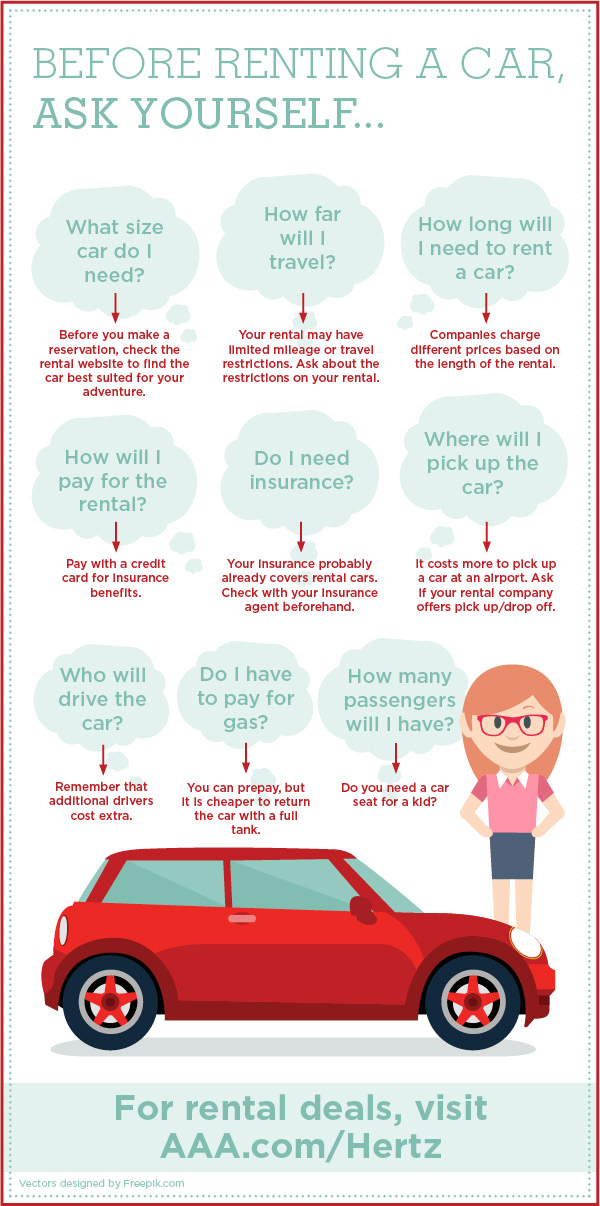
- Location Surcharges: Renting from an airport location is almost always more expensive than renting from an off-airport branch due to higher operating costs and specific airport fees passed on to the customer. Consider taking a short taxi or ride-share to an off-airport location if time permits and the savings are substantial.
- Age-Related Fees: Drivers under 25 are typically subject to a “young driver surcharge,” which can significantly increase the daily rate. Some companies also have age limits for older drivers.
- Additional Driver Fees: If multiple people will be driving the rental car, most companies charge a daily fee for each additional authorized driver. Some states or loyalty programs waive this.
- One-Way Rental Fees: Picking up a car in one city and dropping it off in another usually incurs a substantial one-way fee, as the company needs to reposition the vehicle.
- Mileage Limits: While many rentals offer unlimited mileage, some economy or specialty rentals may have mileage caps, with hefty charges for exceeding them. Always confirm this, especially for long-distance trips.
A critical step in financial planning for a rental car is to obtain a detailed quote that itemizes all these potential charges upfront. Utilize online booking portals that break down the costs before final confirmation.
The Insurance Conundrum: What You Need and What You Don’t
Rental car insurance is arguably the most confusing and costly add-on. Rental companies aggressively market their own insurance products, but you might already be covered through other means. Understanding your existing coverage is key to avoiding unnecessary expenses.
- Collision Damage Waiver (CDW) / Loss Damage Waiver (LDW): This waives your financial responsibility for damage or theft of the rental vehicle. It’s often the most expensive option offered by rental companies. Before accepting it, check:
- Your Personal Auto Insurance Policy: Many personal auto insurance policies extend collision and comprehensive coverage to rental cars, often with the same deductible. Review your policy or call your agent.
- Credit Card Benefits: Many premium credit cards offer secondary (and sometimes primary) rental car insurance as a complimentary benefit when you pay for the rental with that card. This typically covers the deductible your personal insurance doesn’t, or acts as primary coverage if you don’t have personal auto insurance. Be aware of exclusions (e.g., luxury cars, certain countries, rentals exceeding a specific duration).
- Liability Insurance: This covers damages to other vehicles or property, or injuries to other people, if you are at fault in an accident. Your personal auto insurance policy’s liability coverage almost always extends to rental cars. Only consider the rental company’s Supplemental Liability Insurance (SLI) if you do not have personal auto insurance or feel your existing limits are insufficient.
- Personal Accident Insurance (PAI) / Personal Effects Coverage (PEC): PAI covers medical expenses and accidental death for you and your passengers, while PEC covers theft or damage to personal belongings in the rental car. These are often redundant if you have health insurance, life insurance, and/or homeowners/renters insurance, which typically cover these scenarios.
The golden rule here is: never blindly accept the rental company’s insurance offerings. Investigate your existing policies beforehand to make an informed financial decision.
Fuel Policies and Surcharges: Avoiding Unexpected Expenses
Fuel is another significant variable cost. Rental companies offer various fuel options, each with its financial implications:
- Full-to-Full: This is generally the most economical option. You pick up the car with a full tank and are expected to return it full. If you don’t, the rental company will refuel it at a premium price, often significantly higher than market rates, plus a service charge.
- Pre-Paid Fuel Option: You pay for a full tank upfront at the time of rental. This can be convenient but is rarely cost-effective unless you are absolutely sure you will return the car empty. If you return it with fuel remaining, you won’t be reimbursed.
- Return Empty: This option means you don’t need to refuel before returning, but you’re still paying for the fuel you used at the rental company’s inflated rate.
Always opt for “full-to-full” and diligently refuel the vehicle yourself before returning it. Use a fuel tracker app or simply note the nearest gas stations to the drop-off location.
Smart Booking Strategies to Save Money
Beyond understanding the inherent costs, strategic planning and booking can lead to substantial savings. This involves leveraging timing, loyalty, and comparison tools.
Timing is Everything: Booking in Advance vs. Last Minute
Like airline tickets, car rental prices fluctuate based on demand and availability.
- Booking in Advance: Generally, booking a car rental several weeks to a few months in advance yields better rates, especially during peak travel seasons or for popular destinations. Many companies allow you to reserve without upfront payment, offering flexibility to cancel and rebook if prices drop.
- Last-Minute Deals: While rare, last-minute deals can sometimes appear, especially during off-peak times or for specific vehicle types the company needs to move. However, relying on this is risky and often leads to higher prices or limited selection.
For optimal financial prudence, book early and monitor prices. If a better deal emerges, cancel your existing reservation (if free) and rebook.
Loyalty Programs and Discount Codes: Leveraging Membership Benefits
Many rental car companies offer loyalty programs that can provide significant financial advantages.
- Free Upgrades and Discounts: Members often receive preferential treatment, including complimentary vehicle upgrades, faster pick-up, and exclusive discounts. Accumulating points can lead to free rental days.
- Waived Fees: Some elite tiers of loyalty programs might waive fees like additional driver charges or even young driver surcharges.
- Corporate and Association Discounts: If you’re a member of AAA, AARP, a credit union, or a large corporation, check for specific discount codes or corporate rates. These can sometimes offer substantial savings over standard public rates.
Always search for applicable discount codes or check your eligibility for association rates before finalizing a booking.
The Power of Comparison: Aggregators vs. Direct Bookings
Never settle for the first price you see. Comparison shopping is a cornerstone of smart financial management.
- Rental Car Aggregators: Websites like Kayak, Expedia, Priceline, or Skyscanner compare prices across multiple rental companies, offering a broad view of options. They can be excellent for quickly identifying the lowest base rates.
- Direct Bookings: After finding a competitive rate on an aggregator, always check the rental company’s direct website. Sometimes, they offer exclusive web deals, better loyalty program benefits, or more transparent pricing breakdowns not visible on third-party sites. Occasionally, direct bookings can even beat aggregator prices.
- Bundling: If you’re also booking flights and hotels, consider travel packages. Sometimes, bundling a car rental can result in overall savings, though always compare the individual components to ensure you’re truly getting a deal.
Spend time comparing across different platforms to ensure you’re securing the most financially advantageous rate.
Alternative Rental Options: Peer-to-Peer and Subscription Services
Beyond traditional rental agencies, newer models offer potentially unique financial benefits.
- Peer-to-Peer Car Sharing (e.g., Turo, Getaround): These platforms allow individuals to rent out their personal vehicles. Prices can sometimes be lower than traditional agencies, and you might find a wider variety of unique cars. However, insurance coverage can be complex and typically involves buying protection plans through the platform or relying on your personal insurance (which may have limitations for Turo rentals). Always read the fine print on fees and insurance carefully.
- Car Subscription Services: For longer-term needs (e.g., several months), car subscription services (offered by manufacturers or third-party providers) can bundle the vehicle, insurance, maintenance, and roadside assistance into one monthly payment. While seemingly more expensive daily, they offer convenience and predictability, eliminating many of the variable costs and hassles of traditional rentals for extended periods.
Evaluate these alternatives based on your specific needs, duration of rental, and financial risk tolerance.
Financial Tools and Payment Methods

The way you pay for your rental car can have significant financial implications, from unlocking insurance benefits to facing payment restrictions.
Credit Card Benefits: Insurance, Rewards, and Fraud Protection
Using a credit card for your rental offers several advantages:
- Complimentary Insurance: As discussed, many credit cards offer secondary or primary rental car insurance. This is a substantial financial benefit, potentially saving you hundreds of dollars on the rental company’s CDW/LDW.
- Rewards Points/Miles: Paying with a travel rewards credit card can earn you valuable points or miles, which can offset future travel costs.
- Fraud Protection: Credit cards generally offer robust fraud protection, shielding you from unauthorized charges.
- Blocking Deposits: Rental companies often put a hold (authorization block) on your card for the estimated rental cost plus a security deposit. Credit cards are better suited for this as it doesn’t tie up actual funds from your bank account.
Always use a credit card with good rental car benefits and sufficient credit limit.
Debit Card Limitations and Requirements
While some rental companies accept debit cards, doing so can come with significant restrictions and potential financial inconvenience.
- Credit Checks: Rental companies often run credit checks for debit card users to assess financial risk.
- Larger Security Deposits: The required security deposit can be significantly higher than with a credit card, tying up more of your liquid funds.
- Proof of Return Ticket: For airport rentals, you might need to show a return flight ticket.
- Proof of Address/Additional Identification: More stringent ID requirements are common.
- Limited Vehicle Selection: Certain vehicle categories (e.g., luxury cars) may not be available for debit card rentals.
If you must use a debit card, call the rental company directly to understand their specific policies and requirements in advance to avoid surprises at the counter.
Budgeting for Your Rental: Pre-trip Financial Planning
A comprehensive financial plan for your rental involves more than just the daily rate.
- Itemized Cost Estimate: Create a detailed spreadsheet or use an online tool to estimate all potential costs: base rate, taxes, fees, estimated fuel, and chosen insurance options.
- Buffer for Incidentals: Always budget an extra 10-15% for unforeseen expenses like parking fees, tolls, or minor dings not covered by insurance.
- Understanding the Hold: Remember that the rental company will place a hold on your credit or debit card. Ensure you have sufficient available credit or funds to cover this hold without impacting your other spending needs.
Proactive budgeting prevents financial stress and ensures you can enjoy your rental experience without unexpected monetary shocks.
Avoiding Common Financial Pitfalls
Even with careful planning, certain situations can lead to unexpected charges. Awareness is your best defense.
Understanding Damage Waivers and Deductibles
Even if your personal insurance or credit card offers coverage, understand its specifics:
- Primary vs. Secondary Coverage: Primary coverage pays first, while secondary coverage kicks in after your personal auto insurance deductible. Know which type of coverage your credit card provides.
- Deductibles: Your personal auto insurance will likely have a deductible that you are responsible for paying before coverage starts. Factor this into your potential financial exposure.
- Exclusions: Many personal auto policies and credit card benefits exclude certain types of vehicles (e.g., exotic cars, large vans) or specific incidents (e.g., driving off-road, reckless driving). Read the terms carefully.
Always document the car’s condition with photos or videos at pickup and drop-off to dispute any unwarranted damage claims.
The Perils of Upgrade Offers
At the rental counter, you might be offered an “amazing deal” for an upgrade to a larger or more luxurious vehicle. While tempting, consider the financial implications:
- Increased Daily Rate: Even a small daily upgrade fee can add up over a week-long rental.
- Higher Fuel Consumption: A larger vehicle often means worse fuel economy, leading to higher fuel costs.
- Parking Challenges: A bigger car might be harder to park in tight urban spaces, potentially leading to additional parking fees or even minor damage.
Unless you genuinely need the extra space or features, politely decline upgrade offers to stick to your budget.
Navigating International Rentals: Currency Exchange and Local Fees
Renting a car abroad introduces additional financial layers:
- Currency Exchange Rates: Pay attention to the exchange rate used if paying in a foreign currency. Avoid “dynamic currency conversion” where you’re offered to pay in your home currency; it often comes with unfavorable exchange rates.
- International Driving Permit (IDP): While not a direct cost from the rental company, the lack of an IDP in countries that require it can lead to legal issues and invalidate your insurance, leading to significant financial liability.
- Local Road Tolls and Vignettes: Many countries have electronic toll systems or require a “vignette” (a sticker) for highway use. Rental companies often charge administrative fees for processing these or for pre-installing devices. Research local toll systems beforehand.
- VAT/GST: Value Added Tax or Goods and Services Tax can be significantly higher in some countries, adding a substantial percentage to your rental cost.
Thorough research on local driving laws and financial practices is essential for international car rentals.
Post-Rental Financial Considerations
Even after you’ve returned the car, your financial journey isn’t over until you’ve meticulously reviewed your final bill.
Reviewing Your Bill: Spotting Discrepancies
- Detailed Breakdown: Insist on a fully itemized receipt at the time of return, or review the electronic version as soon as it’s available.
- Check for Unwarranted Charges: Look for charges for insurance you declined, additional days you didn’t use, fuel charges if you returned the tank full, or damages you didn’t incur.
- Late Return Fees: Rental companies are strict about return times. Even a few minutes late can result in an extra hour or even a full day’s charge.
Your vigilance in reviewing the bill can save you from erroneous charges.

Dealing with Incidental Charges and Disputes
If you find discrepancies or receive unexpected charges weeks after your rental, act quickly:
- Contact the Rental Company Directly: Start by calling their customer service to explain the issue and provide evidence (photos, booking confirmation, previous communication).
- Dispute with Your Credit Card Company: If the rental company is unresponsive or uncooperative, you can dispute the charge with your credit card issuer. Provide all documentation to support your claim.
A proactive and informed approach to car rentals transforms a potentially costly necessity into a manageable and even money-saving part of your travel or business operations. By dissecting costs, employing smart booking strategies, leveraging payment benefits, and staying vigilant against pitfalls, you can navigate the car rental landscape with financial confidence.
aViewFromTheCave is a participant in the Amazon Services LLC Associates Program, an affiliate advertising program designed to provide a means for sites to earn advertising fees by advertising and linking to Amazon.com. Amazon, the Amazon logo, AmazonSupply, and the AmazonSupply logo are trademarks of Amazon.com, Inc. or its affiliates. As an Amazon Associate we earn affiliate commissions from qualifying purchases.