
Understanding Costco’s Global Footprint
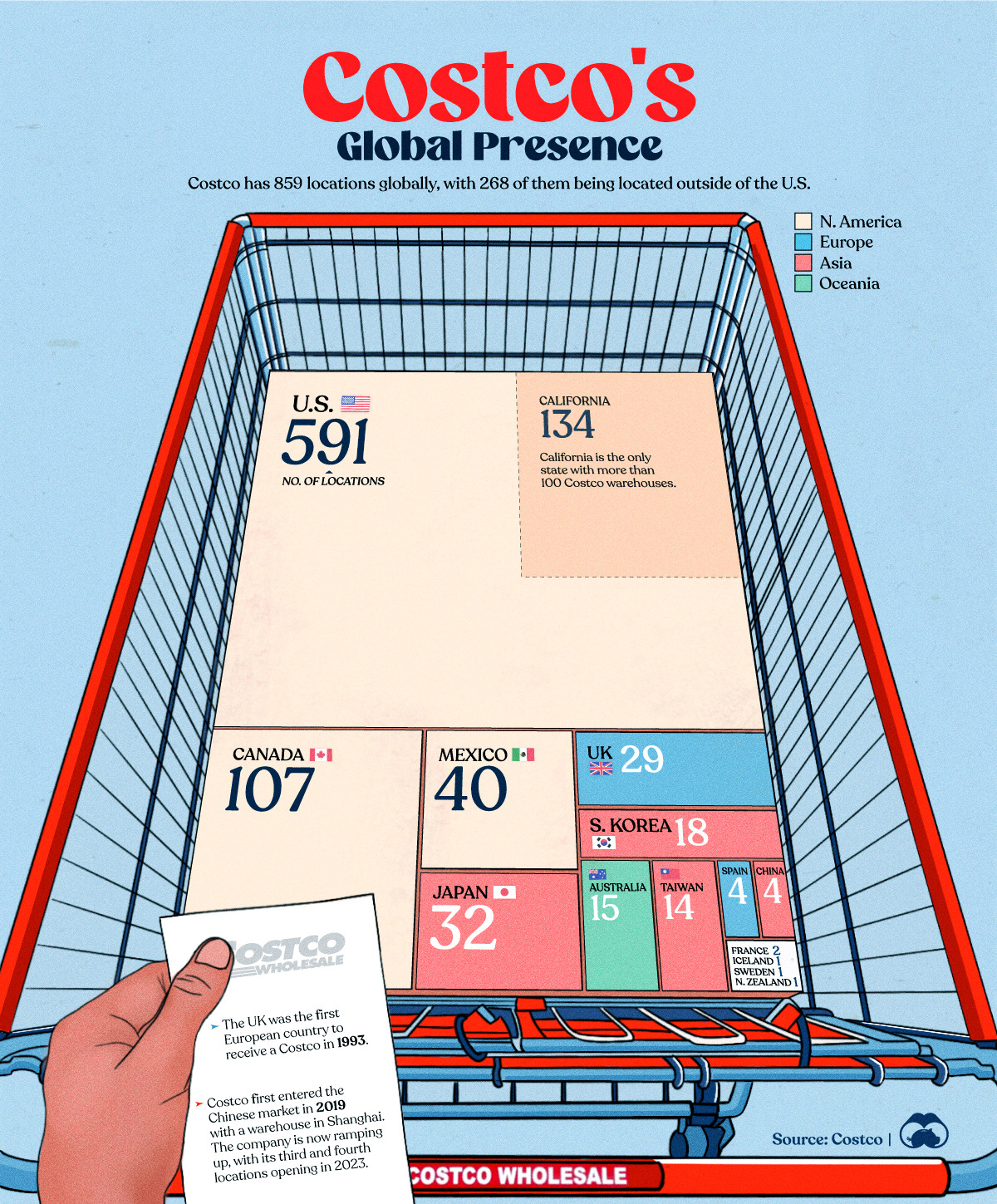
Costco Wholesale Corporation, often recognized by its distinctive warehouse-style stores and bulk-buying philosophy, stands as a testament to strategic global expansion and a robust brand identity. The question of “how many Costco stores worldwide” is not merely a quantitative inquiry; it delves into the very core of its brand strategy, market penetration, and the global resonance of its unique membership model. As of late 2023, Costco operates over 870 warehouses globally, a figure that continually evolves as the company strategically opens new locations. This impressive footprint is a cornerstone of its corporate identity, reflecting an ambitious and well-executed plan for brand dominance in the retail sector.
The Scale of a Retail Giant
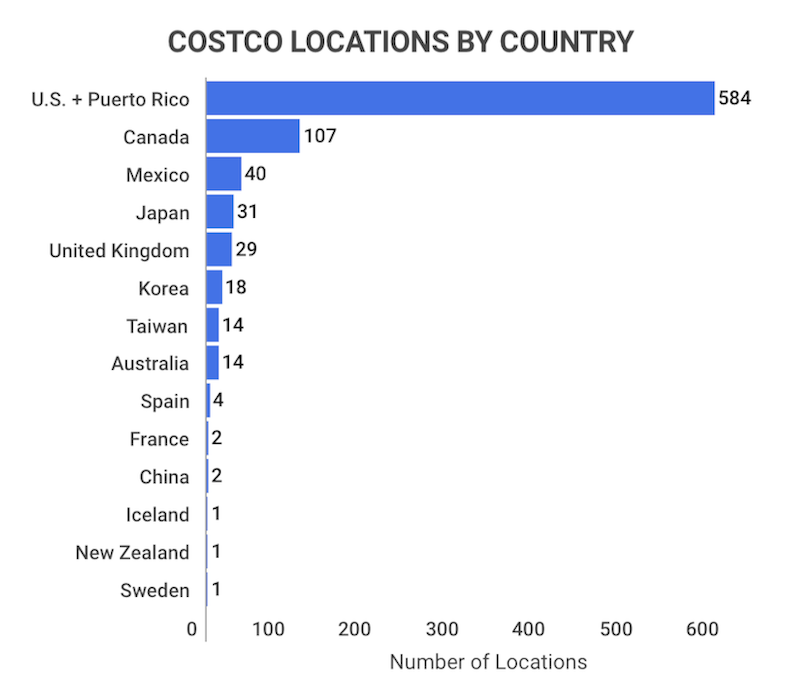
To understand the sheer scale of Costco’s operations, one must look beyond the numerical count of its stores. Each warehouse represents a significant investment in real estate, logistics, and human capital, designed to deliver a consistent brand experience across diverse geographical and cultural landscapes. The majority of Costco’s stores are concentrated in its home market of the United States and Puerto Rico, forming the bedrock of its brand recognition and revenue generation. However, the brand’s true global aspirations are evident in its widespread international presence. From Canada and Mexico, its traditional international strongholds, to more recent expansions in Asia (Japan, South Korea, Taiwan, China) and Europe (United Kingdom, Spain, France, Iceland, Sweden), each new store opening is a deliberate step in fortifying its brand image as a ubiquitous and reliable source of value. This global network not only broadens its customer base but also enhances its buying power, a crucial element of its brand promise to offer competitive pricing on a vast array of products. The consistent visual identity, product categories, and even the “treasure hunt” shopping experience are meticulously replicated, ensuring that the Costco brand is immediately recognizable and trustworthy, regardless of the continent.
Key Markets and Strategic Expansion
Costco’s expansion strategy is characterized by careful market analysis and a long-term vision, rather than aggressive, unbridled growth. In established markets like Canada and Mexico, the brand benefits from a high level of consumer familiarity and strong supply chain networks. These markets serve as stable pillars, contributing significantly to the overall store count and brand equity. In newer or more nascent markets, particularly in Asia, Costco often starts with a measured approach, sometimes opening a single flagship store that acts as a brand ambassador, testing local market receptivity before committing to broader expansion. The success of its Shanghai store, which saw unprecedented crowds upon opening, exemplifies the pent-up demand for its brand promise even in highly competitive retail environments. This strategic approach ensures that each new international venture reinforces rather than dilutes the brand, maintaining the premium perception associated with its membership model and quality offerings. The brand doesn’t merely open stores; it cultivates an ecosystem of loyal members who become advocates for its value proposition, a critical component of its global branding efforts.
The Brand Strategy Behind Store Expansion
Costco’s expansion is not merely about increasing store count; it is intrinsically linked to its brand strategy. Every new warehouse is a physical manifestation of its core values: offering quality products at low prices within a unique shopping environment. This strategy is multi-faceted, leveraging its membership model to foster loyalty while adapting to local nuances to ensure relevance.
Membership Model and Local Adaptation
At the heart of Costco’s brand identity is its membership model. This pay-to-shop system creates an exclusive club-like feel, reinforcing a sense of belonging and perceived value among its customers. When Costco expands globally, it doesn’t just open a store; it introduces this membership concept, which can be a significant differentiator in new markets. The membership fee acts as a psychological barrier, ensuring a more committed customer base, while also providing a stable revenue stream that allows the brand to maintain lower product markups. This model is carefully explained and promoted in each new region, often through localized marketing campaigns that highlight the unique benefits tailored to the local consumer.
Furthermore, while the core brand experience remains consistent, Costco is adept at local adaptation. This isn’t about compromising its brand identity but rather enhancing its relevance. For instance, while the ubiquitous hot dog and soda combo might be a staple in North American food courts, in Japan, you might find local delicacies alongside it. Product assortments are also curated to reflect local tastes and preferences, from specific cuts of meat in South Korea to unique snack items in Taiwan. Even store layouts might be subtly adjusted to accommodate local shopping habits or cultural norms. This delicate balance of global consistency and local flexibility is a hallmark of Costco’s successful brand strategy, demonstrating that a strong brand can resonate across borders without losing its distinctive character. By integrating local products and cultural elements, Costco manages to feel both global and local, forging deeper connections with its international membership base.
Reinforcing Brand Identity Through Presence
Each Costco store, irrespective of its location, serves as a powerful physical touchpoint for the brand. The familiar warehouse aesthetic, the prominent “Costco Wholesale” signage, and the distinct shopping carts all contribute to a consistent brand experience. This consistency is vital for reinforcing brand identity on a global scale. Consumers who have shopped at a Costco in one country will find the experience largely familiar in another, fostering trust and predictability. This predictable quality is a significant aspect of its brand promise.
Moreover, the sheer size of the stores and the volume of products on offer project an image of abundance and value. The “treasure hunt” aspect, where shoppers discover unique, limited-time items, adds an element of excitement and urgency, further strengthening brand engagement. By strategically opening new stores, Costco is not just expanding its retail footprint; it is expanding its brand’s physical embodiment, making its promise of quality, value, and unique shopping experiences more accessible to a broader global audience. This widespread physical presence also acts as a continuous marketing effort, a constant reminder of the brand’s availability and reliability, helping to build long-term brand equity and customer loyalty.

Impact on Corporate Identity and Market Position
Costco’s extensive global store network is a fundamental pillar of its corporate identity. It shapes how the company is perceived by consumers, competitors, and stakeholders alike, influencing its market position and long-term sustainability.
Global Recognition and Trust
The proliferation of Costco stores worldwide significantly bolsters its global brand recognition. When a brand operates in numerous countries, it naturally gains a higher profile and an aura of international credibility. For Costco, this translates into increased consumer trust. Shoppers, whether in Seattle or Seoul, associate the Costco brand with consistent quality, competitive pricing, and a distinctive shopping model. This global recognition is not just about awareness; it’s about the deep-seated trust that members place in the brand to deliver value. The company’s reputation for ethical sourcing, employee welfare, and a generous return policy further strengthens this trust, building a robust corporate identity that transcends geographical boundaries. In an increasingly interconnected world, a brand’s global presence signals stability and success, which in turn attracts new members and reinforces the loyalty of existing ones. This trust is an invaluable asset, allowing Costco to introduce new products and services with greater member acceptance and lower marketing overheads.
Competitive Advantage and Future Growth
Costco’s formidable global footprint provides a distinct competitive advantage. With hundreds of stores, it achieves unparalleled economies of scale in purchasing and logistics. This massive buying power allows it to negotiate better deals with suppliers, which directly translates into the lower prices that are central to its brand promise. Competitors, especially smaller or more localized retailers, struggle to match this leverage. Furthermore, the global network provides valuable insights into diverse consumer behaviors and market trends, allowing Costco to refine its strategies and offerings.
Looking ahead, the existing store network provides a platform for future growth. Each new store adds to the collective knowledge base, informs supply chain optimization, and reinforces the brand’s dominance. While the pace of expansion may vary by region, the groundwork laid by its current global presence ensures that Costco remains a formidable player in the retail landscape. The brand’s ability to successfully operate in various regulatory environments and cultural contexts further cements its reputation as a global leader, paving the way for continued expansion into new territories and potentially new formats, all while maintaining its core brand values. This expansive network also enables cross-market learning, allowing best practices from one region to be adapted and implemented in others, enhancing operational efficiency and customer experience globally.
Navigating Growth: Challenges and Opportunities
While global expansion solidifies Costco’s brand, it also presents a complex array of challenges and opportunities that require nuanced strategic management. The brand must continuously innovate and adapt to maintain its competitive edge and ensure sustainable growth.
Supply Chain and Logistics
One of the most significant challenges in managing a global network of stores is the intricate web of supply chain and logistics. Maintaining the consistent availability of a vast array of products, from fresh produce to electronics, across continents requires sophisticated planning and execution. Costco’s brand promise is built on offering high-quality goods at low prices, which necessitates highly efficient and cost-effective supply chains. Managing sourcing, inventory, warehousing, and distribution across different countries, each with its own customs regulations, transportation infrastructure, and labor laws, is a colossal undertaking. Delays, disruptions, or inefficiencies in any part of this chain can directly impact product availability and pricing, thereby affecting member satisfaction and potentially diluting the brand’s value proposition. The opportunity here lies in further optimizing these global supply chains through advanced analytics, automation, and strategic partnerships, turning a potential vulnerability into a source of enduring competitive advantage. By leveraging its global scale, Costco can negotiate favorable terms with international logistics providers, streamline cross-border movements, and build resilient supply networks that can withstand global disruptions, thus reinforcing its brand reliability.
Cultural Nuances and Consumer Behavior
Expanding into new international markets means confronting a diverse spectrum of cultural nuances and consumer behaviors. While Costco’s core brand identity is strong, its success hinges on its ability to resonate with local populations without alienating its global essence. This involves understanding varying shopping habits, dietary preferences, religious observances, and payment methods. For example, the types of bulk items desired can differ significantly between a family in California and one in Kyoto. Marketing strategies also need to be culturally sensitive and linguistically appropriate to effectively communicate the brand’s value. Ignoring these nuances can lead to missteps that damage brand perception and hinder market acceptance. The opportunity lies in leveraging this diversity to enrich the brand experience, incorporating localized offerings that celebrate regional differences while upholding the consistent quality and value Costco is known for. This delicate balancing act of global consistency and local relevance is crucial for deep market penetration and sustained brand loyalty. Successful navigation of these cultural landscapes allows Costco to not just sell products, but to integrate its brand into the local lifestyle, making it a familiar and trusted part of the community.
Sustainable Expansion
The long-term sustainability of Costco’s global expansion is paramount. This encompasses not only financial viability but also environmental and social responsibility. As the brand continues to grow its store count, it faces increasing scrutiny regarding its environmental impact, including carbon footprint from logistics, waste management from its bulk packaging, and energy consumption of its large warehouses. Moreover, the social aspect of sustainability, such as ethical labor practices throughout its global supply chain and community engagement in new locations, is increasingly important for maintaining a positive corporate identity. Opportunities exist in pioneering green building initiatives for new stores, investing in renewable energy, implementing robust recycling programs, and partnering with suppliers who adhere to fair labor standards. By demonstrating a genuine commitment to sustainability, Costco can enhance its brand reputation, appeal to a growing segment of environmentally conscious consumers, and ensure that its growth is responsible and enduring. This commitment to sustainability strengthens its brand purpose, evolving from merely a value retailer to a responsible global citizen, which is increasingly vital for modern brand leadership and continued member trust.
aViewFromTheCave is a participant in the Amazon Services LLC Associates Program, an affiliate advertising program designed to provide a means for sites to earn advertising fees by advertising and linking to Amazon.com. Amazon, the Amazon logo, AmazonSupply, and the AmazonSupply logo are trademarks of Amazon.com, Inc. or its affiliates. As an Amazon Associate we earn affiliate commissions from qualifying purchases.