
Sending Tether (USDT) from your Coinbase account, while a common cryptocurrency transaction, requires careful attention to detail to ensure funds are transferred securely and efficiently. As a stablecoin pegged to the U.S. dollar, USDT plays a crucial role in the crypto ecosystem, often used for liquidity, trading, and hedging against volatility. Understanding the mechanics of sending this digital asset from a major platform like Coinbase is essential for anyone managing their digital finances. This guide delves into the practical steps, financial considerations, and security protocols involved in successfully transferring USDT.
Understanding USDT and Coinbase’s Role
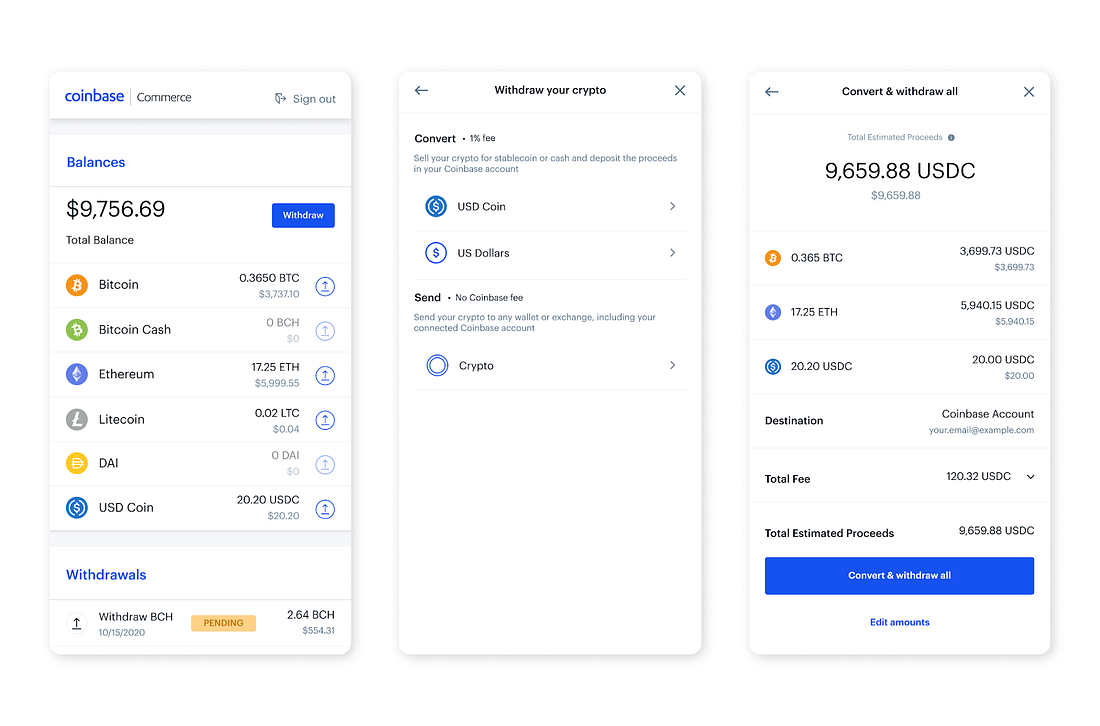
Before initiating any transfer, it’s vital to grasp what USDT is and how Coinbase facilitates its movement. This foundational understanding can prevent common errors and contribute to a more informed financial management strategy.
What is USDT (Tether)?
USDT is the largest stablecoin by market capitalization, designed to maintain a stable value relative to a fiat currency, specifically the U.S. dollar. This peg is achieved by backing each USDT coin with an equivalent amount of reserves, primarily held in traditional assets. Its stability makes it an attractive asset for various financial activities within the crypto space:
- Hedging: Investors use USDT to “park” funds during periods of high market volatility, converting more speculative cryptocurrencies into a stable asset without exiting the crypto ecosystem entirely.
- Trading Pairs: USDT is a primary trading pair on numerous exchanges, offering a stable base for buying and selling other cryptocurrencies.
- Remittances and Payments: Its stable value and global accessibility make it suitable for international transfers, bypassing traditional banking complexities and costs.
- Yield Generation: Many decentralized finance (DeFi) protocols offer opportunities to earn interest on USDT holdings, providing a form of passive income.
The underlying technology for USDT varies, with versions existing on multiple blockchain networks such as Ethereum (ERC-20), Tron (TRC-20), Solana, Avalanche, and more. This multi-chain presence is critical because the choice of network directly impacts transfer compatibility and fees.
Coinbase and Stablecoin Support
Coinbase is one of the world’s leading cryptocurrency exchanges, known for its user-friendly interface and robust security features. It offers extensive support for a wide range of cryptocurrencies, including several stablecoins. For USDT, Coinbase primarily supports the ERC-20 version, which operates on the Ethereum blockchain. This is a crucial detail, as sending USDT via an incompatible network can lead to permanent loss of funds.
Coinbase acts as a custodian for your digital assets, providing the infrastructure to buy, sell, store, and transfer cryptocurrencies. When you initiate a send transaction from Coinbase, you are essentially instructing the platform to broadcast a transaction on the Ethereum network (or other supported networks, if applicable for other assets) to move your USDT from your Coinbase-managed wallet to an external address. The platform simplifies the technical complexities, but the user remains responsible for providing accurate recipient information.
Why Send USDT?
There are several compelling reasons why an individual might need to send USDT from their Coinbase account:
- Transferring to Another Exchange: To access a broader range of altcoins, specific trading pairs, or participate in staking/lending programs not available on Coinbase.
- Sending to a Personal Hardware Wallet: For enhanced security and self-custody of funds, moving USDT to a hardware wallet (like Ledger or Trezor) is a common practice.
- Facilitating Payments or Remittances: Sending USDT to a friend, family member, or business for goods and services, especially across international borders.
- Participating in Decentralized Finance (DeFi): Moving USDT to a Web3 wallet (e.g., MetaMask) to interact with DeFi protocols, yield farms, or liquidity pools on the Ethereum network.
Each of these scenarios underscores the need for a clear, step-by-step understanding of the transfer process, along with a keen awareness of the financial implications, such as network fees and potential for irreversible errors.
Preparing for Your USDT Transfer
A successful and secure USDT transfer begins long before you click the “send” button. Thorough preparation can prevent costly mistakes and provide peace of mind.
Essential Pre-Transfer Checklist
Before initiating any cryptocurrency transfer, especially with stablecoins like USDT which are often used for significant value, ensure you’ve covered these points:
- Verify Recipient Address: Double-check, triple-check, and then verify again the recipient’s wallet address. Copy-pasting is recommended, but always compare the first few and last few characters manually. An incorrect address is the most common cause of lost funds.
- Confirm Network Compatibility: This is perhaps the single most critical step for USDT. Ensure the recipient’s wallet supports the same network as the USDT you are sending from Coinbase (which is primarily ERC-20 for USDT). If you send ERC-20 USDT to a TRC-20 address, your funds will likely be lost.
- Check Available Balance: Ensure you have sufficient USDT in your Coinbase account to cover the transfer amount plus any associated network fees.
- Understand Fees: Be aware of the network (gas) fees associated with ERC-20 transactions. These can fluctuate based on network congestion. Coinbase typically displays the estimated fee before you confirm.
- Two-Factor Authentication (2FA): Ensure your 2FA is active and accessible. You will need it to confirm the transaction.
- Internet Connection: Use a secure and stable internet connection. Avoid public Wi-Fi networks for financial transactions.
- Test Transfer (Optional but Recommended for Large Amounts): For very large transfers, consider sending a small amount first to the recipient address to confirm it arrives successfully before sending the full amount.
Understanding Network Compatibility (ERC-20 vs. Other Chains)
The concept of network compatibility cannot be overstressed for USDT. Unlike some native cryptocurrencies (e.g., Bitcoin), stablecoins like USDT exist as “tokens” on various blockchains.
- ERC-20 USDT: This is the version of USDT that runs on the Ethereum blockchain. It uses Ethereum’s security and infrastructure, and transactions incur Ethereum “gas” fees. Coinbase primarily supports ERC-20 USDT.
- TRC-20 USDT: This version runs on the Tron blockchain. Transactions are generally faster and cheaper than ERC-20 but are incompatible with ERC-20 addresses.
- Other Chains: USDT also exists on Solana, Avalanche, BNB Smart Chain, and others, each with its own address format and fee structure.
Crucial Point: If your recipient wallet or exchange provides an address for TRC-20 USDT, you cannot send ERC-20 USDT from Coinbase to that address. Doing so will result in the permanent loss of your funds. Always confirm with the recipient which network they support and provide an address for. If they only support TRC-20, you would need to either bridge your USDT from ERC-20 to TRC-20 (a complex process) or use an exchange that directly supports TRC-20 USDT for sending.
Security Best Practices
Protecting your funds during a transfer involves more than just getting the address right:
- Strong, Unique Passwords: Use complex, unique passwords for your Coinbase account.
- Enable 2FA: Always enable 2FA (preferably an authenticator app like Google Authenticator or Authy, rather than SMS) on your Coinbase account.
- Phishing Awareness: Be vigilant against phishing attempts. Always verify that you are on the official Coinbase website or app. Never click on suspicious links or respond to unsolicited emails asking for your login credentials.
- Device Security: Ensure the device you are using is free of malware and has up-to-date antivirus software.
- Private Environment: Conduct transactions in a private setting where onlookers cannot see your screen or sensitive information.
Step-by-Step Guide: Sending USDT from Coinbase
Once you’ve completed your preparations, the actual process of sending USDT from Coinbase is straightforward.
Accessing Your Coinbase Account
- Log In: Navigate to the official Coinbase website (coinbase.com) or open the Coinbase mobile app. Log in using your credentials.
- Complete 2FA: Enter your 2FA code when prompted.
Initiating a Send Transaction
- Navigate to Assets: On the Coinbase dashboard, find and click on the “Assets” tab or section.
- Select USDT: Locate “Tether (USDT)” in your asset list and click on it. This will take you to the USDT asset page.
- Click “Send”: On the USDT page, you will see options like “Buy,” “Sell,” “Convert,” and “Send.” Click on the “Send” button.
Entering Recipient Details and Amount
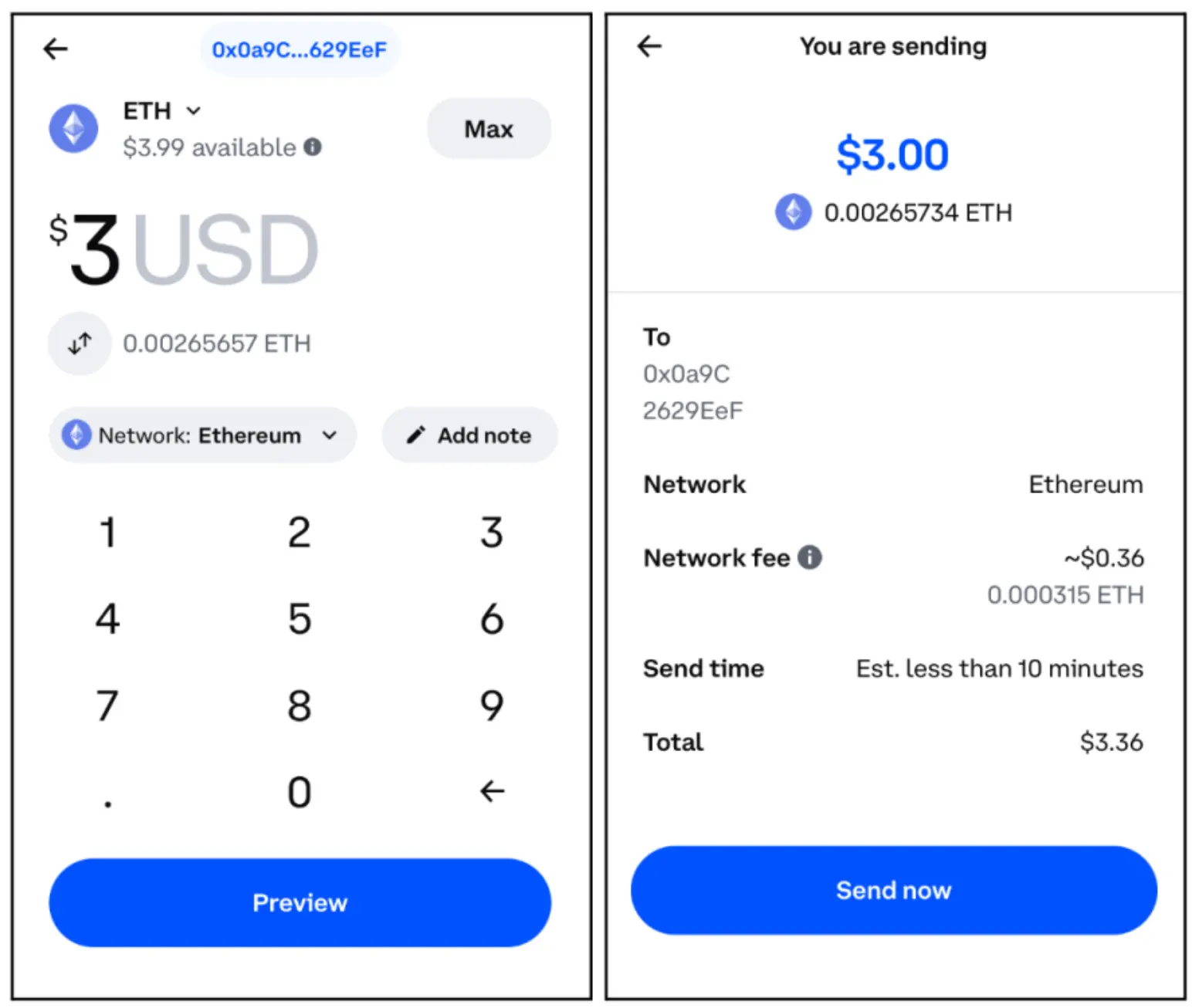
- Recipient Address: This is the most critical step. In the “To” field, paste the recipient’s USDT wallet address. Crucially, ensure this is an ERC-20 USDT address. If Coinbase detects an incompatible address format, it might warn you, but it’s not foolproof. Always verify independently.
- Amount: Enter the amount of USDT you wish to send. You can type in the USDT amount or specify an equivalent fiat currency amount (e.g., USD) that Coinbase will convert to USDT.
- Optional Note: You can add an optional note for your reference or for the recipient. This is purely for organizational purposes and does not affect the transaction itself.
- Review Network Fee: Coinbase will display the estimated network fee (gas fee) for the transaction. This fee is paid to Ethereum miners for processing the transaction, not to Coinbase. Factor this into your total cost.
Reviewing and Confirming the Transaction
- Confirm Details: On the review screen, carefully check all the details:
- Recipient’s address (first and last few characters, at minimum).
- Amount of USDT being sent.
- Network fee.
- Total amount (USDT + fee).
- Final 2FA Confirmation: Coinbase will typically require a final 2FA verification to authorize the transaction. Enter the code from your authenticator app.
- Click “Send Now”: Once confirmed, click the “Send Now” or “Confirm” button. The transaction will then be broadcast to the Ethereum network.
Monitoring Transaction Status
- Transaction History: After sending, the transaction will appear in your Coinbase transaction history. You can click on it for details.
- Blockchain Explorer: Coinbase will usually provide a transaction ID (TxID or hash). You can copy this ID and paste it into an Ethereum blockchain explorer (e.g., Etherscan.io) to track the transaction’s status on the network.
- “Pending”: The transaction has been broadcast but not yet confirmed by miners.
- “Confirmed”: The transaction has been included in a block and successfully processed. The number of confirmations indicates how deeply embedded the transaction is in the blockchain, reducing the likelihood of reversal.
- Recipient Confirmation: Once confirmed on the blockchain, the recipient should see the USDT in their wallet shortly. Confirmation times can vary based on network congestion.
Common Pitfalls and Troubleshooting
Despite careful preparation, issues can arise. Understanding common pitfalls and how to troubleshoot them can save time and prevent panic.
Incorrect Wallet Address or Network
- Problem: Sending USDT to the wrong address or an incompatible network (e.g., ERC-20 USDT to a TRC-20 address).
- Solution: Unfortunately, blockchain transactions are irreversible. If you’ve sent funds to an incorrect, non-existent, or incompatible address, they are almost certainly lost forever. There is no central authority to reverse the transaction. This underscores the absolute necessity of verifying the address and network compatibility multiple times before sending. If the incorrect address happens to belong to another user on the same exchange (e.g., another Coinbase user), you might be able to contact support, but success is not guaranteed.
Transaction Delays and Network Congestion
- Problem: Your USDT transfer is taking longer than expected to confirm.
- Solution: Ethereum network congestion can cause delays. Gas fees fluctuate based on network demand. If you paid a lower gas fee, miners might prioritize transactions with higher fees.
- Check the transaction status on Etherscan. If it’s still “pending,” it means it’s awaiting confirmation.
- There’s usually no action you can take to “speed up” a transaction once it’s broadcast by Coinbase. Patience is often required.
- If a transaction remains pending for an unusually long time (many hours), it might eventually fail and revert, but this is less common with stablecoins.
Fees and Minimum Transfer Amounts
- Problem: The transaction fails due to insufficient funds for fees, or you’re unable to send a very small amount.
- Solution:
- Fees: Always ensure you have enough USDT (or sometimes ETH, depending on Coinbase’s internal mechanism for covering gas) to cover the network fee in addition to the amount you wish to send. Coinbase will typically prevent you from initiating a send if your balance is insufficient.
- Minimums: Exchanges often impose minimum transfer amounts for various assets. If your desired amount is below this minimum, you won’t be able to send it. These minimums are in place to cover fixed operational costs and prevent network spam.
Understanding Holds and Limitations
- Problem: You’re unable to send USDT immediately after purchasing it.
- Solution: For security reasons, Coinbase may place a temporary hold on newly purchased crypto assets, especially if funded via certain methods like bank transfers. This hold period allows the bank transfer to clear.
- Check your Coinbase account for any explicit notices regarding withdrawal holds.
- Funds bought with instant transfers or from your USD balance might be available faster than those bought with standard bank transfers.
- These holds are a standard financial security measure and not specific to USDT.
Post-Transfer Considerations and Financial Management
Sending USDT is often just one step in a broader financial strategy. What happens after the transfer is equally important for responsible money management.
Record Keeping for Tax Purposes
- Capital Gains/Losses: While USDT is a stablecoin and typically doesn’t experience significant price fluctuations, using it to acquire other cryptocurrencies or selling it for fiat currency can have tax implications. The IRS (and similar bodies globally) considers crypto-to-crypto trades as taxable events.
- Transaction Records: Keep detailed records of all your USDT transactions, including the date, amount, recipient address, purpose (if applicable), and any associated fees. Coinbase provides transaction history, but maintaining your own consolidated records, potentially using crypto tax software, is highly recommended for accuracy.
- Professional Advice: Consult with a tax professional specializing in cryptocurrency to ensure compliance with local tax laws. Misreporting or failing to report crypto transactions can lead to significant penalties.
Portfolio Diversification and Risk Management
- Stablecoin Role: USDT plays a vital role in portfolio management by providing stability. It can be used to rebalance portfolios, lock in gains from volatile assets, or prepare for future investments without fully converting to fiat.
- Stablecoin Risks: While stable, USDT is not without risk. Its peg relies on the solvency and transparency of Tether Limited’s reserves. While Tether has significantly improved its reporting, counterparty risk always exists. Diversifying across different stablecoins (e.g., USDC, DAI) can mitigate this specific risk.
- Security of Wallets: If you’ve sent USDT to an external wallet, remember that the security of those funds now rests entirely on your ability to secure that wallet’s private keys. Hardware wallets offer the highest level of security for self-custody.
The Future of Stablecoins in Your Financial Strategy
Stablecoins like USDT are increasingly integrated into traditional finance, acting as bridges between fiat and crypto worlds. Their utility for global payments, instant settlements, and interest-bearing opportunities continues to grow. Staying informed about regulatory developments, new stablecoin offerings, and evolving use cases will be crucial for leveraging them effectively in your ongoing financial strategy. As digital assets become more mainstream, understanding the nuances of stablecoin transactions from platforms like Coinbase will remain a fundamental skill for navigating the modern financial landscape.
aViewFromTheCave is a participant in the Amazon Services LLC Associates Program, an affiliate advertising program designed to provide a means for sites to earn advertising fees by advertising and linking to Amazon.com. Amazon, the Amazon logo, AmazonSupply, and the AmazonSupply logo are trademarks of Amazon.com, Inc. or its affiliates. As an Amazon Associate we earn affiliate commissions from qualifying purchases.