
The simple act of signing a new credit card often feels like an anachronism in an increasingly digital world. With contactless payments, chip-and-PIN transactions, and biometric authentication becoming standard, one might wonder if that little white strip on the back of your card still holds any significance. The question, “where to sign in credit card,” while seemingly straightforward, opens a broader discussion about not just the physical act of signing, but also the critical importance of activating and securing your credit card, both in its tangible form and within the digital ecosystem.
In the realm of personal finance, a credit card is far more than just a piece of plastic; it’s a powerful financial tool that, when managed responsibly, can build credit, provide convenience, and offer a suite of benefits. Conversely, if neglected or unsecured, it can become a significant liability. Understanding the nuances of credit card security, from the moment it arrives in your mailbox to its everyday use and online management, is paramount for every cardholder. This guide delves into the enduring relevance of the signature, best practices for securing your card, and navigating the digital “sign-in” processes that protect your financial well-being.
The Enduring Importance of the Signature Panel
Before the widespread adoption of EMV chips and sophisticated digital security, the signature was the primary method of verifying a cardholder’s identity at the point of sale. While its role has evolved, it hasn’t entirely vanished, and understanding its original intent and current relevance is crucial.
Historical Context and Original Purpose
For decades, when a customer presented a credit card for payment, the merchant would compare the signature on the sales slip with the signature on the back of the card. This simple, albeit imperfect, comparison was designed to deter unauthorized use. The logic was clear: if a thief had stolen your card, they wouldn’t be able to accurately replicate your signature, thus preventing the transaction. This manual verification process placed a significant burden on merchants, and its effectiveness was often debated, particularly in busy retail environments where thorough checks were impractical. Despite its limitations, it was the cornerstone of credit card security for generations.
The Shift Towards PINs and EMV Chips
The late 20th and early 21st centuries saw a monumental shift in payment security, largely driven by the EMV standard (Europay, MasterCard, and Visa). EMV chip cards, commonly referred to as “chip cards,” generate a unique, one-time cryptogram for each transaction. This makes it incredibly difficult for fraudsters to clone cards or replicate transaction data, significantly reducing counterfeit card fraud. Alongside the chip, the Personal Identification Number (PIN) emerged as a more secure verification method, requiring the cardholder to input a secret code known only to them. This combination of chip technology and PIN verification fundamentally changed the landscape, making transactions far more secure than reliance on a handwritten signature alone. In many parts of the world, particularly Europe and Canada, chip-and-PIN is the dominant form of authentication, with signatures often not required at all.
Why Signing Remains a Best Practice
Even with the advancements of EMV and PINs, signing your credit card remains a recommended best practice by many card issuers and consumer protection agencies. There are several compelling reasons:
Firstly, while chip-and-PIN is prevalent, not all terminals universally support it, especially in older systems or certain international locations. In such scenarios, a signature might still be requested. An unsigned card could lead to transaction delays or even refusal. Secondly, an unsigned card is an invitation for potential fraud. If a stolen, unsigned card falls into the wrong hands, a perpetrator could sign it themselves, potentially attempting to impersonate you more convincingly. While banks generally have zero-liability policies for fraudulent transactions, proving your case might be smoother if you’ve taken all reasonable precautions, including signing your card. Lastly, the act of signing serves as a clear indication that you, the legitimate cardholder, have received and acknowledged the card’s terms and conditions. It’s a small but significant deterrent in the overall security chain.
Best Practices for Signing Your New Credit Card
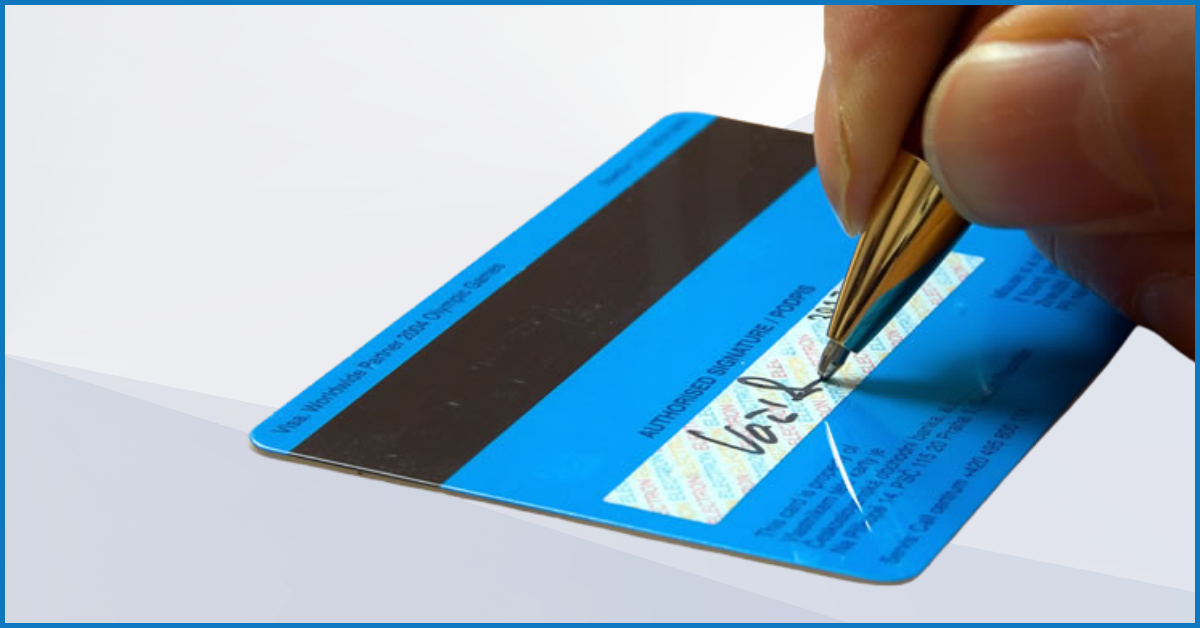
Upon receiving a new credit card, the first impulse for many is to activate it and start using it. However, taking a moment to properly sign and secure the physical card is an often-overlooked yet critical step in safeguarding your finances.
The “Signature Not Required” Debate
For many transactions, particularly those using chip-and-PIN or contactless payment (tap-to-pay), a physical signature is indeed “not required.” This reality has led some cardholders to believe that signing the card is obsolete or even unnecessary. Some even write “See ID” in the signature panel, believing it offers superior protection. While “See ID” might prompt a merchant to ask for identification, there’s no guarantee they will, and it can sometimes lead to confusion or refusal if their policies don’t permit it. Furthermore, it doesn’t offer the same level of legal protection as a signature in certain fraud scenarios. The prevailing advice from financial institutions is still to sign the card, as it aligns with the card’s intended security features and minimizes potential friction at point of sale.
Using a Consistent Signature
When you sign your card, use the same signature you would typically use for other important documents. Consistency is key. Your bank may have a record of your signature, and using a different one could raise red flags if manual verification ever occurs. Take your time; a legible signature is more effective than a hurried scrawl. This small detail contributes to the overall security posture of your credit card.
What to Do If You Make a Mistake
It’s not uncommon to smudge the signature or make a mistake when signing your new card. If this happens, do not attempt to scratch it out or apply correction fluid, as this can damage the card or raise suspicions. The best course of action is typically to request a replacement card from your issuer. While it might be an inconvenience, having a clean, properly signed card is worth the effort to ensure its full security functionality. Most card issuers are understanding of such situations and will send a replacement free of charge.
Securing the Signature Panel (e.g., “See ID”)
As mentioned, writing “See ID” is an alternative some individuals choose. While it theoretically encourages merchants to verify identity, it’s not universally recognized or mandated, and some stores might not accept a card with this inscription. It also contradicts the card networks’ (Visa, Mastercard, etc.) guidelines which generally advise signing the card. The most secure approach remains to sign the card in the designated area. If you’re concerned about identity theft, focus on strong digital security, monitoring your statements, and promptly reporting any suspicious activity, rather than relying on an unconventional modification to the card itself.
Beyond the Physical Signature: Digital Security and Account Access
The concept of “signing in” to your credit card extends far beyond the physical act on the card’s reverse. In the digital age, securing your online credit card account is arguably even more critical, as it often grants access to sensitive financial information, transaction history, and control over your credit line.
Understanding “Signing In” to Your Online Credit Card Account
Most modern credit card issuers provide robust online portals and mobile apps where cardholders can manage their accounts. “Signing in” to these platforms allows you to check balances, review transactions, make payments, update contact information, set up alerts, and even freeze or unfreeze your card. This digital access is incredibly convenient but also presents new security challenges. The login credentials – typically a username and a strong password – become the gateway to your financial life. Compromise these, and you compromise your credit card security. Therefore, treating your online login with the utmost care is paramount.
Multi-Factor Authentication (MFA) and Biometrics
A cornerstone of modern digital security is Multi-Factor Authentication (MFA), sometimes referred to as Two-Factor Authentication (2FA). This adds an extra layer of security beyond just a username and password. When MFA is enabled, after entering your password, you’ll be prompted to provide a second form of verification, such as a code sent to your phone via SMS, an email, or generated by an authenticator app. This ensures that even if a fraudster obtains your password, they cannot access your account without the second factor. Biometric authentication, utilizing fingerprints or facial recognition, offers another convenient and secure way to “sign in” to mobile banking apps, further streamlining secure access without compromising safety. Always enable MFA wherever possible on your financial accounts.
Protecting Your Digital Credentials
The responsibility for protecting your digital credit card credentials rests squarely on your shoulders. This involves several critical habits:
- Strong, Unique Passwords: Never reuse passwords across different sites. Use a combination of uppercase and lowercase letters, numbers, and symbols. Consider using a reputable password manager to generate and store complex passwords securely.
- Beware of Phishing: Be highly suspicious of unsolicited emails, texts, or calls asking for your login information. Financial institutions will rarely ask for your full password via email. Always navigate directly to your bank’s website or app.
- Secure Wi-Fi: Avoid accessing your financial accounts over public or unsecured Wi-Fi networks, which can be vulnerable to eavesdropping.
- Regular Monitoring: Regularly log in to your account to check for suspicious activity. Set up transaction alerts to be notified of any purchases.
What Happens If Your Card Isn’t Signed? Risks and Realities
While the shift to chip-and-PIN has reduced the signature’s front-line role, neglecting to sign your card can still expose you to unnecessary risks and potential inconveniences.
Potential Issues at Point of Sale
The most immediate consequence of an unsigned card is potential hassle at the point of sale. A vigilant merchant, particularly one processing a larger transaction or adhering strictly to card network rules, might notice the unsigned panel. They could refuse the transaction, ask you to sign it on the spot (which is generally discouraged), or even confiscate the card if they suspect it’s stolen. This can lead to embarrassment and delays, disrupting your shopping experience. While common in some stores, this vigilance isn’t universal, but the risk remains.
Fraud Liability and Unsigned Cards
This is where the debate gets more nuanced. Most major credit card networks (Visa, Mastercard, American Express, Discover) offer “zero liability” protection for unauthorized transactions. This means that if your card is used fraudulently, you typically won’t be held responsible for the charges, provided you report the fraud promptly.
However, the question of an unsigned card complicates matters. While zero-liability policies are strong, some cardholder agreements might implicitly or explicitly suggest that taking reasonable steps to secure your card, including signing it, is part of your responsibility. In a rare and contested fraud case, an unsigned card could potentially be leveraged by the issuer to argue that you did not take all reasonable precautions. While unlikely to completely negate zero-liability, it could add an unnecessary layer of complexity or delay to the resolution process. It’s always best to be on the side of caution and fulfill the basic security requirements set out by the card issuer.
Bank Policies and User Agreements
Ultimately, your relationship with your credit card is governed by the cardholder agreement you accept upon activation. This legally binding document outlines your responsibilities as well as the bank’s. While not always explicitly stating penalties for an unsigned card, these agreements generally advise cardholders to take all necessary steps to secure their cards. Familiarizing yourself with these terms can provide clarity on your specific card issuer’s stance, but the universal recommendation remains to sign your card.
Comprehensive Credit Card Security Strategies
Beyond the signature panel and digital login, a holistic approach to credit card security involves ongoing vigilance and proactive measures. Protecting your financial health requires a multi-faceted strategy.
Monitoring Your Statements
This is perhaps the most fundamental and effective security measure. Regularly reviewing your monthly statements, or even better, checking your online activity daily or weekly, allows you to spot fraudulent transactions quickly. Look for unfamiliar merchant names, unusual transaction amounts, or recurring charges you don’t recognize. Prompt detection is key to limiting potential damage and invoking your zero-liability protection effectively. Most card issuers allow you to set up email or SMS alerts for every transaction or for transactions above a certain amount, providing real-time oversight.
Reporting Lost or Stolen Cards Promptly
If your credit card is lost or stolen, immediate action is paramount. Contact your card issuer right away to report the incident. Most banks have 24/7 customer service lines for this very purpose. The faster you report it, the less likely you are to be held liable for fraudulent charges made after the loss. Many online portals and mobile apps now also offer the ability to temporarily “freeze” your card, which can be a useful first step if you’re unsure if it’s truly lost or just misplaced.
Understanding Your Rights as a Cardholder
As a credit cardholder, you have significant rights under consumer protection laws, such as the Fair Credit Billing Act (FCBA) in the United States. These rights govern how credit card companies must handle billing errors, disputes, and unauthorized charges. Understanding these protections empowers you to act confidently if you encounter fraud or a billing mistake. Keep records of all communication with your bank regarding disputes. Knowing your rights ensures you can leverage the protections afforded to you, providing peace of mind in an increasingly complex financial landscape.
In conclusion, while the world of credit card security has evolved dramatically, the simple act of signing your card, coupled with diligent online security practices and constant vigilance, remains a foundational element of responsible credit card management. It’s a small step that contributes significantly to your overall financial safety and peace of mind.
aViewFromTheCave is a participant in the Amazon Services LLC Associates Program, an affiliate advertising program designed to provide a means for sites to earn advertising fees by advertising and linking to Amazon.com. Amazon, the Amazon logo, AmazonSupply, and the AmazonSupply logo are trademarks of Amazon.com, Inc. or its affiliates. As an Amazon Associate we earn affiliate commissions from qualifying purchases.