
In an increasingly digital world, the methods by which we manage and transact money have undergone a profound transformation. Among the myriad of financial tools that have emerged, Venmo stands out as a particularly ubiquitous and impactful player. What began as a simple peer-to-peer (P2P) payment application has evolved into a versatile financial ecosystem, deeply embedded in the daily spending habits of millions. For anyone seeking to optimize their personal finance strategies, understanding the full scope of where and how Venmo can be utilized is crucial. This article delves into the diverse payment avenues offered by Venmo, illustrating its journey from a casual money-sharing app to an essential component of modern financial management.
Venmo’s Ascent: A Cornerstone of Modern Personal Finance
The story of Venmo is one of rapid adoption driven by convenience and a keen understanding of contemporary financial needs. Launched in 2009 and later acquired by PayPal, Venmo tapped into the demand for quick, informal money transfers between friends and family. Its social feed, initially a novel feature, humanized financial transactions, making them less sterile and more relatable. Over time, however, its utility has expanded far beyond just splitting dinner bills or rent, cementing its place as a significant financial tool.
From P2P Convenience to Broader Utility
At its core, Venmo simplifies money transfers between individuals. This P2P functionality remains central to its appeal, enabling instant payments without the hassle of cash or bank transfers. Whether it’s settling up with a roommate, contributing to a group gift, or reimbursing a friend for concert tickets, Venmo provides a frictionless experience. This ease of use not only saves time but also reduces awkward financial conversations, making it an invaluable tool for managing shared expenses in personal relationships.
However, Venmo’s strategic evolution has seen it transcend its P2P origins. Recognizing the potential for a broader financial impact, the platform has systematically integrated features that allow users to spend money in a variety of commercial settings. This expansion signals a deliberate move to position Venmo not just as a P2P app, but as a comprehensive financial instrument that can facilitate a wide spectrum of transactions, from everyday purchases to more significant financial engagements.
The Seamless Integration into Daily Financial Lives
The true measure of a financial tool’s success lies in its seamless integration into users’ daily lives. Venmo has achieved this by anticipating and addressing common pain points associated with traditional payment methods. The ability to link directly to bank accounts, debit cards, and credit cards provides flexibility, allowing users to fund payments and transfer balances with ease. This connectivity makes Venmo a dynamic financial hub, reducing the need to juggle multiple apps or accounts for different transaction types.
Furthermore, Venmo has invested heavily in creating a user-friendly interface that prioritizes simplicity and speed. The immediate notifications for incoming and outgoing payments offer real-time financial updates, which is vital for effective personal finance management. In an era where financial literacy often struggles against complex systems, Venmo offers an intuitive gateway for managing a portion of one’s disposable income and shared expenditures, making financial interactions less daunting and more accessible.
Navigating Venmo’s Payment Ecosystem: Everyday Applications
The question “where can you pay with Venmo?” encompasses a surprisingly diverse range of scenarios. Beyond its foundational P2P capability, Venmo has strategically extended its reach into various commercial and retail environments, transforming it into a versatile financial tool for everyday spending.
Splitting Expenses and Group Payments with Ease
This is arguably where Venmo shines brightest in personal finance. For anyone navigating shared living arrangements, group travel, or social outings, Venmo simplifies the often-complex task of splitting bills. Whether it’s the cost of groceries, utilities, vacation rentals, or a round of drinks, a few taps allow for precise calculations and instant transfers, ensuring everyone pays their fair share without the need for cash or tedious manual tracking. This feature is instrumental in maintaining financial harmony within friend groups and households.
Transacting with Small Businesses and Local Services
Recognizing the growing trend of digital payments, many small businesses, freelancers, and sole proprietorships have adopted Venmo as a legitimate payment option. From local coffee shops and food trucks to independent contractors like personal trainers, tutors, or stylists, a growing number of service providers accept Venmo payments. This often provides a low-cost and convenient alternative to traditional card readers or cash, benefiting both the business and the customer. For users, it means the ability to support local economies and pay for services quickly and securely using an app they already trust, further solidifying Venmo’s role as a financial tool for community engagement. Businesses often display Venmo QR codes or provide their usernames, making transactions straightforward.
Online and In-App Purchases: A Growing Frontier
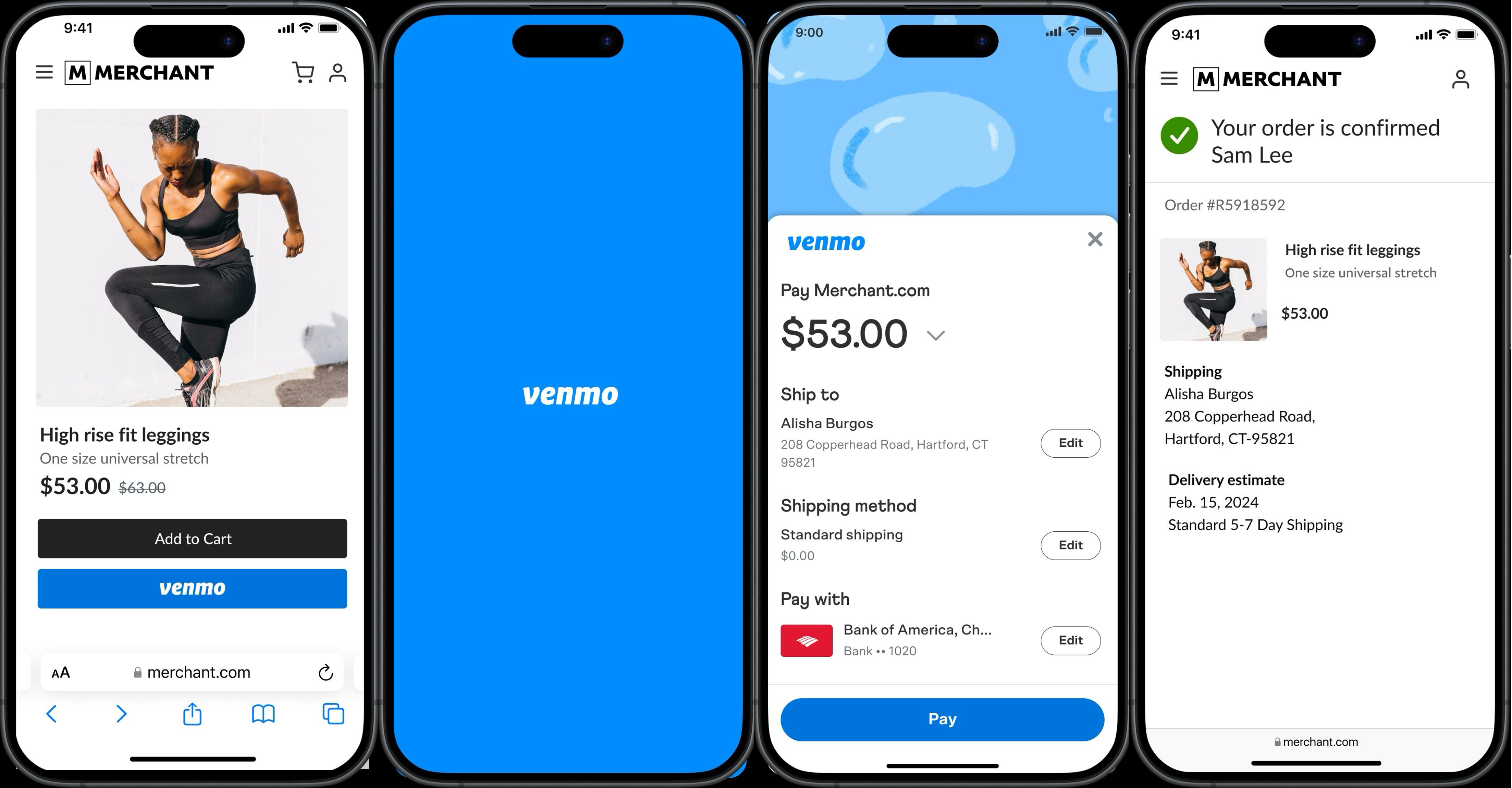
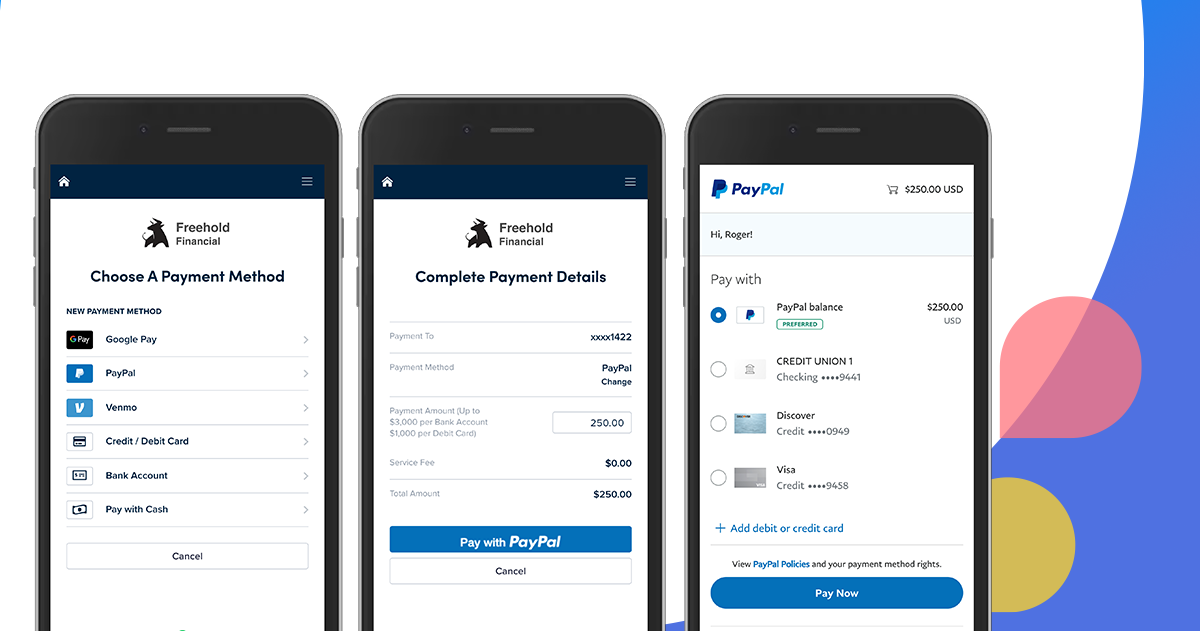
Venmo has made significant inroads into the e-commerce landscape. Many online retailers and mobile applications now offer Venmo as a payment option at checkout. This integration allows users to leverage their Venmo balance, linked bank accounts, or cards for purchases with just a few clicks, bypassing the need to re-enter payment details. This frictionless checkout experience is a major draw, enhancing convenience and potentially speeding up transactions. Brands ranging from clothing retailers to food delivery services have recognized the value of catering to Venmo’s vast user base, making it a viable payment method across a broad spectrum of digital marketplaces. This expansion positions Venmo directly alongside credit cards and PayPal as a primary online payment facilitator.
Beyond the Basics: Expanding Financial Horizons with Venmo
While its everyday utility is undeniable, Venmo has also ventured into more advanced financial services, further solidifying its position as a multi-faceted financial tool. These innovations cater to users looking for more comprehensive ways to manage their money, from spending to saving and even investing.
Venmo Debit and Credit Cards: Extending Your Reach
To bridge the gap between digital balances and physical point-of-sale transactions, Venmo offers its own branded debit and credit cards. The Venmo Debit Card functions like a traditional debit card but draws directly from a user’s Venmo balance. This means that funds received from friends or businesses can be spent instantly wherever Mastercard is accepted, eliminating the need to transfer money to a separate bank account first. This provides unprecedented flexibility for users who frequently receive money on Venmo and wish to use those funds for everyday purchases.
Similarly, the Venmo Credit Card, issued by Synchrony Bank, integrates seamlessly with the Venmo app. It offers rewards on purchases made in eligible categories where users spend the most, and these rewards are automatically deposited into their Venmo account. This card allows users to build credit while earning cash back, making it a compelling financial product for those seeking to optimize their spending and potentially improve their credit profile, all within the familiar Venmo ecosystem. These cards effectively transform Venmo from a simple app into a direct conduit for all spending, both online and offline.
Direct Deposit and Cryptocurrency: Advanced Financial Features
Demonstrating its ambition to be a more complete financial solution, Venmo has introduced features like Direct Deposit. Users can set up direct deposit for their paychecks or government payments directly into their Venmo account. This transforms Venmo into a primary banking alternative for some users, enabling faster access to funds and simplifying their financial flow. This feature is particularly attractive for those who rely heavily on Venmo for daily transactions and prefer to consolidate their financial activities.
Furthermore, Venmo has embraced the burgeoning world of digital assets by allowing users to buy, hold, and sell cryptocurrency directly within the app. This feature, starting with Bitcoin, Ethereum, Litecoin, and Bitcoin Cash, democratizes access to the crypto market, enabling users to dip their toes into investing without leaving the platform. While distinct from direct payment capabilities, this offering highlights Venmo’s commitment to evolving as a holistic financial tool, catering to the diverse and emerging financial interests of its user base.
Using Venmo for Budgeting and Tracking Spend
While Venmo doesn’t offer sophisticated budgeting tools like dedicated financial planning apps, its transaction history serves as a valuable resource for tracking spending. Every payment, whether P2P or commercial, is logged, creating a detailed record of outgoing funds. Users can export their transaction history, which can then be imported into spreadsheets or other budgeting software for more comprehensive analysis. For those who primarily use Venmo for discretionary spending, this history provides a clear snapshot of where their money is going, facilitating better awareness and control over their financial habits. Regular review of Venmo’s activity feed can be a simple yet effective way to stay on top of personal finances, identify spending patterns, and make informed adjustments.
Strategic Financial Management with Venmo: Best Practices
While Venmo offers unparalleled convenience, strategic use is key to maximizing its benefits as a financial tool while mitigating potential risks. Responsible financial management extends beyond merely knowing where to pay; it involves understanding the nuances of the platform, safeguarding personal information, and integrating it wisely into a broader financial strategy.
Maximizing Security and Privacy for Financial Well-being
Given that Venmo deals with money, security and privacy are paramount. Users should always enable strong, unique passwords and two-factor authentication (2FA) for an added layer of protection. It’s crucial to be wary of phishing attempts and only interact with verified payment requests. For privacy, users have the option to make their transactions private, hiding them from the public social feed – a wise choice for most financial activities. Regularly reviewing account activity for unauthorized transactions is also a critical best practice. By taking these proactive steps, users can significantly reduce their exposure to fraud and maintain control over their financial data.
Understanding Fees and Transaction Limits
While many Venmo transactions are free (e.g., standard P2P payments funded by a linked bank account or Venmo balance), certain services incur fees. For instance, instant transfers to a bank account typically come with a small percentage fee, as do payments funded by a credit card. Cryptocurrency purchases also involve fees. Furthermore, Venmo imposes transaction limits on sending money, weekly spending limits on cards, and limits on instant transfers. Understanding these limits and associated costs is vital for effective financial planning and avoiding unexpected charges or payment delays. Always consult Venmo’s official terms and conditions for the most current fee schedule and limits.
Integrating Venmo into a Holistic Financial Plan
For Venmo to truly serve as a valuable financial tool, it should be integrated thoughtfully into a larger personal financial strategy. This means deciding when Venmo is the most appropriate payment method and when other tools, such as traditional bank accounts, dedicated budgeting apps, or investment platforms, might be better suited. For shared expenses, small business payments, and casual online purchases, Venmo is exceptionally efficient. However, for large-scale investments, long-term savings, or complex financial planning, it typically complements rather than replaces traditional financial institutions. By strategically allocating different financial activities to the most suitable tools, users can build a robust and efficient system for managing their money.

Conclusion: Venmo as a Versatile Financial Partner
From its beginnings as a simple app for splitting bills, Venmo has blossomed into a sophisticated financial tool deeply integrated into the modern economy. Its expansive utility allows users to pay friends, patronize small businesses, complete online purchases, and even access advanced financial services like debit cards, credit cards, direct deposit, and cryptocurrency trading. By understanding the vast ecosystem of “where you can pay with Venmo,” users are empowered to leverage its convenience and efficiency for more effective personal finance management. As digital payments continue to evolve, Venmo stands as a testament to innovation, offering a versatile and increasingly indispensable partner in navigating the complexities of contemporary financial life.
aViewFromTheCave is a participant in the Amazon Services LLC Associates Program, an affiliate advertising program designed to provide a means for sites to earn advertising fees by advertising and linking to Amazon.com. Amazon, the Amazon logo, AmazonSupply, and the AmazonSupply logo are trademarks of Amazon.com, Inc. or its affiliates. As an Amazon Associate we earn affiliate commissions from qualifying purchases.