
In an increasingly digital economy, the way we manage and spend our money is undergoing a profound transformation. Cash and traditional credit cards, while still prevalent, are often supplemented or even supplanted by innovative digital payment solutions. Among these, Venmo has emerged as a particularly influential player, especially among younger demographics. Initially popularized for its peer-to-peer (P2P) payment capabilities, allowing friends to easily split bills or send money, Venmo has significantly expanded its utility, venturing into the realm of retail transactions. The question, “What stores use Venmo?” is no longer niche but rather a pertinent inquiry for millions of users seeking convenient, secure, and integrated ways to manage their personal finance and spending.

Understanding where Venmo is accepted isn’t just about convenience; it’s about leveraging a financial tool that offers unique advantages for both consumers and businesses. For individuals, it means streamlining budgeting, simplifying checkout processes, and accessing funds readily. For merchants, it opens a door to a vast, digitally-native customer base, potentially boosting sales and modernizing payment infrastructure. This article delves into the expanding landscape of Venmo acceptance, highlighting key retailers, explaining how to identify Venmo-friendly merchants, and discussing the broader financial implications of this growing payment method.
The Evolution of Digital Payments and Venmo’s Retail Expansion
The journey from cash to digital wallets has been swift and disruptive, fundamentally reshaping how we interact with money. Venmo, a subsidiary of PayPal, has been at the forefront of this evolution, transitioning from a casual P2P app to a significant player in the retail payment ecosystem. This shift is driven by a confluence of technological advancements, changing consumer expectations, and businesses’ desire to offer flexible financial tools.
Venmo’s Journey from P2P to Point-of-Sale
Venmo launched in 2009, quickly gaining traction for its user-friendly interface and social feed that made sending and requesting money among friends feel effortless. Its initial success was built on solving common personal finance dilemmas, like splitting dinner tabs or rent payments. However, the potential for Venmo to transcend P2P transactions was evident. Millions of users had funds sitting in their Venmo balances, and the logical next step was to enable them to spend that money directly with merchants.
PayPal, recognizing this untapped potential, integrated Venmo as a payment option for online and mobile purchases. This strategic move allowed Venmo users to pay at millions of online stores that already accepted PayPal. Further innovations, such as the Venmo Debit Card and the ability to pay with QR codes in physical stores, solidified its position as a versatile financial tool. This expansion has been critical in transforming Venmo from merely a money transfer app into a comprehensive spending solution, directly impacting users’ personal finance management and purchasing power.
Why Merchants are Embracing Venmo
For businesses, accepting a new payment method is a strategic decision rooted in financial considerations and market demands. The move to accept Venmo is often a calculated one, offering several compelling advantages from a business finance perspective:
- Access to a New Demographic: Venmo boasts a significant user base, predominantly millennials and Gen Z. By accepting Venmo, businesses can tap into this digitally-savvy demographic, potentially expanding their customer base and attracting younger consumers who prefer digital payment options.
- Reduced Cart Abandonment: Offering more payment choices, including popular digital wallets like Venmo, can reduce friction at checkout. Consumers are more likely to complete a purchase if their preferred payment method is available, leading to higher conversion rates, especially in e-commerce.
- Enhanced Customer Experience: Convenience is king in retail. A seamless checkout process, whether online or in-store, contributes to a positive customer experience, fostering loyalty and repeat business. Venmo’s quick and intuitive payment flow aligns perfectly with this objective.
- Integration with Existing Systems: For many businesses, especially online, accepting Venmo often leverages existing PayPal integrations, simplifying the technical setup. This makes adoption less burdensome from an IT and financial management standpoint.
- Competitive Advantage: In a crowded marketplace, offering diverse payment options can differentiate a business from its competitors. Early adopters of popular digital payment methods can gain a reputational edge.
The decision to accept Venmo is therefore a strategic investment for merchants, aligning with modern consumer trends and potentially enhancing their financial performance by broadening their reach and improving transaction efficiency.
Where Can You Spend with Venmo? A Comprehensive Overview
The expansion of Venmo’s acceptance has been gradual but significant, encompassing a wide array of retailers and services. Understanding the different avenues through which you can use Venmo to make purchases is key to maximizing this financial tool.
Online Retailers and E-commerce Platforms
The most widespread acceptance of Venmo is found in the online retail space, primarily due to its integration with PayPal. Millions of online stores that accept PayPal as a payment option also allow customers to pay with Venmo. This is because Venmo essentially acts as an extension of the PayPal network for qualifying purchases.
When checking out online, look for the “Pay with PayPal” button. Upon clicking this, you’ll often be presented with an option to select Venmo from your linked payment methods, provided you have a Venmo balance or a linked bank account/debit card. This includes a vast ecosystem of small businesses, major e-commerce platforms, and direct-to-consumer brands across various industries, from fashion and electronics to home goods and subscriptions. This widespread online acceptance makes Venmo a powerful tool for managing digital spending.
In-Store Payments: QR Codes and Debit Cards
While online payments are dominant, Venmo has also made significant strides into physical retail locations. This is primarily facilitated through two key methods:
- QR Code Payments: Many brick-and-mortar stores, particularly larger chains and some small businesses, have started displaying Venmo QR codes at their checkout counters. Customers simply open their Venmo app, tap the “Scan” icon, scan the merchant’s QR code, and confirm the payment. This method provides a contactless and quick way to pay, leveraging the ubiquity of smartphones as a financial tool. Major retailers like CVS, Hudson News, and several others have adopted this technology.
- Venmo Debit Card: For stores that don’t directly accept Venmo QR codes, the Venmo Debit Card offers a workaround. This card, linked directly to your Venmo balance, functions like any other Mastercard debit card. You can use it anywhere Mastercard is accepted, drawing funds directly from your Venmo balance. If your balance is insufficient, it can pull from a linked bank account, offering seamless personal finance management. This significantly broadens the usability of Venmo funds in physical retail environments.
Food, Dining, and Delivery Services
The food industry has been an early and enthusiastic adopter of digital payment methods, and Venmo is no exception.
- Food Delivery Apps: Major food delivery services like Uber Eats and Grubhub, among others, often accept Venmo as a payment option, allowing users to pay for meals directly from their Venmo balance. This is particularly convenient for splitting orders or using funds received from friends.
- Restaurant and Café Chains: A growing number of fast-casual and quick-service restaurant chains, particularly those that integrate with PayPal or have mobile ordering systems, are beginning to accept Venmo. This offers a quick and easy way for customers to pay without fumbling for cash or cards.
- Grocery Stores and Pharmacies: Retailers like CVS, as mentioned, have been early adopters of Venmo QR code payments, making it easier for customers to pay for everyday essentials. This integration expands Venmo’s reach into essential spending categories, further solidifying its role as a versatile financial tool.
Travel and Entertainment
Beyond everyday purchases, Venmo is also finding its place in leisure and entertainment sectors.
- Ticketing Services: Some online ticketing platforms for concerts, movies, and events may offer Venmo as a payment option, often through their PayPal integration.
- Travel Aggregators: Certain online travel agencies or booking sites might also include Venmo as a payment choice, especially for flights and accommodations, making it easier to manage travel expenses from your digital wallet.
- Ride-Sharing Services: Similar to food delivery, some ride-sharing platforms have integrated Venmo, allowing users to pay for their trips directly from their Venmo balance.
The widespread and diverse acceptance of Venmo across these categories underscores its growing importance as a mainstream financial tool for personal spending.
How to Identify Venmo-Accepting Merchants
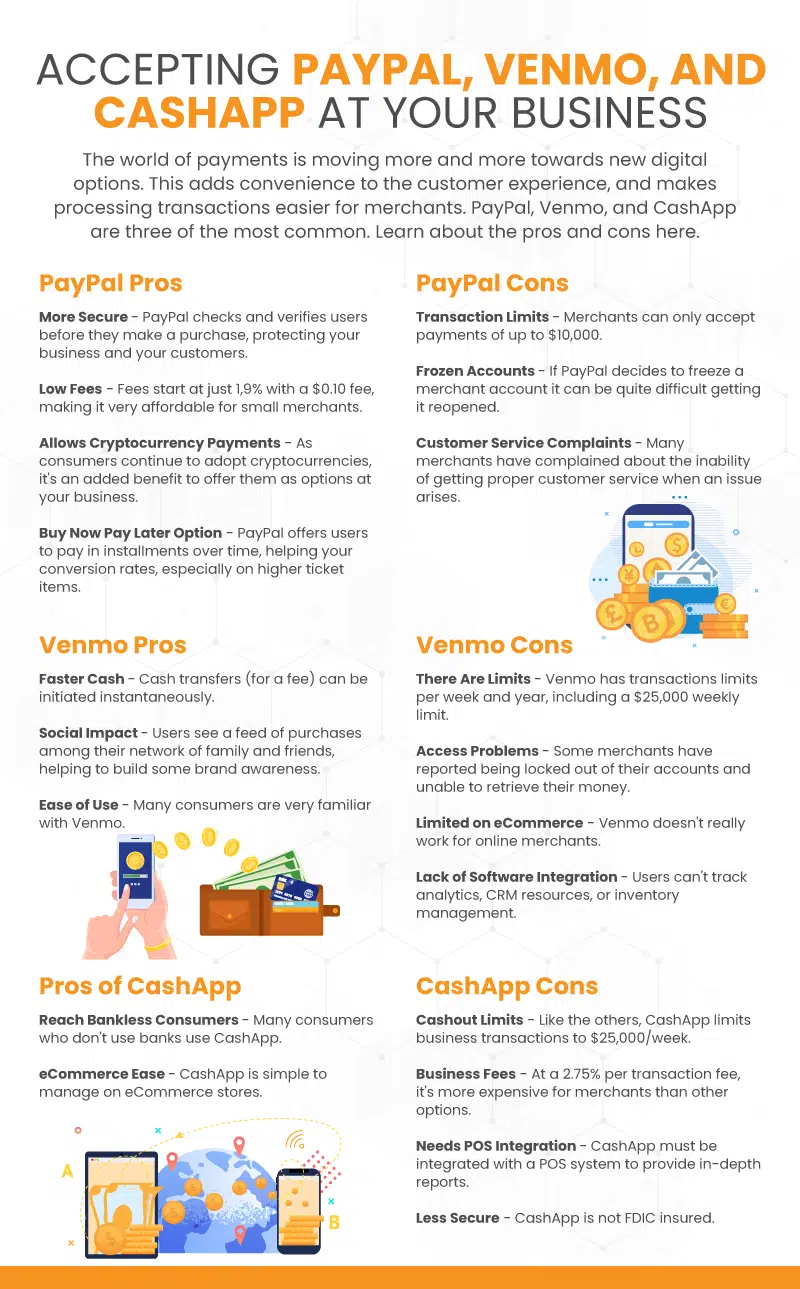
Navigating the landscape of Venmo-friendly stores can sometimes be tricky, but there are several reliable ways to determine if a merchant accepts this payment method. Empowering yourself with this knowledge enhances your personal finance flexibility.
Leveraging Venmo’s In-App Features
The Venmo app itself is often the best resource for finding accepting merchants.
- In-App Map or Search: Venmo periodically updates its app with features that allow users to discover nearby businesses that accept Venmo. While not always exhaustive, this can be a helpful starting point, especially for local businesses.
- “Pay with Venmo” Option: When making a payment, the app might highlight participating merchants or offer guidance on how to pay with Venmo at supported locations.
- Direct Payments to Businesses: Some small businesses might have a Venmo business profile. You can search for their business name within the app and send payments directly, similar to a P2P transaction but marked as a business payment, often for a small fee for the business. This is common for service providers or independent sellers.
Looking for Payment Logos and Signage
In both online and physical retail environments, visual cues are often the most straightforward indicators.
- Online Checkout Pages: When shopping online, look for the Venmo logo alongside other payment options like Visa, Mastercard, or PayPal. Often, it will be presented as an option after you select “Pay with PayPal.”
- In-Store Signage: At brick-and-mortar locations, keep an eye out for Venmo decals, stickers, or signs at the checkout counter. These often feature the distinctive Venmo logo or a QR code specifically for Venmo payments. Cashiers may also verbally confirm Venmo acceptance.
- Website FAQs or Payment Sections: Many businesses list their accepted payment methods on their website, often in an FAQ section or at the bottom of the homepage. Checking here before you shop can save time.
Directly Asking Merchants
When in doubt, the simplest approach is often the most effective. Don’t hesitate to politely ask the store’s staff if they accept Venmo. As digital payments become more common, cashiers are usually well-informed about the payment options available. This direct approach can save you from potential inconvenience and also provides feedback to businesses about consumer demand for certain financial tools.
Benefits and Considerations for Using Venmo at Stores
Using Venmo for retail purchases comes with a distinct set of advantages and a few considerations, making it an integral part of modern personal finance management for many.
For Consumers: Streamlined Transactions and Budgeting Insights
From a personal finance perspective, Venmo offers several compelling benefits:
- Convenience and Speed: Venmo transactions are typically fast and require minimal input, especially with QR codes or saved payment information online. This speeds up the checkout process, enhancing the overall shopping experience.
- Digital Record-Keeping: Every Venmo transaction is logged within the app, creating a clear digital trail of your spending. This can be invaluable for budgeting, tracking expenses, and reconciling your financial accounts, offering insights into where your money goes.
- Access to Funds: For those who receive money regularly via Venmo (e.g., from friends, for freelance work), being able to spend that balance directly at stores eliminates the need to transfer funds to a bank account, providing immediate liquidity.
- Security Features: Venmo employs various security measures, including encryption and fraud protection, to safeguard user data and transactions. While no system is foolproof, these features offer a layer of protection similar to traditional banking apps.
For Businesses: Expanding Customer Base and Reducing Friction
From a business finance perspective, accepting Venmo can significantly benefit merchants:
- Attracting Younger Consumers: As previously discussed, Venmo’s strong appeal to younger demographics helps businesses reach a crucial and growing market segment.
- Reduced Checkout Friction: Offering multiple payment options, including Venmo, can minimize cart abandonment and ensure a smoother transaction process, which directly impacts sales and customer satisfaction.
- Potential for Cost Savings: While Venmo charges a standard merchant fee for business transactions (typically around 1.9% + $0.10 for qualifying purchases), these fees can sometimes be competitive with or lower than certain credit card processing rates, depending on the volume and type of transaction. This can positively impact a business’s bottom line.
- Modern Image: Adopting cutting-edge payment solutions projects a modern and customer-focused image, which can enhance brand perception and loyalty.
Important Considerations: Fees, Limits, and Security
While advantageous, using Venmo for purchases also comes with important financial considerations:
- Merchant Fees for Businesses: Businesses should be aware of the transaction fees associated with accepting Venmo payments, which impact their overall business finance. These fees are typically deducted from the payment received.
- Transaction Limits for Consumers: Venmo has daily and weekly spending limits, which can vary based on whether your identity is verified. Users should be aware of these limits, especially for large purchases, to avoid payment declines.
- Security Best Practices: While Venmo is secure, users should always practice good digital security habits: use strong, unique passwords, enable two-factor authentication, and be wary of phishing attempts or scams. Regularly monitoring transactions within the app is also a good practice for personal finance management.
- Returns and Disputes: Understanding the process for returns and transaction disputes when using Venmo is crucial. While generally straightforward, it can differ slightly from traditional credit card disputes.
The Future of Venmo in Retail and Beyond
The trajectory of Venmo’s integration into the retail payment landscape suggests a continued expansion, solidifying its position as a ubiquitous financial tool for everyday spending. As digital transformation accelerates, Venmo is poised to play an even more significant role in how consumers manage their money and interact with businesses.
Expanding Use Cases and Merchant Adoption
We can anticipate several trends influencing Venmo’s future:
- Increased In-Store QR Code Adoption: As contactless payments become the norm, more physical retailers, including smaller businesses, are likely to implement Venmo QR codes, making it easier for customers to pay directly from their phones.
- Enhanced App Functionality: Venmo may continue to roll out new features within its app to further integrate personal finance management tools, such as spending insights, budgeting categories, or even loyalty programs tied to purchases.
- Broader Integration with E-commerce Platforms: While already widely accepted online via PayPal, deeper and more seamless integrations with various e-commerce platforms and direct-to-consumer brands are likely.
- Financial Product Diversification: Venmo has already introduced a debit card and a credit card. Further financial products and services, such as savings features or investment options directly within the app, could emerge, transforming it into a more comprehensive financial ecosystem.
Competition and Innovation in the Payment Space
Venmo operates in a highly competitive arena, facing rivals like Apple Pay, Google Pay, Zelle, and other digital wallets. This competition drives continuous innovation, benefiting both consumers and businesses. Payment processors are constantly seeking to offer lower fees, faster settlements, and more robust security features, which will inevitably shape Venmo’s strategic direction. The push for open banking and real-time payments will also influence how Venmo evolves its services, potentially offering even greater speed and flexibility in personal and business financial transactions.

The Broader Impact on Personal Finance Management
Ultimately, the growth of Venmo’s retail acceptance has profound implications for personal finance management. It encourages a shift away from cash and physical cards towards a more digital-first approach to spending. For many, Venmo becomes the primary interface for managing a significant portion of their daily expenses, from splitting bills to buying groceries. This requires users to be more digitally literate in managing their money, understanding transaction histories, and leveraging in-app tools for budgeting. As Venmo continues to evolve, it will undoubtedly shape the financial habits and expectations of a generation, making it an indispensable tool for navigating the modern economic landscape.
aViewFromTheCave is a participant in the Amazon Services LLC Associates Program, an affiliate advertising program designed to provide a means for sites to earn advertising fees by advertising and linking to Amazon.com. Amazon, the Amazon logo, AmazonSupply, and the AmazonSupply logo are trademarks of Amazon.com, Inc. or its affiliates. As an Amazon Associate we earn affiliate commissions from qualifying purchases.