
In an increasingly interconnected world, the ability to send money to friends, family, or businesses, both domestically and internationally, has become a fundamental aspect of personal and business finance. Whether it’s splitting a restaurant bill, sending financial support to a loved one abroad, paying a contractor, or completing an online purchase, understanding the various methods, their associated costs, and security implications is paramount. The landscape of money transfers is dynamic, offering a spectrum of options from traditional bank wires to instant digital payment apps. This guide aims to demystify these options, empowering you to make informed decisions that prioritize security, cost-effectiveness, and convenience for both the sender and the recipient. By navigating the complexities of fees, exchange rates, speed, and fraud prevention, you can ensure your funds reach their intended destination efficiently and safely.

Understanding Your Money Transfer Options
The market for sending money is diverse, offering tailored solutions for different needs. Your choice will largely depend on the urgency of the transfer, the amount being sent, the recipient’s location, and their access to various financial instruments.
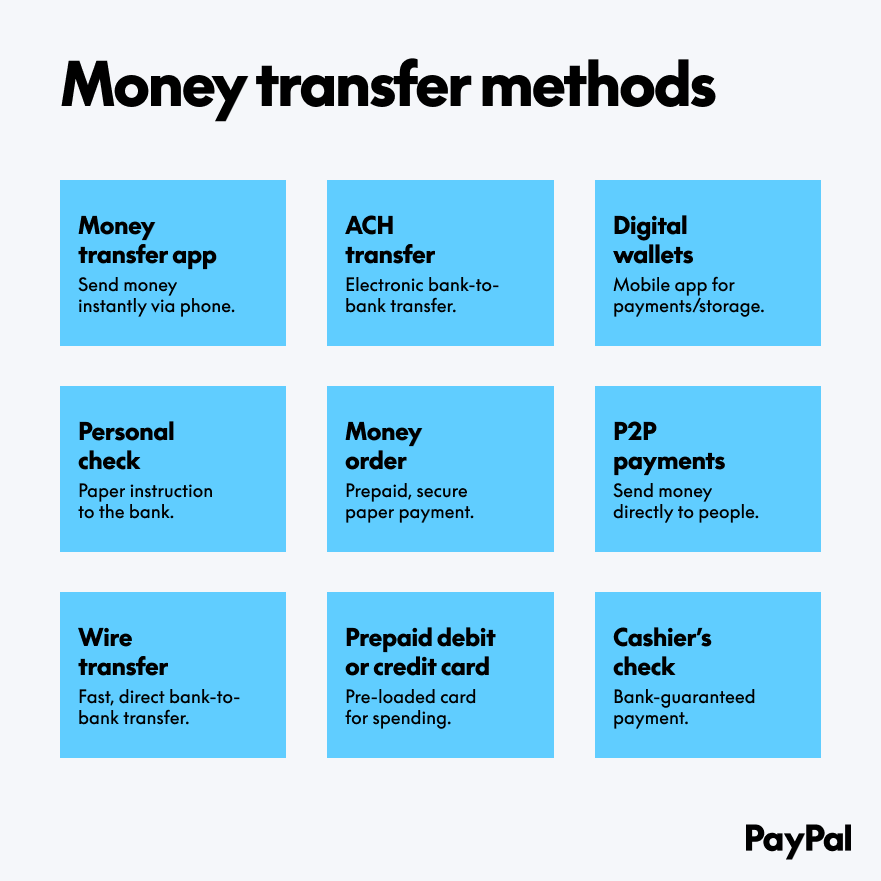
Traditional Bank Transfers (Wire Transfers & ACH)
Banks remain a cornerstone for financial transactions, offering robust and reliable methods for transferring money.
- Wire Transfers: These are direct, electronic transfers of funds from one bank account to another, typically processed through systems like SWIFT for international transfers or Fedwire for domestic ones in the US. They are generally fast, often completing within hours for domestic transfers and 1-5 business days internationally, and are suitable for large sums due to high security protocols. However, wire transfers are usually the most expensive option, with fees ranging from $25 to $50 per transaction, and can sometimes be irreversible, making verification critical.
- Automated Clearing House (ACH) Transfers: ACH transfers are electronic payments processed in batches by a clearing house network. They are commonly used for direct deposits of paychecks, bill payments, and inter-bank transfers within the same country (primarily the US). ACH transfers are significantly cheaper, often free, but slower than wire transfers, typically taking 1-3 business days to clear. They are ideal for routine payments where speed is not the primary concern.
Digital Payment Apps & Peer-to-Peer (P2P) Services
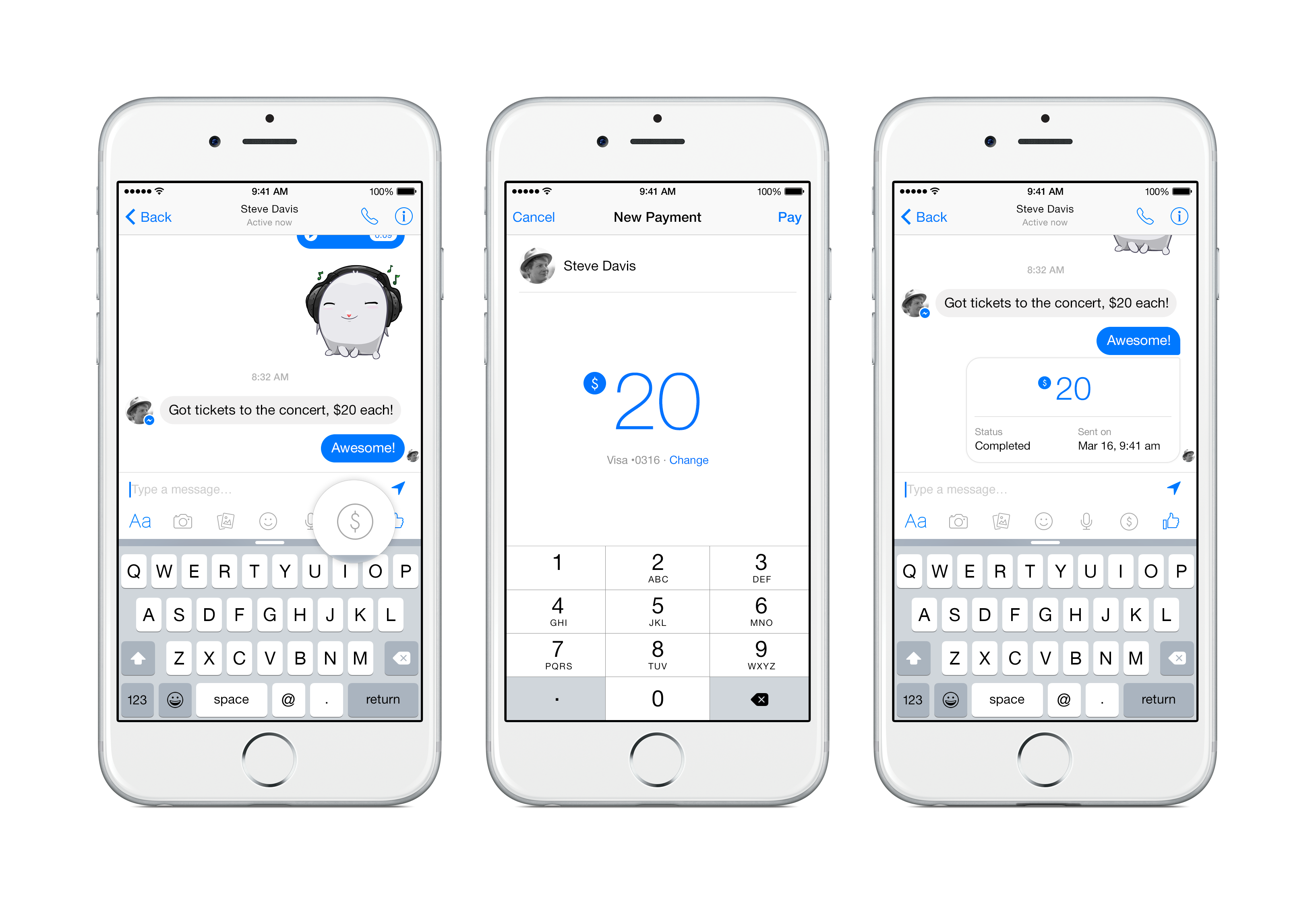
The rise of smartphones has led to an explosion in popularity for P2P payment apps, making casual money transfers simpler than ever.
- Examples: Venmo, Zelle, Cash App, PayPal, Apple Pay, Google Pay. These apps allow users to send and receive money directly from their mobile devices, often linking to a bank account or debit card.
- Benefits: They offer unparalleled convenience and speed, with many transfers being instant between users of the same app. For domestic transfers, these services are often free when funded by a linked bank account or debit card. They are excellent for splitting bills, sending small gifts, or paying for services with friends.
- Considerations: While convenient, these services typically have daily or weekly transaction limits. Security relies heavily on the user being vigilant about who they are sending money to, as payments are often irreversible once sent. Some services may charge a fee for instant transfers or when using a credit card as the funding source.
Online Money Transfer Services
These specialized platforms have emerged as strong contenders, particularly for international transfers, by focusing on competitive exchange rates and lower fees than traditional banks.
- Examples: Wise (formerly TransferWise), Xoom (a PayPal service), Remitly, WorldRemit, OFX. These services facilitate transfers to various countries, often offering multiple payout options like bank deposits, cash pickup, mobile wallet top-ups, or even home delivery in some regions.
- Benefits: They often boast more favorable exchange rates than traditional banks by using the mid-market rate and applying a transparent, upfront fee. They can be significantly cheaper for international transfers, and many provide clear tracking of the transfer status.
- Considerations: While generally faster than traditional international wires, delivery times can still vary based on the destination country and payout method. It’s crucial to compare not just the fees, but also the effective exchange rate to determine the true cost of the transfer.
Money Orders and Cashier’s Checks
For those without bank accounts or needing a guaranteed form of payment without using digital methods, money orders and cashier’s checks remain viable options.
- Money Orders: Purchased at post offices, banks, or certain retail stores, money orders are pre-paid certificates for a specified amount, signed by the sender and payable to a recipient. They offer a secure way to send money without revealing bank account details and are typically affordable, with small fees. They are often capped at lower amounts (e.g., $1,000).
- Cashier’s Checks: Issued by a bank, a cashier’s check is drawn on the bank’s own funds, guaranteeing payment. These are suitable for larger transactions where the recipient requires absolute assurance of funds, such as buying a car. They are more expensive than money orders and require a bank account to purchase. Both methods require physical delivery and are not suitable for urgent transfers.
Key Factors to Consider Before Sending Money
Before initiating any money transfer, a thoughtful evaluation of several critical factors can prevent costly mistakes and enhance the security of your funds.
Security and Fraud Prevention
The digital age, while convenient, also brings increased risks of fraud and scams. Prioritizing security is paramount.
- Verify the Recipient: Always double-check the identity of the person you’re sending money to. Confirm their name, account numbers, email addresses, and phone numbers through a separate, trusted channel (e.g., a phone call to a known number, not an email address provided in a suspicious request).
- Use Reputable Services: Stick to well-known and regulated financial institutions and payment services that employ robust encryption, fraud detection, and customer support.
- Beware of Scams: Be highly suspicious of unsolicited requests for money, especially from individuals claiming to be in distress, lottery winnings, or tech support scams. Never send money to someone you haven’t met in person or whose identity you cannot independently verify.
Costs and Fees
The total cost of a transfer extends beyond just the stated transaction fee. Understanding all potential charges is crucial for smart financial management.
- Transaction Fees: These are the most obvious costs, varying widely among services and transfer types. Some services offer fee-free transfers for certain amounts or methods, while others charge a flat fee or a percentage of the amount sent.
- Exchange Rates: For international transfers, the exchange rate can significantly impact the final amount the recipient receives. Banks often apply a markup on the interbank (mid-market) rate, effectively increasing the cost. Online transfer services generally offer more competitive, transparent exchange rates. Always compare the “sender pays” amount versus the “recipient receives” amount.
- Hidden Charges: Look out for additional fees like cash pickup fees, credit card processing fees, or fees for specific delivery methods.
Speed and Convenience
The urgency of the transfer and the ease of use for both parties should influence your choice of service.
- Immediate Needs: For urgent transfers, P2P apps (like Zelle or Venmo) for domestic transfers or wire transfers for large, time-sensitive international payments are often the fastest. Many online international services also offer expedited options.
- Less Urgent: ACH transfers, money orders, or standard online international transfers are suitable when time is not of the essence.
- Accessibility: Consider how easy it is for the recipient to access the funds. Do they have a bank account, or do they prefer cash pickup? Is a mobile wallet an option in their country?
Recipient’s Access and Preferences
The method that works best for you might not be the most suitable for the person receiving the money.
- Banking Status: Does the recipient have a bank account? If not, cash pickup services, money orders, or mobile wallet transfers might be necessary.
- Technological Comfort: Are they comfortable using digital apps, or do they prefer more traditional methods?
- Local Infrastructure: In some regions, certain digital payment options or bank services may be less developed or accessible. Research the available options in the recipient’s location.
Transfer Limits
Most services impose limits on how much money can be sent or received within a specific timeframe (daily, weekly, monthly).
- Compliance: These limits are often in place for security reasons and to comply with anti-money laundering (AML) regulations.
- Planning: If you need to send a large sum, you might need to use a bank wire, break the transfer into multiple smaller transactions, or verify your identity to increase limits with certain online services.
Navigating International Money Transfers
Sending money across borders introduces additional layers of complexity, primarily related to currency exchange and regulatory compliance.
Exchange Rates: The Hidden Cost
Understanding how exchange rates work is crucial for maximizing the value of your international transfer.
- Mid-Market Rate: This is the real exchange rate you see on Google or Reuters – the midpoint between the buy and sell rates of two currencies.
- Provider Markups: Most banks and some transfer services add a “spread” or markup to the mid-market rate. This means they sell you the foreign currency at a slightly higher rate than they buy it, generating profit.
- Transparency: Reputable online money transfer services pride themselves on transparent pricing, often showing you the exact mid-market rate, their small fixed fee, and the total amount the recipient will receive upfront. Always compare the total cost, including the effect of the exchange rate, not just the upfront fee.
Regulatory Compliance and Anti-Money Laundering (AML)
International money transfers are subject to strict regulations designed to prevent financial crime.
- Know Your Customer (KYC): Financial institutions are required to verify the identity of their customers. For larger transfers, you will likely be asked to provide identification documents (passport, driver’s license), proof of address, and sometimes even the source of funds or the purpose of the transfer. This is a standard procedure and helps protect against fraud and illegal activities.
- Reporting Thresholds: Transfers exceeding certain thresholds (e.g., $10,000 in the US) are typically reported to government authorities. This isn’t usually a concern for legitimate transfers but is part of the regulatory framework.
Choosing the Right International Service
The “best” service for international transfers is subjective and depends on your specific needs.
- Compare Aggregators: Websites exist that allow you to compare exchange rates and fees across multiple international transfer services for your specific corridor.
- Factors to Weigh: Consider the destination country, the payout methods available there, the desired speed, the amount you’re sending, and of course, the total cost (fees + exchange rate). For regular, smaller transfers, an online service might be best. For very large, one-off sums, a traditional bank wire might still be appropriate despite higher fees, due to the perceived security and familiarity.
Best Practices for Secure and Smart Money Transfers
To ensure your money transfers are always safe, efficient, and cost-effective, adopt these best practices into your financial habits.
Always Verify Recipient Details
This cannot be stressed enough. A single incorrect digit in an account number or a typo in an email address can lead to funds being sent to the wrong person, which can be incredibly difficult, if not impossible, to reverse.
- Confirm: Speak directly with the recipient to confirm all details (full name, account number, routing number, address for cash pickup) before initiating the transfer. For businesses, ensure you’re using their official payment channels.
- Test Small Amounts: For new recipients or large sums, consider sending a tiny amount first (e.g., $1) to confirm it reaches them correctly before sending the full amount.
Understand the Fine Print
Ignorance of terms and conditions can lead to unexpected fees or delays.
- Read Carefully: Always review the service’s terms and conditions, fee schedules, and privacy policy before committing.
- Dispute Resolution: Understand the process for disputing a transaction or resolving an issue if something goes wrong.
Keep Records
Maintain a comprehensive record of all your money transfers.
- Documentation: Save transaction IDs, confirmation emails, receipts, and any communication related to the transfer. This documentation is invaluable for tracking the transfer, proving payment, or resolving disputes if they arise.
- Monitor Accounts: Regularly check your bank and app statements to ensure all transfers were processed correctly and to identify any unauthorized activity.
Be Wary of Scams
Scammers are constantly evolving their tactics, preying on vulnerability and urgency.
- “Emergency” Scams: Be skeptical of urgent requests for money from someone claiming to be a family member or friend in distress, especially if they ask you to send money via an unusual method. Always verify their identity through an independent channel.
- Online Purchase Scams: Never send money for goods or services if you are unsure of the seller’s legitimacy, especially for classifieds or social media marketplace purchases. Use payment methods with buyer protection when available.
- Lottery or Inheritance Scams: If you didn’t enter a lottery, you can’t win it. Never pay an “upfront fee” to release winnings or an inheritance. These are always scams.
- Rule of Thumb: If it sounds too good to be true, it probably is. If someone pressure you to send money quickly, it’s a red flag. Always take your time to investigate.
Conclusion
Sending money to people, whether down the street or across continents, has never been easier, thanks to a proliferation of financial tools and services. However, this convenience comes with the responsibility of making informed choices. By carefully considering the various transfer options, understanding their associated costs, prioritizing robust security measures, and verifying recipient details, you can navigate the financial landscape with confidence. From the traditional reliability of bank wires to the instantaneous ease of digital apps and the cost-effectiveness of online transfer services, each method serves a distinct purpose. By adhering to best practices and remaining vigilant against scams, you not only ensure your funds reach their intended destination safely but also maintain sound personal financial health in an increasingly interconnected world.
aViewFromTheCave is a participant in the Amazon Services LLC Associates Program, an affiliate advertising program designed to provide a means for sites to earn advertising fees by advertising and linking to Amazon.com. Amazon, the Amazon logo, AmazonSupply, and the AmazonSupply logo are trademarks of Amazon.com, Inc. or its affiliates. As an Amazon Associate we earn affiliate commissions from qualifying purchases.