
In an increasingly digital world, the methods by which we manage and transfer money have undergone a profound transformation. Cash and traditional banking wires, while still relevant, are often superseded by the speed and convenience of peer-to-peer (P2P) payment platforms. Among these, Venmo stands out as a dominant force, revolutionizing how individuals settle debts, split bills, and even make purchases. This article delves into the practical aspects of utilizing Venmo for payments, grounding its discussion firmly within the realm of personal finance and prudent money management. Understanding how to effectively use Venmo is no longer just a matter of convenience; it’s a critical component of navigating modern financial landscapes responsibly and efficiently.

Venmo in Your Financial Toolkit: An Overview
At its core, Venmo is a mobile payment service owned by PayPal, designed to facilitate quick and easy money transfers between individuals. It integrates the social aspect often associated with digital platforms, allowing users to share payment details with friends, though privacy options allow for discretion. For anyone managing personal finances, understanding Venmo’s role and functionality is key to leveraging its benefits while mitigating potential risks.
The Rise of Peer-to-Peer Payments
The advent of smartphones and robust internet connectivity paved the way for P2P payment applications. These platforms emerged from a need to simplify casual money exchanges – splitting dinner bills, sharing rent, or contributing to a group gift – which traditionally involved physical cash or cumbersome bank transfers. Venmo, launched in 2009, quickly carved out a niche by offering an intuitive user experience combined with social features, making financial transactions feel less like a chore and more like a seamless interaction. Its growth mirrors a broader societal shift towards digital wallets and instant financial gratification, influencing spending habits and financial planning for millions.
Why Venmo Matters for Personal Finance
From a personal finance perspective, Venmo serves several vital functions. Firstly, it offers unparalleled convenience for immediate financial obligations among friends and family. This can prevent misunderstandings or delayed payments, fostering smoother interpersonal financial relationships. Secondly, it acts as a digital ledger for these informal transactions, providing a searchable history of payments made and received. This digital trail can be incredibly useful for budgeting, tracking expenses, and understanding where your money is going, even if it’s just a small contribution to a communal outing. Thirdly, by digitizing small transactions, it reduces reliance on physical cash, which can be easily lost or misplaced, thus offering a layer of security and traceability that cash lacks.
Core Functionality: Sending and Receiving Money
The fundamental purpose of Venmo is to enable users to send and receive money effortlessly. Users can link their bank accounts, debit cards, or credit cards to their Venmo profile, allowing funds to be drawn directly from these sources or from a pre-existing Venmo balance. When money is received, it accumulates in the user’s Venmo balance, from which it can be used for future payments, or transferred out to a linked bank account. This core functionality forms the backbone of its utility, making it an indispensable tool for managing day-to-day informal financial interactions.
Getting Started: Preparing for Your First Venmo Payment
Before you can effectively use Venmo for your financial transactions, a foundational setup process is required. This involves creating and verifying your account and linking the necessary financial instruments. These initial steps are crucial not only for functionality but also for ensuring the security and compliance of your financial activities within the platform.
Account Setup and Verification: Building Your Financial Profile
The journey to making your first Venmo payment begins with downloading the app and creating an account. This typically involves providing basic personal information such as your name, email address, phone number, and creating a secure password. Crucially, Venmo, like all regulated financial platforms, requires identity verification to comply with “Know Your Customer” (KYC) regulations and anti-money laundering (AML) laws. This usually entails providing your date of birth and the last four digits of your Social Security Number (SSN). Full SSN might be required for higher transaction limits or tax reporting purposes. This verification process is a critical step in establishing a legitimate financial profile on the platform, protecting both you and the broader financial ecosystem from fraud. Without proper verification, certain functionalities, especially transferring funds to a bank, may be restricted.
Linking Your Funding Sources: Debit Cards, Bank Accounts, and Credit Cards
Once your account is set up, the next logical step is to link a funding source. This is where the money you send via Venmo will originate from if you don’t have a sufficient Venmo balance.
- Debit Cards and Bank Accounts: Linking a debit card or a checking account is the most common and often recommended method. Payments funded by a linked bank account or debit card typically incur no transaction fees (unless using certain “instant transfer” options for receiving money). Venmo usually verifies bank accounts through small test deposits, which you then confirm, or by requiring you to log into your online banking portal through a secure third-party service.
- Credit Cards: While credit cards can also be linked, it’s important to be aware of the associated costs. Venmo typically charges a 3% fee for sending money using a credit card. From a personal finance perspective, consistently incurring this fee can erode your savings and should be factored into your budgeting. Credit cards are often best reserved for situations where a debit card or bank account is not viable, or if the user is strategically leveraging credit card rewards that outweigh the 3% fee.
- Pre-existing Venmo Balance: If you receive money on Venmo, it accumulates in your Venmo balance. This balance can then be used to fund future payments without drawing from external sources, which is the most cost-effective way to use the service.
Understanding Your Venmo Balance
Your Venmo balance acts as a temporary digital wallet within the app. When someone pays you, the funds are credited to this balance. You then have a choice: you can use this balance to make future payments to others, or you can transfer it to your linked bank account. Standard transfers to a bank account are free but can take 1-3 business days. Venmo also offers an “Instant Transfer” option, which typically moves funds to your linked debit card in minutes for a fee (usually 1.75% of the transferred amount, with a minimum fee of $0.25 and a maximum of $25). Savvy financial management dictates considering the urgency and cost when deciding between standard and instant transfers. Allowing funds to sit in your Venmo balance for extended periods is generally not advisable, as it’s not an interest-bearing account and could pose a risk if your account is compromised.
Executing a Payment: A Step-by-Step Guide
The process of sending money through Venmo is designed for simplicity, yet understanding each step and exercising due diligence is paramount to ensure your financial transactions are accurate and secure. This section breaks down the mechanics of making a payment, emphasizing the details that matter most for prudent financial behavior.
Finding Your Recipient: Accurate Transfers are Key
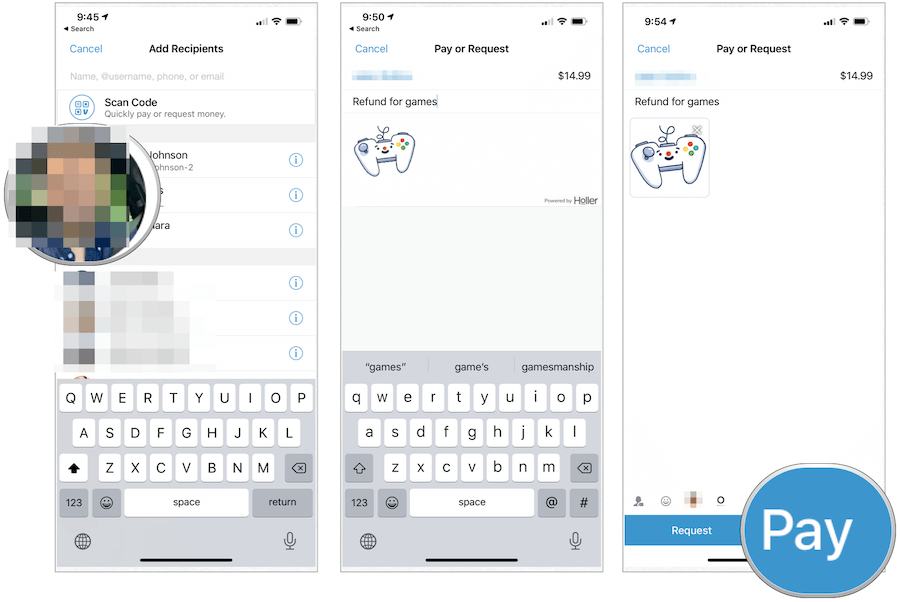
The first and most critical step in making a payment is identifying the correct recipient. Venmo allows you to find users in several ways:
- Username: The most reliable method is to search for their unique Venmo username (e.g., @JaneDoe). This is precise and minimizes ambiguity.
- Phone Number/Email: If the recipient has linked their phone number or email to their Venmo account, you can search using these details.
- Nearby Feature: Venmo offers a “nearby” feature that uses location services to find other Venmo users in your immediate vicinity. While convenient, this should be used with caution, particularly in public settings, to avoid sending money to an unintended recipient.
- Scanning QR Codes: Some users and businesses display Venmo QR codes, which you can scan directly from the app to initiate a payment.
Always double-check the recipient’s name and username before proceeding. A misdirected payment can be incredibly difficult, if not impossible, to retrieve, underscoring the importance of this initial verification step in managing your funds responsibly.
Entering Payment Details: Amount, Notes, and Privacy Settings
Once you’ve selected your recipient, you’ll be prompted to enter the payment details:
- Amount: Clearly input the exact amount you wish to send. Accuracy here prevents overpayment or underpayment, which can complicate your financial records.
- Note/Description: This field is essential from a financial management perspective. Always include a clear and concise description of what the payment is for (e.g., “Dinner,” “Rent for May,” “Concert tickets”). This serves as a vital record for both parties, simplifying reconciliation and future reference, especially for shared expenses or reimbursements.
- Privacy Settings: Venmo transactions have default privacy settings that you can adjust for each payment:
- Public: Anyone on Venmo can see the transaction (though the amount is hidden).
- Friends: Only your Venmo friends can see the transaction.
- Private: Only you and the recipient can see the transaction.
For most personal financial transactions, choosing “Friends” or “Private” is advisable to protect your financial footprint and privacy. Publicizing every financial interaction might not align with sound personal finance practices, which often advocate for discretion regarding your monetary dealings.
Reviewing and Confirming: The Final Check Before Sending
Before you tap the “Pay” button, Venmo provides a summary screen of your transaction. This is your last opportunity to verify all details:
- Recipient: Is the username and name correct?
- Amount: Is the dollar figure accurate?
- Note: Is the description clear and helpful for future reference?
- Funding Source: Are you using your Venmo balance, or the correct linked bank account/debit card, and are you aware of any fees if using a credit card?
- Privacy: Are the privacy settings appropriate for this particular transaction?
This review stage is a critical control point in personal finance. A momentary pause to double-check prevents irreversible errors and protects your funds.
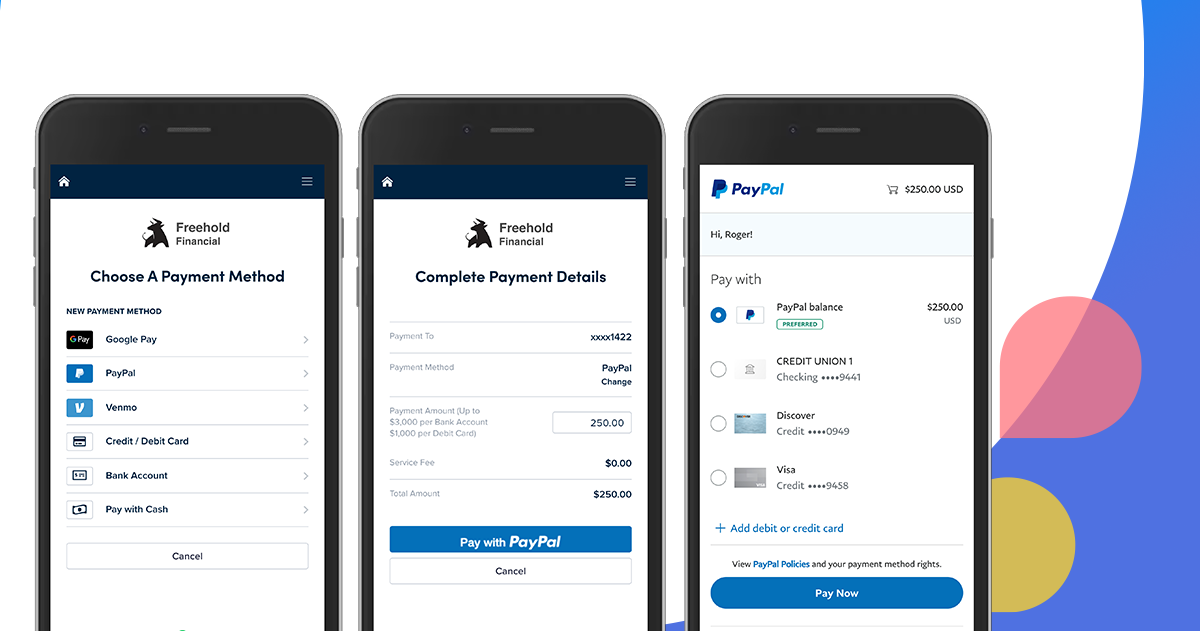
Payment Confirmation and Transaction History
Once the payment is successfully sent, you and the recipient will typically receive a confirmation notification. The transaction will then appear in your Venmo transaction history. This history serves as a digital ledger, crucial for budgeting, expense tracking, and reconciling your bank statements. Periodically reviewing your Venmo transaction history against your bank statements or personal budget can help identify discrepancies and ensure accurate financial record-keeping, a cornerstone of effective personal finance.
Beyond Basic Payments: Leveraging Venmo for Enhanced Financial Management
Venmo’s utility extends beyond simple person-to-person payments. Its integrated features offer opportunities for more sophisticated financial management, particularly in shared economic environments and even for small business operations. Understanding these advanced functionalities can further enhance its value in your financial toolkit.
Splitting Bills and Group Payments: Simplifying Shared Expenses
One of Venmo’s most celebrated features is its ability to simplify bill splitting. This is incredibly useful for shared expenses like dining out, household utilities, or group travel. Instead of one person fronting the entire cost and then individually collecting from others, Venmo allows a payer to easily “split” a transaction among multiple users. Alternatively, one person can pay, and then use the “request” feature to ask specific amounts from each individual. This feature streamlines the often-awkward process of settling shared costs, fostering better financial harmony in group settings. From a financial perspective, it provides a clear breakdown of who owes what, ensuring equitable contributions and minimizing financial friction among peers.
Requesting Money: Streamlining Reimbursements
The “Request” feature is the inverse of sending money, allowing you to ask another Venmo user for funds. This is invaluable for reimbursements, whether it’s for a concert ticket you purchased for a friend, their share of a shared grocery bill, or money owed for a casual loan. When you send a request, the recipient receives a notification and can then choose to pay the requested amount. This formalizes the request, providing a gentle yet firm reminder of a pending financial obligation and offering an immediate means for resolution. For personal budgeting, proactively using the request feature ensures you recover owed funds promptly, keeping your own financial ledger accurate and preventing small debts from accumulating and becoming forgotten.
Business Profiles and Accepted Payments: Expanding Financial Opportunities
Venmo has evolved to support more than just casual P2P transactions. It offers “business profiles” for entrepreneurs and small businesses, enabling them to accept payments for goods and services. When a customer pays a business profile, Venmo typically charges a small seller transaction fee (e.g., 1.9% + $0.10 per transaction). This capability broadens Venmo’s financial utility, transforming it from a purely personal tool into a viable payment solution for micro-enterprises, freelancers, and small merchants. For individuals looking to monetize a hobby or start a side hustle, establishing a Venmo business profile can be a low-barrier-to-entry method for accepting digital payments, integrating a modern payment method into their financial operations without the complexities of traditional merchant accounts.
Venmo Debit and Credit Cards: Extending Your Digital Wallet
To further integrate into users’ everyday financial lives, Venmo offers its own branded debit and credit cards:
- Venmo Debit Card: This Mastercard debit card is linked directly to your Venmo balance. It allows you to spend money from your Venmo balance anywhere Mastercard is accepted, enabling purchases online and in physical stores, as well as ATM withdrawals (fees may apply). This effectively makes your Venmo balance a more versatile spending account, allowing you to bypass the need to transfer funds to your bank account before spending.
- Venmo Credit Card: This Visa credit card offers rewards on eligible spending categories. Like other credit cards, it’s a financial instrument that requires careful management. While it integrates with your Venmo app for easy tracking and payments, it’s essential to manage your credit usage responsibly, pay balances on time, and understand interest rates and fees to avoid debt accumulation, which is a fundamental principle of sound personal finance.
These card options expand Venmo’s functionality, blurring the lines between a P2P app and a full-fledged financial services provider, offering users more ways to interact with their money both within and outside the app ecosystem.
Financial Prudence and Security: Best Practices for Venmo Users
While Venmo offers unparalleled convenience, like any financial tool, its effective and safe use demands adherence to certain best practices. Financial security and informed decision-making are paramount to protect your assets and maintain control over your personal finances.
Safeguarding Your Account: Passwords and Multi-Factor Authentication
The first line of defense for your Venmo account is robust security hygiene.
- Strong, Unique Passwords: Use a complex password that combines letters, numbers, and symbols, and avoid reusing passwords across different services.
- Multi-Factor Authentication (MFA): Enable MFA (also known as two-factor authentication) immediately. This requires a second verification step, usually a code sent to your phone, in addition to your password, making it significantly harder for unauthorized individuals to access your account even if they somehow obtain your password. This adds a critical layer of security to your financial data.
Verifying Recipients: Avoiding Scams and Mispayments
As previously emphasized, verifying your recipient is crucial. Scammers often exploit the ease of P2P payments by impersonating friends or businesses.
- Confirm Usernames: Always confirm the exact Venmo username with the intended recipient outside of the app (e.g., via text message or in person).
- Beware of Unknown Requests: Be suspicious of unexpected requests for money, especially from unfamiliar individuals or those claiming to be customer service. Venmo will never ask for your password or personal information via text or email.
- “Too Good to Be True”: If an offer or request seems too good to be true, it likely is. Common scams involve overpayment for items, requesting payment for non-existent services, or fake lottery winnings.
Remember, Venmo payments are typically instant and irreversible. Once funds are sent, retrieving them can be very challenging, often depending entirely on the goodwill of the recipient. This reinforces the need for meticulous verification before every transaction.
Understanding Transaction Limits and Fees
Venmo imposes various limits on transactions, including daily sending limits, weekly limits for transfers to your bank, and limits based on account verification status. These limits are in place for security and regulatory compliance.
- Sending Limits: Unverified accounts typically have lower limits. Fully verified accounts have higher, though still capped, sending limits.
- Transfer Fees: While sending money from a linked bank account or debit card is usually free, using a credit card incurs a 3% fee. Instant transfers from your Venmo balance to your bank account also incur a fee (currently 1.75%).
Understanding these limits and fees is vital for financial planning. Repeatedly incurring credit card fees for payments or instant transfer fees can significantly impact your personal budget over time. Factor these into your financial calculations to ensure Venmo usage remains cost-effective for your specific needs.
Privacy Settings: Managing Your Financial Footprint
Venmo’s social feed feature allows transactions to be publicly visible by default. While this can be a fun social element, it also exposes your financial activities.
- Default to Private: For most financial transactions, especially those involving sensitive amounts or purposes, it is advisable to set the privacy to “Private” or “Friends.” This ensures that your financial dealings remain discreet and align with typical personal finance practices of keeping financial information confidential.
- Review Global Settings: You can also adjust your default privacy settings for future transactions within the app’s settings. Regularly reviewing and adjusting these settings is a crucial aspect of managing your digital financial footprint.
What to Do If Something Goes Wrong: Dispute Resolution
Despite best practices, issues can arise. If you send money to the wrong person, suspect fraud, or encounter an unauthorized transaction:
- Contact the Recipient Immediately: For misdirected payments, try contacting the unintended recipient directly through Venmo. They may return the funds.
- Report to Venmo Support: For fraud, unauthorized transactions, or if the recipient is unresponsive, contact Venmo’s customer support immediately. They have procedures for investigating and potentially resolving disputes, though success is not guaranteed, especially for payments authorized by the user.
- Monitor Bank/Card Statements: Regularly review your linked bank and credit card statements for any unauthorized Venmo charges, acting swiftly if discrepancies are found.
By integrating Venmo thoughtfully into your financial strategy, exercising caution, and adhering to security best practices, you can harness its power to streamline payments, manage shared expenses efficiently, and navigate the modern financial landscape with confidence and control.
aViewFromTheCave is a participant in the Amazon Services LLC Associates Program, an affiliate advertising program designed to provide a means for sites to earn advertising fees by advertising and linking to Amazon.com. Amazon, the Amazon logo, AmazonSupply, and the AmazonSupply logo are trademarks of Amazon.com, Inc. or its affiliates. As an Amazon Associate we earn affiliate commissions from qualifying purchases.