
When we think of Disney’s “Moana,” images of sun-drenched islands, a vibrant ocean, and a courageous young chieftainess embarking on an epic journey immediately come to mind. But beyond the enchanting visuals and unforgettable songs, a common question often surfaces: in what year did Moana’s adventure truly unfold?
The film itself is a timeless tale, designed to resonate across generations, yet its narrative is firmly rooted in a specific historical context, albeit one interpreted through the lens of myth and legend. Disney’s “Moana” is set approximately 2,000 to 3,000 years ago, placing it within the historical timeframe of the real-life Polynesian voyaging and expansion across the Pacific Ocean. This period, often referred to as the “Great Pause” and subsequent resumption of exploration, saw incredible feats of navigation and settlement by indigenous peoples across vast stretches of the sea.
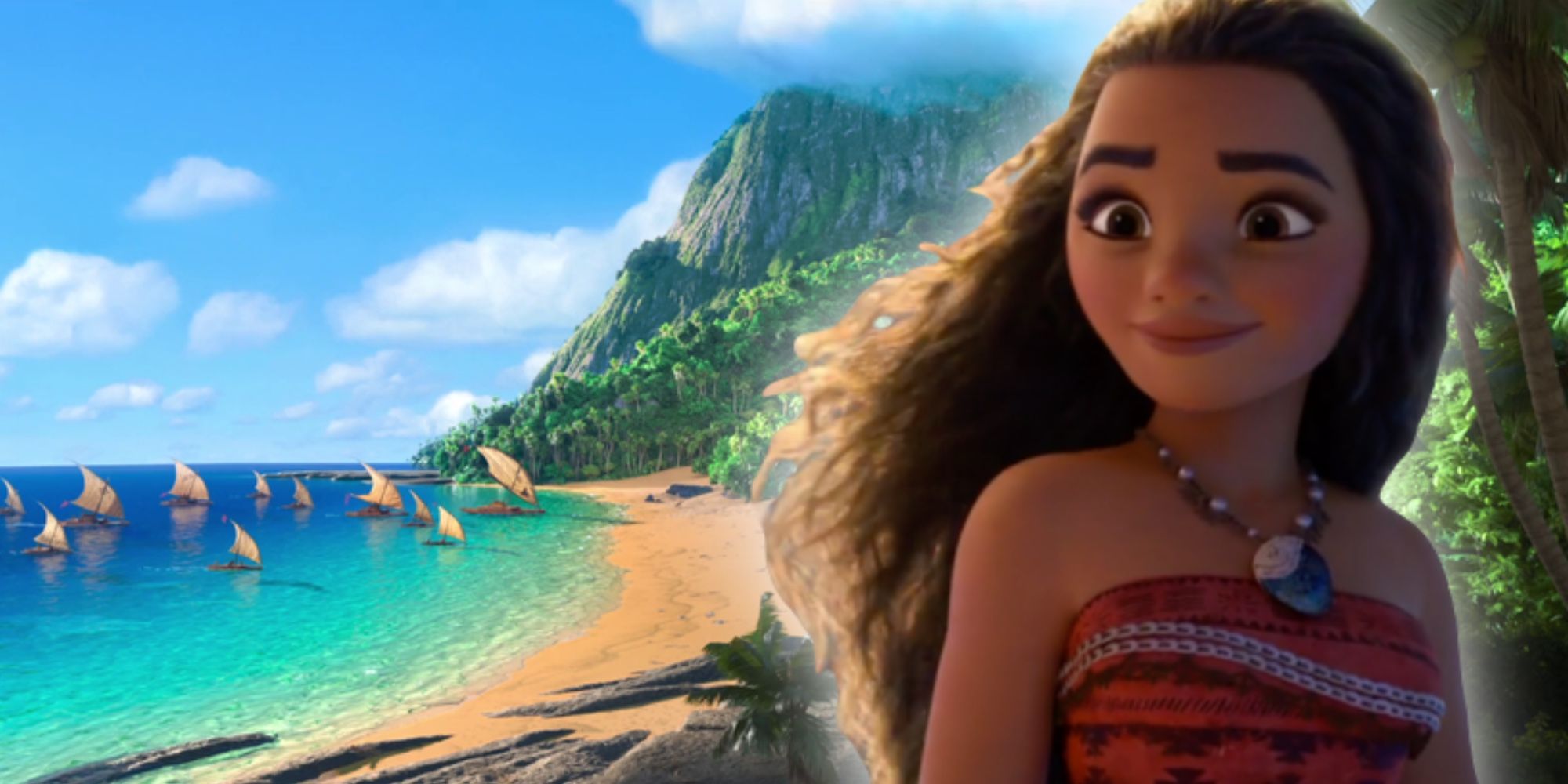
While the story is fantastical, featuring demigods and living oceans, its core draws inspiration from the incredible true history of Polynesian navigators who used sophisticated knowledge of stars, currents, and wildlife to journey thousands of miles without modern instruments. The movie thus bridges ancient history with modern storytelling, a fascinating paradox that only becomes possible through cutting-edge technology, meticulous branding, and significant financial investment. This article will delve into the film’s ancient setting, explore the technological marvels that brought it to life, dissect the branding genius that cemented its global appeal, and examine the economic forces that drove its creation and success, connecting these facets back to the timeless question of “when” Moana took place.
Unraveling Moana’s Ancient Setting: A Dive into Polynesian History
The “year” of Moana isn’t a precise calendar date in the modern sense, but rather an era. The film purposefully places itself within the golden age of Polynesian exploration, a period of immense human achievement and cultural flourishing. This deliberate choice grounds the fantastical elements in a rich, authentic cultural tapestry, enhancing its emotional depth and educational value.
The Narrative’s Deep Roots: Oral Traditions and Navigation
The central conflict of Moana – the blight spreading across the islands and the loss of voyaging traditions – directly reflects historical theories about the “Great Pause.” For reasons still debated by archaeologists and historians (perhaps environmental changes, resource scarcity, or shifts in cultural priorities), Polynesian long-distance voyaging ceased for roughly 1,000 years before resuming around 800 AD. Moana’s story taps into this historical arc, presenting a fictionalized reason for the pause and the subsequent call to rediscover the lost art of navigation.
The film meticulously showcases the skills of ancient navigators: using the stars as a compass, understanding ocean swells, interpreting cloud formations, and reading the flight patterns of birds. These were not mere survival techniques but sophisticated sciences passed down through generations via oral traditions, songs, and intricate star charts. By featuring characters like Moana and Maui who embody these skills, the film subtly educates its audience about a profound chapter in human history, highlighting ingenuity and resilience. It’s a testament to how ancient wisdom, preserved through storytelling, can be presented to a global audience in a compelling and accessible way.
Cultural Authenticity and Storytelling
A significant aspect of placing Moana in its ancient setting was Disney’s commitment to cultural authenticity. Recognizing the responsibility that comes with depicting a real-world culture, the filmmakers established the “Oceanic Story Trust.” This group of anthropologists, cultural practitioners, linguists, and choreographers from various Pacific Islands was instrumental in guiding the creative process. Their input ensured that the character designs, costumes, music, language elements (like Moana’s grandmother’s chant), and even the portrayal of environmental interconnectedness were respectful and accurate representations of Polynesian cultures.
This commitment goes beyond mere aesthetics; it’s a strategic move that enhances the film’s brand value. In an increasingly globalized world, audiences seek narratives that are not only entertaining but also culturally rich and respectful. By deeply embedding Moana’s story in its intended ancient Polynesian context, Disney wasn’t just telling a good story; it was contributing to cultural preservation and education, forging a stronger, more authentic connection with its audience. This attention to detail, while not directly related to tech or money, directly impacts the film’s reception, its long-term brand equity, and ultimately, its financial success by broadening its appeal and ensuring its positive legacy.
The Technological Tapestry: Bringing Ancient Oceania to Life
The irony of “Moana” is that a story set millennia ago could only be realized through the most advanced technology of today. The seamless fusion of ancient myth with cutting-edge digital artistry is a testament to the power of modern animation and computing. Without sophisticated tech, Moana’s vibrant world, dynamic characters, and the very essence of its watery setting would remain confined to the drawing board.
The Art and Science of CGI Animation
Moana is renowned for its groundbreaking animation, particularly its depiction of water and hair. Water, a notoriously difficult element to animate realistically in CGI, is practically a character in “Moana.” The animators at Walt Disney Animation Studios developed new software and techniques to render the ocean not just as a backdrop, but as a living, breathing entity that interacts dynamically with Moana. This involved complex physics simulations, fluid dynamics, and sophisticated rendering algorithms that processed billions of data points to create believable waves, splashes, and reflections.
Similarly, Moana’s voluminous curly hair and Maui’s flowing mane, composed of countless individual strands, pushed the boundaries of character animation. Specialized software was developed to control the movement, texture, and interaction of each strand, making the hair feel natural and expressive rather than static or clumpy. This level of detail extends to Maui’s sentient tattoos, which required a unique animation pipeline, essentially treating them as mini-characters animated directly onto his skin. The sheer processing power required for these scenes, involving vast render farms working around the clock, underscores the technological marvel that is modern animated filmmaking. This wasn’t just about making things look pretty; it was about inventing new tools and pushing existing ones to tell a story with unprecedented visual fidelity.
Evolution of Animation Tech: From Hand-Drawn to Hyper-Realistic
Moana stands on the shoulders of decades of animation innovation. From Disney’s early hand-drawn classics like “Snow White” and “Fantasia” to the pioneering computer animation of Pixar’s “Toy Story,” each film built upon previous technological advancements. The journey from 2D cel animation to 3D CGI involved continuous breakthroughs in modeling, rigging, texturing, lighting, and rendering software. Tools like Maya, Houdini, and proprietary in-house systems are the digital brushes and canvases of today’s animators.
The development of better processors, more efficient algorithms, and the democratization of powerful computing resources have allowed studios to achieve levels of realism and complexity previously unimaginable. Moana’s success is intrinsically linked to this continuous evolution, demonstrating how investment in R&D and a willingness to embrace new digital tools can redefine storytelling possibilities. It highlights how technology, far from dehumanizing art, can elevate it, enabling artists to create worlds that are both fantastical and deeply immersive.
AI and the Future of Animated Storytelling
Looking ahead, the technologies employed in films like Moana are just the beginning. The burgeoning field of Artificial Intelligence (AI) holds immense promise for the future of animated storytelling. AI tools are already being explored to automate repetitive animation tasks, generate realistic environmental details (like foliage or crowds), and even assist in character rigging and facial animation, significantly boosting productivity.
Imagine AI algorithms capable of generating nuanced character expressions based on script analysis, or AI-powered world-building tools that can create vast, diverse landscapes with minimal human input. AI could streamline the rendering process, optimize production pipelines, and even assist in scriptwriting by analyzing audience preferences and story archetypes. While human creativity remains paramount, AI could free up animators and artists to focus on the truly innovative and emotionally resonant aspects of their work. This intersection of technology trends, software advancements, and AI tools isn’t just about making films faster or cheaper; it’s about expanding the creative frontier, allowing storytellers to bring even more complex and breathtaking worlds to life, potentially transforming how future “Moanas” are conceived, produced, and consumed.
Branding a Legend: How Disney Cultivates Global Appeal
Beyond its ancient setting and technological prowess, “Moana” is a masterclass in brand strategy. Disney is not just a film studio; it’s a global entertainment powerhouse, and every production, including Moana, is carefully crafted to reinforce and expand its iconic brand while generating significant revenue.
The Disney Brand Strategy: Legacy Meets Innovation

Disney’s corporate identity is built on a foundation of timeless storytelling, family-friendly entertainment, and aspirational themes. “Moana” perfectly fits this mold, showcasing a strong female protagonist, themes of self-discovery, environmental responsibility, and the importance of heritage. However, Disney also understands the need to innovate and adapt. With “Moana,” they embraced a non-European cultural narrative, responding to a growing global demand for diverse representation. This was a strategic brand move, demonstrating Disney’s ability to remain relevant and inclusive without diluting its core values.
The film’s visual design, from the vibrant color palette to the iconic character silhouettes, is instantly recognizable as Disney, yet it introduces new stylistic elements unique to the Oceanic setting. This balance of familiarity and novelty is a hallmark of successful brand strategy, allowing Disney to maintain its loyal audience while attracting new demographics. “Moana” reinforced Disney’s brand as a leader in animated storytelling, capable of producing culturally significant and commercially successful content that transcends borders.
Character as a Brand: Moana, Maui, and the Power of Archetypes
In the world of entertainment, characters are brands in themselves. Moana and Maui are not just individuals in a story; they are marketable entities with distinct personalities, aesthetics, and values. Moana represents courage, leadership, and connection to nature, while Maui embodies strength, mischief, and ultimately, self-sacrifice. These archetypal qualities make them universally appealing and easily understood across cultures.
Disney leverages this character branding through extensive merchandising, from toys and clothing to theme park attractions and live shows. Each character’s design, from Moana’s intricate necklace to Maui’s magical fishhook, is optimized for recognition and reproducibility across various product categories. This creates a powerful feedback loop: the film promotes the characters, and the characters, in turn, sustain the film’s presence in the consumer market long after its theatrical run, effectively extending the brand’s lifespan and revenue streams. Personal branding also comes into play with the voice actors – Dwayne “The Rock” Johnson as Maui, and Auli’i Cravalho as Moana – whose own public images and fan bases contribute to the film’s overall allure.
Marketing Across Media: From Theatrical Release to Digital Dominance
The marketing campaign for “Moana” was a masterclass in reaching a global audience across diverse platforms. Disney utilized traditional advertising channels (TV commercials, billboards) but also heavily invested in digital marketing. Social media campaigns, viral video content (e.g., “How Far I’ll Go” covers), interactive websites, and mobile apps were crucial in building anticipation and engagement.
Furthermore, “Moana” benefited immensely from Disney’s integrated media empire. Its soundtrack, released by Disney Music Group, became a chart-topping success, further embedding the film’s themes and characters into popular culture. The film’s eventual release on Disney+ not only provided a new revenue stream but also ensured its continued visibility and accessibility, serving as a powerful magnet for new subscribers and retaining existing ones. This multi-faceted approach to marketing and distribution showcases a sophisticated brand strategy that understands how to leverage every available channel to maximize reach, engagement, and ultimately, profitability.
The Economic Voyage: Investing in Story and Success
Bringing an ancient Polynesian legend to life with cutting-edge technology and global branding strategies demands immense financial investment. The “year” Moana took place may be ancient, but the money involved is thoroughly modern, reflecting the massive scale of today’s entertainment industry.
The Blockbuster Budget: Crafting a World-Class Animated Feature
Animated features like “Moana” are among the most expensive films to produce. While exact figures are often proprietary, estimates for films of this caliber typically range from $150 million to $200 million or more for production alone, not including marketing and distribution costs, which can add another $100 million or more. This staggering budget covers everything from the salaries of hundreds of animators, artists, writers, directors, and voice actors, to the immense computing power required for rendering, to the extensive R&D into new animation techniques.
The financial commitment is a high-stakes gamble. Studios invest heavily, banking on a return that not only recoups these costs but also generates substantial profit. The budget reflects not just the artistic ambition but also the strategic decision to produce a high-quality, culturally sensitive, and technologically advanced film that can compete on a global stage. This isn’t just spending money; it’s a calculated investment in intellectual property that has the potential for long-term dividends.
Box Office and Beyond: Multi-Platform Revenue Streams
“Moana” was a resounding financial success. It grossed over $643 million worldwide at the box office, easily covering its production and marketing costs. However, the theatrical release is just the first wave of revenue. Disney, with its vast portfolio of assets, expertly leverages multiple income streams.
Post-theatrical release, “Moana” generated significant income from home video sales (DVD, Blu-ray), digital rentals, and electronic sell-through. The soundtrack became a massive hit, contributing to music royalties. Then there’s the colossal merchandise market: toys, apparel, books, video games, and more, all licensed under the Moana brand. Each character, song, and visual element is a potential product, feeding into a diversified revenue model. Furthermore, characters and themes from “Moana” have been integrated into Disney theme parks and cruise lines, creating immersive experiences that generate additional tourism and entertainment revenue. This multi-platform approach ensures that the film continues to generate money long after its initial release, cementing its status as a valuable asset for the company.
The Digital Economy of Entertainment: Streaming and Long-Term Value
In the contemporary media landscape, streaming services represent a critical component of a film’s economic strategy. “Moana” found a new lease on life, and continues to thrive, on Disney+. The film serves as a powerful draw for subscribers, contributing to the platform’s value proposition. For Disney, “Moana” isn’t just a one-time box office hit; it’s a perpetual asset that contributes to the recurring revenue model of its streaming service.
This shift in how content is monetized highlights the evolving financial tools and business models in the entertainment industry. A film’s financial success is no longer solely measured by its theatrical run but by its ability to attract and retain subscribers, fuel merchandise sales over years, and serve as evergreen content that continues to engage audiences globally. “Moana’s” continued presence on Disney+ ensures its cultural relevance, encourages repeat viewing, and serves as a powerful example of how intellectual property becomes a cornerstone of long-term financial stability in the digital age.
Investing in IP: The Value of Original Stories and Franchises
Ultimately, the creation of a film like “Moana” is an investment in intellectual property (IP). Disney invests millions in developing original stories, characters, and worlds because they become invaluable assets that can be leveraged across various media and platforms for decades. “Moana” isn’t just a movie; it’s the foundation for potential sequels, TV series, spin-offs, and more theme park expansions. The announcement of a “Moana 2” movie and a live-action remake underscores the financial wisdom of investing in a strong original IP.
This long-term perspective on financial returns, combined with an understanding of global markets and consumer trends, is what drives studios to commit such vast resources. It’s an ecosystem where innovative tech enables creative visions, powerful branding maximizes reach, and shrewd financial strategies ensure profitability and sustained growth, all revolving around compelling stories that, like Moana’s, can transport audiences to ancient times and inspire them for years to come.
Conclusion
The question “What year did Moana take place?” leads us far beyond a simple date. It opens a window into an ancient world, roughly 2,000 to 3,000 years ago, a time of legendary Polynesian voyagers and profound cultural achievement. Yet, to experience this ancient epic, we rely on the most modern advancements of our time.
“Moana” serves as a brilliant microcosm of how sophisticated technology transforms storytelling, from the hyper-realistic simulation of an animated ocean to the potential integration of AI in future productions. It exemplifies the power of a meticulously executed brand strategy, where Disney’s corporate identity fuses with culturally rich narratives, and characters become global icons. And underlying it all is the immense financial investment, a testament to the colossal budgets, multi-platform revenue streams, and long-term intellectual property strategies that define the contemporary entertainment industry.
In essence, “Moana” is a bridge between worlds: the mystical past of Oceania and the cutting-edge present of Hollywood. Its timeless story, set in an ancient era, is made accessible and unforgettable not just by its narrative, but by the unseen forces of innovation, strategic planning, and economic drive that brought it vividly to life. It reminds us that while some tales are centuries old, the methods of telling them are constantly evolving, pushing the boundaries of what’s possible, and solidifying the film’s place not just in ancient history, but in the annals of modern entertainment.
aViewFromTheCave is a participant in the Amazon Services LLC Associates Program, an affiliate advertising program designed to provide a means for sites to earn advertising fees by advertising and linking to Amazon.com. Amazon, the Amazon logo, AmazonSupply, and the AmazonSupply logo are trademarks of Amazon.com, Inc. or its affiliates. As an Amazon Associate we earn affiliate commissions from qualifying purchases.