
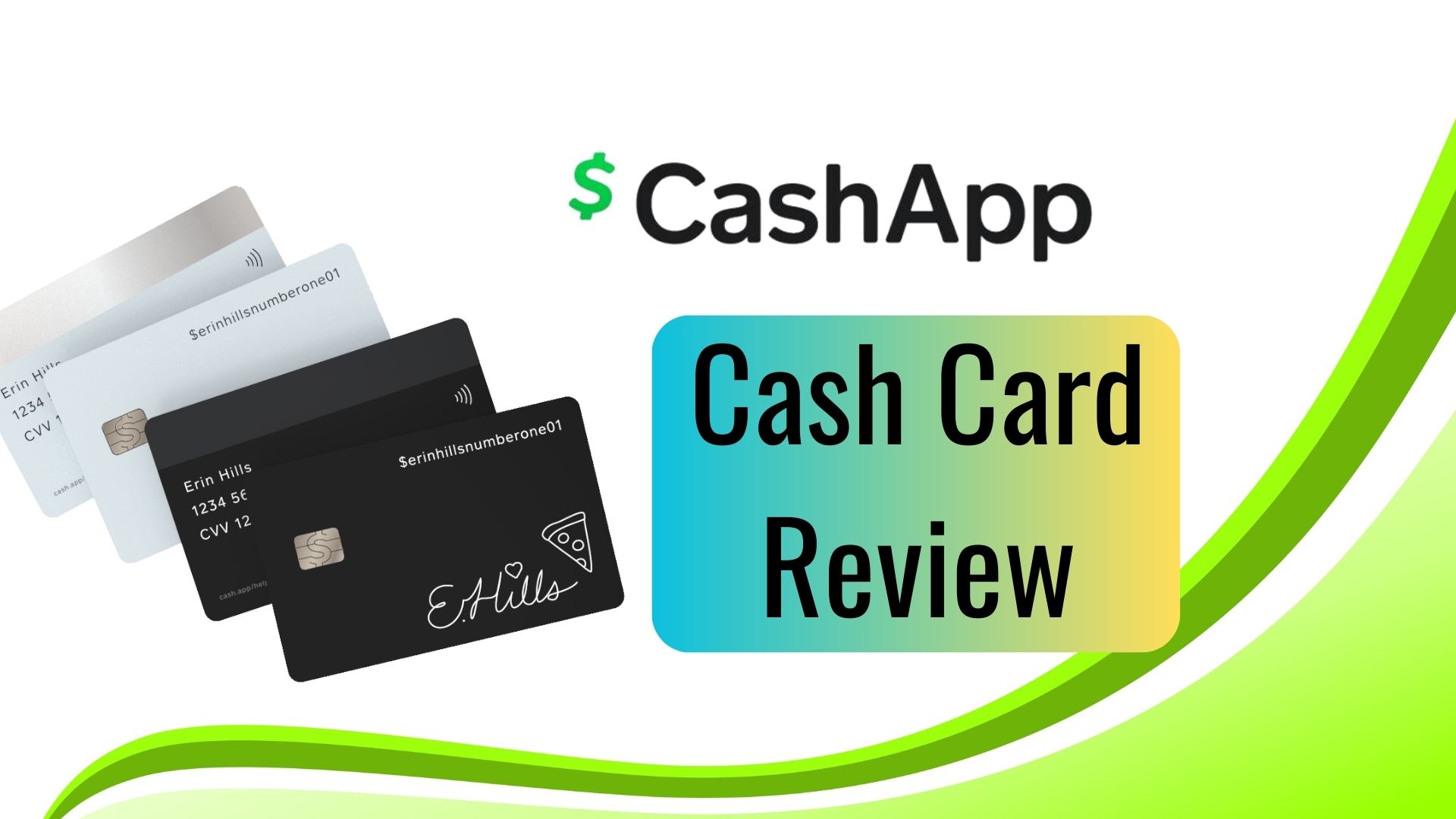
In the rapidly evolving landscape of personal finance, digital payment applications like Cash App have become indispensable tools for millions. They offer unparalleled convenience for sending, receiving, and managing money. Central to this utility is the Cash Card, a Visa debit card directly linked to your Cash App balance, allowing users to spend funds from their account anywhere Visa is accepted. A common, yet crucial, question that arises for both new and existing users is: “Who loads Cash App cards?” This seemingly simple query delves into the core mechanics of how funds enter your digital wallet and, subsequently, become accessible via your physical or virtual Cash Card.
The answer is multifaceted, encompassing a range of direct, indirect, and strategic methods for infusing your Cash App balance with funds. Ultimately, you are responsible for initiating these loads, whether directly by transferring money, or indirectly by receiving payments. Understanding these various avenues is not merely a matter of technical know-how; it’s a fundamental aspect of effective personal financial management in the digital age. This article will explore the primary and secondary methods for loading your Cash App card, provide insights into strategic financial practices using the platform, and discuss why Cash App has become a pivotal financial tool for diverse users.
Understanding Cash App’s Ecosystem and Card Functionality
Before diving into the “how,” it’s essential to grasp the foundational role Cash App plays as a financial tool and how its associated card operates. It’s more than just a payment app; it’s a streamlined portal for managing everyday finances.
The Digital Wallet at Your Fingertips
At its heart, Cash App functions as a mobile digital wallet. It allows users to hold a balance, send money to friends and family, pay for goods and services, and even invest in stocks and Bitcoin. Unlike traditional bank accounts, Cash App is designed for speed and accessibility, often facilitating instant transfers between users. Your Cash App balance is the central pool of funds from which all transactions, including spending with your Cash Card, are drawn. Maintaining a sufficient balance is therefore paramount to maximizing the utility of the platform. This balance can be topped up from various sources, making it a flexible financial hub for many. The platform aims to demystify complex financial processes, making them accessible even to those without extensive banking experience, thus broadening financial inclusion.
The Cash Card: A Bridge to Traditional Banking
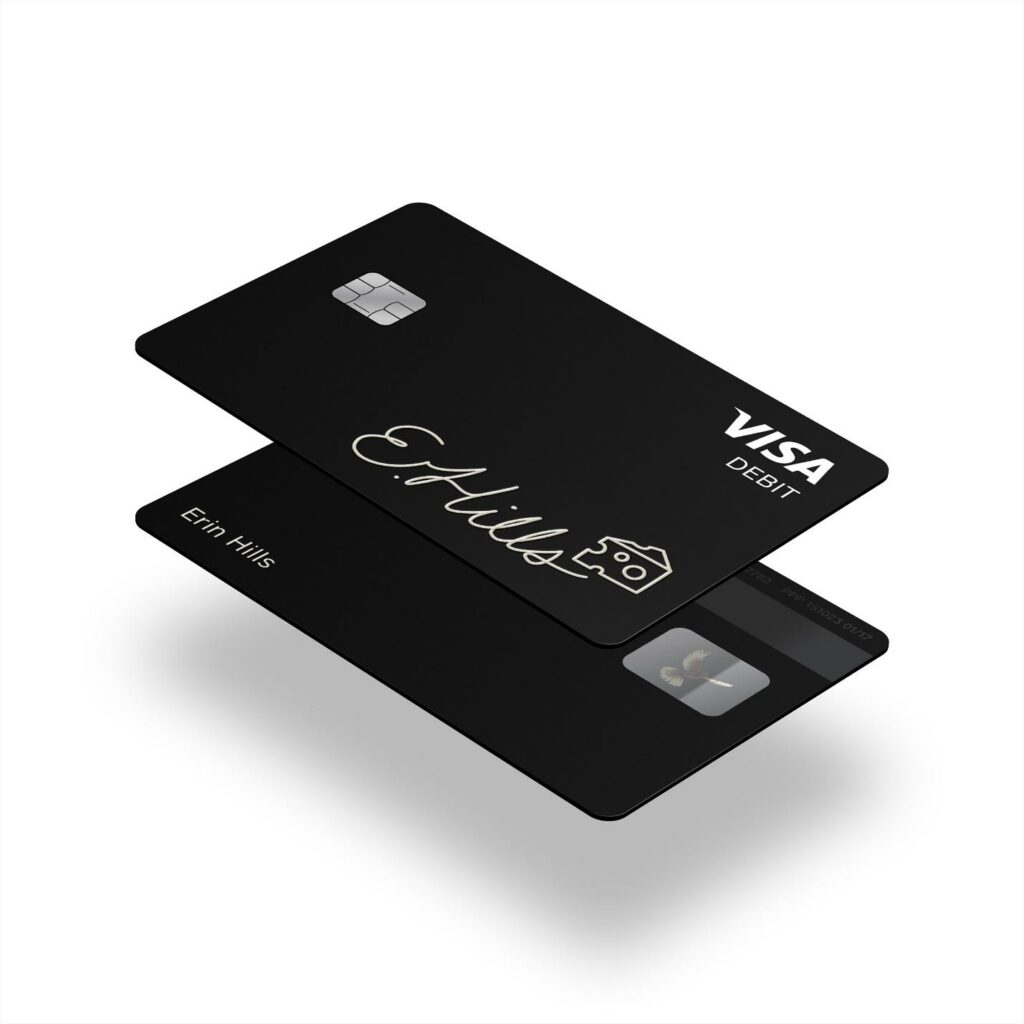
The Cash Card serves as the physical (or virtual) manifestation of your Cash App balance, extending its utility beyond in-app transfers. It’s a free, customizable Visa debit card that can be used anywhere Visa is accepted, online or in physical stores, and also for ATM withdrawals. This card effectively bridges the gap between your digital Cash App balance and the wider traditional financial ecosystem. When you use your Cash Card, funds are directly debited from your Cash App balance. This seamless integration means that “loading your Cash App card” is synonymous with “adding money to your Cash App balance.” It’s a crucial distinction, as the card itself doesn’t hold funds independently; it merely provides access to the funds held within your Cash App account. This feature makes Cash App a viable alternative or supplement to traditional banking for many, especially for those managing funds on the go or seeking to isolate certain spending from their primary bank accounts.
Primary Methods for Loading Your Cash App Card
The most common and direct ways to ensure your Cash App card is ready for use involve linking external financial accounts or receiving funds. These methods form the backbone of Cash App’s utility as a personal finance tool.
Direct Deposit: Your Paycheck’s Digital Highway
One of the most efficient ways to load your Cash App card regularly is by setting up direct deposit. Cash App provides unique routing and account numbers, similar to a traditional bank, which you can provide to your employer, government benefits provider (like Social Security or unemployment), or other payers. Once set up, your paychecks or benefits can be deposited directly into your Cash App account, making the funds available instantly on your Cash Card. This method not only ensures a steady flow of funds but also offers the advantage of early access to paychecks (up to two days earlier than many traditional banks), which can be a significant financial boon for budgeting and immediate needs. For many, direct deposit transforms Cash App from a supplementary tool into a primary financial hub, simplifying the management of their main income stream.
Linking Bank Accounts: Seamless Transfers
The most straightforward way to add funds yourself is by linking a traditional bank account to your Cash App profile. This process usually involves verifying your bank account via your bank’s online portal or by confirming small deposits/withdrawals. Once linked, you can initiate instant transfers from your connected bank account to your Cash App balance. This provides an immediate and convenient way to top up your account whenever needed, whether for a large purchase, a bill payment, or simply to ensure you have enough funds for daily spending. The ability to pull funds directly from a verified bank account gives users immense control over their Cash App balance, ensuring they can fund their card on demand. It is a fundamental feature that underpins the flexibility of the platform, allowing users to move money between their established financial institutions and their Cash App wallet with minimal friction.
Debit Card Transfers: Instant Funding Options
Similar to linking a bank account, you can also link a debit card directly to your Cash App account. This method facilitates instant transfers from the debit card’s associated bank account to your Cash App balance. While typically faster than ACH transfers from a linked bank account, linking a debit card might incur a small fee (usually 0.5% to 1.75%) for instant deposits, whereas standard bank transfers are often free. This option is particularly useful for those who need to quickly add funds and don’t mind a minimal charge for the immediate availability. It offers an excellent alternative for users who prefer not to link their full bank account or need to fund their Cash App from a secondary account not directly connected to their main banking. The convenience of instant access often outweighs the small fee for many users in urgent situations.
Receiving Funds from Other Cash App Users
One of Cash App’s defining features is the ease with which users can send and receive money from each other. If someone sends you money via Cash App, those funds are instantly added to your Cash App balance and become immediately available on your Cash Card. This is an indirect but highly frequent way of “loading” your card. It’s popular for splitting bills, repaying friends, receiving payments for small gigs, or even getting financial support from family. This peer-to-peer (P2P) functionality is a cornerstone of Cash App’s social and financial utility, making it a powerful tool for managing shared expenses and informal transactions. For many, receiving funds from other users is a primary mechanism for keeping their Cash App balance active and their Cash Card ready for use.
Less Common, But Viable, Cash Loading Alternatives
Beyond the direct digital methods, Cash App also offers ways to integrate physical cash into your digital wallet, catering to a broader user base.
In-Store Paper Money Deposits: Bridging Digital and Physical
For users who primarily deal in cash or receive cash payments, Cash App offers an ingenious solution: in-store paper money deposits. Through partnerships with retailers like Walgreens, Walmart, and 7-Eleven, users can physically deposit cash directly into their Cash App account at participating locations. This process typically involves generating a barcode within the Cash App, which a cashier scans, allowing you to hand over your cash. The funds are then instantly added to your Cash App balance and become available on your Cash Card. While this method might involve a small convenience fee at some locations, it provides a crucial bridge between the physical and digital financial worlds, ensuring that even those without traditional bank accounts or who prefer cash can fully utilize Cash App’s features. This option greatly expands financial access and makes Cash App a more inclusive financial tool.
Using Tax Refunds and Government Benefits
Similar to direct deposit for paychecks, Cash App can also be used as the destination for tax refunds and various government benefits. By providing your Cash App routing and account numbers to the IRS or relevant government agency, your refund or benefits can be directly deposited into your account. This provides a quick and efficient way to receive and manage these funds, making them instantly accessible via your Cash Card. This method is particularly beneficial for individuals who may not have a traditional bank account or prefer to keep their tax refunds separate for specific spending or saving goals. It streamlines the receipt of these important financial injections and integrates them smoothly into your Cash App financial management system.
Strategic Financial Management with Your Cash App Card
Loading your Cash App card is just the first step. Strategic use of the platform can significantly enhance your personal financial management, transforming it from a simple spending tool into a powerful budgeting and saving assistant.
Budgeting and Tracking Expenditures
With funds loaded onto your Cash App card, you gain a clear, isolated spending account. This can be an excellent tool for budgeting. For instance, you can designate your Cash App balance for discretionary spending, groceries, or entertainment, keeping these funds separate from your main bank account. By regularly transferring a set amount, you can stick to a budget and easily track how much you’re spending in that category. Cash App provides a transaction history that makes it easy to review your spending patterns, helping you identify areas where you might be overspending and adjust your financial habits accordingly. This granular control over specific spending categories is a significant advantage for budget-conscious individuals.
Leveraging Boosts for Savings
The Cash Card comes with a unique feature called “Boosts.” These are instant discounts applied directly to your purchases when you use your Cash Card at specific merchants. Boosts can range from discounts at coffee shops and restaurants to savings on online services. By strategically activating and using Boosts for your regular spending, you can effectively save money on everyday purchases. This isn’t just about spending; it’s about smart spending that stretches your loaded funds further. Actively managing your Boosts and choosing those relevant to your spending habits can lead to noticeable savings over time, adding another layer of financial benefit to using your Cash App card.
Security Best Practices for Your Funds
While Cash App offers convenience, maintaining the security of your loaded funds is paramount. Always use a strong, unique password for your account, enable two-factor authentication (2FA), and be vigilant about phishing attempts or suspicious requests for money. Treat your Cash Card like any other debit card: protect your PIN, avoid sharing your account details, and report any unauthorized transactions immediately. Cash App employs robust security measures, but user vigilance is the first line of defense in protecting your financial assets. Regularly reviewing your transaction history for unfamiliar activity is a simple yet effective practice to safeguard your funds.
When and Why Cash App Cards Need Loading (Beyond Personal Use)
The utility of a loaded Cash App card extends beyond individual spending, offering versatile solutions for various financial scenarios.
Managing Funds for Side Hustles and Freelancing
For individuals engaged in side hustles, freelancing, or small businesses, a loaded Cash App card can be an invaluable financial tool. Clients can easily pay you via Cash App, and those funds become instantly available on your Cash Card for business expenses or personal use. This provides a quick, low-cost way to receive payments and manage income from various sources, making it easier to separate business income from personal finances or to fund specific business-related expenditures without dipping into a main bank account. It simplifies the often complex financial flows associated with independent work, offering a streamlined payment and spending solution.
Family Allowances and Shared Expenses
Parents can use Cash App to provide allowances to their children, especially if the children have their own Cash App accounts and cards. This teaches financial responsibility and allows for easy fund transfers. Similarly, for shared household expenses or group activities, a designated Cash App balance can facilitate seamless contributions and payments among family members or friends. It minimizes the hassle of cash exchanges or complicated bank transfers for collective financial undertakings, fostering transparency and ease in managing shared funds.
Emergency Funds and Travel Budgets
A Cash App card can also serve as a convenient way to carry a small emergency fund separate from your primary banking, accessible instantly if needed. For travel, loading a specific amount onto your Cash App card can help you stick to a travel budget and limit exposure of your main bank account while abroad, reducing the risk of fraud or overspending. It acts as a financial buffer and a secure, manageable way to handle funds in varying circumstances, providing peace of mind and financial flexibility.

Conclusion: Empowering Your Financial Journey with Cash App
The question “who loads Cash App cards?” reveals a sophisticated ecosystem designed to empower users with flexible and accessible financial tools. While the ultimate responsibility for funding your card rests with you, the methods available are diverse, ranging from direct deposits and bank transfers to in-store cash deposits and peer-to-peer payments. Cash App’s robust functionality, coupled with the versatility of the Cash Card, transforms it into more than just a payment app; it becomes a comprehensive platform for managing income, controlling expenditures, leveraging savings opportunities through Boosts, and navigating various personal and entrepreneurial financial scenarios.
By understanding and strategically utilizing these loading methods, users can harness the full power of Cash App to streamline their finances, achieve budgeting goals, and maintain greater control over their money in an increasingly digital world. As financial technologies continue to evolve, platforms like Cash App are at the forefront, democratizing access to financial services and putting the power of personal finance directly into the hands of the individual.
aViewFromTheCave is a participant in the Amazon Services LLC Associates Program, an affiliate advertising program designed to provide a means for sites to earn advertising fees by advertising and linking to Amazon.com. Amazon, the Amazon logo, AmazonSupply, and the AmazonSupply logo are trademarks of Amazon.com, Inc. or its affiliates. As an Amazon Associate we earn affiliate commissions from qualifying purchases.