
In an increasingly digital financial landscape, mobile applications have revolutionized how individuals manage their money, from sending and receiving funds to investing and even borrowing. Cash App, a prominent player in the peer-to-peer payment space, has extended its services to include a lending feature known as “Borrow.” For Android users seeking quick access to funds, understanding this option, its mechanics, and its implications is crucial for informed financial decision-making. This guide delves into the specifics of leveraging Cash App’s Borrow feature on your Android device, navigating its requirements, and integrating it into a broader strategy for responsible personal finance.
Understanding Cash App’s Borrow Feature
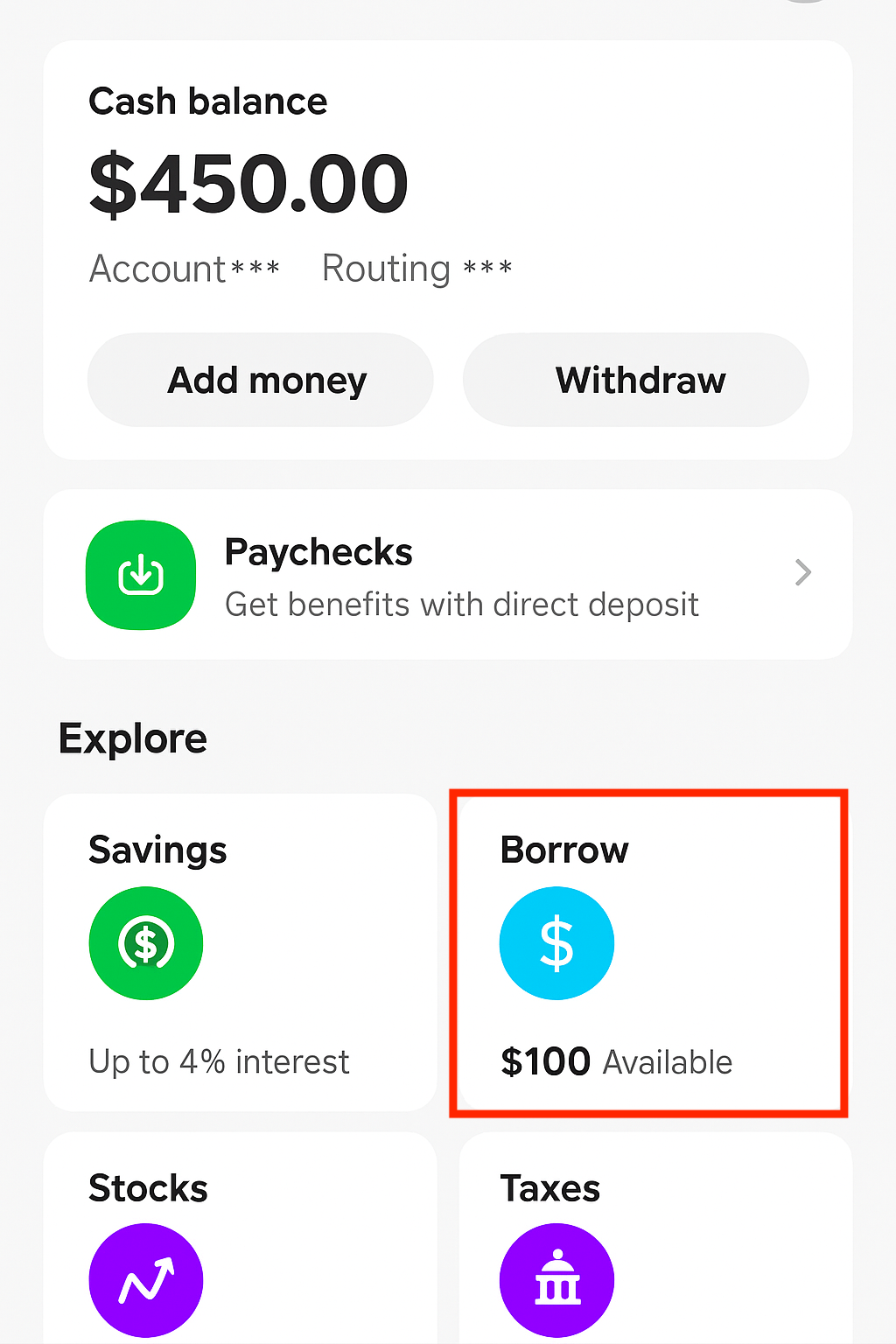
The “Borrow” feature on Cash App is designed to offer small, short-term loans to eligible users. Unlike traditional banks with lengthy application processes and stringent credit checks, Cash App aims for a more streamlined, app-centric approach. It’s essential to recognize that this feature is not universally available to all Cash App users and operates under specific criteria and terms, reflecting its role as a targeted financial tool rather than a broad-spectrum lending service. The availability is often determined by a user’s activity and history within the app.
Eligibility Requirements
Cash App’s eligibility for the Borrow feature is dynamic and proprietary, meaning Square (Cash App’s parent company) uses its own algorithms to determine who qualifies. While the exact criteria are not publicly disclosed in granular detail, common factors that influence eligibility often include:
- Cash App Usage History: Users who frequently use Cash App for various transactions—sending, receiving, direct deposits, Cash Card usage—are more likely to be deemed reliable and active. A consistent pattern of financial activity helps build a user profile.
- Direct Deposit Activity: Having direct deposits set up with Cash App can significantly boost eligibility. This provides Cash App with a clearer picture of a user’s income and financial stability, suggesting a steady ability to repay.
- State Residency: Lending regulations vary significantly by state. Consequently, the Borrow feature may only be available in specific states where Cash App holds the necessary lending licenses and complies with local usury laws and consumer protection acts.
- Credit History (Indirectly): While Cash App might not perform a hard credit pull, its algorithms likely assess risk factors that can correlate with traditional credit health. Consistent, positive financial behavior within the app environment contributes to a favorable profile.
- Age and Identity Verification: As with all financial services, users must be at least 18 years old and have a fully verified Cash App account, including identity and linked bank accounts.
It’s important to note that even if you meet some of these criteria, eligibility is not guaranteed. Cash App’s system continuously evaluates user profiles, and what might qualify one user may not qualify another due to the nuanced weighting of various factors.
Loan Terms and Conditions
The loans offered through Cash App’s Borrow feature are typically small, ranging from $20 to $200, though some users might see higher limits depending on their eligibility. These are designed as short-term loans, akin to payday loans but often with more transparent terms. Key aspects of the loan terms include:
- Loan Amounts: Generally modest, intended for bridging small financial gaps rather than major expenses.
- Repayment Period: Short-term, often set at four weeks, with a structured repayment schedule.
- Fees and Interest: Cash App typically charges a flat fee or a low-interest rate (e.g., 5% of the borrowed amount) for these loans, which is clearer than the compounding interest of some traditional loans. This fee is added to the principal amount you must repay. For example, a $100 loan might require a repayment of $105.
- Repayment Schedule: Loans are usually repaid in weekly installments over the four-week period, automatically deducted from your linked bank account or Cash App balance.
- Late Fees: Failure to make timely payments can result in late fees, which accrue in addition to the initial fee. This underscores the importance of understanding and adhering to the repayment schedule.
Before accepting any loan, thoroughly review the specific terms presented within the Cash App interface. This ensures full comprehension of the total repayment amount, due dates, and any potential penalties for missed payments.
The Step-by-Step Process on Android
Accessing and utilizing the Cash App Borrow feature on your Android device is straightforward, provided you are eligible. The design of the app prioritizes user experience, making financial tools accessible and intuitive.
Accessing the Borrow Tab
- Open Cash App: Launch the Cash App on your Android smartphone. Ensure your app is updated to the latest version to access all features.
- Navigate to the Banking Tab: Look for the banking icon, usually represented by a house or dollar sign on the bottom navigation bar. Tap on it.
- Locate “Borrow”: Scroll down the banking screen. If the “Borrow” feature is available to you, you will see a card or section labeled “Borrow” or “Borrow up to [amount]”. If you don’t see this option, it means you are not currently eligible, and the feature is not available on your account.
Applying for a Loan
- Initiate Borrow: Tap on the “Borrow” card. The app will then display your maximum eligible loan amount.
- Choose Loan Amount: You will likely be given options to select a specific amount up to your maximum limit. Select the amount that best suits your immediate needs. It’s always advisable to borrow only what you truly need.
- Review Terms and Conditions: Before proceeding, Cash App will present a detailed breakdown of the loan terms, including the principal amount, the flat fee, the total repayment amount, and the repayment schedule (e.g., four weekly payments). Read this carefully to understand your obligations.
- Accept and Confirm: If you agree to the terms, you will tap to accept the loan. The funds are typically deposited into your Cash App balance almost instantly, ready for use or transfer to a linked bank account.
Repayment Management
Responsible repayment is paramount when utilizing any lending service. Cash App automates the repayment process, but it’s crucial to ensure you have sufficient funds available.
- Automatic Deductions: Cash App is designed to automatically deduct weekly payments from your Cash App balance or linked debit card/bank account on the scheduled due dates.
- Monitoring Repayment Progress: You can monitor your loan status, upcoming payment dates, and remaining balance directly within the “Borrow” section of the app. This transparency helps you stay on top of your financial commitments.
- Ensuring Funds Availability: Proactively ensure that your Cash App balance or linked funding source has enough money to cover the upcoming payment to avoid late fees and potential negative impacts on future eligibility for Cash App services. If you anticipate a shortage, consider depositing funds into your Cash App balance before the due date.
Is Borrowing from Cash App Right for You?
While the convenience of Cash App’s Borrow feature is appealing, especially for urgent financial needs, it’s vital to assess if it aligns with your broader financial health and goals. Like any financial tool, it comes with both advantages and potential drawbacks.
Advantages of Cash App Loans
- Speed and Convenience: Funds are typically available almost instantly after approval, making it an excellent option for unexpected, urgent expenses. The entire process is conducted within the familiar Cash App environment on your Android device.
- Accessibility: For those with limited access to traditional credit or who prefer not to undergo extensive credit checks, Cash App Borrow offers a more accessible alternative for small loans.
- Transparent Fees: Often, Cash App charges a straightforward flat fee, which can be more transparent than the complex interest calculations of some other short-term loans.
- No Hard Credit Check: While Cash App assesses your internal activity, it generally avoids a hard inquiry on your credit report, which can temporarily lower your credit score.
Potential Drawbacks and Risks
- High Cost for Short Term: While the fee might seem small, when annualized, it can represent a high annual percentage rate (APR) compared to traditional personal loans or credit cards, making it an expensive option if not repaid promptly.
- Small Loan Amounts: The relatively small loan amounts mean it’s unsuitable for significant financial needs. It’s a stop-gap solution, not a long-term financing tool.
- Reliance on Eligibility: The feature’s unpredictable availability can be a disadvantage, as you cannot rely on it as a guaranteed source of funds.
- Risk of Debt Cycle: Frequent reliance on short-term loans, even small ones, can lead to a cycle of debt if not managed carefully. Borrowing to pay off previous debt or cover regular expenses can exacerbate financial strain.
- Impact on Future Eligibility: Missing payments can not only incur late fees but also negatively impact your eligibility for future Cash App lending services and potentially other features.
Responsible Borrowing Practices
To ensure Cash App’s Borrow feature serves as a helpful tool rather than a financial burden, adopt these responsible practices:
- Borrow Only What You Need: Resist the temptation to borrow the maximum amount available. Only take what is absolutely necessary for your immediate, unavoidable expense.
- Have a Clear Repayment Plan: Before borrowing, know exactly how and when you will repay the loan. Ensure you have the funds ready for each weekly installment.
- Avoid Using for Non-Essentials: Cash App Borrow is best reserved for emergencies or critical, unexpected expenses, not discretionary spending or lifestyle upgrades.
- Understand the Full Cost: Always factor in the fees when calculating the total cost of the loan and compare it to other potential options.
- Monitor Your Financial Health: Regularly review your budget and financial situation to minimize the need for short-term loans and work towards building an emergency fund.
Alternatives to Cash App Borrow for Android Users
While Cash App Borrow offers a convenient solution, it’s prudent to be aware of alternative financial avenues that Android users can explore, depending on their financial situation and needs. Understanding these options can help you choose the most suitable and cost-effective method for accessing funds.
Traditional Personal Loans
For larger sums or longer repayment periods, traditional personal loans from banks, credit unions, or online lenders are often more economical. These typically involve a credit check and a more detailed application process but offer lower APRs and more flexible terms. Many reputable lenders have user-friendly Android apps that facilitate applications, document uploads, and loan management.
Payday Loan Alternatives
Recognizing the high costs associated with traditional payday loans, many fintech companies and credit unions now offer alternatives with lower fees and more consumer-friendly terms. These might include:
- Credit Union Small-Dollar Loans: Some credit unions offer “payday alternative loans” (PALs) with significantly lower interest rates and longer repayment terms, specifically designed to help members avoid high-cost payday lenders.
- Employer-Sponsored Advances: Some employers offer payroll advances or partnerships with financial wellness platforms that provide early access to earned wages, often at no cost or for a minimal fee.
- Other Apps with Cash Advances: Apps like Dave, Chime, or Brigit offer small cash advances, often without interest, sometimes for a subscription fee or optional tips. These services typically analyze your bank account activity to determine eligibility and repayment capacity.
Other Financial Apps and Services
The Android app ecosystem is rich with financial tools:
- Budgeting Apps (e.g., YNAB, Mint): These apps help you manage your money, track expenses, and build savings, reducing the need to borrow.
- Investment Apps (e.g., Acorns, Robinhood): While not direct borrowing tools, these platforms can help you grow your wealth over time, potentially building a cushion for future emergencies.
- Secured Credit Cards: For those looking to build credit, a secured credit card (which requires a cash deposit as collateral) can be a better option than repeated short-term loans. Many providers offer Android apps for management.
Exploring these alternatives, particularly for recurring financial needs, can lead to more sustainable and less costly solutions than frequent reliance on short-term, high-fee loans.
Maximizing Your Financial Health with Cash App
Beyond its borrowing feature, Cash App provides several functionalities that, when used strategically, can contribute positively to your overall financial health. Integrating these tools into your daily money management on Android can help minimize the need for future borrowing and foster stronger financial habits.
Budgeting and Saving Tools
While Cash App isn’t a dedicated budgeting app, its features can support your financial planning:
- Transaction Tracking: All your send, receive, and Cash Card transactions are meticulously recorded within the app. Regularly reviewing this activity can help you understand your spending patterns and identify areas for improvement.
- Direct Deposit for Savings: Utilize the direct deposit feature to funnel a portion of your paycheck directly into your Cash App balance. You can then deliberately leave a portion untouched as a nascent emergency fund or transfer it to a separate savings account.
- Round Ups (if available): Some financial apps offer “round-up” features, where spare change from purchases is automatically invested or saved. While not a core Cash App feature, it exemplifies a principle you can manually apply by periodically transferring small, leftover amounts to a savings goal.

Building Credit Responsibly
While Cash App Borrow itself doesn’t directly report to major credit bureaus, responsible management of your finances within and outside the app can indirectly contribute to your credit health:
- Consistent Repayment: Successfully repaying Cash App loans on time demonstrates financial discipline, which, while not a credit report entry, is a positive financial habit.
- Linked Bank Account Management: Managing your linked bank accounts effectively, avoiding overdrafts, and maintaining positive balances all contribute to overall financial stability, which lenders evaluate.
- Using Cash Card Responsibly: Using the Cash Card like a debit card and staying within your balance helps avoid debt and promotes mindful spending. For those aiming to build credit, consider supplementing Cash App use with a secured credit card or a traditional credit card that does report to credit bureaus.
By leveraging Cash App’s core functionalities for routine transactions and strategic financial management, Android users can transform it from just a payment app into a valuable component of their personal finance ecosystem, aiming to reduce reliance on borrowing and improve long-term financial stability.
aViewFromTheCave is a participant in the Amazon Services LLC Associates Program, an affiliate advertising program designed to provide a means for sites to earn advertising fees by advertising and linking to Amazon.com. Amazon, the Amazon logo, AmazonSupply, and the AmazonSupply logo are trademarks of Amazon.com, Inc. or its affiliates. As an Amazon Associate we earn affiliate commissions from qualifying purchases.