
Cash App has revolutionized peer-to-peer payments, making it incredibly simple to send and receive money with just a few taps. However, like all financial tools, it operates within certain transaction limits designed for security, regulatory compliance, and user protection. Understanding these limits is crucial for anyone using the app, whether for daily expenses, splitting bills, or managing larger personal finance transfers. Navigating these boundaries effectively ensures smooth transactions and helps users plan their financial activities without unexpected hurdles.
Understanding Cash App’s Transaction Limits for Users
Cash App’s transaction limits are dynamic, primarily differentiating between unverified and verified accounts. This tiered system is standard across many financial platforms, encouraging users to provide more information for increased financial flexibility and enhanced security. Users looking to utilize Cash App for anything beyond casual, small transfers will quickly find that verification is not just a convenience, but a necessity for broader financial capability.
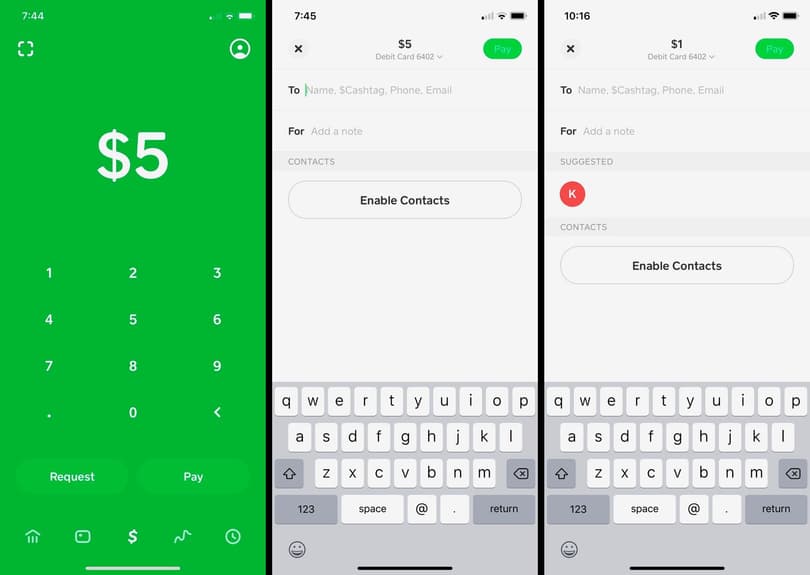
Unverified vs. Verified Accounts
When you first sign up for Cash App, your account is considered unverified. This status comes with stringent restrictions on both sending and receiving money. Typically, an unverified user can send up to $250 within any 7-day period and receive up to $1,000 within any 30-day period. These limits are designed for initial, low-risk use, making the platform accessible for quick, small transfers but preventing its misuse for larger, potentially suspicious transactions without proper identity checks.
Once you verify your account, these limits expand significantly. Verification involves providing personal details such as your full legal name, date of birth, and the last four digits of your Social Security Number (SSN). In some cases, Cash App may request your full SSN or additional identifying documents. Upon successful verification, the sending limit typically increases to $7,500 per week, and the receiving limit becomes unlimited. This dramatic increase fundamentally transforms Cash App from a casual money transfer tool into a more robust financial instrument capable of handling substantial personal and even some small business transactions.
Daily, Weekly, and Monthly Sending Limits
While the most commonly cited verified sending limit is $7,500 per week, it’s important to understand the nuances. Cash App primarily focuses on weekly sending limits for verified users. There isn’t an explicit “daily” sending limit announced by Cash App for verified users in the same way there is for unverified accounts, but the weekly cap naturally dictates the maximum daily spend if a user aims to reach that ceiling. For instance, sending $7,500 in a single day would consume your entire weekly allowance.
Monthly limits, similar to daily limits, are not explicitly stated for verified accounts as a separate cap beyond the weekly one. The cumulative effect of the weekly limit effectively forms a monthly limit. For example, if a user consistently sends $7,500 each week, they could transfer up to $30,000 in a four-week period. These limits are often reviewed by Cash App and can be subject to change, so staying informed by checking the app’s official support documentation is always a prudent financial practice. These caps are not arbitrary; they align with industry standards for anti-money laundering (AML) and know-your-customer (KYC) regulations, protecting both users and the financial ecosystem.
Receiving Limits Explained
For unverified accounts, the receiving limit is generally capped at $1,000 within any 30-day period. This relatively low threshold serves as a protective measure, preventing unverified users from becoming conduits for large sums of money without proper identity authentication. Once an account is verified, the receiving limit effectively becomes unlimited. This means verified users can receive any amount of money without hitting an imposed ceiling from Cash App itself. However, it’s crucial to remember that while Cash App may not limit how much you receive, large transfers might trigger scrutiny from your bank or tax authorities, especially if they are inconsistent with your usual financial activity. Understanding the tax implications of significant financial inflows, particularly for gifts or business income, is a critical component of responsible personal finance.
The Verification Process: Unlocking Higher Limits
The verification process on Cash App is straightforward but essential for anyone planning to use the platform for more than occasional small transfers. It’s designed to comply with financial regulations and bolster security, providing a safer environment for higher-value transactions. For individuals integrating Cash App into their broader financial toolkit, completing this step early is a wise decision.
What Information is Required for Verification?
To verify your Cash App account, you will typically need to provide several pieces of personal identification information:
- Full Legal Name: As it appears on your government-issued ID.
- Date of Birth: To confirm you meet the minimum age requirement (typically 18 years old).
- Last Four Digits of Your Social Security Number (SSN): This is a key piece of information for identity verification in the United States, used to cross-reference with credit bureaus or other databases to confirm your identity.
- Your Home Address: To establish a physical location for your account.
In some instances, particularly if initial verification attempts are inconclusive, Cash App may request further documentation. This could include a photo of a government-issued ID (like a driver’s license or passport) or a full SSN. This enhanced verification step is rare for most users but serves as an important safeguard against identity theft and financial fraud, ensuring the legitimacy of the account holder.
Benefits of a Verified Account
The most immediate and significant benefit of verifying your Cash App account is the substantially increased transaction limits. As discussed, verified users can send up to $7,500 weekly and have unlimited receiving capabilities, transforming Cash App into a versatile financial tool.
Beyond limits, verification also unlocks access to other key features of the platform:
- Cash Card: A free, customizable debit card linked to your Cash App balance, allowing you to make purchases anywhere Visa is accepted and withdraw cash from ATMs. This card integrates your Cash App balance directly into your everyday spending and budgeting.
- Direct Deposit: The ability to receive your paycheck, tax refund, or other direct deposits directly into your Cash App account. This feature can be particularly useful for managing a portion of your income or for those without traditional bank accounts.
- Investing in Stocks and Bitcoin: Verified users gain access to Cash App’s investing features, enabling them to buy and sell fractional shares of stocks and Bitcoin directly within the app. This opens up opportunities for micro-investing and diversification for personal finance portfolios.
- Enhanced Security: While Cash App employs robust security measures for all accounts, the verification process adds another layer of security, making it harder for unauthorized individuals to gain control of your account and execute large transactions.

Common Issues During Verification and How to Resolve Them
While generally smooth, users may occasionally encounter issues during the verification process.
- Mismatched Information: Ensure that the name, date of birth, and SSN you provide exactly match what is on file with government records. Even minor discrepancies can cause a verification failure. Double-check for typos.
- Age Restrictions: If you are under 18, your verification will fail. Cash App strictly adheres to age requirements for financial services.
- Previous Account Issues: If you’ve had a previous Cash App account that was closed or involved in suspicious activity, it might affect your ability to verify a new account.
- Technical Glitches: Occasionally, the app or internet connection might cause an issue. Try restarting the app, checking your internet connection, or attempting verification at a later time.
If you consistently face issues, the best course of action is to contact Cash App support directly. They can provide specific guidance based on your account’s status and the details of your verification attempt. Having any relevant documentation ready (like your ID) can expedite the resolution process.
Strategies for Managing Large Transactions with Cash App
While Cash App is excellent for everyday peer-to-peer payments, its limits, even for verified users, might pose challenges for exceptionally large financial transfers. Understanding how to manage these situations or when to use alternative financial tools is key to effective personal finance management.
Splitting Large Payments
If you need to send an amount that exceeds Cash App’s weekly limit of $7,500, a straightforward strategy is to split the payment across multiple weeks. For instance, if you need to send $15,000, you could send $7,500 this week and the remaining $7,500 next week. This requires careful planning and communication with the recipient to ensure they are aware of the staggered payment schedule. This approach is suitable when time is not an immediate constraint and both parties are comfortable with the delay. It’s important to monitor your sending limits within the app to ensure you don’t accidentally exceed them.
Alternative Payment Methods for Exceeding Limits
For transfers significantly larger than Cash App’s limits, or when immediate payment is necessary, turning to traditional banking methods or other financial services is often the most practical solution.
- Bank Wire Transfers: Banks offer wire transfers that allow you to send large sums of money electronically, often with higher limits than peer-to-peer apps. While they typically incur fees, they are highly secure and suitable for very large, time-sensitive transactions like down payments on a home or large business invoices.
- ACH Transfers (Bank Transfers): For transfers within the U.S. that aren’t extremely urgent, an Automated Clearing House (ACH) transfer is a reliable and usually low-cost option. These are often used for direct deposits and bill payments and can handle substantial amounts, though they may take 1-3 business days to clear.
- Other Digital Payment Platforms: Services like PayPal, Zelle, or Venmo (which may have their own distinct limits) can serve as alternatives, though they often have limits comparable to or slightly higher than Cash App’s for similar verification tiers. For truly massive sums, these are typically not the primary solution.
- Certified Checks or Cashier’s Checks: For extremely large, physical transactions (like buying a car from a private seller), a certified check from your bank guarantees funds and offers a secure paper trail, avoiding digital limits entirely.
Selecting the right method depends on the amount, urgency, and the recipient’s preferences, emphasizing the need for a diversified understanding of financial tools beyond a single app.
Planning Ahead for Big Transfers
Proactive financial planning is crucial when dealing with significant sums of money. If you anticipate needing to send a large amount via Cash App, ensure your account is verified well in advance. The verification process, while usually quick, can sometimes take a few days if additional documentation is required. Similarly, if you plan to split a payment, communicate clearly with the recipient about the schedule. For transfers that will exceed Cash App’s capabilities, research alternative methods and their associated fees and processing times beforehand. Integrating these considerations into your personal finance strategy can prevent last-minute stress and ensure smooth financial operations.
Safety and Security Considerations for High-Value Transfers
Utilizing any financial tool, especially for high-value transactions, necessitates a strong emphasis on safety and security. While Cash App employs robust measures to protect users, individual vigilance is paramount to safeguard your funds and personal information. This is an integral part of responsible personal finance in the digital age.
Protecting Your Account Information
The cornerstone of Cash App security lies in protecting your login credentials.
- Strong, Unique Passwords: Use complex passwords that combine letters, numbers, and symbols, and avoid reusing passwords across different platforms.
- Two-Factor Authentication (2FA): Always enable 2FA on your Cash App account. This adds an extra layer of security, requiring a code sent to your phone or email in addition to your password, making it much harder for unauthorized users to access your account even if they have your password.
- Beware of Phishing: Cash App will never ask for your login PIN, full SSN, or sign-in code outside of the app. Be extremely wary of emails, texts, or calls purporting to be from Cash App that request this information. Always verify the sender’s authenticity.
- Secure Your Device: Ensure your phone or device is password-protected or uses biometric security (fingerprint, facial recognition). Avoid conducting financial transactions on public Wi-Fi networks, which can be vulnerable to eavesdropping.
Recognizing Scams and Fraud Attempts
Cash App, like other popular payment apps, is a target for scammers. Being able to recognize common fraud tactics is vital:
- “Payment Pending” Scams: Scammers might send fake screenshots or messages claiming a payment is “pending” and requires your verification or sensitive information. Real Cash App payments are instant; pending status is rare and typically resolved internally.
- Giveaway/Prize Scams: Offers of free money, prizes, or Cash App “flips” that require you to send money first are almost always scams. If it sounds too good to be true, it probably is.
- Customer Support Impersonations: Scammers might pose as Cash App support, asking for your login details, PIN, or to send money to a “test” account. Cash App support will never ask for your PIN or for you to send them money. Always initiate contact through the official app or website.
- False “Accidental” Payments: A scammer might send you money then claim it was an accident and ask you to send it back. If you send it back directly, they might then dispute the original transaction with their bank, leaving you out of pocket. If an unknown person sends you money, contact Cash App support before taking any action.
What to Do If You Suspect Unauthorized Activity
If you notice any suspicious activity on your Cash App account or suspect you’ve fallen victim to a scam:
- Change Your PIN Immediately: Access your Cash App profile and change your PIN to prevent further unauthorized transactions.
- Contact Cash App Support: Use the in-app support feature to report the activity. Provide as much detail as possible, including dates, amounts, and any relevant communication.
- Contact Your Bank: If your bank account or debit card is linked to Cash App and was affected, contact your bank immediately to report the fraud and potentially freeze your card.
- Report to Authorities: For significant fraud, consider filing a report with local law enforcement or relevant consumer protection agencies.
By understanding Cash App’s limits, leveraging its features responsibly, and maintaining vigilance against security threats, users can effectively integrate this powerful financial tool into their personal finance strategy, ensuring their money moves safely and efficiently.
aViewFromTheCave is a participant in the Amazon Services LLC Associates Program, an affiliate advertising program designed to provide a means for sites to earn advertising fees by advertising and linking to Amazon.com. Amazon, the Amazon logo, AmazonSupply, and the AmazonSupply logo are trademarks of Amazon.com, Inc. or its affiliates. As an Amazon Associate we earn affiliate commissions from qualifying purchases.