
Cash App, a ubiquitous name in the peer-to-peer (P2P) payment landscape, has fundamentally reshaped how millions manage and transfer money. Its streamlined interface and rapid transaction capabilities have fostered unparalleled convenience, allowing users to send, receive, invest, and even bank directly from their smartphones. However, beneath this veneer of simplicity and accessibility lie a complex web of technological challenges, security vulnerabilities, and user experience frustrations that increasingly prompt the question: “What’s wrong with Cash App?”
This article delves into the technological underpinnings of these issues, examining how the very innovations that drive Cash App’s success also expose users to risks, highlighting the critical balance between technological advancement and robust digital security. From sophisticated scams leveraging the app’s design to inherent technical glitches and evolving regulatory demands, we will unpack the multifaceted problems facing this prominent financial technology (FinTech) platform through a strictly technological lens.

The Ubiquity and Inherent Vulnerabilities of P2P App Design
The design philosophy behind Cash App, and indeed many P2P payment platforms, prioritizes speed and ease of use. This focus, while a cornerstone of its widespread adoption, inadvertently creates a fertile ground for both legitimate technical issues and malicious exploitation. The technological architecture that enables instant transfers, for instance, often bypasses some of the traditional friction points designed into legacy banking systems, which historically offered additional layers of verification and delay that could prevent fraud.
The Double-Edged Sword of Convenience
The core appeal of Cash App lies in its frictionless transactions. Sending money to a friend, paying a bill, or even buying Bitcoin can be completed in a matter of seconds with just a few taps. Technologically, this involves intricate backend systems processing millions of transactions daily, relying on sophisticated algorithms and network infrastructure for near-instantaneous validation and settlement. However, this very efficiency is a double-edged sword. When a transaction is initiated and completed almost instantly, there is minimal window for recourse if an error occurs, or worse, if a fraudulent payment is made. Unlike credit card transactions, which often have robust chargeback mechanisms, P2P payments on platforms like Cash App are frequently likened to sending cash – once it’s gone, it’s exceedingly difficult to retrieve. This technological design choice, while offering convenience, shifts much of the burden of security onto the user, who must be vigilant about every tap and swipe. The lack of an “undo” button for confirmed payments is a significant design limitation from a user protection standpoint, stemming from the real-time settlement technology.
Design Principles vs. User Behavior
Cash App’s interface is designed to be intuitive, even for those less technologically adept. Simple iconography, clear calls to action, and minimal steps for transaction completion are hallmarks of its user experience (UX) design. Yet, this simplicity can sometimes be misleading. Users, accustomed to the immediate gratification offered by the app, may overlook critical security warnings or fail to scrutinize recipient details before confirming a payment. The underlying technology assumes a certain level of user diligence that, in the real world, is often compromised by distraction, haste, or unfamiliarity with digital security best practices. For example, the ease of searching for users by $Cashtag can lead to inadvertently sending money to the wrong individual if a $Cashtag is similar to the intended recipient’s. This is a design challenge: how to maintain simplicity and speed without inadvertently enabling human error or exploitation by malicious actors who understand common user behaviors. From a technology perspective, the tension lies in designing a system that is both incredibly accessible and inherently resistant to user-initiated errors or external manipulation.
Digital Security: The Achilles’ Heel of Cash App
Perhaps the most significant “wrong” with Cash App, from a technological standpoint, relates to digital security. As a platform handling sensitive financial data and facilitating real-time money movement, it becomes a prime target for cybercriminals. While Cash App employs various security measures, the sheer volume of users and transactions, combined with the evolving sophistication of threats, means that vulnerabilities are continuously tested and, at times, exploited.
Phishing and Social Engineering Exploits
The most pervasive threats to Cash App users are not always direct hacks into the company’s servers, but rather sophisticated phishing and social engineering attacks that exploit human vulnerabilities. Technologically, these attacks often leverage external communication channels (email, SMS, social media) to trick users into divulging their login credentials or personal information. For example, fake customer support websites or fraudulent “Cash App flip” scams promise to multiply money, luring users to “verify” their accounts by entering their login details on a deceptive interface designed to mimic the legitimate app or website. Once credentials are stolen, attackers can gain unauthorized access to accounts, bypassing even robust two-factor authentication (2FA) if the phishing site is sophisticated enough to capture 2FA codes in real-time or if users reuse passwords. While Cash App implements internal security protocols, its technological perimeter is effectively extended to every user’s personal device and digital habits, making it susceptible to these human-centric hacking methods.
Account Takeovers and Unauthorized Transactions
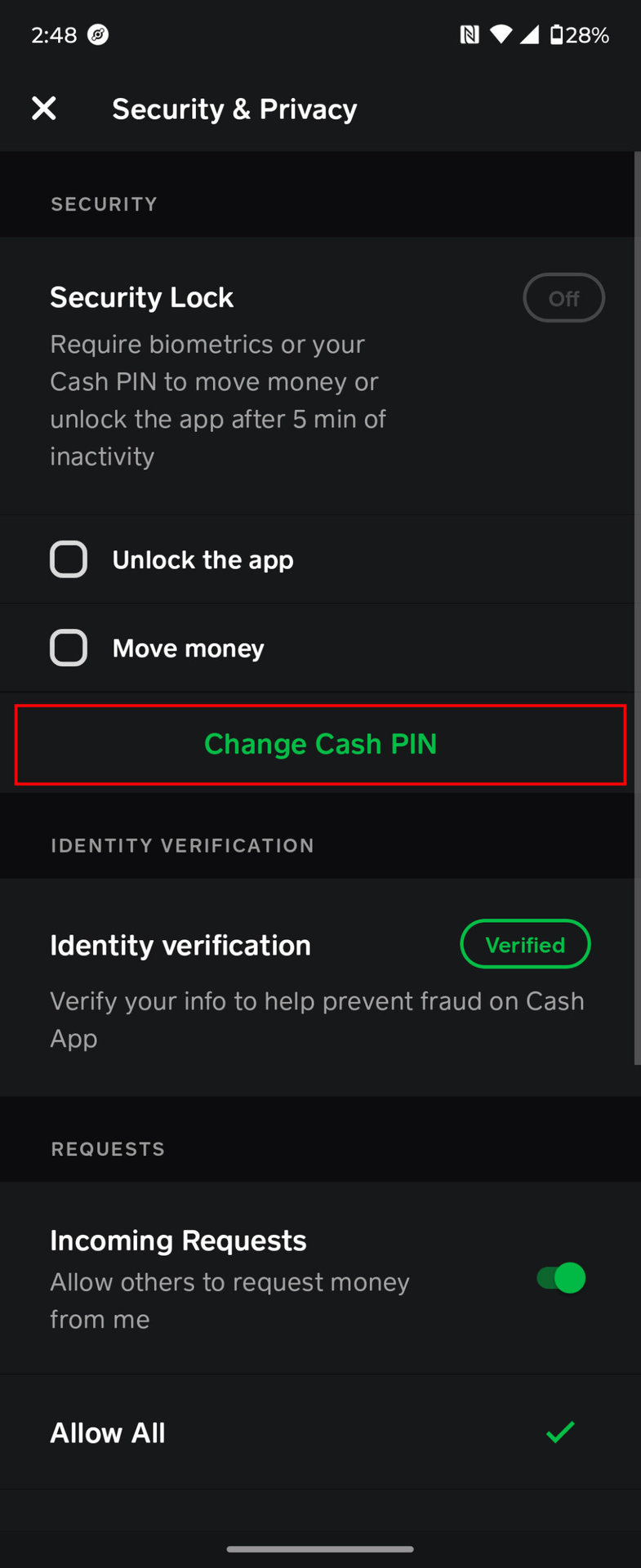
When phishing or social engineering succeeds, it frequently leads to account takeovers (ATOs). An ATO is a digital invasion where an unauthorized individual gains complete control over a user’s Cash App account. From a technology perspective, this means the attacker can initiate transactions, change linked bank accounts, or even send money to themselves, all while appearing as the legitimate account holder. The speed of Cash App transactions exacerbates the problem, as funds can be siphoned off rapidly before the rightful owner realizes the breach. Although Cash App typically offers security features like PIN protection, fingerprint ID, or face ID for transactions, these are often circumvented if the attacker has gained full login credentials. The challenge for Cash App’s security engineering team is to build dynamic, real-time fraud detection systems that can flag suspicious activity (e.g., logins from unusual locations, rapid changes in spending patterns) without adding excessive friction for legitimate users. This requires advanced machine learning algorithms constantly analyzing behavioral patterns and transaction data.
Data Privacy Concerns
In an era of heightened awareness around data privacy, Cash App, like any FinTech platform, holds a trove of personal and financial information. This includes names, addresses, Social Security numbers (for identity verification, particularly for higher limits or investing features), transaction histories, and linked bank account details. While Cash App states it uses encryption and other security protocols to protect this data, the mere aggregation of such sensitive information in one digital location creates a potential attack surface. Any breach, however unlikely, could have severe consequences for user privacy and financial security. The technological challenge lies not only in preventing external breaches but also in ensuring internal protocols for data access and usage are stringent, adhering to evolving global data protection regulations (like GDPR or CCPA) that often require complex architectural decisions around data storage, anonymization, and access controls.
Technical Glitches and User Experience Frustrations
Beyond security threats, users frequently encounter operational issues that directly impact their experience and trust in the platform. These technical glitches, ranging from simple annoyances to significant disruptions, underscore the complex engineering challenges inherent in running a large-scale, real-time financial application.
Transaction Delays and Errors
Despite the promise of instant transfers, Cash App users occasionally report significant delays in transactions, where sent money takes hours or even days to reach its destination. From a technological standpoint, these delays can stem from several factors: intermittent network congestion, issues with intermediary banking partners, internal system overloads during peak usage times, or errors in the automated fraud detection algorithms that temporarily flag and hold legitimate transactions for manual review. Similarly, outright transaction errors—where money is seemingly lost or incorrectly processed—are incredibly frustrating. Diagnosing and resolving these requires sophisticated logging and tracing systems across distributed architectures, often involving multiple internal and external services. The lack of transparency during these events, where users are left without clear explanations, compounds the frustration and erodes trust in the underlying technology’s reliability.
App Instability and Bugs
Like all complex software, Cash App is not immune to bugs and instability. Users report instances of the app crashing, freezing, failing to load, or exhibiting unexpected behavior. While regular software updates aim to fix these issues, new bugs can be introduced, highlighting the perpetual challenge of software development at scale. From a technical perspective, maintaining a robust, bug-free application across myriad device types, operating systems, and network conditions is an enormous undertaking. Each update involves extensive testing across thousands of scenarios. Furthermore, the integration with other services (e.g., linking external bank accounts, card processing networks, cryptocurrency exchanges) adds layers of complexity, where a bug in one integrated component can cascade and affect the entire application’s stability. These issues, though seemingly minor, disrupt the seamless experience Cash App strives to provide and can cause significant distress when they occur during critical financial transactions.
Inadequate Customer Support for Technical Issues
When technical issues arise, the expectation is that robust customer support will be readily available to resolve them. However, a common complaint among Cash App users is the perceived inadequacy or inaccessibility of their customer support, particularly for urgent technical problems. From a technological operations standpoint, scaling customer support to match a rapidly growing user base is a significant challenge. Implementing efficient AI-driven chatbots and self-help portals can deflect some queries, but complex or unique technical issues often require human intervention. The absence of a readily accessible phone number for immediate assistance, for example, forces users into slower, often asynchronous communication channels (like email or in-app messaging). This bottleneck in support infrastructure, combined with the complexity of diagnosing user-specific technical issues remotely, contributes significantly to user frustration and the feeling that “something is wrong” when their money is on the line.
The Evolving Landscape: Regulatory Pressure and Emerging Tech Challenges
The “wrongs” with Cash App are not static; they evolve with the technological landscape and regulatory environment. As FinTech innovates, regulators grapple with how to supervise these new financial frontiers, and users demand ever more sophisticated security and privacy.
Balancing Innovation with Compliance
Cash App operates in a complex regulatory environment, encompassing anti-money laundering (AML) laws, Know Your Customer (KYC) regulations, consumer protection statutes, and increasingly, cryptocurrency regulations. Technologically, compliance requires building intricate systems for identity verification, transaction monitoring, suspicious activity reporting, and data retention. For example, KYC processes often involve advanced identity verification technologies (e.g., facial recognition for ID checks, data cross-referencing with government databases) that must be integrated seamlessly without creating undue friction for legitimate users. The challenge for Cash App is to continually innovate and offer new features (like fractional stock trading or Bitcoin purchases) while simultaneously adapting its technological infrastructure to meet ever-changing and often stringent regulatory requirements. This balancing act can sometimes lead to delays in feature rollouts, account freezes for compliance reviews, or restrictions that are perceived by users as arbitrary.
The Future of P2P Security and Biometrics
Looking ahead, addressing “what’s wrong” with Cash App will heavily depend on the evolution of P2P security technology. The industry is moving towards more sophisticated authentication methods beyond passwords and PINs. Biometric authentication (fingerprint, facial recognition) is already integrated into many smartphones and is a more secure, convenient method. However, implementing and securing these across diverse devices and ensuring their robustness against spoofing attacks is a continuous engineering challenge. Furthermore, advancements in behavioral biometrics (analyzing how a user types, swipes, or holds their phone) and AI-driven anomaly detection will become crucial in identifying fraudulent activity in real-time, even when traditional credentials have been compromised. The future success of Cash App in mitigating its “wrongs” will largely depend on its ability to integrate these cutting-edge security technologies effectively and ethically.

User Education as a Digital Security Layer
Finally, no matter how technologically advanced Cash App’s security measures become, the human element remains the weakest link. Therefore, user education, delivered through technological means, becomes a critical layer of defense. This includes in-app notifications, interactive security tips, and clear warnings about common scams. Technologically, this means designing the app not just for functionality, but also as an educational tool, using UX principles to guide users towards safer practices. For instance, subtle UI cues or proactive alerts could flag potentially suspicious transactions or unusual login attempts. Empowering users with the knowledge to recognize and avoid phishing attempts, secure their devices, and understand the implications of their transactions is paramount. It’s a recognition that technology must not only protect users but also educate them to protect themselves, transforming the app into an active participant in digital literacy.
In conclusion, “what’s wrong with Cash App” is not a simple question with a singular answer. It’s a multifaceted problem rooted in the intricate interplay of cutting-edge financial technology, the imperative for user convenience, the relentless pursuit of cybercriminals, and the evolving demands of regulatory compliance. Addressing these issues requires continuous technological innovation, a commitment to robust digital security engineering, and a holistic approach that recognizes the critical role of user education in fortifying the digital perimeter. As Cash App continues to shape the future of digital payments, its ability to mitigate these inherent challenges will define its long-term trustworthiness and success in the competitive FinTech landscape.
aViewFromTheCave is a participant in the Amazon Services LLC Associates Program, an affiliate advertising program designed to provide a means for sites to earn advertising fees by advertising and linking to Amazon.com. Amazon, the Amazon logo, AmazonSupply, and the AmazonSupply logo are trademarks of Amazon.com, Inc. or its affiliates. As an Amazon Associate we earn affiliate commissions from qualifying purchases.