
In the rapidly evolving landscape of digital finance, tools that simplify money management and transactions have become indispensable. Among these, Square Cash emerged as a pivotal player, fundamentally altering how individuals send, receive, and interact with their money. Initially launched by Square, Inc. (now Block, Inc.) in 2013, “Square Cash” quickly became synonymous with effortless peer-to-peer (P2P) payments. Over time, it evolved dramatically, rebranding simply as “Cash App” and expanding its functionalities far beyond its original scope to become a versatile financial ecosystem.
The Evolution of Digital Payments: From Square Cash to Cash App
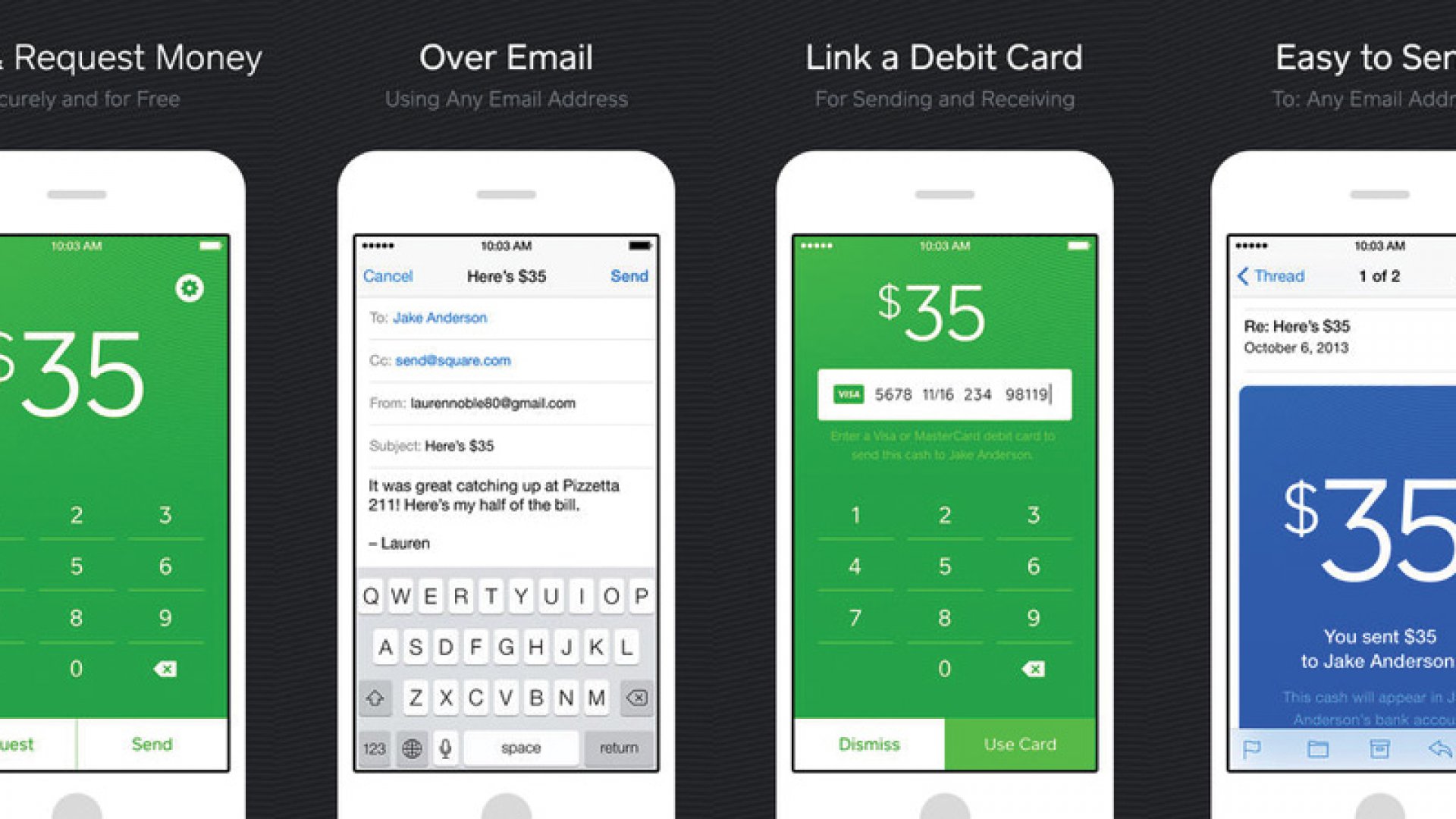
Square Cash began with a singular, clear mission: to make sending money as easy as sending an email. At a time when digital payments were often clunky or slow, Square Cash offered a remarkably streamlined experience. Users could send money to anyone simply by knowing their email address or phone number, or later, a unique “$Cashtag.” This simplicity resonated deeply, particularly with a younger, tech-savvy demographic looking for alternatives to traditional banking transfers.

A Brief History and Purpose
The initial iteration of Square Cash was designed to address a common pain point: splitting bills, paying friends back, or transferring funds without the delays and complexities of bank wires or even existing P2P services. Its distinguishing feature was its direct integration with debit cards, allowing for near-instant transfers that bypassed the need to load funds into a separate digital wallet first. This immediacy and low barrier to entry quickly distinguished it from competitors.
Beyond Peer-to-Peer
The transition from “Square Cash” to “Cash App” marked a significant strategic pivot. It wasn’t just a rebranding; it signaled an ambitious expansion into a more comprehensive suite of financial services. Recognizing the growing demand for accessible tools beyond basic P2P, Cash App began to integrate features that encroached on territory traditionally held by banks and investment platforms. This evolution transformed it from a simple money transfer app into a multi-faceted financial tool capable of supporting a broader range of personal finance needs, from everyday spending to nascent wealth building.
Core Financial Features for Everyday Use
Today’s Cash App is a robust platform offering a wide array of features designed to manage daily finances efficiently, catering to both individuals and small-scale business transactions.
Instant Money Transfers
At its heart, Cash App remains a powerful P2P payment service. Users can send and receive money instantly, a feature that has become critical for managing shared expenses, informal payments, and quick transfers between friends and family.
- Speed and Convenience: The primary draw of Cash App is the speed at which funds move. Most transfers are completed within seconds, a stark contrast to the multi-day processing times sometimes associated with traditional bank transfers. This near-instantaneity is crucial for time-sensitive transactions.
- Linking Bank Accounts and Debit Cards: To facilitate these transfers, users can securely link their bank accounts or debit cards. Funds sent or received can be instantly deposited into the linked bank account or held within the Cash App balance for future use. The choice offers flexibility, allowing users to manage their cash flow according to their immediate needs.
The Cash Card
A significant addition to the Cash App ecosystem is the Cash Card, a customizable, free-to-order Visa debit card. This card effectively bridges the gap between digital funds and real-world spending, empowering users to utilize their Cash App balance anywhere Visa is accepted.
- Direct Access to Cash App Balance: The Cash Card is directly linked to a user’s Cash App balance, meaning any funds received or held in the app are immediately available for purchases online or in physical stores. This eliminates the need to transfer funds to a separate bank account before spending.
- Cash Boosts for Discounts: A unique selling point of the Cash Card is its “Boosts” program. These are instant discounts applied at the point of sale when using the Cash Card at specific merchants (e.g., coffee shops, restaurants, gas stations). Users can select and swap Boosts directly within the app, offering dynamic savings tailored to their spending habits.
- ATM Withdrawals: The Cash Card also allows users to withdraw cash from ATMs, providing another layer of accessibility to their digital funds. While some ATM fees may apply, Cash App offers fee-free ATM withdrawals for users who set up direct deposit into their account, further incentivizing its use as a primary financial tool.
Direct Deposit & Bill Pay
Cash App has increasingly positioned itself as an alternative or supplementary banking solution, primarily through its direct deposit capabilities.
- Using Cash App as a Primary Account: Users are provided with an account number and routing number, allowing them to receive paychecks, unemployment benefits, tax refunds, and other direct deposits directly into their Cash App account. This feature appeals to individuals seeking a streamlined mobile-first banking experience or those who are underbanked.
- Receiving Paychecks, Unemployment Benefits, Tax Refunds: For many, the ability to have their income directly deposited into Cash App simplifies their financial flow, making funds readily available for P2P transfers, Cash Card spending, or even investing within the app. While not a full-fledged bank, it offers many of the conveniences of one for managing incoming funds.
Expanding Financial Horizons: Investing and Wealth Building
Beyond everyday transactions, Cash App has ventured into the realm of wealth building, democratizing access to investing for a broader audience. These features underscore its ambition to be a holistic financial platform.
Simple Stock Investing
Cash App introduced the ability to buy and sell stocks directly within the app, making equity markets more accessible to novice investors.
- Fractional Shares: A key innovation is the option to buy fractional shares. This means users can invest in expensive stocks with as little as $1, rather than needing to purchase an entire share. This significantly lowers the barrier to entry, allowing users to diversify their portfolios even with small amounts of capital.
- Ease of Use for Beginners: The investing interface is designed for simplicity, making it intuitive for those new to the stock market. Users can browse popular stocks, search for specific companies, and execute trades with just a few taps.
- Considerations and Risks: While convenient, it’s crucial for users to understand the inherent risks of stock market investing. Prices can fluctuate, and investments are not guaranteed. Cash App provides basic tools but may not offer the in-depth research and analytical features found on dedicated brokerage platforms.
Bitcoin Trading
Embracing the digital currency revolution, Cash App allows users to buy, sell, and send Bitcoin (BTC) directly from their accounts.
- Buying and Selling BTC Directly within the App: This feature provides a straightforward way for individuals to engage with cryptocurrency without needing to navigate complex crypto exchanges. Users can easily convert fiat currency from their Cash App balance into Bitcoin and vice-versa.
- Understanding Crypto Volatility and Security: Bitcoin, like other cryptocurrencies, is highly volatile. Its value can change dramatically and quickly. Users engaging in Bitcoin trading through Cash App must be aware of these risks and understand that their investment can lose value. Cash App also provides basic security measures for holding Bitcoin, though dedicated crypto wallets may offer more advanced options for self-custody.
Tax Implications of App-Based Investing
A critical, often overlooked aspect of investing through platforms like Cash App is the tax implications.
- Capital Gains and Losses: When users sell stocks or Bitcoin for a profit, these are considered capital gains and are subject to taxation. Conversely, selling at a loss can be used to offset gains.
- Reporting Requirements: Cash App typically provides users with the necessary tax documents (e.g., 1099-B) at the end of the tax year, detailing their investment activity. Users are responsible for accurately reporting these transactions to the relevant tax authorities. Understanding these obligations is vital to avoid future complications.
Financial Security and User Protection
With money being transacted, security is paramount. Cash App employs various measures to protect user funds and data, though users also play a critical role in maintaining their own security.
Safeguarding Your Funds
Cash App implements industry-standard security protocols to protect user information and financial transactions.
- Encryption: All data transmitted within the app is encrypted to prevent unauthorized access.
- Fraud Detection: Sophisticated fraud detection systems are in place to monitor for suspicious activity and prevent unauthorized transactions.
- FDIC Insurance (where applicable): While Cash App itself is not a bank, the funds held in a user’s Cash App balance that are linked to direct deposit are often held at FDIC-insured partner banks, providing up to $250,000 in insurance coverage in case of bank failure. It’s important to verify the specific terms and conditions regarding FDIC pass-through insurance for funds held.
User Best Practices
Despite robust platform security, users are the first line of defense against scams and unauthorized access.
- Enable PIN/Touch ID/Face ID: Setting up these authentication methods adds an essential layer of security to prevent unauthorized access to the app.
- Beware of Scams: Users should be vigilant against phishing attempts, fake customer support, and unsolicited requests for money or personal information. Cash App will never ask for your PIN or full login details.
- Strong Passwords: Using a unique, strong password for your Cash App account and linked email is fundamental.
- Review Transactions Regularly: Regularly checking transaction history helps in identifying any suspicious or unauthorized activity promptly.
Cash App’s Role in Personal Finance and the Gig Economy
Cash App’s broad feature set has solidified its position as more than just a payment app; it’s a significant tool within the modern personal finance landscape and a facilitator for the gig economy.
Facilitating Online Income and Side Hustles
For freelancers, gig workers, and small businesses, Cash App offers a convenient way to send and receive payments.
- Easy Invoicing and Payments: Individuals performing services can quickly receive payments from clients or customers using their $Cashtag, bypassing traditional invoicing systems or complex payment gateways often associated with larger businesses.
- Speed for Small Business: The instant nature of payments is particularly beneficial for small-scale operations where quick access to funds can be crucial for cash flow.
Budgeting and Tracking
While not a dedicated budgeting app, Cash App provides a clear transaction history that can be valuable for personal financial management. Users can export their transaction data, which can then be imported into other budgeting software or spreadsheets. For many, its simplicity encourages better tracking of spending within the app, especially when using the Cash Card.

Accessibility and Financial Inclusion
Perhaps one of Cash App’s most significant contributions is its role in financial inclusion. By offering a mobile-first platform with easy sign-up, a debit card, and direct deposit capabilities, it provides essential financial services to individuals who may be unbanked or underbanked by traditional financial institutions. This accessibility lowers barriers, allowing more people to participate in the digital economy and manage their money effectively, even without a conventional bank account.
In conclusion, “Square Cash,” now known as Cash App, has transformed from a simple P2P payment tool into a powerful and multifaceted financial platform. Its blend of everyday spending features, accessible investing options, and commitment to financial inclusion makes it a significant player in how individuals manage, spend, and grow their money in the digital age.
aViewFromTheCave is a participant in the Amazon Services LLC Associates Program, an affiliate advertising program designed to provide a means for sites to earn advertising fees by advertising and linking to Amazon.com. Amazon, the Amazon logo, AmazonSupply, and the AmazonSupply logo are trademarks of Amazon.com, Inc. or its affiliates. As an Amazon Associate we earn affiliate commissions from qualifying purchases.