
Understanding Cash App’s Credit Card Integration
Cash App, a popular mobile payment service, offers users a convenient way to send and receive money, often acting as a personal finance hub for many. While its primary function leans on debit cards and linked bank accounts for fee-free transactions, the platform also accommodates credit card integration. Understanding how to leverage this feature, and more importantly, its financial implications, is crucial for responsible money management.
The Basics of Linking Your Card
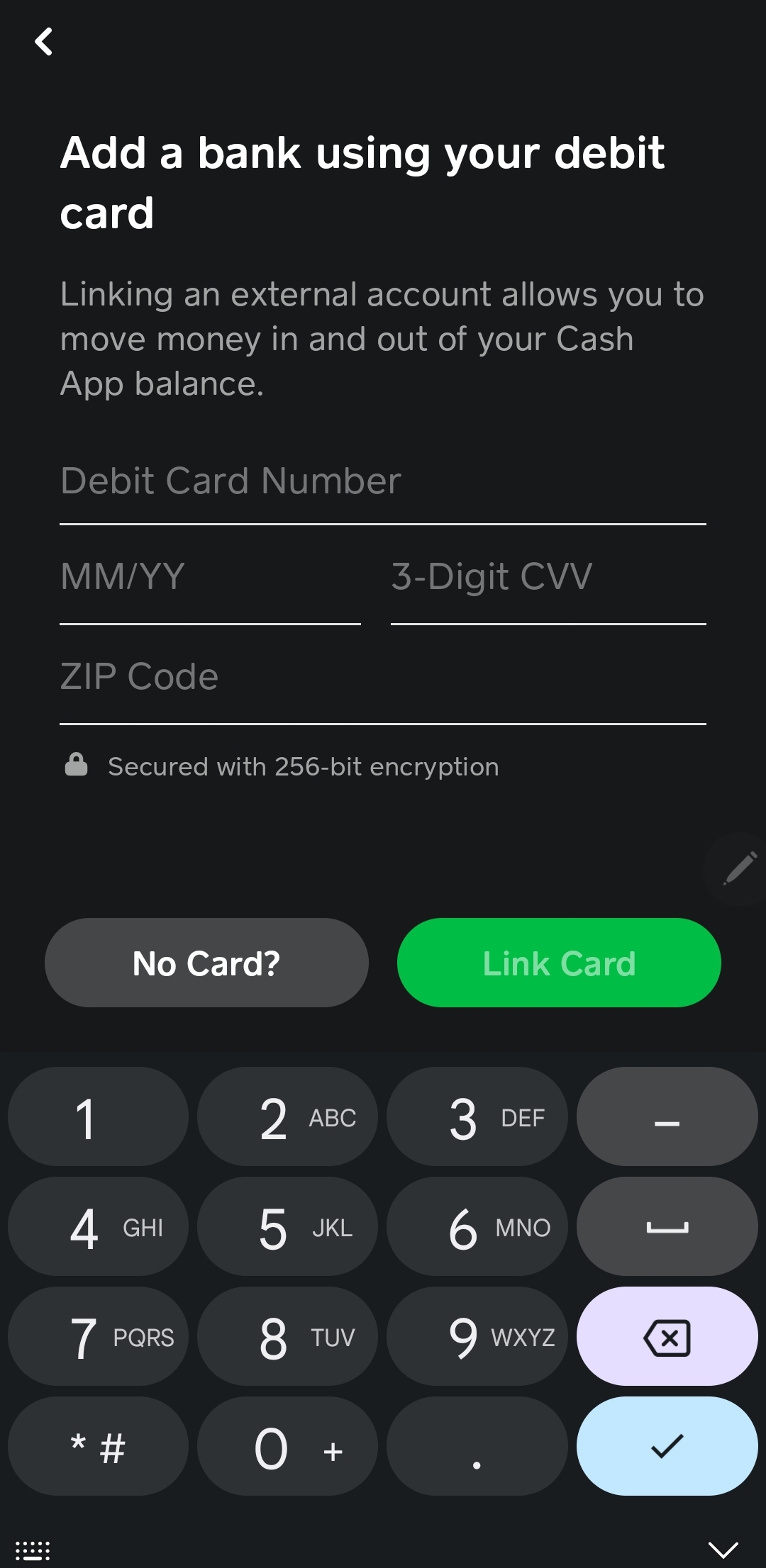
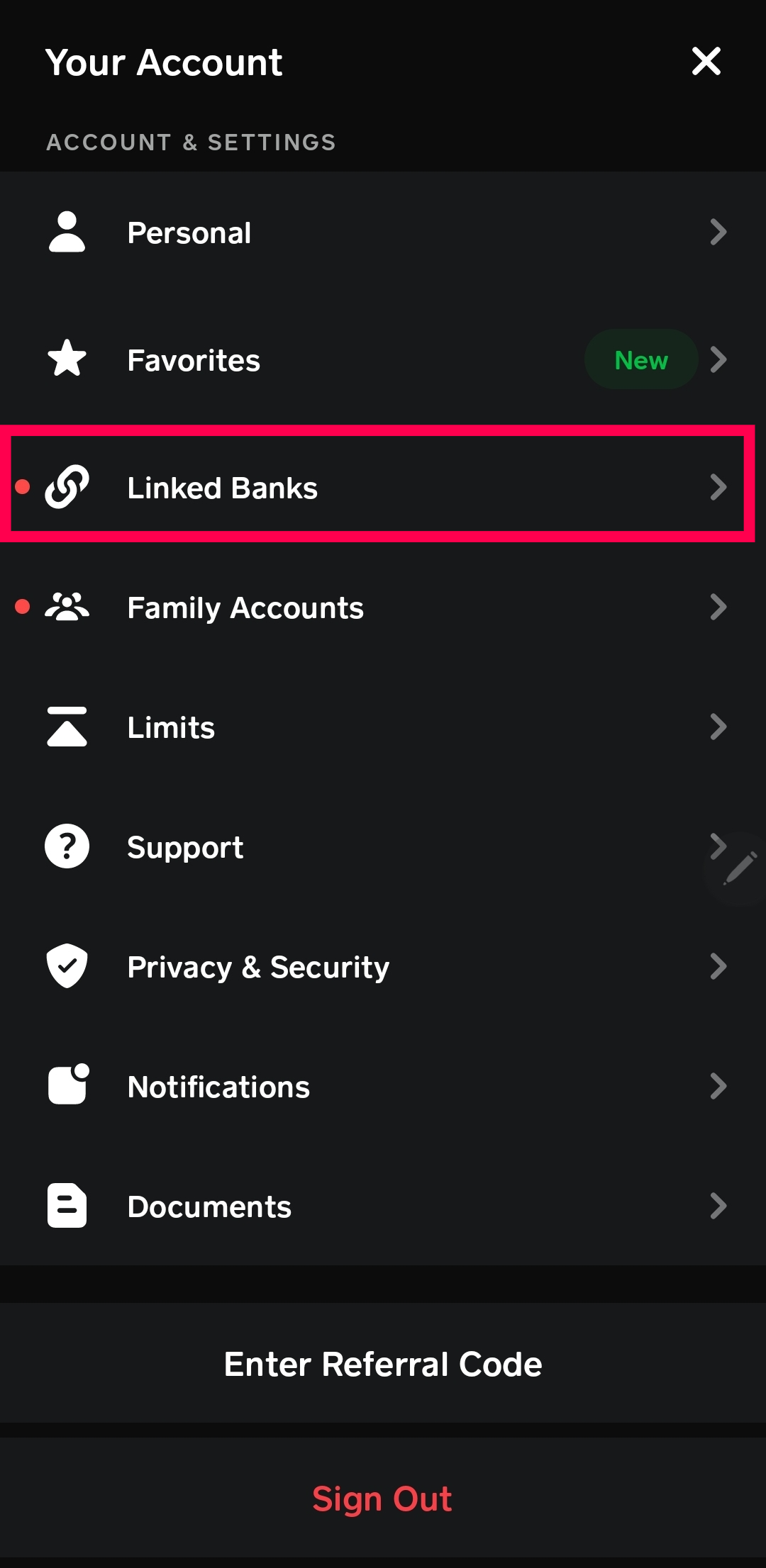
Adding a credit card to your Cash App account is a straightforward process, designed to facilitate quick transactions. To do so, users typically navigate to the “Linked Banks” section within the app, where options to link a debit card or credit card are presented. The app will then prompt for the credit card number, expiration date, CVV, and billing zip code. For security and verification, Cash App may perform a small, temporary authorization charge, which is quickly reversed, to ensure the card is valid and belongs to the account holder. This initial setup integrates the credit card into your payment options, making it available for various app functionalities.
Distinguishing Credit from Debit on Cash App
It’s vital for users to recognize the fundamental difference between using a credit card and a debit card or bank account on Cash App, particularly concerning financial implications. A debit card directly draws funds from your linked checking account, meaning you’re spending money you already possess. Conversely, a credit card allows you to borrow money from the card issuer, creating a debt that must be repaid, typically with interest if not settled by the due date. Cash App’s system recognizes this distinction and applies different rules and fees based on the payment source chosen for a transaction. While the platform visually presents both options, the underlying financial mechanisms are vastly different and carry distinct costs and benefits.
Transaction Types Supported
Once linked, a credit card can be used on Cash App primarily for sending money to other individuals. This is often the main use case where a credit card might be considered, perhaps in an emergency when a bank account or debit card lacks sufficient funds. However, it’s important to note that credit cards generally cannot be used for all Cash App features without incurring significant costs or facing restrictions. For instance, directly loading funds from a credit card onto your Cash App balance or using it for a “Cash Out” (transferring money from Cash App to your bank) is typically not supported. The Cash Card, Cash App’s customizable debit card, generally operates by drawing from your Cash App balance, which is usually funded by debit cards or bank transfers, not directly by credit cards, highlighting its role as a spending tool rather than a credit line.
Fees and Financial Implications of Credit Card Use
While the convenience of using a credit card on Cash App might seem appealing, it comes with specific costs and financial considerations that users must thoroughly understand. These fees are designed to cover the processing costs associated with credit card transactions and protect the platform from potential losses. Ignoring these can lead to unexpected expenses and increased debt.
Transaction Fees for Sending Money
The most significant financial implication of using a credit card on Cash App is the transaction fee for sending money. Cash App charges a standard 3% fee when you use a credit card to send funds to another user. For example, if you send $100 using a credit card, you will be charged $103, with $3 being the service fee. This fee is explicitly communicated within the app before confirming the transaction, ensuring transparency. In contrast, sending money via a linked debit card or directly from your Cash App balance (funded by a bank transfer) incurs no such fee. This 3% surcharge is considerably higher than the fees associated with other payment methods and can quickly accumulate, especially with larger or frequent transactions. The rationale behind this fee stems from the higher processing costs that credit card companies charge payment platforms like Cash App, which are then passed on to the consumer.
Avoiding Unnecessary Costs
Given the 3% fee, it is generally advisable to use a debit card or a linked bank account as the primary method for sending money on Cash App whenever possible. These methods are free, making them the most cost-effective options for personal money transfers. Users should view credit card use on Cash App as a last resort, primarily for urgent situations where immediate funds are required and no other payment method is feasible. Planning ahead and ensuring your debit card or bank account has sufficient funds can effectively help you avoid these additional charges. Before initiating any payment, always review the selected payment method and the associated fees displayed on the transaction summary screen to confirm you are using the most economical option.
The Danger of Cash Advance Fees
Beyond Cash App’s 3% fee, a more perilous financial trap lurks: the possibility of your credit card issuer treating the Cash App transaction as a cash advance. Credit card companies often categorize peer-to-peer payments made with a credit card as cash advances, rather than standard purchases. Cash advances are notorious for their detrimental financial terms:
- Higher Interest Rates: Cash advance interest rates are typically significantly higher than those for standard purchases.
- Immediate Interest Accrual: Unlike purchases, which often have a grace period before interest kicks in, interest on cash advances usually starts accruing immediately from the transaction date, with no grace period.
- Additional Fees: Your credit card issuer may also charge a separate cash advance fee, often a percentage of the amount or a flat fee (e.g., $5 or 5% of the advance, whichever is greater).
Combining Cash App’s 3% fee with a credit card issuer’s cash advance fee and higher, immediate interest can make a seemingly simple transaction incredibly expensive. Before using a credit card on Cash App, it is paramount to consult your credit card agreement or contact your issuer to understand their policy on peer-to-peer payment apps and cash advances. This due diligence can save you from substantial unexpected costs and deeper debt.
Responsible Credit Card Management on Cash App
Integrating a credit card with any financial app, including Cash App, demands a disciplined approach to personal finance. While the convenience is undeniable, the potential for accumulating debt and incurring high fees necessitates careful management and strategic decision-making.
Budgeting and Tracking Your Spending
Effective budgeting is the cornerstone of responsible credit card use. When you use a credit card on Cash App, it’s crucial to integrate these transactions into your broader personal budget. Don’t view Cash App spending as separate from your overall financial picture. Each credit card transaction, despite being routed through the app, still represents a loan you must repay to your credit card issuer. Utilize budgeting apps or spreadsheets to meticulously track every dollar sent via credit card on Cash App, ensuring it aligns with your allocated spending categories. Regularly review your Cash App activity and compare it against your credit card statements to catch any discrepancies and maintain an accurate understanding of your liabilities. This proactive monitoring helps prevent overspending and ensures you are fully aware of your outstanding balances.
Utilizing Credit Card Rewards Strategically
For some users, the allure of credit card rewards might present a tempting reason to use a credit card on Cash App. Certain credit cards offer cashback, points, or miles on specific spending categories, or attractive sign-up bonuses. In very specific, well-calculated scenarios, the value of these rewards might theoretically outweigh Cash App’s 3% transaction fee, provided the credit card transaction isn’t treated as a cash advance. For instance, if a card offers 5% cashback on a category that Cash App transactions fall into (which is rare, given the cash advance treatment), or if meeting a large sign-up bonus threshold requires a specific spend that cannot be met otherwise, it could be a consideration. However, this strategy is fraught with risk. The higher interest rates and immediate accrual associated with cash advances typically negate any potential reward benefits. Furthermore, if you carry a balance and pay interest, any rewards earned are effectively nullified. Therefore, chasing rewards through Cash App credit card payments is rarely a financially sound strategy and should be approached with extreme caution, only after confirming the transaction won’t be treated as a cash advance and that you can pay off the balance in full immediately.
Security Best Practices
Regardless of the payment method, maintaining robust security for your Cash App account is paramount. This includes enabling a strong PIN or Touch ID/Face ID for all transactions and logins. Use a unique, complex password for your Cash App account and ensure two-factor authentication (2FA) is activated if available. Regularly monitor your Cash App activity log and your credit card statements for any unauthorized or suspicious transactions. If you notice anything unusual, report it immediately to Cash App support and your credit card issuer. Being proactive about security protects not only your financial data but also your credit score from potential fraud.
Alternative Financial Strategies for Cash App
Given the fees and risks associated with using a credit card on Cash App, exploring and prioritizing alternative, more cost-effective financial strategies is highly recommended for savvy money management. Cash App offers several features designed for efficient and economical transactions.
Prioritizing Debit Cards and Bank Transfers
The most financially prudent approach to using Cash App for sending or receiving money is to link a debit card or your bank account directly. Payments made using either of these methods incur no transaction fees from Cash App. Linking your bank account allows you to seamlessly transfer funds into your Cash App balance, which can then be used for payments or investments, all without additional charges. Similarly, using a debit card for payments draws directly from your bank account, offering immediate transaction processing without the 3% surcharge or the risk of cash advance fees. These options are designed for everyday financial interactions, providing the convenience of a digital wallet without the added cost burden. They ensure that the full amount you intend to send reaches the recipient, without any portion being diverted to fees.
Exploring Cash App’s Other Financial Features
Cash App has evolved beyond a simple peer-to-peer payment service, offering a suite of financial tools that can enhance your financial well-being without relying on costly credit card transactions.
- Direct Deposit: Users can set up direct deposit for their paychecks or government benefits directly into their Cash App account. This provides quick access to funds and eliminates the need to transfer money from external bank accounts.
- Investing in Stocks and Bitcoin: Cash App enables users to buy and sell fractional shares of stocks and Bitcoin directly within the app. Funds for these investments typically come from your Cash App balance, which can be topped up via debit card or bank transfer, avoiding credit card fees. This feature offers an accessible entry point into investing for individuals, utilizing funds already available.
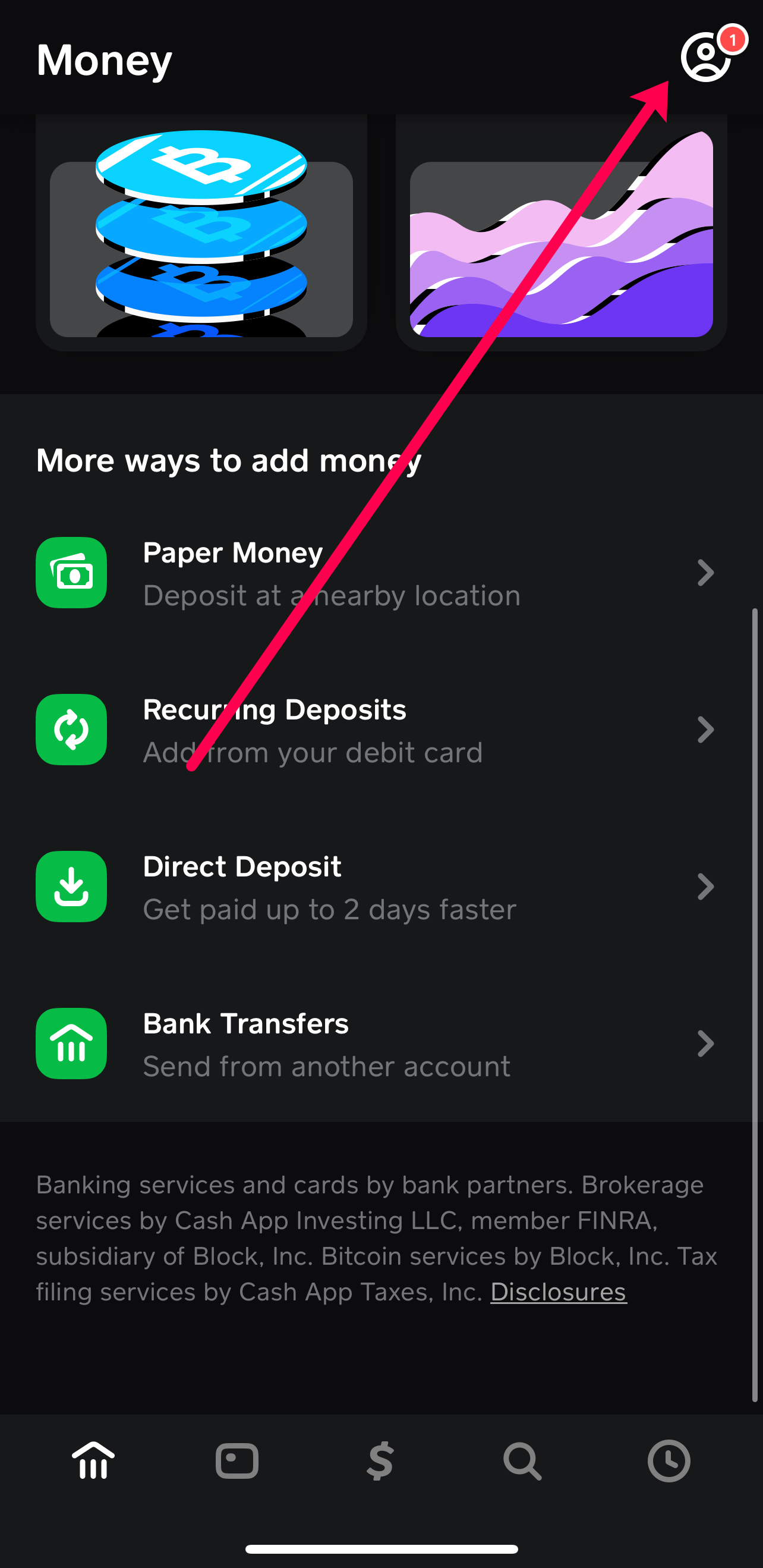
- Using the Cash Card: The Cash Card is a free, customizable debit card linked to your Cash App balance. It can be used anywhere Visa is accepted, for both online and in-store purchases. Funding your Cash App balance with a debit card or bank transfer and then spending with the Cash Card is a highly efficient way to manage everyday expenses, often with additional “Boosts” that provide instant discounts at various merchants.
When Credit Cards Make Sense (Limited Scenarios)
While the default recommendation is to avoid credit cards on Cash App due to fees and risks, there are extremely limited scenarios where their use might be considered. These situations typically involve genuine emergencies where immediate funds are absolutely necessary, and no other avenue (debit card, bank transfer, or cash) is available. For instance, if you need to send money urgently to a family member in distress, and your bank account is unexpectedly empty with no debit card access, using a credit card might be a last resort. Even then, it’s critical to be fully aware of the immediate and compounding costs.
In almost all other circumstances, relying on credit cards for routine Cash App transactions is financially unsound. It is not a sustainable strategy for managing personal finances and can quickly lead to accumulating unnecessary debt and charges. Prudent financial management dictates leveraging the fee-free options provided by Cash App as the primary method, reserving credit cards for their intended purpose of making purchases with the intention of paying off the balance in full each month, thus avoiding interest altogether.
aViewFromTheCave is a participant in the Amazon Services LLC Associates Program, an affiliate advertising program designed to provide a means for sites to earn advertising fees by advertising and linking to Amazon.com. Amazon, the Amazon logo, AmazonSupply, and the AmazonSupply logo are trademarks of Amazon.com, Inc. or its affiliates. As an Amazon Associate we earn affiliate commissions from qualifying purchases.