
In the evolving landscape of personal finance, peer-to-peer payment applications have become indispensable tools for managing day-to-day transactions. Among these, Cash App stands out as a popular choice for its ease of use and instant transfers. However, like any financial tool, Cash App operates within specific parameters, particularly concerning how much money you can send. Understanding these sending limits is not merely a technicality; it’s a crucial aspect of effective personal finance management, ensuring you can execute necessary transactions without unexpected hurdles.
For many users, Cash App serves as a digital wallet for splitting bills, sending money to friends and family, or even receiving payments for small gigs. Yet, the question “how much money can you send through Cash App?” often arises when planning larger transfers or when encountering a transaction block. This guide delves deep into Cash App’s sending limits, differentiating between unverified and verified accounts, outlining the verification process, and offering strategic insights for leveraging the app for your financial needs. By understanding these limitations and the pathways to expand them, users can navigate Cash App with greater confidence and efficiency, ensuring seamless financial interactions.
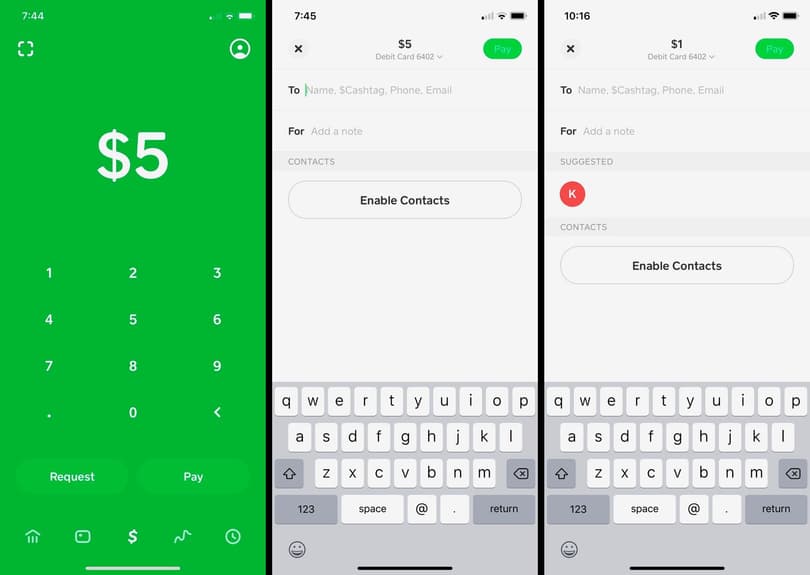
Navigating Cash App’s Standard Sending Limits
Cash App implements a tiered system for transaction limits, primarily designed around the level of identity verification completed by the user. This approach helps Cash App comply with financial regulations and mitigate risks, while also offering greater flexibility to users who provide more information. The distinction between unverified and verified accounts is the cornerstone of understanding your sending capacity.
Unverified Account Restrictions
When you first sign up for Cash App, you start with an unverified account. This means you’ve provided only basic information, typically your name and phone number or email address. While convenient for quick initial setup, unverified accounts come with significant restrictions on how much money you can send.
Typically, unverified Cash App accounts are limited to sending up to $250 within any 7-day period. This limit is often paired with a receiving limit, commonly around $1,000 within any 30-day period. These relatively low caps are put in place to protect both the user and the platform from potential fraud and to adhere to basic Know Your Customer (KYC) regulations for financial services that handle minimal transaction volumes. For users who primarily use Cash App for occasional, small-value transactions—like splitting a coffee bill or sending a small birthday gift—these limits might suffice. However, for anyone planning to use Cash App for more substantial or frequent financial transfers, these restrictions can quickly become a bottleneck, leading to transaction failures and inconvenience. It’s essential for unverified users to be aware of these caps to avoid frustrating situations where a payment cannot be completed due to exceeding the allowed threshold.
Verified Account Privileges
To unlock significantly higher transaction limits and access a broader range of Cash App features, users must complete the verification process. This involves providing more detailed personal information, which is then verified against official records.
Once your Cash App account is verified, your sending limits are dramatically increased. Verified users can typically send up to $7,500 per week. This substantial increase makes Cash App a viable option for a wider array of personal financial transactions, from paying rent to family members to larger shared expenses. Furthermore, a major advantage for verified users is that there is no limit on the amount of money you can receive on Cash App. This unlimited receiving capacity is particularly beneficial for individuals who regularly receive payments from various sources, such as freelancers or individuals managing shared household finances. The enhanced limits for verified accounts not only provide greater flexibility but also signify a higher level of trust and compliance within the Cash App ecosystem, aligning with standard practices in the financial services industry for managing larger sums of money.
The Verification Process: Unlocking Higher Limits
The transition from an unverified to a verified Cash App account is a straightforward yet crucial step for anyone looking to maximize their financial flexibility within the application. This process is mandated by financial regulations and is designed to enhance the security and integrity of transactions carried out on the platform. Understanding what the verification entails and its benefits beyond just higher limits is key to leveraging Cash App effectively.
Step-by-Step Guide to Verification
The verification process on Cash App typically requires you to provide a few key pieces of personal information. This usually includes:
- Your full legal name: This ensures your account is tied to your official identity.
- Your date of birth: To confirm you meet the minimum age requirement for using the service.
- The last four digits of your Social Security Number (SSN): This is the primary piece of information Cash App uses to verify your identity. It allows them to cross-reference your information with national databases to confirm you are who you say you are.
Occasionally, Cash App might request additional information, such as your full SSN or physical address, especially if there are discrepancies or if they need further assurance of your identity. This process is compliant with “Know Your Customer” (KYC) laws, which are critical financial regulations aimed at preventing financial crimes such as money laundering and terrorist financing. By collecting and verifying this information, Cash App fulfills its regulatory obligations, creating a safer financial environment for all users. The process is usually initiated directly within the Cash App interface, often prompted when you attempt a transaction that exceeds unverified limits or by navigating to your profile settings.
Benefits Beyond Higher Sending Limits
While the most immediate and significant benefit of verification is the substantial increase in sending limits, a verified Cash App account opens the door to a host of other financial features and enhanced security measures that contribute to a more robust personal finance experience.
For instance, verified users gain the ability to buy and sell Bitcoin directly within the app. This feature is a significant draw for many, allowing them to participate in the cryptocurrency market through a familiar and integrated platform. Similarly, verification is often a prerequisite for investing in stocks through Cash App, providing an accessible entry point to the stock market for casual investors. Another major advantage is the eligibility to order and activate a Cash Card. The Cash Card is a customizable, free debit card linked directly to your Cash App balance, allowing you to make purchases using your funds anywhere Visa is accepted, and even withdraw cash from ATMs. These features extend Cash App’s utility far beyond simple peer-to-peer payments, transforming it into a more comprehensive financial tool capable of supporting various aspects of personal money management and investment. Furthermore, a verified account offers an added layer of security, as Cash App has a confirmed identity for the account holder, which can be crucial in resolving disputes or recovering funds in case of unauthorized activity.
Strategic Use of Cash App for Financial Transactions
Understanding Cash App’s sending limits and the verification process is merely the first step. To truly optimize your use of this financial tool, it’s essential to integrate this knowledge into your broader personal finance strategy. Strategic planning can help you maximize convenience while avoiding potential pitfalls.
Managing Daily and Weekly Spending

For both unverified and verified users, effective management of your daily and weekly spending on Cash App is crucial to avoid hitting unexpected transaction limits. Cash App provides a clear transaction history within the application, allowing you to monitor your recent sends and assess how much of your limit remains. Regularly reviewing this history, especially before initiating a large transfer, can prevent failed transactions.
If you frequently send amounts close to your unverified limit, it’s a strong indicator that verification is a necessary step to accommodate your financial habits. For verified users, while the limits are significantly higher, it’s still wise to be mindful of the $7,500 weekly cap, particularly for those managing shared household expenses or receiving large reimbursements. For transactions that might exceed even the verified limits, or for critical payments that require absolute certainty, considering splitting the payment into multiple transfers across different weeks (if the recipient agrees and the situation allows) or exploring alternative financial tools becomes important. Proactive planning ensures your financial flows remain uninterrupted.
Business vs. Personal Use Considerations
While Cash App’s simplicity makes it appealing for various transactions, it’s primarily designed as a peer-to-peer payment service for personal use. While some small businesses use it to receive payments, particularly for casual or low-volume transactions, its limit structure and lack of comprehensive business features make it less ideal for significant commercial operations.
For personal use, Cash App excels in scenarios like splitting restaurant bills, contributing to a group gift, or sending funds to family members. Its instantaneous nature is a huge convenience. However, for business finance, especially those involving higher transaction volumes or larger individual amounts, dedicated business accounts with banks or specialized payment processors offer superior features. These include higher, often customizable, limits, detailed transaction reporting, integration with accounting software, and clearer distinctions for tax purposes. Relying on a personal Cash App account for substantial business transactions can quickly lead to hitting sending/receiving limits, complicating financial reconciliation, and potentially raising flags for tax authorities if personal and business finances are not clearly separated. Understanding these distinctions is vital for maintaining sound financial health, whether personal or business-related.
When to Consider Alternative Payment Methods
Despite its convenience, there are scenarios where Cash App’s limits, even for verified accounts, might prove restrictive. Recognizing these situations and knowing when to pivot to alternative financial tools is an important aspect of financial literacy.
For exceptionally large transfers, such as down payments on property, significant investments, or large business-to-business transactions, traditional bank transfers or wire transfers are generally more appropriate. These methods often have higher, or virtually no, limits and come with established legal and security frameworks tailored for high-value transactions. Similarly, for recurring payments like monthly rent or mortgage contributions that exceed Cash App’s weekly sending limit, setting up automated bank transfers (ACH transfers) directly from your bank account is a more reliable and efficient solution. Other payment applications, such as PayPal, Venmo, or Zelle, also have their own set of limits, which might be different from Cash App’s. Exploring these alternatives can provide flexibility if you find yourself consistently bumping against Cash App’s ceilings or if a specific recipient prefers a different platform. The key is to select the financial tool that best matches the transaction’s value, frequency, and security requirements, rather than forcing all transactions through a single application.
Security, Fees, and Best Practices for Cash App Users
Beyond understanding sending limits, adopting best practices for security and being aware of potential fees are fundamental to a safe and cost-effective Cash App experience. These considerations are integral to managing your money wisely within the digital ecosystem.
Understanding Potential Fees
One of Cash App’s appeals is its general fee-free nature for standard transactions. Sending and receiving money to and from other Cash App users is typically free. However, there are specific services within the app that may incur fees, and being aware of these is crucial for managing your financial outflow.
The most common fee encountered is for instant deposits to your linked debit card. While standard deposits to your bank account are free, they usually take 1-3 business days. If you need immediate access to your funds, Cash App charges a small fee, typically 0.5% to 1.75% of the transaction amount. Similarly, if you use a credit card to send money, Cash App charges a 3% fee to cover the processing costs associated with credit card transactions. While Cash App also allows you to buy and sell Bitcoin, these transactions often come with a service fee and a spread fee, impacting your overall investment returns. For business accounts, receiving payments might also incur a small processing fee. By understanding these potential charges, users can make informed decisions about how they manage their funds, opting for fee-free options when time is not a critical factor, or budgeting for fees when speed or credit card use is necessary.
Security Measures and Fraud Prevention
In the digital finance world, security is paramount. Cash App, like any financial application, is a target for scammers and fraudsters. Adhering to best security practices is vital to protect your money and personal information.
Always use a strong, unique password or PIN for your Cash App account and enable two-factor authentication (2FA) for an extra layer of protection. Be highly skeptical of unsolicited requests for money or information. Cash App will never ask for your sign-in code, PIN, or full Social Security Number outside of the official verification process. Only send money to people you know and trust. Once money is sent on Cash App, it can be very difficult to retrieve, especially if sent to a scammer. Familiarize yourself with common Cash App scams, such as those promising free money, sweepstakes wins, or fake customer support. Regularly checking your transaction history for any unauthorized activity and immediately reporting suspicious transactions to Cash App support are critical steps in preventing financial loss. These proactive measures empower you to use Cash App securely, safeguarding your digital wallet from malicious actors.
Monitoring Transaction History and Account Health
Maintaining a healthy financial record with Cash App involves regularly monitoring your transaction history and proactively addressing any discrepancies. This practice is fundamental to good personal finance management across all platforms.
Your Cash App activity feed provides a comprehensive record of all incoming and outgoing transactions. Periodically reviewing this feed allows you to track your spending, confirm receipt of funds, and ensure that all transactions are legitimate and accurate. This vigilance helps in budgeting and ensures that your financial snapshot is always current. Should you identify any unfamiliar transactions, errors, or unauthorized activity, it’s crucial to contact Cash App support immediately. Prompt reporting can significantly increase the chances of investigating and potentially resolving the issue, protecting your funds from fraud or mistakes. Regular account health checks, combined with strong security habits and an understanding of limits and fees, ensure that Cash App remains a valuable and secure tool in your personal finance arsenal.
Conclusion
Cash App has cemented its place as a convenient and efficient tool for personal finance, simplifying peer-to-peer payments and offering a gateway to other financial services. However, its true utility is unlocked through a clear understanding of its operational parameters, particularly concerning how much money you can send. The distinction between unverified and verified accounts, with their respective sending limits of typically $250 per week versus $7,500 per week, forms the core of this understanding.
The verification process, requiring basic personal identifiers like your SSN, is not merely a bureaucratic hurdle; it’s a strategic step that broadens your financial capabilities within the app, granting access to higher transaction limits, Bitcoin and stock investing, and the practical Cash Card. By embracing verification and adopting sound financial practices—such as monitoring your limits, distinguishing between personal and business use, and prioritizing security—users can harness Cash App’s full potential.
Ultimately, Cash App is a powerful component of a modern financial toolkit. When used responsibly and with an informed perspective on its limits, fees, and security protocols, it serves as an invaluable asset for managing everyday financial transactions, empowering users with quick, accessible, and efficient money movement.
aViewFromTheCave is a participant in the Amazon Services LLC Associates Program, an affiliate advertising program designed to provide a means for sites to earn advertising fees by advertising and linking to Amazon.com. Amazon, the Amazon logo, AmazonSupply, and the AmazonSupply logo are trademarks of Amazon.com, Inc. or its affiliates. As an Amazon Associate we earn affiliate commissions from qualifying purchases.