
In an increasingly digital financial landscape, mobile payment applications have become indispensable tools for managing personal finances. Among these, Cash App stands out as a versatile and widely adopted platform, facilitating everything from peer-to-peer payments to direct deposits and even investments in stocks and Bitcoin. For individuals seeking efficient ways to manage their money, send funds to friends and family, or even receive income, setting up a Cash App account correctly is the critical first step. This guide will walk you through the process, emphasizing the financial implications and best practices to ensure a secure and robust foundation for your digital financial activities.
The Foundation: Downloading and Initial Account Creation
Establishing your Cash App account is akin to opening a new digital financial gateway. The initial steps involve installing the application and providing basic identification, which lays the groundwork for all subsequent financial interactions. Understanding this foundational phase from a money management perspective is key to leveraging the app effectively.
Finding and Installing the App: Your Access Point to Digital Finance
The journey begins with acquiring the Cash App itself. This financial tool is readily available on major app stores. For Android users, the Google Play Store is the destination; iOS users will find it on the Apple App Store. Searching for “Cash App” will quickly lead you to the official application, identifiable by its distinct green icon and Square, Inc. developer tag. Downloading and installing it is a straightforward process, typically taking only a few moments depending on your internet connection. From a financial standpoint, this installation is your initial investment in convenience, providing immediate access to a suite of financial services from your pocket. Ensure you download the legitimate application to safeguard your financial data from fraudulent look-alikes.
The Registration Process: Crafting Your Digital Financial Identity
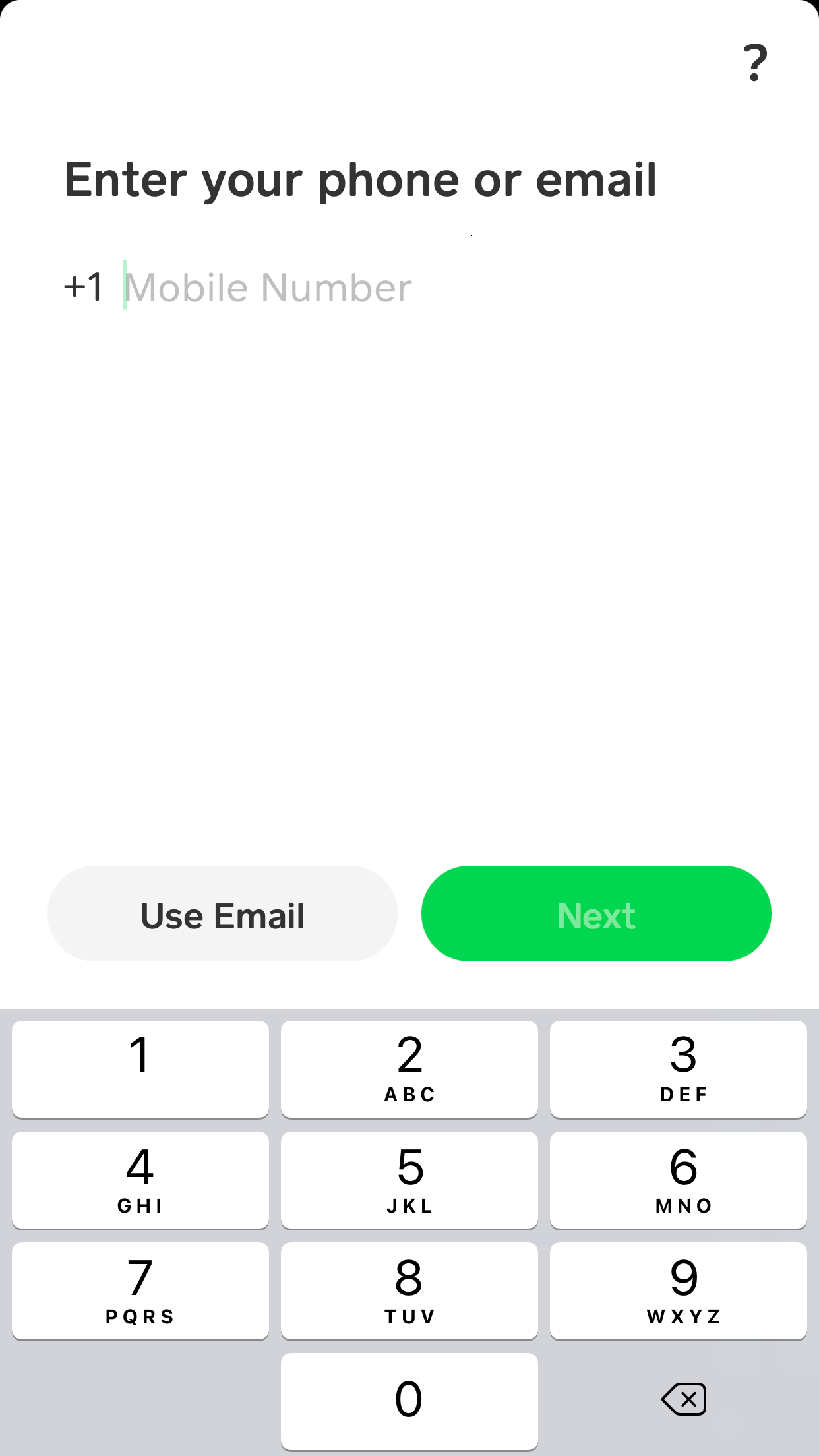
Once installed, opening Cash App will prompt you to begin the registration process. This involves inputting either your phone number or email address. This contact information serves as your primary identifier within the Cash App ecosystem. Choosing one over the other dictates how notifications are received and how others can find you on the platform for sending or requesting money. Upon entering your preferred contact method, Cash App will send a verification code to confirm ownership. This step is crucial for financial security, ensuring that only you can initiate the setup of an account linked to your personal contact details. This initial verification establishes a secure channel for future financial communications and transactions, preventing unauthorized access to your nascent digital financial identity.
Understanding Cash App’s Basic Financial Features: Immediate Utility
After successful verification, you’ll be guided through a series of prompts to personalize your account, starting with choosing a unique “$Cashtag.” This customizable username (e.g., “$YourName”) acts as your public identifier, allowing others to easily send or request money from you without needing your phone number or email. It’s a core component of your financial brand within the app, streamlining peer-to-peer transfers. You’ll also be prompted to enter your zip code, which helps Cash App tailor certain services and comply with regional financial regulations. At this stage, while your account is relatively bare, you’ve unlocked the fundamental ability to send and receive money, forming the bedrock of its utility as a personal finance tool. Understanding how your $Cashtag functions is vital for managing incoming and outgoing funds efficiently.
Securing Your Funds: Linking Financial Accounts
With your basic account established, the next crucial phase involves connecting your Cash App to external financial institutions. This step is paramount for funding your Cash App balance, cashing out funds, and leveraging the app’s full suite of financial capabilities. Proper linking ensures liquidity and transactional flexibility, directly impacting your ability to manage your money effectively within the app.
Connecting Your Bank Account: The Gateway to Funding and Withdrawal
To truly utilize Cash App as a financial tool, you must link it to an external bank account. This connection serves as the primary conduit for moving funds in and out of the app. During the setup, Cash App will ask you to connect a bank account, typically through a secure third-party service like Plaid. This service allows you to log in to your bank’s online portal directly through Cash App’s interface, providing a secure, encrypted link without sharing your banking credentials directly with Cash App. It’s essential to understand that this link grants Cash App the ability to initiate transfers to and from your bank. This is where your financial journey within the app truly begins, allowing you to “add cash” to your Cash App balance or “cash out” your funds back to your traditional bank account. Verifying the legitimacy of this secure linking process is vital for protecting your banking information.
Linking a Debit Card: Immediate Funding for Transactions
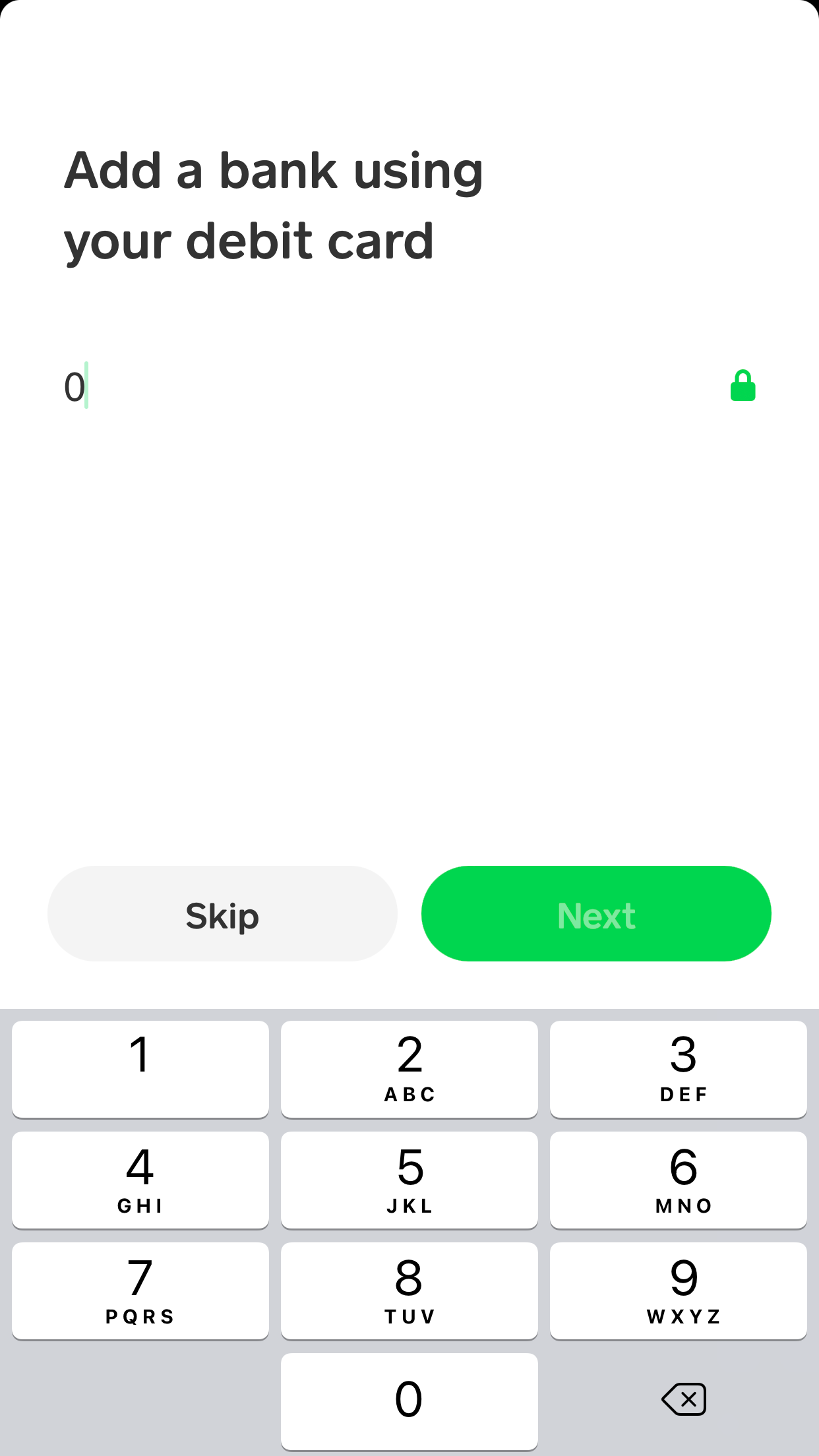
In addition to a bank account, Cash App typically encourages linking a debit card. While often tied to your primary bank account, linking a debit card offers an immediate funding mechanism for smaller, quick transactions. Unlike bank transfers, which can sometimes take 1-3 business days to process, funds transferred via a linked debit card are usually available instantly. This provides a level of financial agility, especially for spontaneous payments or when you need to quickly top up your Cash App balance. However, it’s important to note that instant transfers via debit card often incur a small fee (e.g., 0.5% to 1.75%), an important consideration for cost-conscious money management. Credit cards can also be linked, but using them for sending money typically incurs a higher fee (e.g., 3%), making them less ideal for routine financial transactions within the app due to increased costs.
The Importance of a Secure PIN: Protecting Your Financial Transactions
During the setup process, Cash App will prompt you to create a Personal Identification Number (PIN) or enable biometric security (fingerprint or facial recognition) for transactions. This security layer is not optional; it’s a fundamental safeguard for your financial assets. Every time you send money, cash out, or perform other sensitive financial operations, you will be required to enter this PIN or use your biometrics. This prevents unauthorized users from accessing your funds even if they gain access to your phone. From a personal finance perspective, a strong, unique PIN is as important as a strong password for your bank account. It’s your digital lock and key, ensuring that only you can authorize financial movements within the application.
Verification for Enhanced Financial Limits and Security
To unlock higher spending and sending limits, and to comply with financial regulations (like KYC – Know Your Customer), Cash App will eventually ask for more detailed personal information, including your full legal name, date of birth, and the last four digits of your Social Security Number (SSN). While some users might initially hesitate to provide this, it is a standard practice for financial institutions and is crucial for enhanced security and fraud prevention. Providing this information upgrades your account from a basic, limited profile to a fully verified account. This significantly increases your daily and weekly transaction limits, enabling you to use Cash App for larger financial transactions and access features like direct deposits and investing. Understanding that this data collection is a necessary step for robust financial service provision and regulatory compliance can alleviate concerns.
Expanding Your Financial Horizon: Advanced Cash App Features
Once your basic account is set up and linked, Cash App transforms into a comprehensive financial platform. Beyond simple peer-to-peer payments, it offers a suite of advanced features designed to integrate more deeply into your personal finance ecosystem, from managing income to exploring investment opportunities.
Receiving Direct Deposits: Using Cash App as a Pseudo-Bank Account for Income
One of Cash App’s most powerful features for personal finance is its ability to facilitate direct deposits. By generating a unique account and routing number within the app (accessible through the banking tab), you can essentially use Cash App as a pseudo-bank account for receiving your paycheck, government benefits, or other regular income. This offers unparalleled convenience, allowing you to access your funds quickly, sometimes up to two days earlier than traditional banks. For individuals who prefer managing their entire financial life from their smartphone or those who may not have access to a traditional banking account, this feature positions Cash App as a central hub for income management. Setting up direct deposit requires providing your Cash App routing and account numbers to your employer or benefit provider, just as you would with a traditional bank.
Exploring Investing Options: Stocks and Bitcoin
For those interested in growing their wealth, Cash App integrates accessible investment features. Users can buy and sell fractional shares of stocks (starting with as little as $1) and purchase Bitcoin directly within the app. This lowers the barrier to entry for investing, making it an attractive option for beginners or those with limited capital. From a financial tools perspective, this provides a seamless way to diversify your holdings and participate in market movements without needing a separate brokerage account. While Cash App simplifies the investment process, it’s crucial to approach stock and Bitcoin investments with due diligence, understanding the inherent risks and volatility. The setup for these features typically involves accepting terms and conditions related to investing and ensuring your account is fully verified.
Cash Card: Your Physical Link to Digital Funds
The Cash Card is a free, customizable Visa debit card directly linked to your Cash App balance. Ordering and activating this card significantly enhances your financial flexibility. Once activated, you can use your Cash Card to make purchases online, in stores, and withdraw cash from ATMs, just like a traditional debit card. This bridges the gap between your digital Cash App balance and the physical world, allowing you to spend your funds anywhere Visa is accepted. Activating the card involves a simple process within the app, usually requiring you to enter the CVV and expiration date found on the physical card. The Cash Card also offers “Boosts,” which are instant discounts at specific merchants, providing a financial incentive for using the card and saving money on everyday purchases.
Cash App for Business and Side Hustles: Monetizing Your Skills
Beyond personal use, Cash App extends its utility to small businesses and individuals engaged in side hustles. The “Cash for Business” feature allows users to accept payments from customers more professionally, often with lower processing fees compared to traditional merchant services. This is particularly beneficial for freelancers, small online sellers, or service providers who need a simple, cost-effective way to receive payments. Setting up a business account typically involves switching your profile type within the app and understanding the different fee structures associated with business transactions. This positions Cash App not just as a personal financial tool but also as a lean, accessible platform for managing the financial aspects of micro-enterprises and independent work.
Best Practices for Financial Security and Usage
Establishing your Cash App account is merely the first step. To ensure the long-term integrity of your financial activities and protect your digital assets, adopting sound security practices and understanding the app’s operational nuances are paramount. Responsible usage is the cornerstone of effective personal finance management on any platform.
Protecting Your Account: Two-Factor Authentication
One of the most critical security measures for any financial application, including Cash App, is enabling Two-Factor Authentication (2FA). This adds an extra layer of security beyond your PIN, requiring a second form of verification (e.g., a code sent to your phone or email) whenever you log in from a new device or perform sensitive actions. While it might add a few seconds to your login process, 2FA significantly reduces the risk of unauthorized access to your funds, even if someone obtains your password or PIN. Activating 2FA is a simple process within your Cash App security settings and is non-negotiable for anyone serious about safeguarding their financial information. Treat this as an essential component of your financial cybersecurity strategy.
Monitoring Your Transactions: Keeping Tabs on Your Money Flow
Regularly reviewing your Cash App transaction history is a vital practice for effective financial oversight. This allows you to quickly identify any unauthorized activity, track your spending habits, and ensure that all incoming and outgoing funds are legitimate. Cash App provides a clear and comprehensive list of all your transactions, including dates, amounts, and recipients/senders. From a personal finance perspective, consistent monitoring helps you stay within budget, reconcile your digital spending, and detect potential discrepancies promptly. Make it a habit to check your transaction feed frequently, much like you would review your traditional bank statements.
Understanding Fees and Limits: Financial Transparency
While Cash App offers many free services, it’s crucial to be aware of potential fees and transaction limits to manage your finances effectively. For instance, instant transfers to a linked debit card typically incur a small fee, while standard transfers to a bank account are free but take longer. Similarly, using a credit card to send money will incur a percentage-based fee. Account verification plays a significant role in determining your sending and receiving limits. Unverified accounts have lower limits than fully verified ones. Understanding these financial parameters – when fees apply and what your transactional boundaries are – prevents unexpected charges and ensures smooth financial operations. Always consult Cash App’s official support pages or terms of service for the most up-to-date information on fees and limits.
Avoiding Scams: Protecting Your Personal Finances from Fraud
The popularity of Cash App also makes it a target for fraudsters. Being vigilant and educated about common scam tactics is essential for protecting your personal finances. Be wary of unsolicited requests for money, fake customer support messages, or offers that seem “too good to be true.” Cash App will never ask for your PIN or full login credentials via email or social media. Always verify the identity of senders and recipients, and only send money to people you know and trust. Remember that Cash App transactions are often instant and irreversible, making it critical to exercise caution before confirming any payment. Educating yourself on common phishing attempts and identity theft tactics is a non-negotiable aspect of using any digital financial tool securely.

Conclusion
Setting up Cash App correctly is the gateway to unlocking a powerful and convenient financial tool that can significantly streamline your personal finance management. From facilitating effortless peer-to-peer payments to offering accessible avenues for direct deposits and even investments, Cash App is designed to integrate seamlessly into modern financial life. By diligently completing the initial registration, securely linking your external financial accounts, and proactively engaging with the app’s advanced features, you lay a solid foundation for its utility.
However, the true value and safety of Cash App, like any financial instrument, hinge on responsible usage and a steadfast commitment to security. Implementing robust measures like two-factor authentication, regularly monitoring transactions, understanding fee structures, and remaining vigilant against potential scams are not merely suggestions; they are imperatives. By embracing these best practices, you can confidently navigate the digital financial landscape, ensuring that your Cash App account serves as a reliable, secure, and efficient component of your overall financial strategy.
aViewFromTheCave is a participant in the Amazon Services LLC Associates Program, an affiliate advertising program designed to provide a means for sites to earn advertising fees by advertising and linking to Amazon.com. Amazon, the Amazon logo, AmazonSupply, and the AmazonSupply logo are trademarks of Amazon.com, Inc. or its affiliates. As an Amazon Associate we earn affiliate commissions from qualifying purchases.