
In an increasingly digital world, managing personal finances has evolved beyond traditional banking. Mobile payment applications have revolutionized how we send, receive, and even invest money, placing powerful financial tools directly into the palm of our hands. Among these, Cash App stands out as a versatile and widely adopted platform designed to simplify a myriad of financial transactions. Far more than just a peer-to-peer payment service, Cash App offers features ranging from direct deposit to investing in stocks and Bitcoin, making it an indispensable asset for modern financial management.
This comprehensive guide delves into the essential steps of setting up your Cash App account, framing each stage within the broader context of establishing a robust digital financial tool. By understanding not just how to set it up, but why each step is crucial for financial security and functionality, you can unlock Cash App’s full potential to enhance your personal financial landscape. Whether you’re looking to streamline bill payments, manage a side hustle, or dip your toes into mobile investing, a properly configured Cash App account is your gateway to greater financial agility.
Understanding Cash App’s Financial Utility
Before diving into the setup process, it’s crucial to grasp the extensive financial utility Cash App offers. It’s not just a convenience; it’s a comprehensive financial ecosystem that integrates various aspects of personal money management. Recognizing its capabilities helps contextualize why a thorough setup is so important for maximizing its benefits.
Beyond Basic Transactions: Peer-to-Peer Payments
At its core, Cash App is renowned for its ease of peer-to-peer (P2P) payments. This feature allows users to instantly send and receive money from friends, family, or colleagues with just a few taps. For personal finance, this means effortless splitting of dinner bills, quick reimbursements for shared expenses, or sending emergency funds without bank delays. The simplicity of using a unique “$Cashtag” or a phone number/email to facilitate these transfers makes it an incredibly efficient tool for everyday financial interactions, eliminating the need for cash or complex bank transfers. This core functionality saves time and reduces friction in daily money exchanges, making personal budgeting and expense tracking more manageable.
Direct Deposit and Bill Management
Cash App extends its utility significantly by offering direct deposit capabilities. Users can receive their paychecks, tax refunds, or government benefits directly into their Cash App account using an associated routing and account number. This feature is particularly valuable for individuals who may not have traditional bank accounts or prefer to manage a portion of their income through a mobile platform. By consolidating funds within Cash App, users can then leverage its various functionalities for bill payments, often by transferring funds to other accounts or using the Cash Card. This streamlines the income reception process, enabling faster access to funds and simplifying the management of incoming cash flow, which is a cornerstone of effective personal finance.
Investing on the Go: Bitcoin and Stock Features
Perhaps one of Cash App’s most compelling financial features is its integrated investing platform. Users can buy, sell, and hold fractions of stocks and Bitcoin directly within the app. This lowers the barrier to entry for investing, allowing individuals to start with as little as $1. For those new to investing or with limited capital, this democratizes access to financial markets. While not a substitute for a full-service brokerage, it serves as an excellent starting point for understanding market dynamics and diversifying personal finances. The ability to monitor investments alongside daily transactions within a single app provides a holistic view of one’s financial portfolio, encouraging engagement with long-term wealth building strategies.
The Step-by-Step Financial Onboarding Process
Setting up Cash App is a straightforward process, but each step is vital for ensuring your financial information is secure and your account is fully functional. Approaching this as an onboarding to a new financial tool emphasizes the importance of accuracy and due diligence.
Downloading and Initial Account Creation
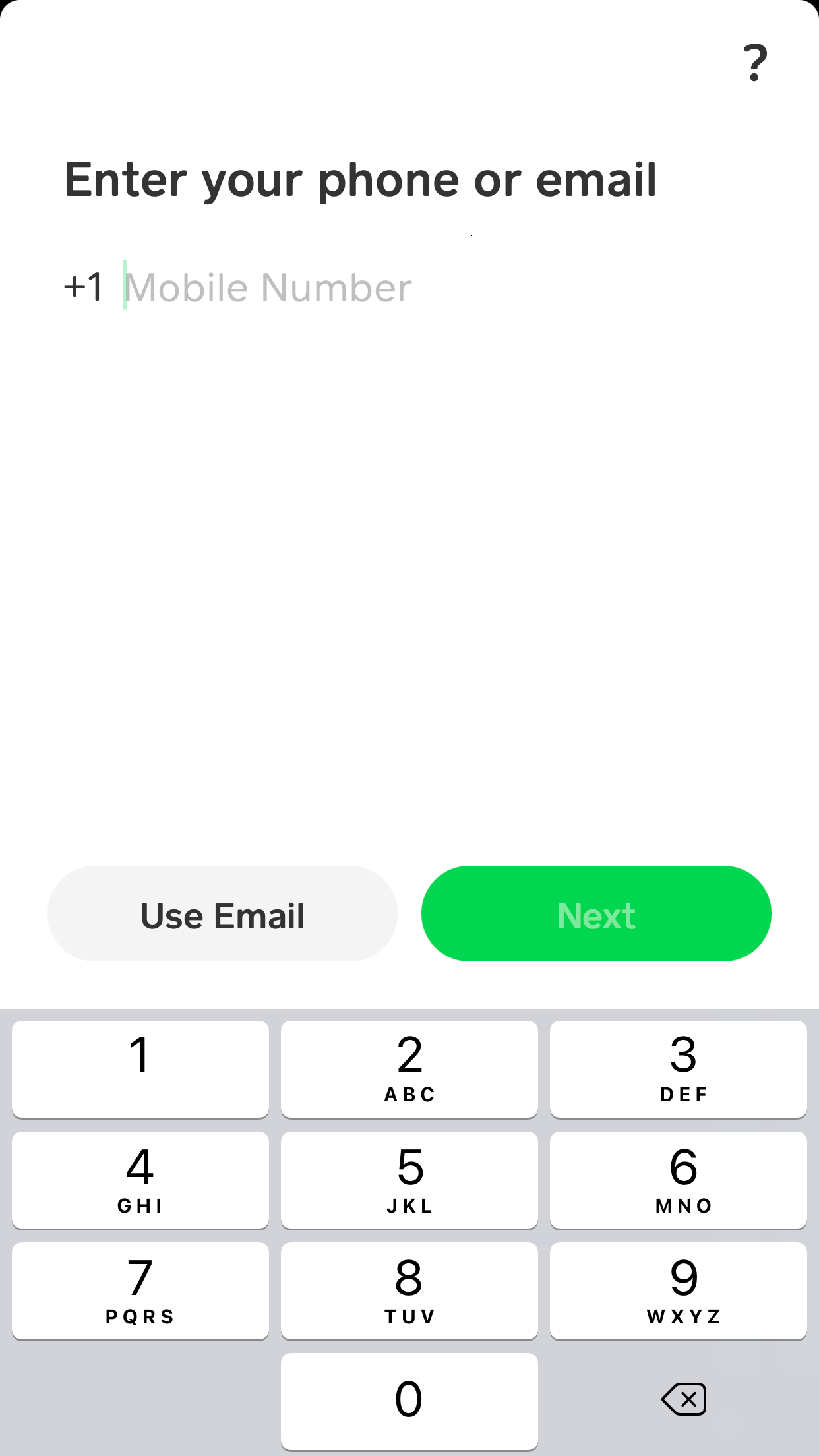
The journey begins by downloading the Cash App from your device’s app store (Google Play Store for Android or Apple App Store for iOS). Once installed, open the app. You’ll be prompted to enter your phone number or email address. This is the first critical step in establishing your digital identity within the Cash App ecosystem. A verification code will be sent to the chosen contact method; entering this code authenticates your initial access. Following this, you’ll be asked to create a unique “$Cashtag” – your personalized identifier for sending and receiving money. Choose a memorable and professional tag, as this will be how others identify you for financial transactions. This early stage sets the foundation for all subsequent financial activities.
Linking Your Financial Institutions (Banks/Debit Cards)
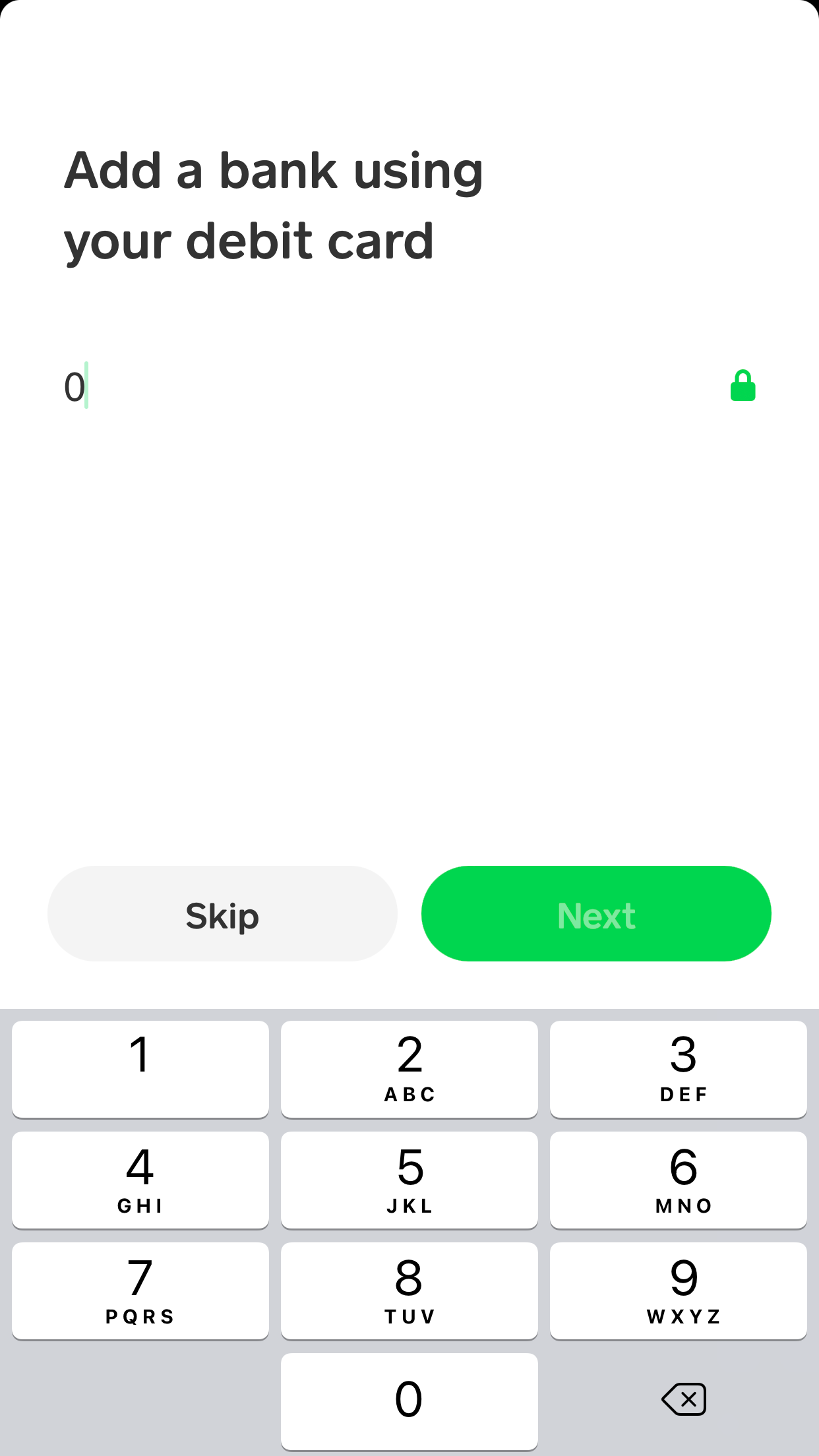
To truly activate Cash App’s financial capabilities, you must link it to an external financial institution, typically a debit card or bank account. This is how money moves in and out of your Cash App balance. The app will guide you to enter your debit card number, expiration date, CVV, and zip code. For more robust functionality, such as direct deposit or larger transactions, linking a full bank account via its routing and account numbers is recommended. This linkage is the conduit for your funds, enabling you to add money to your Cash App balance (cash in) and transfer money out to your bank account (cash out). Ensuring these details are correctly entered is paramount for seamless financial transfers and avoiding transaction failures.
Verifying Your Identity for Enhanced Financial Security
For full access to Cash App’s features, particularly higher transaction limits and investing capabilities, identity verification is mandatory. This involves providing personal information such as your full legal name, date of birth, and the last four digits of your Social Security Number (SSN). In some cases, you might be asked to provide your full SSN or even a photo of your government-issued ID. While this step might seem intrusive, it is a crucial measure mandated by financial regulations (like KYC – Know Your Customer) to prevent fraud, money laundering, and ensure the security of your funds. Identity verification solidifies your financial presence on the platform, protecting both you and other users from illicit activities, thereby building a more trustworthy and secure financial environment.
Maximizing Cash App for Personal Finance
Once your Cash App is set up, understanding how to maximize its features is key to truly integrating it into your personal finance strategy. It’s more than just a payment app; it’s a tool for smarter money management.
Utilizing the Cash Card for Everyday Spending
The Cash Card, a customizable, free debit card linked directly to your Cash App balance, extends the app’s utility to physical purchases. It functions like any traditional debit card, allowing you to spend your Cash App balance at retailers, online stores, and ATMs (with associated fees for withdrawals). The card also offers “Boosts,” instant discounts at specific merchants, providing immediate savings on everyday spending. By using the Cash Card, you effectively transform your digital balance into spendable currency, offering greater flexibility and control over your liquid funds. This can be particularly useful for budgeting, as you can load a specific amount onto your Cash App balance and use the Cash Card to stick to spending limits for certain categories.
Budgeting and Tracking with Cash App
While Cash App doesn’t offer sophisticated budgeting tools like some dedicated finance apps, its straightforward interface facilitates basic financial tracking. All transactions – sends, receives, cash ins, cash outs, and Cash Card purchases – are recorded within the app’s activity feed. Regularly reviewing this feed provides a clear snapshot of your income and expenditures, aiding in understanding spending patterns. For a more structured approach, you can use Cash App as a designated fund for specific spending categories (e.g., “entertainment budget”) or link it to a separate bank account dedicated to specific purposes. This simplified tracking can be a powerful first step towards more disciplined financial habits.
Sending & Receiving Money Ethically and Safely
Cash App’s ease of use for sending and receiving money necessitates a strong understanding of ethical and safe practices. Always double-check the recipient’s $Cashtag, phone number, or email address before sending money, as transactions are often irreversible. Be wary of unsolicited payment requests or too-good-to-be-true offers, as these are common scam tactics. For receiving money, ensure you understand the source, particularly for business transactions or payments from unfamiliar individuals, to avoid involvement in fraudulent schemes. Practicing vigilance ensures that Cash App remains a secure and beneficial financial tool, protecting your funds from potential misuse and maintaining the integrity of your personal finances.
Advanced Financial Features and Considerations
Beyond the basics, Cash App offers several advanced functionalities and requires users to consider broader financial implications, particularly regarding taxation and business use.
Tax Implications and Reporting
Like any financial platform, transactions conducted via Cash App can have tax implications. Income received through Cash App, whether from side hustles, sales, or services, is generally taxable and must be reported to the IRS. For businesses or individuals receiving over $600 in payments for goods and services in a calendar year, Cash App may issue a Form 1099-K. It’s crucial to maintain accurate records of all financial activities, categorize income and expenses appropriately, and consult with a tax professional to ensure compliance. Understanding these obligations is fundamental to responsible financial management and avoids potential legal or financial penalties.
Business Use Cases and Side Hustles
Cash App has become a popular tool for small businesses, freelancers, and individuals engaged in side hustles. Its simplicity makes it ideal for receiving payments for goods and services, particularly for micro-businesses that might not need complex POS systems. The ability to create a professional-looking $Cashtag and receive instant payments offers significant advantages for cash flow management. However, for serious business operations, distinguishing between personal and business finances is vital. While convenient, larger-scale businesses might benefit from dedicated business banking solutions. For side hustlers, Cash App offers an accessible way to manage income and expenses related to their ventures, supporting the growth of supplementary revenue streams.
Security Best Practices for Your Digital Wallet
As a digital financial tool, Cash App’s security is paramount. Enable all available security features, including Two-Factor Authentication (2FA) for every login. Use a strong, unique password. Be cautious of phishing attempts – never share your password, PIN, or verification codes with anyone, and always access Cash App through the official app. Regularly monitor your transaction history for any unauthorized activity. If your phone is lost or stolen, immediately log out of all sessions or contact Cash App support to disable your account. Adhering to these security best practices transforms Cash App from a mere convenience into a trusted and protected extension of your financial well-being.
Troubleshooting Common Financial Setup Hurdles
Even with the clearest instructions, users might encounter challenges during the Cash App setup process. Addressing these proactively ensures a smoother integration into your financial routine.
Resolving Linking Issues
One of the most common hurdles is difficulty linking a debit card or bank account. This can stem from several issues: incorrect card details (number, expiration, CVV), an expired card, an unsupported card type (prepaid cards are sometimes problematic), or issues with your bank’s security protocols. Double-check all entered information. If problems persist, try linking a different debit card or bank account. Contacting your bank to ensure there are no restrictions on linking to third-party apps can also resolve the issue. If the problem is persistent, Cash App support can offer specific guidance, emphasizing the importance of a secure and reliable link for all financial transactions.
Identity Verification Delays
Identity verification, while crucial for security, can sometimes experience delays. This might be due to a mismatch between the information you provided and official records, or high volumes of verification requests. Ensure that the name, date of birth, and SSN digits you enter exactly match your legal documents. If verification is taking longer than expected, avoid submitting multiple requests, as this can complicate the process. Instead, patiently wait for a response or reach out to Cash App support for an update. Timely and accurate verification ensures you can access all financial features, including higher limits and investing, without interruption.
Understanding Transaction Limits
Initially, Cash App imposes limits on how much money you can send and receive, as well as how much you can cash out, particularly before full identity verification. For example, you might be limited to sending $250 within any 7-day period and receiving $1,000 within any 30-day period. These limits are a security measure. Once your identity is fully verified, these limits are significantly increased or even removed, allowing for greater financial flexibility. It’s important to be aware of these limits, especially if you plan to use Cash App for larger financial transactions like receiving a paycheck or making significant investments. Understanding and planning around these limits prevents unexpected interruptions to your financial flow.

Conclusion
Setting up Cash App is the first step towards embracing a more agile and digitally integrated approach to personal finance. From its core function as a peer-to-peer payment service to its advanced capabilities in direct deposit and mobile investing, Cash App serves as a powerful financial tool that empowers users with greater control over their money. By diligently following the setup process, understanding the financial implications of each feature, and adhering to best security practices, you can transform Cash App into an invaluable asset for managing everyday expenses, growing your wealth, and navigating the complexities of modern financial life with confidence and ease. Embrace this digital wallet, and unlock a new realm of financial possibilities at your fingertips.
aViewFromTheCave is a participant in the Amazon Services LLC Associates Program, an affiliate advertising program designed to provide a means for sites to earn advertising fees by advertising and linking to Amazon.com. Amazon, the Amazon logo, AmazonSupply, and the AmazonSupply logo are trademarks of Amazon.com, Inc. or its affiliates. As an Amazon Associate we earn affiliate commissions from qualifying purchases.