
In an increasingly digital world, traditional banking methods are steadily being supplanted by innovative financial technologies. Among the pioneers in this shift is Cash App, a mobile payment service that has revolutionized how millions manage and transact their money. A cornerstone of its ecosystem is the Cash App Card, a debit card that extends the app’s digital capabilities into the physical realm. Far from being a mere piece of plastic, the Cash App Card is a sophisticated technological instrument, deeply integrated with a powerful mobile application and vast payment networks. Understanding “how it works” means delving into the intricate blend of software, security protocols, and connectivity that enables seamless digital transactions.
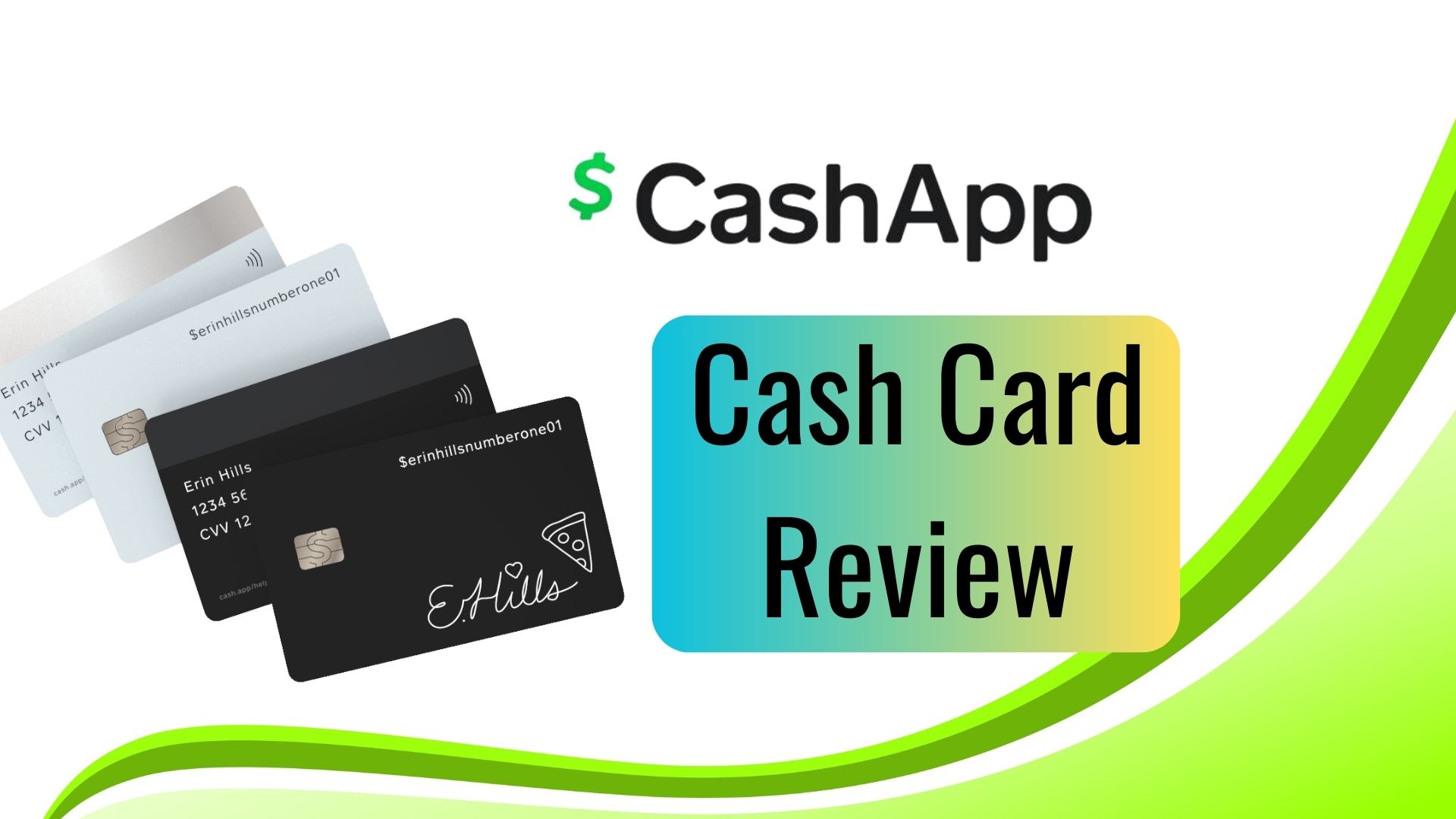
At its core, the Cash App Card functions as a VISA debit card, drawing funds directly from your Cash App balance. This immediate linkage is where the technology truly shines. It transforms your smartphone into a portable bank branch, providing real-time control over your finances and extending the reach of your digital wallet to any merchant that accepts VISA. From the moment you request the card to every tap, swipe, or online purchase, a complex dance of data encryption, network communication, and software algorithms ensures your transactions are swift, secure, and accurately reflected in your account. This article will unravel the technological layers that make the Cash App Card an indispensable tool for modern digital finance, focusing exclusively on the underlying systems, security, and user interface from a technological perspective.
The Technological Foundation: Linking App to Card
The operational magic of the Cash App Card begins with its deep integration into the Cash App mobile application. This is not merely a branding exercise; it’s a fundamental architectural choice that defines its functionality and security.
Digital Integration and Account Setup
The initial setup of a Cash App Card is a prime example of digital integration. When a user signs up for Cash App, they create a digital wallet that acts as a centralized repository for their funds. Requesting a Cash App Card is an extension of this digital identity. The process typically involves identity verification (often referred to as Know Your Customer, or KYC, and Anti-Money Laundering, AML procedures) which leverages secure data transmission and database queries to confirm the user’s legitimacy. This isn’t just a regulatory hurdle; it’s a critical security measure that prevents fraud and ensures the funds are tied to a verifiable individual.
Technologically, the Cash App backend systems provision a unique card number, expiration date, and CVV for each user, associating it securely with their existing Cash App account ID. This information is stored in highly secure, encrypted databases, compliant with industry standards like PCI DSS (Payment Card Industry Data Security Standard). The link between the physical card and the digital balance is instantaneous, meaning any funds added to your Cash App account are immediately available for use via the card, demonstrating real-time synchronization between the mobile application and the associated payment instrument. This digital backbone is what differentiates a modern fintech card from traditional debit cards, where the lag between depositing funds and their availability can be noticeable.
Virtual vs. Physical Card Mechanisms
Cash App offers both a virtual card and a physical card, each leveraging slightly different technological mechanisms for distinct use cases, yet both drawing from the same digital balance.
The virtual card is immediately accessible within the Cash App upon activation. It consists of a digital representation of the card number, expiration date, and CVV. This virtual card is designed primarily for online transactions and mobile wallet integration (e.g., Apple Pay, Google Pay). Its technological advantage lies in instant availability and enhanced security for card-not-present transactions. Users can quickly copy card details or provision it to a digital wallet without waiting for a physical card to arrive, enabling immediate online spending. The virtual card is particularly useful for single-use or subscription services, offering a layer of abstraction from the physical card details.
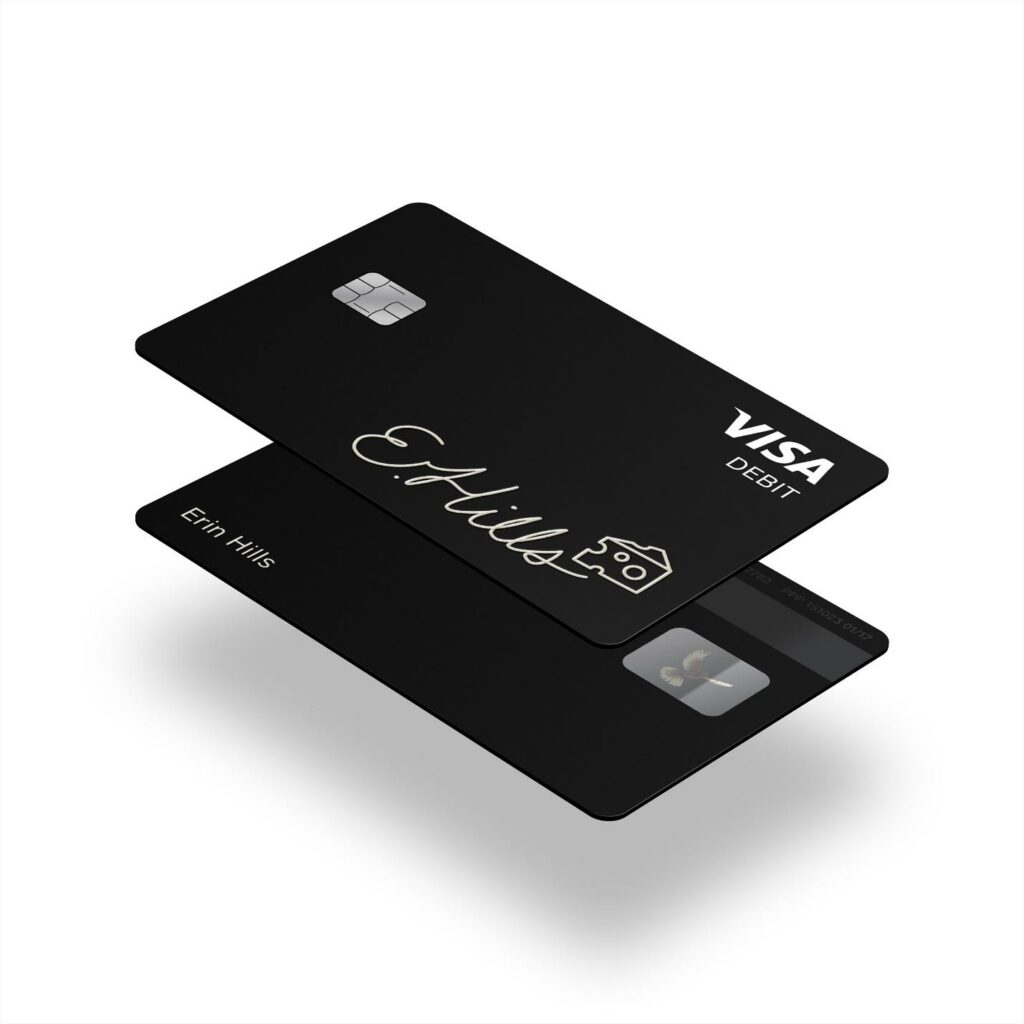
The physical card, made from plastic (or custom materials for specific designs), incorporates an EMV chip and a magnetic stripe. The EMV chip, a microchip embedded in the card, utilizes cryptographic processes to secure transactions. When used at a compatible terminal, the chip generates unique transaction data, making it significantly harder for fraudsters to clone the card compared to older magnetic stripe technology. The magnetic stripe serves as a fallback for older POS systems that haven’t been upgraded to EMV, though its use is less secure. Both card types, virtual and physical, are technically connected to the same digital account, with transactions flowing through the same payment network (VISA) and impacting the same Cash App balance in real-time. This dual approach provides flexibility while maintaining a unified financial backend.
Secure Data Handling and Encryption
Security is paramount in any financial technology, and the Cash App Card’s functionality is underpinned by robust data handling and encryption protocols. All sensitive user data, from personal identification to transaction details, is encrypted both in transit (using TLS/SSL protocols for communication between your device and Cash App servers) and at rest (encrypted databases). When you make a transaction, your card details are tokenized; instead of sending your actual 16-digit card number to the merchant’s system, a unique, single-use token is generated. This token is meaningless if intercepted, significantly reducing the risk of data breaches.
Cash App employs multi-factor authentication (MFA) to protect account access, requiring more than just a password. This might include a PIN, fingerprint, or facial recognition, leveraging biometric technology on modern smartphones. Furthermore, real-time fraud detection systems, powered by machine learning algorithms, constantly monitor transaction patterns for anomalies that might indicate fraudulent activity. If a suspicious transaction is detected, it can be flagged or even blocked instantly, protecting the user’s funds. This comprehensive approach to data security is essential for building trust and ensuring the reliability of a digital payment platform.
Making Transactions: The Behind-the-Scenes Process
Every time you use your Cash App Card, whether physically or virtually, a complex series of technological events unfolds in milliseconds.
Point-of-Sale (POS) Transactions
When you use your physical Cash App Card at a point-of-sale (POS) terminal, several technologies come into play. If the terminal supports EMV chip reading, the chip on your card interacts with the terminal to generate a unique cryptogram for that transaction. This cryptogram, along with the transaction amount and merchant details, is encrypted and sent to the acquiring bank (the merchant’s bank). From there, it travels through the VISA network to Cash App’s processing systems. Cash App verifies the funds in your account and authorizes the transaction, sending an approval message back through the VISA network to the acquiring bank and finally to the POS terminal. This entire process, including encryption and decryption at various stages, typically takes less than a second.
For contactless payments (tap-to-pay), Near Field Communication (NFC) technology is utilized. The card (or your smartphone if linked to Apple Pay/Google Pay) communicates wirelessly with the NFC reader at the terminal. This method also leverages EMV tokenization for security, transmitting encrypted transaction data over a very short range. The data flow for authorization remains largely the same as for chip transactions, just initiated differently. In cases where only a magnetic stripe reader is available, the card’s data is read from the stripe, encrypted (though less securely than EMV), and transmitted for authorization. Regardless of the method, Cash App’s backend systems are responsible for debiting your balance and updating your transaction history in real-time.
Online Purchases and Digital Wallet Integration
Online purchases with the Cash App Card utilize the virtual card details (card number, expiry, CVV). When you enter these details on an e-commerce website, the data is typically transmitted securely via TLS/SSL encryption to the merchant’s payment gateway. This gateway then sends the encrypted information through the payment network (VISA) to Cash App for authorization, much like a physical transaction. For enhanced security, many online transactions now include additional verification steps like 3D Secure (e.g., Verified by Visa), which might prompt you for a one-time passcode sent to your phone or a biometric verification through the Cash App itself, ensuring the cardholder is indeed initiating the purchase.
Furthermore, integrating the Cash App Card into digital wallets like Apple Pay or Google Pay enhances security and convenience. When you add your Cash App Card to these wallets, the actual card number is not stored on your device or shared with merchants. Instead, a unique Device Account Number (token) is created and stored securely. During a transaction, this token, along with a dynamic cryptogram, is transmitted. This tokenization reduces the risk of your actual card details being compromised even if the merchant’s system is breached, as only the token is exposed.

ATM Withdrawals: Bridging Digital and Physical Cash
Withdrawing cash from an ATM using your Cash App Card also involves a sophisticated technological bridge between your digital balance and physical currency. When you insert your card into an ATM and enter your PIN, the ATM terminal reads the EMV chip (or magnetic stripe) and encrypts the withdrawal request, including the amount and your PIN. This encrypted data is then sent through the ATM network (e.g., Plus, Cirrus, etc.) to the issuing bank (Cash App’s partner bank) via the VISA network.
Cash App’s systems verify the PIN and confirm that you have sufficient funds in your digital balance. Once authorized, the ATM receives a command to dispense the requested cash. Simultaneously, Cash App’s database is updated to reflect the debit from your balance. The real-time nature of this process ensures that your digital balance is immediately accurate, preventing overdrafts and providing instant financial oversight. The interoperability between Cash App’s proprietary systems and global ATM networks is a testament to the robust, standardized communication protocols underpinning modern finance.
Managing Your Card: App-Based Controls and Security Features
A significant technological advantage of the Cash App Card over traditional debit cards lies in its comprehensive, app-based control features, putting financial management directly into the user’s hands.
Real-Time Transaction Monitoring and Notifications
The Cash App provides immediate, real-time transaction monitoring, a feature powered by sophisticated data processing and push notification technology. Every time your Cash App Card is used, whether online or in-person, Cash App’s servers process the transaction almost instantaneously. This data is then relayed to your mobile device, triggering a push notification that details the merchant, amount, and location of the purchase.
This isn’t just a convenience; it’s a vital security feature. Real-time alerts allow users to spot unauthorized transactions immediately. If a transaction appears suspicious, users can quickly react, potentially locking their card or disputing the charge before significant damage occurs. The underlying technology involves high-speed data pipelines and a robust notification service architecture designed to deliver critical information to millions of users with minimal latency. This real-time visibility empowers users with unprecedented control and awareness over their spending.
Card Lock/Unlock and PIN Management
One of the most powerful security features of the Cash App Card is the ability to instantly lock and unlock it directly from the app. This functionality is enabled by Cash App’s direct control over the card’s status within the payment network. When a user taps the “Lock Card” button in the app, a command is sent to Cash App’s backend systems, which then communicates with the VISA network to temporarily disable all transactions for that specific card number. Conversely, tapping “Unlock Card” reactivates it just as quickly.
This immediate control provides peace of mind, allowing users to secure their funds if they misplace their card or suspect unauthorized use, without needing to call customer service or wait for a banking system update. Similarly, managing your PIN is also app-centric. Users can securely change their PIN within the app, which then updates the PIN across the payment network for future EMV and ATM transactions. These features showcase a modern, API-driven approach to card management, where user actions in the app directly translate into real-time changes in the payment infrastructure.
Fraud Protection and Dispute Resolution
Cash App integrates multiple layers of technology for fraud protection and streamlines the dispute resolution process. Beyond real-time transaction monitoring, sophisticated machine learning algorithms continuously analyze transaction data, looking for anomalies, unusual spending patterns, or purchases from high-risk merchants. These algorithms can identify potentially fraudulent activities even before they are reported by the user, leading to proactive card blocks or alerts.
If an unauthorized transaction occurs, Cash App provides a straightforward digital pathway for dispute resolution directly within the app. Users can report fraudulent charges, often with automated assistance that guides them through the necessary steps. This digital submission system reduces friction and speeds up the investigation process compared to traditional methods that might involve phone calls, faxes, or mailed forms. The technological infrastructure supports the secure collection of evidence, communication with the user, and interaction with payment networks to reverse fraudulent charges, all managed efficiently through the app’s interface.
The Future of Digital Payments: Cash App Card’s Role
The Cash App Card, as a prominent player in the digital payment landscape, is continually evolving, reflecting broader trends in financial technology and user experience.
Interoperability with Emerging Payment Technologies
The underlying architecture of the Cash App Card is designed for flexibility and potential interoperability with future payment technologies. While currently relying on established networks like VISA, the system could adapt to new paradigms. For instance, as QR code payments gain traction, Cash App could integrate direct QR payment capabilities that draw from the same digital balance, potentially bypassing traditional card networks in certain scenarios. Similarly, while not directly related to its current function, the technological foundation could theoretically interface with biometric payment systems (e.g., fingerprint or facial recognition at POS terminals) or even explore integrations with nascent blockchain-based payment rails, offering users more diverse ways to spend their digital funds. The strength lies in its app-centric control, which can be extended to manage various payment methods.
User Experience (UX) Enhancements and Feature Development
User experience (UX) is a critical driver for fintech adoption, and Cash App constantly leverages data analytics and user feedback to refine its card-related features. Expect ongoing technological enhancements that improve convenience, security, and insight. This might include AI-powered personalized spending insights, automated budgeting tools linked to card usage, or even advanced biometric authentication methods directly integrated into payment flows. The continuous development cycle, characteristic of software companies, allows for rapid iteration and deployment of new features, ensuring the Cash App Card remains competitive and relevant to evolving user needs. These enhancements are built upon the existing technological infrastructure, leveraging APIs and microservices to add functionality without disrupting core operations.
Scalability and Infrastructure Challenges
Operating a payment platform that serves millions of users globally presents significant technological challenges, particularly concerning scalability, performance, and security. Cash App’s infrastructure must handle a massive volume of transactions per second, with extremely low latency, while maintaining impeccable security standards. This requires sophisticated distributed systems, cloud computing expertise, robust load balancing, and continuous monitoring. Ensuring high availability (uptime) is paramount, as any service disruption can have direct financial implications for users. The technological teams behind the Cash App Card are constantly optimizing database performance, network architecture, and redundancy measures to support rapid growth and deliver a consistent, reliable user experience. This invisible yet critical aspect of its operation underpins every transaction and interaction with the Cash App Card.
In conclusion, the Cash App Card is far more than a simple payment instrument; it is a sophisticated piece of financial technology, deeply woven into the fabric of the Cash App ecosystem. Its functionality is a testament to cutting-edge digital integration, robust security protocols, and real-time data processing. From its app-centric management features and instantaneous transaction alerts to its seamless interoperability with global payment networks, the Cash App Card exemplifies how technology can bridge traditional finance with digital innovation. It empowers users with unprecedented control and insight into their spending, making it a pivotal tool in the ongoing evolution of personal finance in the digital age. Understanding the “how it works” from a technological standpoint reveals the intricate engineering that allows millions to manage and spend their money with confidence and ease.
aViewFromTheCave is a participant in the Amazon Services LLC Associates Program, an affiliate advertising program designed to provide a means for sites to earn advertising fees by advertising and linking to Amazon.com. Amazon, the Amazon logo, AmazonSupply, and the AmazonSupply logo are trademarks of Amazon.com, Inc. or its affiliates. As an Amazon Associate we earn affiliate commissions from qualifying purchases.