
The question “who buys old vehicles?” might seem simple on the surface, but it unlocks a complex and dynamic financial ecosystem. Far from being merely discarded relics, old vehicles represent a significant segment of the global economy, driven by diverse financial motivations, market forces, and investment opportunities. From individuals seeking affordable transportation to savvy entrepreneurs looking to turn a profit, and even large-scale salvage operations, the buyers of old vehicles are as varied as the vehicles themselves. Understanding this market requires delving into personal finance decisions, business models, investment strategies, and the broader economic landscape that shapes supply and demand. This article explores the multifaceted financial dimensions behind who acquires these seasoned machines, revealing the underlying value and economic activity they generate.
The Diverse Landscape of Old Vehicle Buyers
The market for old vehicles is segmented by the financial goals and capabilities of its participants. Each type of buyer plays a distinct role, influencing pricing, demand, and the overall liquidity of the used car market.
The Savvy Personal Buyer
Perhaps the most common category, the savvy personal buyer is an individual looking for affordable, reliable transportation. Their primary financial motivation is to minimize upfront costs while securing a vehicle that meets their functional needs. These buyers are typically budget-conscious, often with a limited pool of funds for a vehicle purchase. They perform a careful cost-benefit analysis, weighing the lower acquisition price of an older vehicle against potential future maintenance expenses. For many, an old vehicle is a practical solution to avoid the rapid depreciation associated with new cars, thus preserving their financial capital. They might also be seeking a second family car, a temporary vehicle, or a specific model that is no longer in production, often found at a fraction of its original cost. Their financial planning involves not just the purchase price but also factoring in potential repair costs, insurance premiums, and fuel efficiency, aiming for the lowest total cost of ownership over their intended period.
Dealerships and Resellers
Dealerships, particularly those specializing in used vehicles, represent a significant financial force in the old car market. Their business model revolves around acquiring vehicles at wholesale prices, often through trade-ins, auctions, or direct purchases from individuals. Their financial strategy involves evaluating a vehicle’s potential for reconditioning and resale. They invest capital in inspecting, repairing, detailing, and marketing these vehicles to sell them at a higher retail price, thereby generating profit. This profit margin is crucial for their operational sustainability, covering overheads such as inventory costs, salaries, and marketing expenses. Both independent used car lots and franchised dealerships that take trade-ins fall into this category. They offer various financing options to their customers, which itself is a revenue stream, and often provide warranties, adding perceived value and reducing financial risk for buyers, albeit at a premium. The financial success of these businesses depends heavily on accurate valuation, efficient reconditioning, and effective sales strategies.
Scrap Yards and Salvage Operations
At the other end of the spectrum are scrap yards and salvage operations, whose financial interest lies not in the vehicle as a whole but in its constituent parts and raw materials. These buyers acquire old, often non-running or extensively damaged vehicles for their scrap metal value or for harvesting usable components. Their financial valuation is based on the current market price of metals like steel, aluminum, and copper, as well as the demand for specific used parts. For instance, a functioning engine, transmission, or even smaller electrical components from an old vehicle can be worth significantly more than the car’s scrap weight. These businesses contribute to a circular economy, deriving revenue from recycling and reselling parts, thus reducing waste and supporting the affordability of vehicle repairs for others. The financial health of these operations is tied directly to commodity prices and the aftermarket demand for used car parts, making them a crucial, if less visible, part of the old vehicle financial ecosystem.
Investment and Opportunity in Old Vehicles
Beyond mere transaction, old vehicles can also represent compelling investment opportunities and platforms for entrepreneurial ventures, appealing to buyers with a specific financial foresight.
The Enthusiast and Collector Market
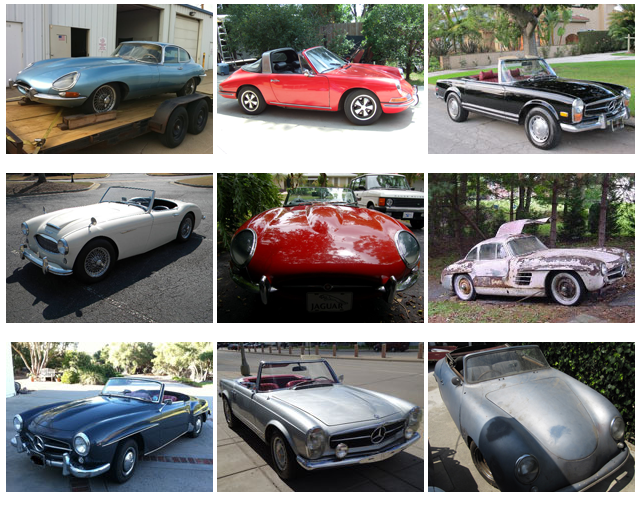
For a niche group of buyers, old vehicles are not just transportation but tangible investments and passionate pursuits. The enthusiast and collector market focuses on classic cars, vintage models, or vehicles with historical significance. Their financial motivation is often two-fold: the joy of ownership and the potential for appreciation in value. Unlike regular used cars that depreciate, certain classic vehicles can appreciate significantly over time, especially if they are rare, well-maintained, or have a unique pedigree. Buyers in this segment often invest substantial capital not just in the purchase but also in meticulous restoration, maintenance, and storage, treating the vehicle as a portfolio asset. The financial upside can be considerable, but it also carries risks, including market fluctuations, the high cost of specialized parts and labor, and the need for expert knowledge to identify true investment-grade vehicles. This segment thrives on market scarcity, historical data, and a deep understanding of automotive culture.
Vehicle Flippers and Entrepreneurs
A more accessible entrepreneurial avenue exists for individuals known as “vehicle flippers.” These are financially driven individuals or small businesses who specialize in buying old, often undervalued or slightly distressed vehicles, performing necessary repairs and cosmetic enhancements, and then reselling them for a profit. Their financial success hinges on their ability to accurately assess a vehicle’s true worth, identify cost-effective repair solutions, and effectively market the refurbished car. This often requires mechanical aptitude, negotiation skills, and a keen understanding of the local used car market. The profit margin is their primary financial incentive, derived from the difference between the acquisition-plus-repair costs and the final selling price. This model is a classic example of arbitrage in the automotive sector, capitalizing on inefficiencies or information asymmetry in the market. It can be a lucrative side hustle or a full-time business, illustrating how old vehicles can be catalysts for online income and small business finance.
Parts Harvesters and Specialty Shops

Similar to salvage operations but often more specialized, parts harvesters and specialty shops buy old vehicles specifically for their components. Unlike general scrap yards, these entities might focus on particular makes, models, or types of parts that command a high resale value due to scarcity or specific demand. For example, a shop specializing in classic Mustang restorations might acquire an entire old Mustang just for a specific body panel, engine block, or interior component that is otherwise hard to find. Their financial calculation involves determining if the collective value of the harvestable parts outweighs the cost of the donor vehicle and the labor involved in dismantling it. This specialized niche minimizes waste and supports the longevity of other vehicles, fostering a sustainable approach to automotive maintenance and restoration. The financial viability of these businesses relies on their expertise in identifying valuable parts and their established networks for selling these components to a targeted customer base.
Economic Drivers and Market Trends
The broader economic environment and technological advancements significantly influence who buys old vehicles and why, shaping the financial dynamics of the market.
The Impact of Economic Conditions
Economic conditions are a powerful determinant of the used vehicle market. During periods of economic downturns or recessions, there is typically an increased demand for more affordable transportation options. This drives up the demand for older, less expensive vehicles as consumers tighten their budgets and prioritize essential spending. Conversely, robust economic growth might see a shift towards newer models, though the demand for reliable used cars always persists. Supply chain disruptions, such as those seen in recent years affecting new car production, can also dramatically impact the old vehicle market. When new car inventory is low, and prices rise, consumers are pushed towards the used market, elevating prices for even older models. Understanding these macro-economic trends is crucial for both buyers (to time purchases) and sellers (to optimize pricing and inventory), highlighting the intersection of personal finance decisions with broader economic forces.
The Role of Online Marketplaces and Auctions
The advent of online marketplaces and digital auction platforms has revolutionized the old vehicle market, democratizing access for both buyers and sellers. Websites like eBay Motors, Craigslist, Facebook Marketplace, and specialized automotive auction sites have created unprecedented transparency and reach. For buyers, these platforms offer a vast selection, allowing them to compare prices, review vehicle histories, and connect directly with sellers, often across geographical boundaries. This increased competition and access to information empower buyers to make more informed financial decisions. For sellers, especially private individuals and smaller dealerships, these platforms provide a cost-effective way to reach a wider audience, often resulting in quicker sales and better financial returns than traditional methods. The availability of online valuation tools (like Kelley Blue Book and NADA Guides) integrated into these platforms further assists in establishing fair market values, reducing information asymmetry and fostering more efficient financial transactions in the used car sector.
Sustainability and Circular Economy
A growing trend influencing the old vehicle market is the emphasis on sustainability and the principles of a circular economy. Instead of viewing old vehicles solely as waste, there’s an increasing recognition of their value as a source of reusable parts and recyclable materials. This perspective aligns with environmental goals but also presents significant financial opportunities. Businesses involved in auto recycling, remanufacturing parts, and extending the life of existing vehicles contribute to reducing manufacturing new components, conserving resources, and minimizing landfill waste. This eco-conscious approach creates new markets for old vehicles, driven by the demand for affordable, green solutions. Financially, it offers pathways for businesses to derive value from assets that might otherwise be considered valueless, showcasing how environmental stewardship can go hand-in-hand with economic viability in the old vehicle sector.
Financial Considerations for Buyers and Sellers
Engaging with the old vehicle market, whether as a buyer or a seller, requires careful financial planning and an understanding of key economic variables.
Valuing an Old Vehicle
Accurately valuing an old vehicle is paramount for both parties. For sellers, it determines their potential financial return; for buyers, it influences the fairness of the deal. Valuation is a complex process, influenced by several factors. Depreciation, while typically steep in the initial years, slows down for older vehicles. Their value becomes more dependent on specific attributes such as mileage, overall mechanical condition, maintenance history (which indicates past financial investment in the car’s health), cosmetic appearance, and current market demand for that particular make and model. Online valuation guides, historical sales data, and professional appraisals are crucial financial tools. Understanding these metrics helps buyers avoid overpaying and sellers avoid underselling, ensuring equitable financial transactions. The adage “condition is everything” holds significant financial weight in the old vehicle market.
Financing and Payment Options
How old vehicles are financed also varies significantly from new vehicle purchases. While new cars often come with attractive manufacturer-backed financing rates, older vehicles typically do not. Buyers of old vehicles often rely on cash payments, personal loans from banks or credit unions, or, if purchasing from a dealership, in-house financing, which may come with higher interest rates due to the perceived higher risk associated with an older asset. The availability and terms of financing play a critical role in who can afford to buy older vehicles and at what price point. For sellers, particularly private sellers, accepting cash or arranging a secure payment method is vital to mitigate financial risk. The lack of traditional financing options can sometimes present a barrier for buyers, highlighting the direct link between personal liquidity and access to the old vehicle market.

The Cost of Ownership Beyond Purchase Price
A critical financial consideration, often overlooked by first-time old vehicle buyers, is the total cost of ownership beyond the initial purchase price. Older vehicles, by their nature, can incur higher maintenance and repair costs, especially if their service history is patchy. Insurance premiums, while sometimes lower for older, less valuable vehicles, can also be a significant ongoing expense. Fuel efficiency might also be lower for some older models, contributing to higher running costs. Savvy buyers budget not just for the purchase but for these ongoing expenses, making a strategic financial decision about when to repair a vehicle versus when it becomes more financially prudent to replace it. Understanding this full financial picture is essential for sustainable vehicle ownership and avoiding unexpected financial strain.
In conclusion, the question “who buys old vehicles?” reveals a vibrant and indispensable segment of the global financial economy. It encompasses a broad spectrum of participants, from individuals making prudent personal finance decisions to sophisticated business models focused on investment, profit, and sustainability. The market for old vehicles is driven by a complex interplay of personal budgets, entrepreneurial ambition, economic cycles, technological advancements, and a growing consciousness towards resource efficiency. Far from being an economic backwater, the trade in old vehicles is a dynamic financial ecosystem, offering value, opportunity, and resilience in the face of ever-evolving economic landscapes.
aViewFromTheCave is a participant in the Amazon Services LLC Associates Program, an affiliate advertising program designed to provide a means for sites to earn advertising fees by advertising and linking to Amazon.com. Amazon, the Amazon logo, AmazonSupply, and the AmazonSupply logo are trademarks of Amazon.com, Inc. or its affiliates. As an Amazon Associate we earn affiliate commissions from qualifying purchases.