
Selling a car, for many, is more than just parting with a vehicle; it’s a critical financial transaction that can impact immediate liquidity, future investment capacity, and overall personal balance sheet health. In today’s dynamic market, the ability to sell your car quickly and efficiently is a skill that translates directly into financial advantage, allowing you to sidestep depreciation, avoid unnecessary holding costs, and free up capital for other needs or investments. This guide offers a professional, insightful, and engaging roadmap to navigating the fast track of car sales, viewed through a strictly financial lens.
The Financial Imperative: Why Speed Matters in Car Sales
In the world of personal finance, time is often money. When it comes to selling a depreciating asset like a car, every day counts. Understanding the core financial reasons for prioritizing a fast sale is the first step towards achieving it.
Avoiding Depreciation Pitfalls
Automobiles are notorious for their rapid depreciation. The moment a new car drives off the lot, its value plummets, and this trend continues, albeit at varying rates, throughout its life. For used cars, depreciation is still an active force. Holding onto a car for an extended period, especially if it’s no longer actively used or if a replacement has already been acquired, means incurring further value loss. A swift sale minimizes your exposure to this ongoing erosion of an asset’s worth, helping you retain more of its inherent value. By selling quickly, you essentially “lock in” the current market value before it declines further, preserving your equity.
Freeing Up Capital for New Investments or Needs
Whether you’re looking to fund a down payment on a new vehicle, contribute to a home renovation, pay down debt, or boost your investment portfolio, the cash locked up in an unused or soon-to-be-replaced car represents valuable dormant capital. A fast sale liquidates this asset, converting it into readily available funds that can be strategically deployed. This rapid access to capital can be crucial for seizing time-sensitive investment opportunities, addressing urgent financial obligations, or simply enhancing your financial flexibility. The opportunity cost of having capital tied up in a vehicle you no longer need can be substantial, making speed a direct financial benefit.
Minimizing Ongoing Costs
Beyond depreciation, every day you own a car comes with a suite of recurring financial obligations. Insurance premiums, registration fees, maintenance costs (even for a parked car), and, crucially, loan interest payments if the vehicle is financed, all chip away at your financial resources. These costs are often overlooked but can quickly accumulate, significantly diminishing the net proceeds from your eventual sale. By accelerating the sales process, you effectively cut off the faucet of these ongoing expenses, preserving a larger portion of the sale price for yourself. This reduction in overhead contributes directly to the financial success of your transaction.
Strategic Pricing: Maximizing Value While Ensuring Speed
Pricing is arguably the single most critical factor in selling a car quickly. It’s a delicate balance between extracting maximum value and ensuring the price is attractive enough to draw immediate buyer interest. A financially savvy approach to pricing is key.
Researching Market Value with Financial Tools
Before even thinking about a price, you must understand the current market value of your vehicle. This isn’t guesswork; it’s a data-driven process using established financial and automotive valuation tools. Websites like Kelley Blue Book (KBB), Edmunds, and NADAguides offer comprehensive valuation services based on your car’s make, model, year, mileage, condition, and optional features. These platforms act as financial benchmarks, providing a realistic range for private party sales, trade-ins, and dealer retail prices. Utilizing multiple sources helps triangulate a fair and competitive price, preventing you from overpricing (which deters buyers) or underpricing (which sacrifices your potential return). Consider these tools as essential market intelligence for your financial transaction.
Competitive Pricing Strategies
Once you have a firm grasp of your car’s market value, you need to strategize your listing price. For a fast sale, being competitive often means being aggressive. Consider pricing your car slightly below the average market value for similar vehicles in your area. This psychological edge can make your listing stand out in crowded online marketplaces, signaling value to potential buyers and encouraging quicker inquiries. Another strategy is “psychological pricing,” ending your price with numbers like $9,995 instead of $10,000, which can make it seem significantly cheaper. While you want to sell fast, you also want to avoid leaving money on the table; therefore, thoroughly research similar cars listed for sale locally to understand the competitive landscape and identify an optimal entry point that balances speed and financial return.
Transparency and Price Justification
Buyers are inherently cautious, and their financial decision to purchase your car will be influenced by trust and perceived value. Be transparent about your car’s condition, including any minor flaws. More importantly, back up your asking price with evidence. A comprehensive service history, detailing routine maintenance and any significant repairs, adds immense credibility and financial justification. This documentation demonstrates a well-cared-for vehicle and reduces a buyer’s perceived risk, making them more comfortable with your asking price. If you’ve invested in recent tires, brakes, or major services, highlight these as they represent future savings for the buyer, directly justifying a higher relative price.
Optimizing Your Car for a Swift Sale: Financial Return on Investment
Preparing your car for sale is not just about aesthetics; it’s a strategic investment designed to yield a significant financial return by accelerating the sale and potentially increasing the final price. Every hour and dollar spent here should be viewed as a calculated ROI.
Cost-Benefit Analysis of Repairs and Detailing
Deciding which repairs or cosmetic enhancements to make before selling requires a shrewd financial calculation. Major mechanical issues almost always need to be addressed, as they can severely depress value and scare away buyers. However, for minor dings, scratches, or worn upholstery, weigh the cost of repair against the potential increase in sale price and speed of sale. A professional detail, for example, might cost a few hundred dollars but can significantly enhance curb appeal, leading to a quicker sale at a potentially higher price. Conversely, spending thousands on a new paint job for an older car might not provide a positive ROI. Focus on repairs that visibly improve the car’s condition or address common buyer concerns, ensuring a net positive financial outcome.
Essential Documentation: The Financial Paper Trail
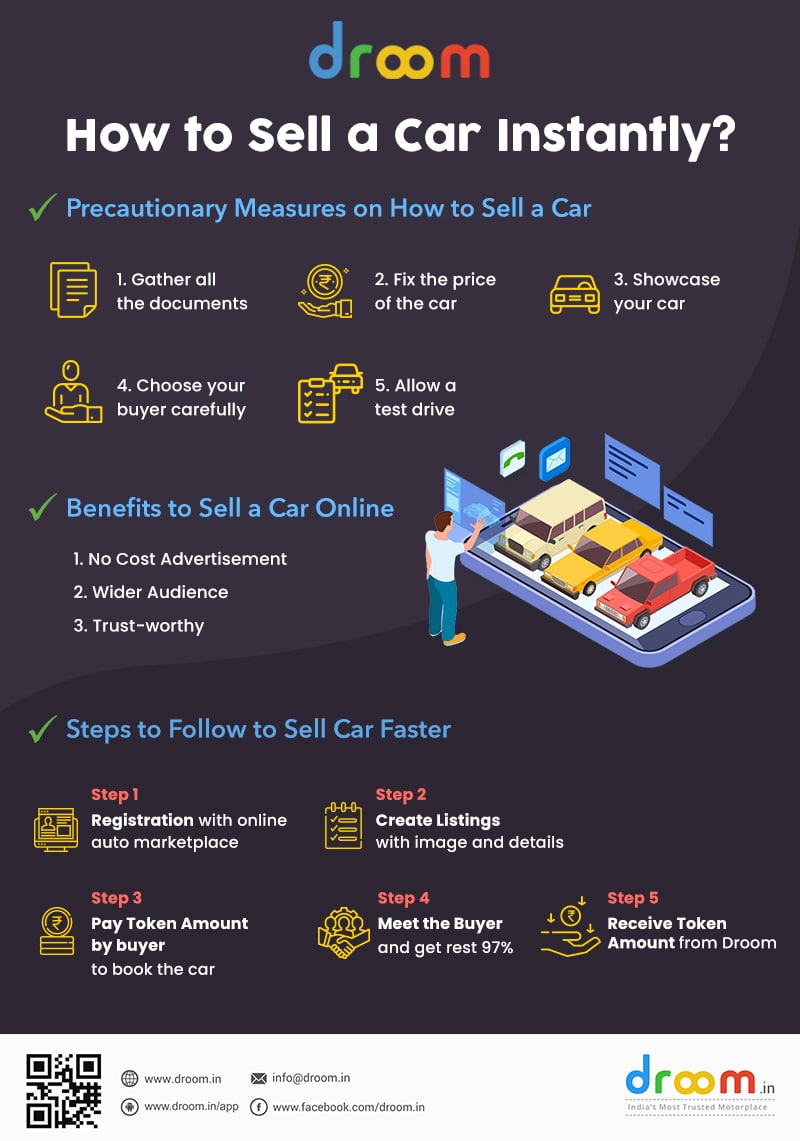
Having all necessary documents organized and ready is critical for a smooth and fast financial transaction. This includes:
- The Car Title: Absolutely essential for transferring ownership. Ensure it’s in your name and free of liens. If there’s a loan, have your payoff statement ready.
- Service History Records: A detailed history of maintenance and repairs validates your car’s condition and justifies its price.
- Emissions Test/Inspection Reports: Depending on your state, these might be required for sale and having them pre-completed can remove a hurdle for the buyer.
- Warranty Information (if applicable): If your car still has a transferable warranty, this is a significant selling point that adds financial value.
- Owner’s Manual: A small but important touch that shows care and completeness.
Missing or disorganized paperwork can delay the sale, raise red flags for buyers, and even jeopardize the legality of the transaction, impacting your financial interests.
Presentation That Sells: Marketing Your Asset
First impressions matter immensely, especially in online listings where photos are often the first point of contact. Invest time in cleaning your car thoroughly, inside and out. Remove all personal belongings. Wash, wax, and vacuum. Simple fixes, like replacing a burned-out bulb or refilling fluids, can convey a sense of reliability. Crucially, take high-quality photographs in good lighting from multiple angles, highlighting key features and ensuring they are clear and well-composed. A poorly presented car, even if mechanically sound, appears less valuable and struggles to attract attention, costing you time and potentially money. Think of these efforts as marketing your financial asset; a well-marketed product sells faster and often for more.
Leveraging Modern Financial Marketplaces & Channels
The digital age has revolutionized how cars are bought and sold, offering a plethora of platforms to connect sellers with potential buyers. Understanding the financial implications of each channel is vital for a fast and profitable sale.
Online Classifieds and Automotive Marketplaces
These platforms are your primary battleground for a quick sale. Websites like Craigslist, Facebook Marketplace, AutoTrader, CarGurus, and eBay Motors offer vast audiences. Craigslist and Facebook Marketplace are generally free to list, making them highly cost-effective but requiring more active management of inquiries. Dedicated automotive sites like AutoTrader and CarGurus typically charge listing fees but offer more targeted audiences and advanced search functionalities, potentially leading to faster, higher-quality leads. When choosing, consider the balance between listing cost, audience reach, and the type of buyer you want to attract. A wide net cast on free platforms can yield quick results, while a paid listing on a specialized site can target serious buyers willing to pay market value.
Dealership Trade-ins vs. Direct Sale: A Financial Dilemma
For ultimate speed and convenience, trading in your car at a dealership when purchasing a new one is often the quickest option. However, this convenience almost always comes at a financial cost. Dealerships need to make a profit, so their trade-in offers are typically significantly lower than what you could achieve through a private sale. Conducting a private sale requires more effort—creating listings, showing the car, negotiating—but it almost invariably yields a higher financial return. Calculate the difference in potential sale price versus the time and effort saved. If your primary goal is maximizing financial return, a private sale is usually superior, even if it takes a few extra days. If speed and zero hassle are paramount, and you can absorb the financial discount, a trade-in might be considered.
Instant Cash Offer Services
Companies like Carvana, Vroom, and even Kelley Blue Book’s Instant Cash Offer program have emerged as convenient options for selling a car quickly. You provide vehicle details online, receive an instant offer, and if accepted, they typically pick up the car and pay you within days. This channel offers unparalleled speed and simplicity, making it ideal for those who prioritize immediate liquidity. The financial trade-off, however, is similar to a dealership trade-in: these services typically offer less than a private sale as they need to account for their own profit margins, reconditioning costs, and resale risk. Analyze the offer against your financial needs and the potential hassle of a private sale. For some, the premium paid for speed and convenience is a worthwhile financial decision.
Local Networking and Word-of-Mouth
Don’t underestimate the power of your immediate network. Inform friends, family, and colleagues that your car is for sale. A simple post on local community groups, even if just directing to a more detailed online listing, can generate leads. This approach is often completely free and can connect you with trusted buyers, potentially accelerating the sale without marketing costs. It’s a low-cost, high-trust marketing strategy for your financial asset.
Mastering the Financial Transaction and Closing the Deal
The final stage of selling your car involves navigating negotiations, ensuring secure payment, and legally transferring ownership. This phase is critical for protecting your financial interests and avoiding future liabilities.
Effective Negotiation Strategies
When a buyer makes an offer, it’s rarely the final word. Be prepared to negotiate, but also know your absolute bottom line—the minimum price you’re willing to accept to meet your financial objectives. Research what similar cars have actually sold for, not just been listed for. When negotiating, listen more than you speak. Highlight the value points you established (maintenance records, recent repairs, good condition). Be polite but firm. Don’t be afraid to walk away if an offer is too low; remember your financial targets. A pre-set “take it or leave it” price, slightly above your bottom line, can sometimes expedite a decision. Never feel pressured to accept an offer that doesn’t align with your financial goals for the sale.
Secure Payment Methods
Receiving payment securely is paramount to avoid financial fraud. Never accept personal checks, even cashier’s checks without proper verification, as these can be fraudulent. The safest methods include:
- Cashier’s Check: Insist on meeting at the issuing bank during business hours so you can verify the check’s authenticity with a teller.
- Bank Transfer/Wire Transfer: This is a very secure method as funds are directly transferred between bank accounts. Ensure the transfer is complete and funds are cleared before releasing the car or title.
- Cash: For smaller amounts, cash can be acceptable, but always count it carefully in a secure location and be wary of large sums (which could be counterfeit).
- Escrow Services: For higher-value vehicles, an online escrow service (reputable ones only) can act as a neutral third party, holding the funds until the car transfer is complete, adding a layer of financial security for both parties.
Prioritize methods that guarantee cleared funds before you release the vehicle and its title, protecting your financial interests.
Transfer of Ownership and Legalities
Once payment is secured, the transfer of ownership must be legally completed to protect you from any future liability associated with the car.
- Sign the Title: The car’s title needs to be properly signed and dated by you (and any other registered owners) and given to the buyer. Ensure all required fields are filled out.
- Bill of Sale: Always create a Bill of Sale, even if your state doesn’t require it. This document acts as a financial receipt and legal record of the transaction. It should include the vehicle’s VIN, make, model, year, sale price, date of sale, and the full names and signatures of both buyer and seller. Keep a copy for your records.
- Release of Liability: In many states, you need to file a “Release of Liability” form with your Department of Motor Vehicles (DMV) or equivalent agency. This officially notifies the state that you are no longer the owner, preventing you from being held responsible for future tickets, accidents, or other legal issues involving the vehicle. This is a critical step to safeguard your financial and legal future.
Handling Post-Sale Financial Administration
After the sale, there are a few administrative steps to finalize the financial separation from your car.
- Cancel Insurance: Contact your insurance provider immediately to cancel the policy on the sold vehicle. This stops recurring premiums and frees up that money.
- Loan Payoff: If you had a loan on the car, ensure the full payoff amount has been transferred to the lender. Obtain a lien release from the lender to confirm your financial obligations are met.
- Remove License Plates: Depending on your state’s regulations, you may need to remove your license plates and return them to the DMV or transfer them to another vehicle.
By meticulously following these financially sound strategies, you can significantly increase your chances of selling your car fast, effectively turning a depreciating asset into liquid capital with minimal hassle and maximum return.
aViewFromTheCave is a participant in the Amazon Services LLC Associates Program, an affiliate advertising program designed to provide a means for sites to earn advertising fees by advertising and linking to Amazon.com. Amazon, the Amazon logo, AmazonSupply, and the AmazonSupply logo are trademarks of Amazon.com, Inc. or its affiliates. As an Amazon Associate we earn affiliate commissions from qualifying purchases.