
Selling a car privately can be an incredibly rewarding financial endeavor, potentially netting you thousands more than a dealership trade-in. However, it’s also a process fraught with financial and logistical complexities that, if mishandled, can lead to lost value, wasted time, or even scams. This guide is designed to empower you with the strategic insights and actionable steps needed to navigate the private car sale market successfully, ensuring you maximize your return on investment while safeguarding your financial interests. By approaching the sale with a clear plan, a firm understanding of market dynamics, and robust financial discipline, you can transform what might seem like a daunting task into a profitable and smooth transaction.
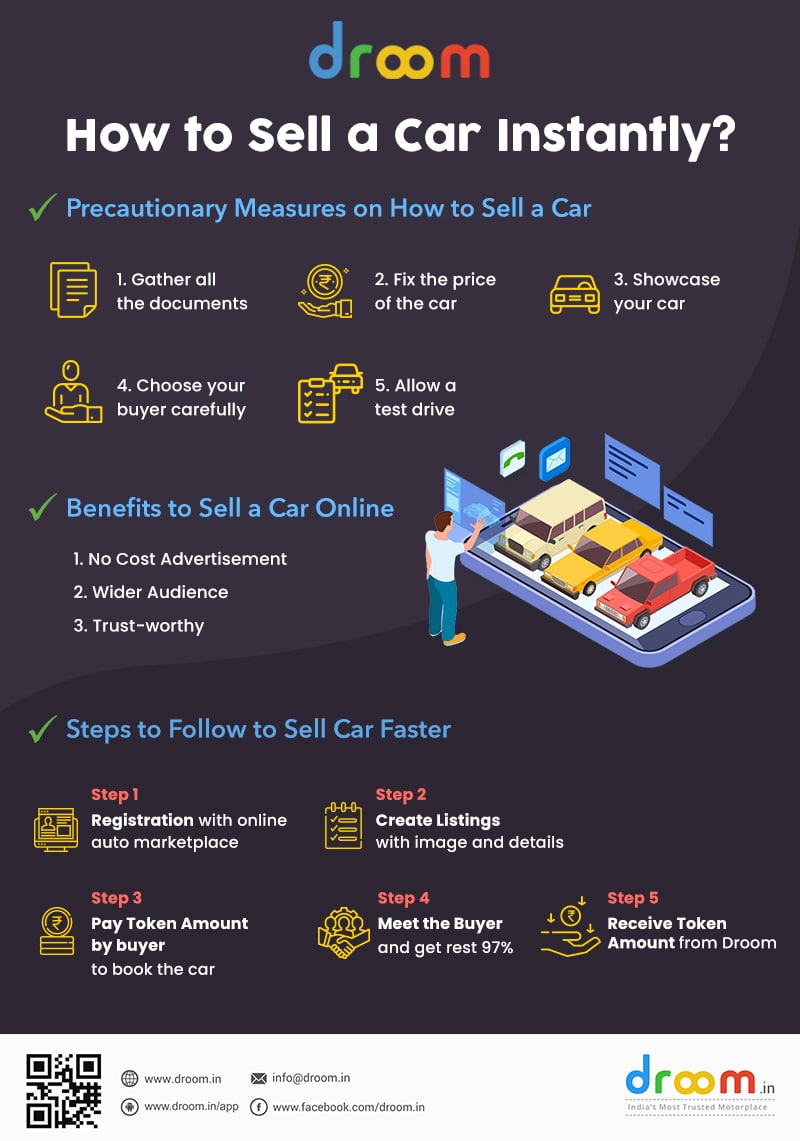
I. Strategic Preparation for Maximum Value
The foundation of a successful private car sale lies in meticulous preparation. This isn’t just about cleaning your car; it’s about understanding its true market value, enhancing its appeal, and having all your financial and legal ducks in a row before you even list it. This preparatory phase directly influences your asking price, buyer interest, and ultimately, the profit you pocket.
Understanding Market Dynamics and Pricing
Accurate pricing is the single most critical factor in selling your car quickly and for the most money. Overprice it, and it will sit; underprice it, and you leave money on the table.
- Researching Comparable Sales: Begin by researching what similar cars (same make, model, year, trim, mileage, and condition) are actually selling for, not just what they’re listed for. Utilize online valuation tools like Kelley Blue Book (KBB), Edmunds, and NADAguides, but cross-reference these with real-world listings on platforms like Autotrader, CarGurus, and Facebook Marketplace. Pay attention to private party sale prices, as these differ significantly from dealer retail prices.
- Factoring in Condition, Mileage, and Features: Be honest about your car’s condition. A well-maintained car with lower mileage and desirable features (e.g., premium sound system, navigation, sunroof) commands a higher price. Conversely, dents, dings, excessive wear, or a lack of popular features will necessitate a lower asking price. Document any recent maintenance or upgrades that add value.
- Setting a Competitive Yet Profitable Price: Once you have a range, set your initial asking price slightly above your absolute minimum acceptable price. This gives you room for negotiation without deterring potential buyers. Consider adding “$X, OBO” (or best offer) to signal flexibility, but always know your firm bottom line before engaging in discussions. Your goal is to attract serious buyers while ensuring you achieve your financial objectives.
Essential Maintenance and Detailing
A car that looks and runs well is inherently more valuable and appealing to prospective buyers. Investing a small amount of money and time here can yield significant returns.
- Addressing Minor Repairs and Service History: Before listing, address any minor mechanical issues that could deter a buyer or lead to price chip during an inspection. This includes things like burnt-out lights, squeaky brakes, or dashboard warning lights. Ensure your car is up-to-date on its routine maintenance, and compile a comprehensive service history. A well-documented maintenance record provides buyers with peace of mind and justifies a higher asking price, signaling responsible ownership.
- Professional Detailing vs. DIY Cleaning: A clean car sells faster and for more money. Consider a professional detail for a truly showroom-ready appearance, especially for higher-value vehicles. This includes a thorough interior vacuum, shampooing upholstery, cleaning all surfaces, and an exterior wash, wax, and tire shine. If detailing yourself, focus on making the car spotless: remove personal items, clean out every crevice, clean windows, and ensure the exterior shines. Pay attention to the engine bay too – a clean engine suggests good maintenance.
- Impact on Perceived Value and Asking Price: The perceived value is directly linked to the car’s presentation. A gleaming, well-maintained car instantly communicates care and reliability, leading buyers to believe it’s worth more. A dirty or neglected car, conversely, signals potential hidden problems, prompting buyers to offer less, even if mechanically sound. This is a small upfront investment that pays dividends in your final selling price.
Gathering Key Documentation
Having all necessary paperwork organized and ready from the outset streamlines the sales process and builds buyer confidence.
- Title, Service Records, Owner’s Manual: The clear title (pink slip) in your name is paramount. Ensure there are no liens against it. Gather all service records, maintenance receipts, and the owner’s manual. These documents prove ownership, verify maintenance, and answer common operational questions buyers might have.
- Vehicle History Reports: Consider purchasing a vehicle history report (e.g., Carfax, AutoCheck) yourself. While buyers can purchase these, providing one upfront demonstrates transparency and expedites their decision-making process. These reports detail accidents, previous owners, service history, and potential odometer fraud, offering critical financial assurance to the buyer.
- Importance for Buyer Confidence and Smooth Transaction: Comprehensive documentation alleviates buyer concerns about the car’s past and verifies its condition. This transparency fosters trust, making a buyer more comfortable proceeding with a purchase and less likely to haggle aggressively over unknowns. Furthermore, having all paperwork ready ensures a smooth, legally compliant transfer of ownership, protecting both parties.
II. Crafting an Irresistible Listing
Once your car is prepped and priced, the next critical step is creating a compelling listing that stands out in a crowded market. This involves more than just a few pictures; it requires a strategic approach to visual appeal, persuasive writing, and platform selection to attract serious, financially qualified buyers.
High-Quality Photography and Videography
Visuals are the first impression and often the deciding factor for potential buyers scrolling through listings. Professional-looking photos and videos are crucial for maximizing financial interest.
- Showcasing Exterior, Interior, Engine Bay: Take numerous high-resolution photos from multiple angles. For the exterior, include front, back, both sides, and ¾ views. Capture clear shots of the wheels and tires. For the interior, photograph the dashboard, seats (front and back), trunk, and any unique features like touchscreens or sunroofs. Don’t forget the engine bay – a clean engine photo signals a well-cared-for vehicle.
- Using Good Lighting, Multiple Angles: Shoot during the day, preferably on a bright but overcast day to avoid harsh shadows and glare. Park the car in an uncluttered, appealing location. Ensure the car is spotless inside and out before taking pictures. Use a good camera or smartphone with proper lighting to capture crisp, clear images that accurately represent the car.
- The Power of a Walk-Around Video: A short, well-produced walk-around video can dramatically increase engagement. It allows buyers to get a more comprehensive feel for the car, including the sound of the engine, and helps build trust. Upload this to YouTube or directly to platforms that support video, linking it prominently in your description. This investment in visual storytelling pays off in increased inquiries and quicker sales.
Writing a Compelling Description
Your article description is your sales pitch. It needs to be informative, engaging, and honest, highlighting the car’s best attributes while managing expectations.
- Highlighting Unique Features and Upgrades: Go beyond the basics. Emphasize what makes your car special. Is it a rare trim? Does it have unique factory options or aftermarket upgrades? Mention recent maintenance or new tires. Frame these as benefits to the buyer – e.g., “New tires mean peace of mind for your next 50,000 miles.”
- Transparency About Minor Flaws: While you want to highlight the positives, being transparent about minor flaws (e.g., “small ding on the passenger door, priced accordingly”) builds trust. It also pre-empts nitpicking during a viewing and shows you’re an honest seller, which can lead to a smoother negotiation process. Financial integrity is key to a fair transaction.
- Engaging Storytelling, Focus on Benefits: Don’t just list features; explain the benefits. Instead of “Leather seats,” say “Enjoy luxurious and comfortable rides with premium leather seating.” Briefly mention why you’re selling (e.g., “Upgrading to a larger family car”) but keep it concise. A well-written description should answer common questions upfront, saving you time and attracting more qualified buyers.
Selecting the Right Selling Platforms

Choosing where to list your car can significantly impact how quickly it sells and the price you achieve. Different platforms cater to different buyer demographics and offer varying levels of reach.
- Online Marketplaces (Facebook Marketplace, Craigslist, Autotrader, eBay Motors):
- Facebook Marketplace: Excellent for local sales, free, wide reach, but requires careful screening of buyers.
- Craigslist: Similar to Facebook Marketplace, free, good for local sales, but higher risk of scams; requires vigilance.
- Autotrader/CarGurus: Paid platforms, but attract more serious buyers and provide professional tools. Excellent for broader reach and higher-value vehicles.
- eBay Motors: Great for unique, classic, or higher-end vehicles, offers auction or “Buy It Now” options, and reaches a national/international audience, but involves fees.
- Local Classifieds, Word-of-Mouth: Don’t underestimate the power of local newspapers, community bulletin boards, or simply telling friends and family. These can attract buyers looking for convenience and trust through personal connections.
- Comparing Reach, Fees, and Target Audience: Evaluate each platform based on your car’s value, your desired timeline, and your comfort level with different buyer types. Consider the fees associated with paid listings as part of your overall financial strategy for the sale. A multi-platform approach can often yield the best results by broadening your exposure.
III. Navigating Inquiries and Showings
Once your listing is live, you’ll start receiving inquiries. This phase is about efficient communication, safe interactions, and shrewd negotiation to secure the best financial outcome. Every interaction is an opportunity to build rapport and demonstrate your car’s value.
Effective Communication with Potential Buyers
Your responsiveness and professionalism in communication are critical. This shapes the buyer’s perception of you and the car.
- Prompt and Professional Responses: Respond to inquiries promptly, ideally within a few hours. Use clear, concise language. Be polite and professional, even if the inquiry seems less serious. This signals reliability and good faith.
- Filtering Serious Inquiries from Time-Wasters: Not all inquiries are equal. Ask qualifying questions early on: “Are you paying cash or financing?” “When are you looking to purchase?” “What’s your budget?” This helps you identify serious buyers versus those who are merely window shopping or trying to scam you. Don’t invest too much time in unresponsive or vague inquiries.
- Handling Common Buyer Questions: Be prepared to answer questions about the car’s history, maintenance, reason for selling, and any specific features. Have your documentation handy to reference. Consistency in your answers builds trust and avoids suspicion.
Safe and Productive Test Drives
Test drives are essential for a buyer to assess the car, but they also introduce personal safety and financial risk if not handled properly.
- Meeting in Public Places: Whenever possible, arrange to meet potential buyers in a well-lit, public location, such as a busy shopping center parking lot or even the local police station’s designated safe exchange zone. Avoid meeting at your home or workplace if you’re uncomfortable.
- Accompanying the Buyer: Always accompany the buyer on the test drive. You are not only ensuring the safety of your vehicle but also available to answer questions and demonstrate features. Never hand over the keys and let a stranger drive off alone with your car.
- Proof of Insurance/Driver’s License: Before the test drive, ask to see the buyer’s valid driver’s license and proof of insurance. While your insurance typically covers your car, even if someone else is driving, it’s a good practice to ensure they are legally able to drive and have their own coverage. Take a photo of their license (with their permission) for your records. This helps mitigate financial risks in case of an accident.
Addressing Inspections and Negotiations
These are often the most financially sensitive parts of the sales process, requiring strategy and a clear understanding of your bottom line.
- Allowing Pre-Purchase Inspections: Encourage serious buyers to get a pre-purchase inspection (PPI) by an independent, trusted mechanic of their choosing. This builds immense trust and can expedite the sale. Suggest they choose a mechanic close to your meeting spot for convenience. The buyer typically covers the cost of the PPI.
- Strategies for Negotiation (Knowing Your Bottom Line): Always know your minimum acceptable price before you start negotiating. Be prepared for lowball offers; handle them politely but firmly. Highlight the value you’ve already established (maintenance, condition, features). Be patient. Sometimes the best strategy is to wait for the right buyer rather than immediately accepting a lower-than-desired offer. Your financial goal is to maximize the sale price within reason.
- Handling Lowball Offers Gracefully: When confronted with a significantly low offer, you can counter with a slightly reduced price, explain the value that justifies your price, or simply state, “Thank you for your offer, but I’m firm on my price.” Avoid getting emotional or defensive. Keep the focus on the car’s value and your financial objectives.
IV. Finalizing the Sale: Financial & Legal Safeguards
The moment of truth involves the exchange of money and title. This phase is critical for safeguarding your financial assets and ensuring a legally sound transfer of ownership. Errors here can lead to significant financial loss or legal complications.
Secure Payment Methods
Receiving payment securely is paramount. Beware of scams and choose methods that protect you financially.
- Avoiding Scams: Cashier’s Checks (with Verification), Wire Transfers, Escrow Services:
- Cashier’s Check: While often considered safe, fraudulent cashier’s checks are common. Always accompany the buyer to their bank to watch them get the check, or call the issuing bank (using a number you independently verify, not one given by the buyer) to confirm funds before releasing the car or title. Do not accept personal checks.
- Wire Transfer: A wire transfer directly into your account is generally secure once the funds have cleared. Be sure to verify the transfer with your bank before proceeding.
- Escrow Services: For higher-value vehicles, a reputable third-party escrow service can be a secure option. The buyer sends funds to the escrow service, which verifies them, and then you transfer the title. Once confirmed, the escrow service releases funds to you. This is an added cost but offers significant financial protection.
- Cash Transactions: Risks and Precautions: For smaller amounts, cash can be straightforward. However, verify large sums of cash at your bank or a currency exchange counter to ensure authenticity. Be wary of large cash transactions in isolated locations, and always bring a friend for safety.
- Never Release the Car or Title Until Funds Are Secure: This is the golden rule. Do not hand over the keys, the car, or the title until you have confirmed that the full payment has been received and irrevocably cleared in your bank account.
Essential Paperwork and Transfers
Proper documentation protects both you and the buyer legally and financially.
- Bill of Sale (Customizable Template): A comprehensive bill of sale is crucial. It should include: your name and the buyer’s name, the vehicle’s make, model, year, VIN, odometer reading, sale price, date of sale, and a statement that the car is sold “as-is” (if applicable). Both parties should sign and date two copies (one for each). Many state DMVs offer templates.
- Title Transfer Procedures (State-Specific): Each state has specific requirements for transferring a vehicle title. Generally, you will sign and date the “seller” portion of the title, fill in the odometer reading, and potentially have it notarized. Ensure you understand your state’s specific obligations and guide the buyer on theirs. Prompt title transfer protects you from liability for future tickets or accidents involving the car.
- Reporting the Sale to the DMV: Many states require you to notify the Department of Motor Vehicles (DMV) of the sale within a certain timeframe. This officially removes your liability for the vehicle. Failure to do so can have significant financial and legal consequences. Keep copies of all forms submitted.

Post-Sale Considerations
Your responsibilities don’t necessarily end the moment the money changes hands. A few final steps ensure complete financial and legal separation from the vehicle.
- Removing License Plates: In many states, license plates belong to the seller, not the car. Remove your plates immediately after the sale. You may need to return them to the DMV or transfer them to a new vehicle. Check your state’s regulations.
- Cancelling Insurance: Once the sale is complete and you’ve confirmed your liability has ceased (e.g., reported the sale to the DMV), contact your insurance provider to cancel the policy on the sold vehicle. This ensures you’re not paying for coverage you no longer need and frees up those funds.
- Understanding ‘As-Is’ Sales and Disclosure: Most private car sales are “as-is,” meaning the buyer accepts the car in its current condition with no warranties from the seller. This should be explicitly stated in your bill of sale. However, “as-is” does not protect you from fraud if you knowingly conceal major defects. Transparency and full disclosure remain your best financial and legal protection.
By meticulously following these steps, focusing on financial security, maximizing value, and ensuring legal compliance, you can confidently and profitably navigate the process of personally selling your car. It’s a process that demands diligence, but the financial rewards of avoiding dealership markdowns are well worth the effort.
aViewFromTheCave is a participant in the Amazon Services LLC Associates Program, an affiliate advertising program designed to provide a means for sites to earn advertising fees by advertising and linking to Amazon.com. Amazon, the Amazon logo, AmazonSupply, and the AmazonSupply logo are trademarks of Amazon.com, Inc. or its affiliates. As an Amazon Associate we earn affiliate commissions from qualifying purchases.