
Selling a used car can be a significant financial transaction, and understanding the terms of any offer is crucial for making an informed decision. CarMax, a prominent player in the used car market, is known for its streamlined appraisal process and instant cash offers. A common question among sellers is the longevity of these offers, a detail that holds considerable financial implications for personal budgeting, asset management, and subsequent vehicle purchases. This article delves into the specifics of CarMax offers, their duration, and how this timeframe impacts your financial strategy when selling a vehicle.

Understanding the CarMax Offer Process
Before discussing the duration of an offer, it’s essential to grasp how CarMax formulates its valuation. This process is designed for efficiency and transparency, but it relies on various factors that can fluctuate, thereby influencing the offer’s stability over time.
The Initial Valuation
The CarMax process typically begins with an online estimation tool, where sellers input basic information about their vehicle (make, model, year, mileage, features, ZIP code). This initial step provides a preliminary market value, acting as a guide rather than a firm offer. It leverages extensive market data, including recent sales of comparable vehicles, current inventory levels, and regional demand. For consumers, this initial valuation offers a quick financial snapshot, allowing them to gauge their asset’s approximate worth without significant commitment.
The Inspection and Final Offer
To receive a binding offer, a physical inspection of the vehicle is mandatory at a CarMax location. During this assessment, trained appraisers meticulously evaluate the vehicle’s condition, both mechanically and cosmetically. They scrutinize exterior blemishes, interior wear, tire condition, and confirm all features and optional equipment. Importantly, they also conduct a test drive and review the vehicle’s history report for any accidents, title issues, or extensive repairs. This comprehensive inspection aims to establish a precise market value, factoring in potential reconditioning costs and the vehicle’s overall desirability. This thoroughness is critical because the final offer directly reflects the company’s projected cost to recondition and resell the vehicle, alongside its market-driven profit margins. From a personal finance perspective, understanding this step helps sellers anticipate potential deductions from their initial online estimate based on their vehicle’s true condition.
Receiving Your Quote
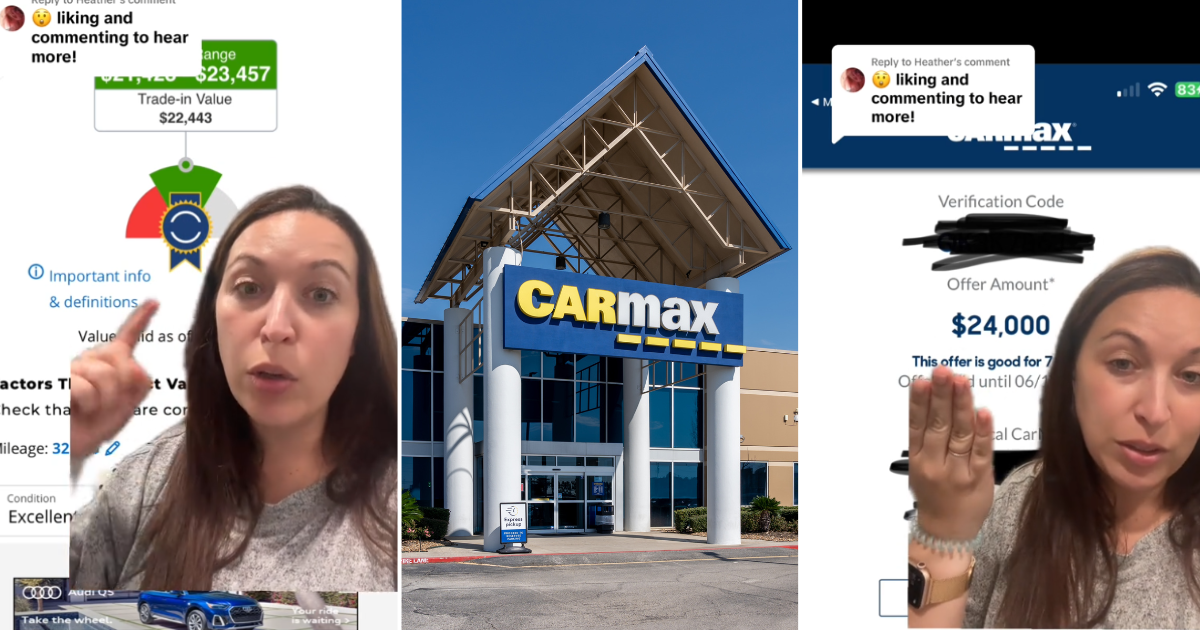
Upon completion of the inspection, CarMax provides a written, no-obligation offer. This offer is a firm financial commitment from CarMax to purchase your vehicle at the stated price. The clarity and immediate nature of this quote are a key appeal for many sellers, removing much of the negotiation and uncertainty often associated with private sales or traditional dealership trade-ins. However, the critical detail here is that this quote comes with a specific expiration date, which dictates its financial viability.
The Standard CarMax Offer Duration
The core question for sellers is how long this financial commitment remains valid. CarMax offers are, under standard circumstances, valid for seven calendar days. This means you have a full week from the date the offer is issued to accept the price and complete the sale. This timeframe is consistent across all CarMax locations and applies regardless of the vehicle’s make, model, or condition. Understanding this strict deadline is paramount for managing your financial timeline and comparing options effectively.
Why the 7-Day Window?
The choice of a seven-day validity period is rooted in several critical business and market dynamics, all of which directly impact the financial risk and profitability for CarMax.
- Market Volatility: The used car market is highly dynamic. Vehicle prices can fluctuate rapidly due to shifts in supply and demand, economic indicators (like interest rates or gas prices), raw material costs for new cars affecting used car availability, and even seasonal trends. A longer offer validity period would expose CarMax to undue financial risk, as the market value of a specific vehicle could decline significantly between the offer date and the potential sale date. This short window minimizes their exposure to market depreciation and helps maintain the accuracy of their inventory valuation.
- Inventory Management: CarMax operates on a high-volume business model that requires efficient inventory turnover. Knowing how many vehicles are expected to be acquired within a specific timeframe helps them manage their existing stock, plan for reconditioning resources, and forecast sales. A finite offer period aids in predictive inventory control.
- Asset Depreciation: Cars are depreciating assets. Every day a vehicle ages, accumulates mileage, and experiences normal wear and tear, its value slightly decreases. While minor on a daily basis, over an extended period, this depreciation can add up. The seven-day window accounts for this inherent financial reality, ensuring the offer remains aligned with the vehicle’s current depreciating value.
Factors Influencing Offer Stability
While the 7-day duration is fixed, the underlying factors that determine the value of the offer are in constant flux. Market demand for specific models, the overall economic climate, and even the availability of new vehicles can influence CarMax’s initial valuation and how much it might change if you were to seek a new offer after the seven days. Sellers should view the offer as a snapshot of their vehicle’s financial worth at that precise moment.
Maximizing Your Offer Value Within the Timeframe
Given the strict seven-day deadline, sellers have a limited window to act. Strategic preparation and an understanding of financial best practices can help ensure you get the most out of your offer.
Preparing Your Vehicle for Sale
While CarMax offers are generally “as-is,” a clean and well-presented vehicle can subtly influence the appraiser’s perception, potentially leading to a slightly better valuation, or at least ensuring no minor issues are over-magnified. A clean interior and exterior demonstrate care, which can instill confidence in the vehicle’s overall maintenance. While major repairs aren’t recommended just for a CarMax sale (as the cost often outweighs the increase in offer), ensuring all known issues are disclosed honestly is paramount to avoid surprises that could invalidate or reduce the offer. Having a complete set of service records available can also subtly bolster the perceived value, proving consistent maintenance and potentially justifying a higher end of the valuation range.
Gathering Necessary Documentation
To complete the sale within the seven-day window, having all required documents ready is non-negotiable. This includes:
- Vehicle Title or Loan Payoff Information: The title must be clear of liens or you must have information regarding your loan payoff. If there’s a lien, CarMax can facilitate the payoff, deducting the amount from your payout. Understanding your equity (market value minus loan balance) is a critical personal finance calculation here.
- Valid Government-Issued Photo ID: For all titleholders.
- Current Vehicle Registration: Proof of current registration.
- All Keys and Remotes: Losing a key can significantly reduce the offer as replacements are expensive.
- Proof of Residency (sometimes required): A utility bill or lease agreement may be needed.
Missing any of these documents can delay the sale beyond the seven-day window, potentially forcing you to obtain a new, potentially lower, offer.
Strategic Timing for Your Sale
While the CarMax offer itself is only valid for seven days, the timing of when you obtain that offer can be strategically important from a financial perspective.
- End of Month/Quarter: Sometimes, dealerships (including large chains) might be more aggressive with purchase prices or trade-in values towards the end of a sales period to meet quotas. While this is less pronounced with CarMax’s fixed offer model, broader market forces driving dealer inventory needs can indirectly influence valuations.
- Market Trends: Be aware of general market trends. If demand for used cars is exceptionally high (e.g., due to new car production shortages), you might secure a better offer overall. Conversely, during periods of economic downturn or oversupply, offers may be lower. Researching recent comparable sales and broader industry reports can provide valuable insights into market health.
- Planned New Car Purchase: If you’re using the proceeds to finance a new vehicle, coordinating the CarMax sale close to your new car purchase ensures minimal downtime and a smooth financial transition.
Comparing Offers
The seven-day window provides a valuable opportunity to compare your CarMax offer against other avenues. Obtain quotes from other dealerships (both trade-in and cash offers), online buyers, and even explore the potential return from a private sale. While a private sale often yields the highest gross price, it comes with significant time, effort, and risk (marketing, showing the car, dealing with buyers, payment security). CarMax’s offer represents a guaranteed, immediate cash payout, often balancing convenience against potential maximum return. From a financial decision-making standpoint, this comparison is about weighing the opportunity cost of time and effort against a potentially higher profit.
What Happens After 7 Days?
The expiration of a CarMax offer does not mean the end of your selling options with them, but it does mean the specific financial offer is no longer valid.
Re-evaluation Process
If you do not accept the offer within the seven-day period, and you still wish to sell your car to CarMax, you will need to undergo a complete re-evaluation. This entails bringing your vehicle back to a CarMax location for another inspection. It’s essentially starting the process anew.
Potential Changes in Offer Value
The new offer you receive could be higher, lower, or the same as the original, but it is unlikely to be identical. The re-evaluation process factors in all the market dynamics and depreciation mentioned earlier. If market conditions have shifted unfavorably, or if the vehicle has accrued more mileage and wear, the new offer will likely be lower. Conversely, in rare instances of strong demand or favorable market shifts for your specific vehicle, the offer might incrementally increase, though depreciation often outweighs such gains. Financially, this underscores the importance of acting on the initial offer if it meets your expectations, as waiting introduces risk.
The Decision to Resubmit
Deciding whether to pursue a new offer after the initial one expires depends on your financial goals and the prevailing market conditions. If you’ve explored other options and CarMax still represents the most convenient or financially attractive path, a re-evaluation might be worthwhile. However, be prepared for the possibility of a different valuation. If the market has softened, you might find yourself accepting less than the original quote, representing a missed financial opportunity.
Financial Implications and Best Practices
Selling a car is more than just a transaction; it’s a financial decision with broader implications for your personal balance sheet.
Budgeting and Financial Planning
The proceeds from your CarMax sale can significantly impact your financial planning. Whether you’re using the cash as a down payment for a new vehicle, paying off debt, or adding to savings, accurately knowing your net proceeds (offer amount minus any loan payoff) is crucial. Factor in the time frame for receiving payment; CarMax typically issues a bank draft immediately, providing quick access to funds. This immediate liquidity can be a major advantage for those needing capital quickly. For those trading in for a new car, understanding how a cash sale to CarMax compares to a trade-in value offered by a new car dealer is vital. Often, a cash sale to CarMax followed by an independent purchase of a new car can yield better financial results than a direct trade-in, depending on state tax laws and dealer incentives.
Understanding Market Dynamics
Being financially savvy means having a grasp of the broader economic factors that influence asset values. The used car market is affected by interest rates (which impact financing costs), fuel prices (affecting demand for certain types of vehicles), and the availability of new cars (which drives used car prices). A strong understanding of these dynamics can inform your decision on when to obtain your CarMax offer, helping you capitalize on favorable market conditions. Monitoring indices related to used vehicle values, such as the Manheim Used Vehicle Value Index, can provide insightful context for your financial timing.
The Value of Time in Car Sales
Perhaps the most significant financial lesson from CarMax’s seven-day offer is the intrinsic value of time. For a depreciating asset like a car, delays can literally cost money. Every day that passes beyond the offer’s expiration exposes you to further depreciation and market shifts. The convenience and certainty of a CarMax offer, even if slightly lower than a private sale, often offer a superior financial outcome when factoring in the opportunity cost of your time, the effort saved, and the certainty of payment. Making a prompt, informed decision within the offer window is a financial best practice that minimizes risk and maximizes the net return on your vehicle asset.
aViewFromTheCave is a participant in the Amazon Services LLC Associates Program, an affiliate advertising program designed to provide a means for sites to earn advertising fees by advertising and linking to Amazon.com. Amazon, the Amazon logo, AmazonSupply, and the AmazonSupply logo are trademarks of Amazon.com, Inc. or its affiliates. As an Amazon Associate we earn affiliate commissions from qualifying purchases.