
The allure of a classic car is undeniable. The rumble of a V8 engine, the sculpted lines of a bygone era, and the sheer nostalgia evoke a unique kind of romance. But when does a car transcend mere “old” and officially enter the hallowed halls of “antique”? This isn’t just a question for passionate collectors; understanding the nuances of antique car classification can have practical implications for insurance, registration, and even investment potential.
While the question “what year car is considered antique” seems straightforward, the answer is surprisingly multifaceted, influenced by legal definitions, insurance industry standards, and the evolving landscape of automotive history. This article delves into the core of this classification, exploring the varying criteria and how they intersect with the broader themes of Tech, Brand, and Money in the context of classic automobiles.
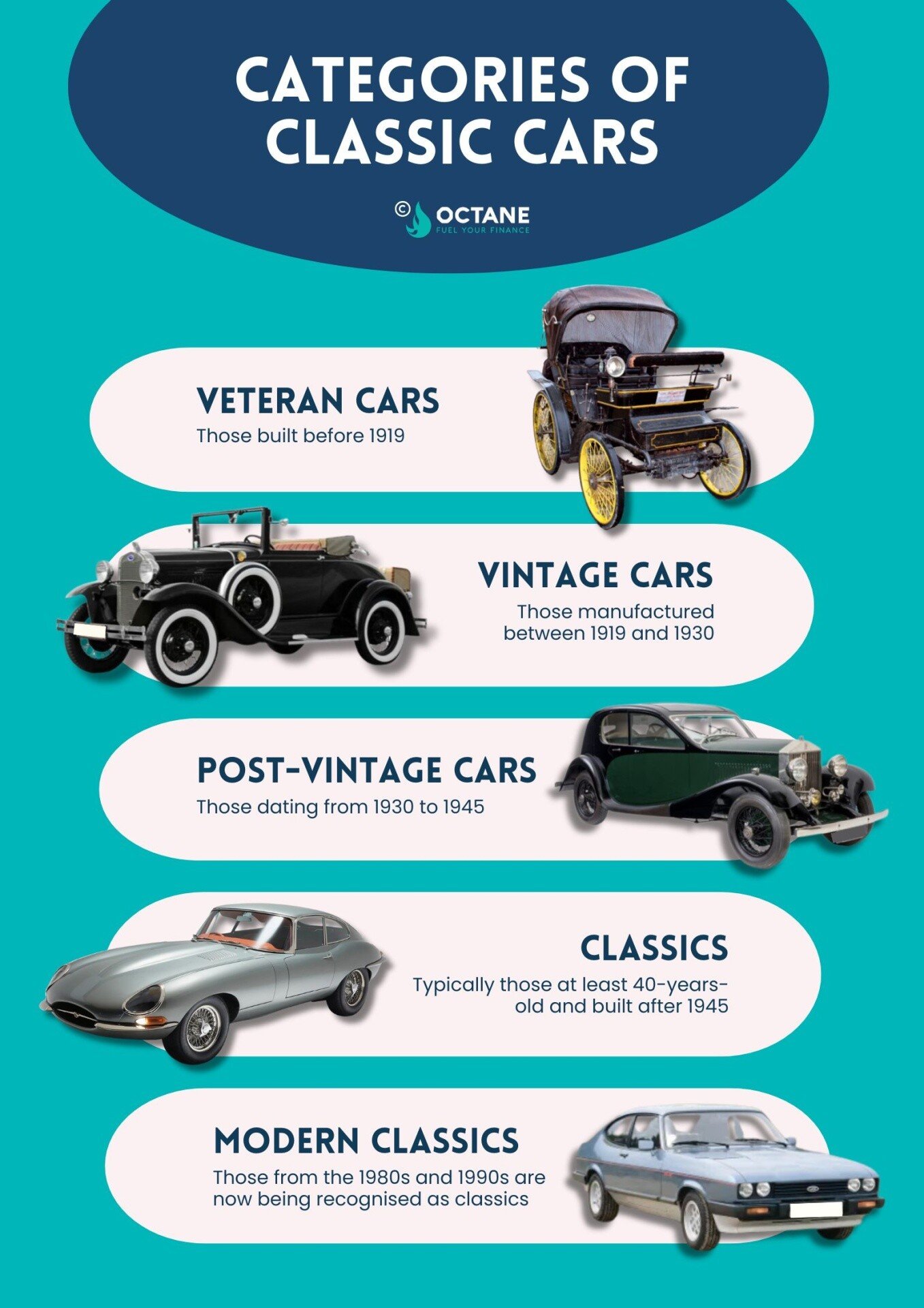
Defining “Antique”: A Spectrum of Age and Significance
The most common misconception is that a car becomes “antique” simply by reaching a certain age. While age is a primary factor, it’s often just the starting point. The definition of an antique vehicle can vary significantly depending on the governing body or organization you consult.
The Legal and Regulatory Framework
Legally, the definition of an antique car is often tied to registration and taxation purposes. Many states in the United States, for instance, have specific laws defining antique vehicles to qualify them for special license plates, reduced registration fees, or exemptions from certain emissions testing requirements.
- Common Age Thresholds: Typically, a car needs to be at least 25 years old to be considered a classic or antique by most state motor vehicle departments. However, some states might have different age cutoffs, with some as low as 20 years and others as high as 45 years for certain designations.
- “Classic” vs. “Antique”: It’s also important to distinguish between “classic” and “antique.” While often used interchangeably, some classifications draw a line. A “classic” car might be defined as being between 20 and 40 years old, while an “antique” car is typically considered older, often 45 years or more. However, these are general guidelines, and specific legal definitions are paramount.
- Purpose of Classification: The primary purpose of these legal definitions is usually to simplify regulations for older vehicles that are no longer used for daily commuting and are often maintained in good condition. This can include allowing older vehicles to bypass modern safety and emissions standards that would be prohibitively expensive or impossible to meet.
Insurance Industry Standards
The insurance industry also has its own set of criteria for defining antique or classic vehicles, and these definitions are crucial for obtaining specialized insurance policies. These policies are often more affordable than standard auto insurance because they acknowledge that antique cars are typically driven less frequently and are often stored securely.
- Collector Car Insurance: Insurers specializing in collector cars often have specific age requirements, generally starting around 20-25 years old. They also consider other factors.
- Condition and Usage: Beyond age, insurers will look at the car’s condition, originality, and intended use. A well-maintained, largely original vehicle driven for pleasure, parades, or shows is a much better candidate for collector insurance than a daily driver that happens to be old.
- Mileage Restrictions: Many classic car insurance policies come with mileage limitations, typically around 2,500 to 5,000 miles per year. This is because infrequent use is a key factor in assessing risk for these specialized policies.
- Appraisal Value: Insurers often require an appraisal to establish the car’s agreed-upon value. This is crucial for determining coverage limits and payout in case of a claim. This is where the Money aspect of our website’s focus truly shines, as the financial valuation of a classic car is a significant consideration.
The Role of Manufacturer and Enthusiast Groups
Beyond legal and insurance definitions, manufacturers and enthusiast clubs often have their own classifications and criteria, often based on historical significance and desirability.
- Manufacturer Designations: Some manufacturers might have their own internal definitions for “heritage” or “classic” models, often tied to anniversaries or specific historical periods.
- Enthusiast Club Criteria: Car clubs, such as the Classic Car Club of America (CCCA), have very specific definitions. The CCCA, for example, focuses on cars built between 1915 and 1948, emphasizing vehicles of significant historical and mechanical importance. This highlights the Brand and historical significance of certain automotive marques.
Beyond the Calendar: Factors Contributing to Antique Status
While age is the most common denominator, several other factors contribute to a car’s classification as an antique and its overall value. These factors often intertwine with the Tech, Brand, and Money pillars of our website.
Historical Significance and Rarity
A car doesn’t need to be a certain age to be considered historically significant or rare, but these qualities often become more pronounced as vehicles age.

- Milestones in Automotive History: Cars that represent a significant leap in technology, design, or manufacturing processes are often highly sought after. Think of the first mass-produced V8 engines, revolutionary aerodynamic designs, or early examples of safety features. These are often categorized as antique or classic due to their impact.
- Limited Production Runs: Vehicles produced in small numbers or with unique factory options are inherently rarer and, as they age, become more valuable and more likely to be classified as collector items. This rarity directly impacts its Money value.
- Association with Notable Figures or Events: Cars owned by celebrities, historical figures, or those involved in significant historical events often carry a premium and are automatically deemed significant, regardless of their exact age.
Originality and Condition: The Heart of Preservation
The degree to which a car has been preserved in its original state is paramount in determining its value and its place in the antique car world. This is where Tech and Brand intersect with preservation.
- “Numbers Matching”: For many collectors, a car being “numbers matching” is crucial. This means the engine, transmission, and other key components retain their original serial numbers, which correspond to the vehicle’s VIN. This is a hallmark of authenticity and significantly impacts Money value.
- Preservation vs. Restoration: A distinction is often made between a car that has been meticulously preserved and one that has undergone a full restoration. While a high-quality restoration can significantly increase a car’s value, a car that has been kept in excellent original condition can sometimes be even more desirable, especially if the patina of age adds to its character.
- Modern Upgrades: While some modern technological upgrades might be desirable for usability (e.g., improved braking systems), significant deviations from the original specifications, especially those that alter the car’s fundamental character or appearance, can detract from its antique status and value. However, discreet integration of modern Tech for safety or drivability can sometimes be acceptable, depending on the car and the collector’s philosophy.
The “Cool Factor” and Cultural Impact
Beyond the tangible aspects, the intangible “cool factor” and cultural impact of a vehicle play a significant role in its desirability and, by extension, its perceived antique value.
- Iconic Designs: Certain car designs become timeless icons, representing a particular era or a brand’s peak. These cars hold a special place in automotive culture. This ties directly into Brand recognition and legacy.
- Pop Culture Influence: Cars that gained fame through movies, television shows, or music often transcend their original production years and become highly collectible. Their appearance in popular media solidifies their iconic status and contributes to their Money value.
- Nostalgia and Personal Connection: For many, the appeal of an antique car is deeply rooted in personal nostalgia. The car might have been a dream car from their youth, or a car their parents or grandparents owned. This emotional connection is a powerful driver of demand and influences Money dynamics in the market.
The Financial Implications: Investing in the Past
Understanding antique car classifications is not just an academic exercise; it has significant financial implications. For many, classic cars represent a tangible investment, a blend of passion and potential profit.
Antique Cars as Investments
The classic car market has seen considerable growth over the years, with certain vehicles appreciating significantly in value. However, it’s a market that requires knowledge, patience, and a keen eye.
- Market Trends and Appreciation: While some antique cars are appreciating assets, not all older cars are financially lucrative. Researching market trends, understanding which models are in demand, and identifying cars with strong growth potential are crucial for any investor. This requires astute Money management and market analysis.
- The Cost of Ownership: It’s vital to consider the ongoing costs of owning an antique car. This includes maintenance, repairs (which can be expensive due to specialized parts), insurance, storage, and potential restoration costs. These expenses directly impact the overall Money equation.
- Due Diligence is Key: Before purchasing an antique car as an investment, thorough research is essential. This includes inspecting the vehicle meticulously, understanding its history, and getting professional appraisals. This aligns with the principles of sound Money management and investing.
The Role of Technology in the Antique Car Ecosystem
While we often associate antique cars with a lack of modern technology, Tech plays an increasingly important role in their preservation, valuation, and even enjoyment.
- Digital Archives and Research: Online databases, forums, and digital archives provide invaluable resources for researching a car’s history, original specifications, and potential value. This access to information democratizes the research process and aids in informed Money decisions.
- Restoration Tools and Techniques: Modern diagnostic tools, specialized repair equipment, and advanced fabrication techniques are making it easier and more precise to restore and maintain antique cars. This blend of old and new Tech is crucial for preserving these vehicles.
- Online Marketplaces and Auctions: The internet has revolutionized how antique cars are bought and sold. Online marketplaces and virtual auctions have expanded the reach of buyers and sellers, creating a more dynamic and accessible market. This is a significant shift in the Money dynamics of the classic car world.
- Connectivity and Information: Even classic cars can benefit from discreet technological integration. Modern navigation systems, audio upgrades, or even discreet charging ports can enhance the driving experience without compromising the car’s originality, showcasing a thoughtful application of Tech.
Conclusion: A Timeless Appeal
So, what year car is considered antique? The answer is rarely a single definitive year. It’s a complex interplay of legal definitions, insurance industry standards, historical significance, rarity, originality, condition, and cultural impact. While a general guideline of 25 years often serves as a starting point, the true “antiqueness” of a car is a multifaceted concept.
Understanding these distinctions is vital for collectors, enthusiasts, and investors alike. It allows for informed decisions regarding insurance, registration, and ultimately, the appreciation and preservation of these rolling pieces of history. As the automotive landscape continues to evolve, so too will our understanding and classification of these timeless machines, forever linking the Tech, Brand, and Money of the past with the present.
aViewFromTheCave is a participant in the Amazon Services LLC Associates Program, an affiliate advertising program designed to provide a means for sites to earn advertising fees by advertising and linking to Amazon.com. Amazon, the Amazon logo, AmazonSupply, and the AmazonSupply logo are trademarks of Amazon.com, Inc. or its affiliates. As an Amazon Associate we earn affiliate commissions from qualifying purchases.