
For many, a car represents one of the most significant investments outside of a home. It’s a tool for commuting, a vessel for family adventures, and often, a symbol of personal freedom. Yet, despite its critical role, the financial wisdom behind its regular upkeep often remains a hazy afterthought until an unexpected repair bill lands. The question of “how often should you get your car serviced?” isn’t just about mechanics; it’s fundamentally about personal finance, asset protection, and strategic long-term savings. Neglecting a vehicle’s maintenance schedule is akin to ignoring small leaks in a financial dam – eventually, a major breach will occur, demanding far more significant resources to fix.

This article delves into the financial imperative of proactive vehicle maintenance, offering insights into optimal servicing schedules, budgeting strategies, and the tangible monetary benefits of keeping your car in prime condition. By understanding the intersection of automotive care and sound financial planning, car owners can transform potential liabilities into managed investments, ensuring their vehicle remains a reliable asset rather than a drain on their hard-earned money.
The Financial Imperative of Proactive Vehicle Maintenance
At its core, regular car servicing is a form of preventative financial planning. It’s an investment in your asset that yields returns in various forms, from direct cost savings to enhanced asset value. Overlooking routine checks and maintenance might seem like a way to save money in the short term, but it almost invariably leads to far greater expenses down the road.
Preventing Costly Catastrophes: The Long-Term Savings
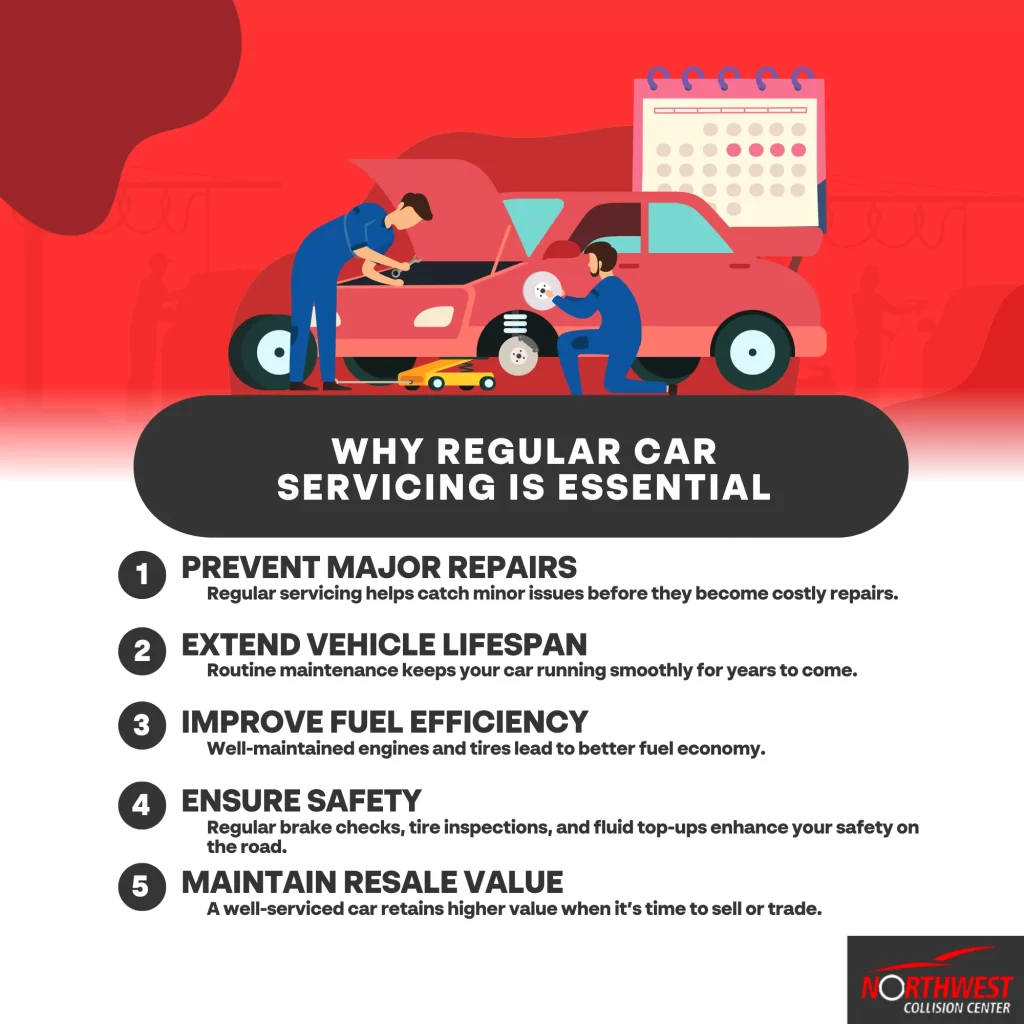
Think of car servicing as a regular health check-up for a critical financial asset. Just as early detection of a health issue can prevent major medical bills, addressing minor automotive issues before they escalate can save thousands. For instance, replacing a worn-out serpentine belt (a relatively inexpensive part) on time prevents it from snapping and potentially damaging the engine, radiator, or power steering pump – repairs that could easily cost ten times as much. Similarly, timely oil changes prevent engine sludge buildup, which can lead to premature engine wear and ultimately, a complete engine replacement, a bill that often rivals the cost of a used car. The small, recurring expense of routine servicing is a powerful hedge against the much larger, unpredictable financial shocks of major component failure. It’s a classic case where a penny saved through prevention is truly many dollars earned by avoiding catastrophic repair.
Optimizing Fuel Efficiency and Operational Costs
Beyond avoiding major repairs, a well-maintained car directly impacts your daily operational costs, most notably through fuel efficiency. A car with properly inflated tires, a clean air filter, correctly gapped spark plugs, and an engine running on fresh oil performs more efficiently. Studies consistently show that neglected maintenance can lead to a significant drop in fuel economy – sometimes as much as 10-20%. Over the lifespan of a vehicle, these percentage points translate into hundreds, if not thousands, of dollars saved at the pump. Furthermore, properly functioning brakes, transmission, and steering components contribute to a smoother, safer drive, reducing wear and tear on other parts and extending their lifespan. This holistic approach to maintenance ensures every component is working optimally, indirectly lowering your overall expenditure on consumables and associated repairs.
Protecting Your Asset: Depreciation and Resale Value
A car is a depreciating asset, but the rate at which it loses value can be significantly influenced by its maintenance history. A well-documented service record, detailing every oil change, tire rotation, and major component replacement, acts as a powerful selling point when it comes time to upgrade or sell. Prospective buyers are willing to pay a premium for a vehicle that clearly demonstrates it has been cared for, as it signifies reliability and fewer immediate post-purchase expenses for them. Conversely, a car with a patchy or non-existent service history raises red flags, often leading to lower offers or difficulty in selling at all. From a financial perspective, regular servicing isn’t just about keeping the car running; it’s about preserving its market value, ensuring you maximize your return when you eventually divest from the asset. This often means offsetting a substantial portion of the original purchase price, making meticulous maintenance a critical component of smart financial planning for car ownership.
Decoding Service Schedules: Manufacturer Recommendations vs. Real-World Driving
Understanding when and what kind of service your car needs is pivotal to both its longevity and your financial planning. While manufacturer guidelines provide a solid baseline, real-world driving conditions often necessitate adjustments.
Standard Intervals: Time, Mileage, and Their Financial Weight
Manufacturers provide service schedules based on two primary factors: mileage and time. Typically, a minor service is recommended every 5,000 to 10,000 miles or every 6-12 months, whichever comes first. Major services usually occur every 30,000, 60,000, or 90,000 miles. These intervals are carefully calculated to ensure critical components are inspected, fluids replaced, and wear items addressed before they fail. Financially, adhering to these standard intervals helps you budget predictably. You know roughly when the next service is due and can anticipate the associated costs. Deviating from these, either by postponing a service or performing it too frequently without cause, can lead to either increased risk of breakdown (and higher repair costs) or unnecessary expenditure, respectively. It’s a delicate balance to strike between proactive care and financially efficient maintenance.
Understanding Different Service Tiers (Minor, Intermediate, Major)
Service schedules are usually tiered to reflect varying levels of inspection and component replacement.
- Minor Service: Often includes an oil and filter change, tire rotation, fluid checks and top-offs, and a general visual inspection. This is the most frequent and least expensive service, crucial for maintaining basic engine health and operational efficiency.
- Intermediate Service: Builds on the minor service, adding checks on brakes, suspension, battery, and possibly air filter or cabin filter replacement. This service begins to address wear-and-tear items that affect safety and broader vehicle performance.
- Major Service: This is the most comprehensive and expensive, often including spark plug replacement, timing belt inspection/replacement, transmission fluid change, differential fluid change, and a thorough inspection of all major systems. These are critical for the long-term health and performance of the vehicle, preventing severe component failures.
Financially planning for these tiers means understanding that costs will vary significantly. Allocating a higher budget for major services, which occur less frequently but are more intensive, is a wise financial strategy to avoid being caught off guard.
The Impact of Driving Habits on Your Maintenance Budget
Manufacturer schedules assume “normal” driving conditions. However, many drivers fall into “severe” categories, which demand more frequent servicing. Factors like frequent short trips (engine doesn’t reach optimal temperature), stop-and-go city driving, driving in extreme temperatures, towing heavy loads, or navigating dusty/unpaved roads all accelerate wear and tear. If your driving habits align with any of these “severe” conditions, you might need more frequent oil changes, tire rotations, or brake inspections. This translates directly to your maintenance budget – more frequent servicing means higher annual costs. However, these increased costs are often dwarfed by the potential savings from preventing premature failure of components that would otherwise degrade faster under severe conditions. Recognizing your driving patterns and adjusting your service schedule accordingly is a proactive financial decision, optimizing both your car’s lifespan and your long-term expenditures.
Budgeting for Automotive Health: Strategies and Tools
Treating car maintenance as an integral part of your financial plan, rather than an unexpected expense, is key to sustainable car ownership. Strategic budgeting and leveraging financial tools can make this process seamless and stress-free.
Creating a Dedicated Car Maintenance Fund
One of the most effective strategies is to establish a dedicated savings fund for car maintenance and repairs. Instead of reacting to repair bills, you proactively save for them. A good rule of thumb often cited is to save at least $50-$100 per month specifically for car-related expenses. This accumulates over time, providing a cushion for both routine servicing and unexpected repairs. For instance, a major service might cost $500-$1000, which can be easily absorbed if you’ve saved $50/month for 10-20 months. This fund acts as an emergency buffer, preventing you from dipping into other savings or, worse, accumulating debt when a significant repair is needed. It also allows you to comfortably afford preventative maintenance without feeling a pinch, thereby reinforcing the cycle of long-term savings.
Leveraging Technology: Apps and Spreadsheets for Tracking Expenses
In the digital age, managing car finances is easier than ever. Numerous budgeting apps (e.g., Mint, YNAB, specific car maintenance apps) allow you to categorize and track every dollar spent on your vehicle. From fuel purchases to oil changes and new tires, recording these expenses provides a clear picture of your car’s true cost of ownership. Beyond apps, a simple spreadsheet can be equally effective. Documenting service dates, mileage, what was done, and the cost provides invaluable data. This historical record not only helps you stick to your budget but also serves as a comprehensive service history for potential buyers, further enhancing resale value. Visibility into your spending empowers you to make informed decisions, identify areas for potential savings, and accurately project future maintenance costs.
The Role of Extended Warranties and Service Plans in Financial Planning
While often debated, extended warranties and pre-paid service plans can play a role in certain financial strategies. For those who prefer predictable monthly payments and dislike unexpected large expenses, an extended warranty can act as a form of insurance, covering major mechanical failures after the manufacturer’s warranty expires. It essentially smooths out potential financial spikes. Similarly, pre-paid service plans offered by dealerships allow you to lock in maintenance costs at today’s prices, often at a slight discount, and spread them out over a period. For some, the peace of mind and predictability these offer outweigh the potential for paying for services you might not fully utilize. It’s crucial, however, to meticulously read the fine print, understand exclusions, and compare costs against independent repair shops to determine if the financial trade-off aligns with your personal risk tolerance and budgeting preferences.
The DIY vs. Professional Dilemma: A Cost-Benefit Analysis
When it comes to car servicing, discerning what tasks you can safely tackle yourself versus when to rely on a professional is a crucial financial decision. This balancing act can significantly impact your annual maintenance budget.
Identifying What You Can Safely Tackle (and Save Money On)
For financially savvy car owners, certain routine maintenance tasks present excellent opportunities for DIY savings. Changing your own engine air filter or cabin air filter, topping off washer fluid, checking tire pressure and tread depth, and even changing wiper blades are relatively simple, require minimal tools, and can save you the labor costs charged by mechanics. Learning to perform these tasks not only saves money directly but also gives you a deeper understanding of your vehicle, allowing you to spot potential issues earlier. Many resources, from online tutorials to owner’s manuals, provide clear, step-by-step instructions. However, it’s critical to only undertake tasks you are genuinely comfortable with and confident in performing correctly to avoid inadvertently causing more expensive damage.
When to Trust the Experts: Complex Repairs and Specialized Tools
While DIY is tempting, there’s a clear line where professional expertise becomes not just advisable, but essential. Tasks involving critical safety systems (brakes, steering, suspension), complex engine diagnostics, transmission work, or anything requiring specialized tools and training should always be left to certified mechanics. Attempting these yourself without the proper knowledge or equipment can lead to dangerous malfunctions, void warranties, and ultimately result in far more expensive professional repairs to rectify your mistakes. The cost of a professional service for these complex jobs is an investment in safety, reliability, and the long-term health of your vehicle. It’s also often backed by guarantees, offering peace of mind that a DIY fix cannot.
The Hidden Costs of Poor DIY or Neglected Maintenance
The true cost of poor DIY work or neglected maintenance often extends beyond the immediate repair. A improperly torqued wheel, for instance, could come loose, leading to an accident. An incorrectly installed spark plug could damage the engine block. These scenarios translate into massive financial costs: high repair bills, potential medical expenses, insurance premium increases, and significant depreciation of your vehicle. Even seemingly minor neglect, like delaying an oil change, can lead to accelerated wear on internal engine components, shortening the engine’s lifespan and drastically reducing your car’s resale value. The upfront savings from cutting corners on maintenance or attempting a DIY job beyond your skill level are almost always overshadowed by the substantial financial penalties of subsequent failures. For smart financial planning, understanding these hidden costs underscores the value of timely, professional maintenance.
Beyond the Basics: Long-Term Financial Planning for Your Vehicle
Strategic car ownership involves more than just periodic maintenance; it encompasses a holistic view of the vehicle’s role within your broader financial landscape. Making informed decisions about repairs, replacement, and acquisition models are critical.
Assessing the “Break-Even” Point for Repairs vs. Replacement
Every car eventually reaches a point where the cost of repairs outweighs its value or the cost of replacing it. This “break-even” point is a critical financial consideration. As a car ages, its likelihood of needing expensive repairs increases. Financial advisors often suggest a rule of thumb: if the cost of a repair exceeds 50% of the car’s current market value, or if the annual repair costs exceed the annual cost of a new car payment, it might be time to consider replacing the vehicle. This analysis should factor in the car’s current condition, projected future repairs, and the financial implications of a new car (down payment, loan interest, insurance). A well-maintained car pushes this break-even point further out, allowing you to maximize the utility and financial return on your initial investment before facing the inevitable decision to upgrade.
The Environmental Cost Savings of a Well-Maintained Car
While not a direct personal financial saving in the traditional sense, the environmental benefits of a well-maintained car often translate into indirect financial advantages. A car running at peak efficiency produces fewer emissions, which can be important in areas with emission testing requirements or carbon tax implications. More broadly, extending the life of your vehicle through regular maintenance means fewer new cars are manufactured, reducing the environmental footprint and the associated societal costs that could eventually be passed on to consumers. Furthermore, fuel-efficient vehicles often qualify for certain incentives or discounts, and a car that requires fewer visits to the mechanic also reduces the consumption of parts and resources, representing a more sustainable and ultimately, a more cost-effective approach to mobility.
Strategic Car Ownership: Leasing, Buying, and Maintenance Considerations
The decision to lease or buy a car has significant financial implications for maintenance.
- Leasing: Typically involves lower monthly payments and often includes a factory warranty for the duration of the lease, meaning most major repairs are covered. However, lease agreements usually have strict mileage limits and require the vehicle to be returned in excellent condition, meaning you must still adhere to the service schedule and potentially pay for excessive wear and tear. Financially, this model offers predictable costs but less long-term asset accumulation.
- Buying: Purchasing a car outright or financing it means you own the asset, and all maintenance and repair costs eventually fall to you after the warranty expires. This requires a robust maintenance fund and active financial planning to manage ongoing costs. However, ownership allows you to build equity, offers unlimited mileage, and ultimately provides the flexibility to sell or trade the car when you choose, recouping some of your investment.
Understanding these different models and how maintenance responsibilities and costs factor into each is vital for making a financially sound decision that aligns with your lifestyle, budget, and long-term financial goals.
In conclusion, “how often should you get your car serviced?” is a question that resonates deeply within the realm of personal finance. It’s not merely about keeping your vehicle operational, but about shrewdly protecting a significant investment, mitigating future financial risks, and optimizing your long-term wealth. By embracing proactive maintenance, budgeting wisely, and making informed decisions about repairs and ownership models, car owners can transform their vehicle from a potential financial burden into a reliable, cost-effective asset that serves them well for years to come.
aViewFromTheCave is a participant in the Amazon Services LLC Associates Program, an affiliate advertising program designed to provide a means for sites to earn advertising fees by advertising and linking to Amazon.com. Amazon, the Amazon logo, AmazonSupply, and the AmazonSupply logo are trademarks of Amazon.com, Inc. or its affiliates. As an Amazon Associate we earn affiliate commissions from qualifying purchases.