
Car insurance is a fundamental aspect of vehicle ownership, a legal requirement in most places, and a crucial financial safeguard. Yet, for many, the monthly premium often feels like a mysterious, fluctuating expense. The question “how much for car insurance a month?” doesn’t have a single, universal answer. Instead, it’s a complex equation influenced by a multitude of personal factors, vehicle characteristics, and coverage choices. Understanding these variables is the first step toward demystifying your premium and, more importantly, finding ways to manage it effectively within your personal finance strategy.
This article will delve into the intricate world of car insurance pricing, dissecting the core elements that determine your monthly bill. We’ll explore the averages, provide practical strategies for reducing your costs, and emphasize the long-term financial wisdom of intelligent car insurance management.
The Core Factors Influencing Your Monthly Premium
Car insurance companies are in the business of assessing risk. Every piece of information you provide, from your age to your vehicle’s make, contributes to their calculation of how likely you are to file a claim and how expensive that claim might be. The higher the perceived risk, the higher your monthly premium.
Your Personal Profile
Your individual circumstances play a pivotal role in determining your insurance rate. Insurers analyze a wide array of demographic and historical data points to gauge your risk level.
- Age and Driving Experience: This is perhaps one of the most significant factors. Younger, inexperienced drivers (especially teenagers and those under 25) typically face the highest premiums due to their statistically higher accident rates. As drivers gain experience and mature, their rates generally decrease, assuming a clean driving record. Senior drivers might see a slight increase later in life as reaction times can slow, though many maintain excellent rates.
- Driving Record: Your history behind the wheel is paramount. Accidents, speeding tickets, and serious infractions like DUIs or reckless driving will dramatically increase your premiums, often for several years. A clean driving record, conversely, is a strong indicator of low risk and can lead to significant discounts.
- Location: Where you live and often park your car has a substantial impact. Urban areas with higher traffic density, increased rates of accidents, and higher vehicle theft rates generally incur more expensive premiums than rural or suburban areas. Even within a city, specific zip codes can have varying rates based on local claim statistics.
- Credit Score (in many states): In most states, your credit-based insurance score (which is related to, but distinct from, your regular credit score) is a significant factor. Insurers have found a correlation between higher credit scores and a lower likelihood of filing claims. Individuals with excellent credit scores often pay considerably less for car insurance.
- Marital Status: Married individuals often pay less for car insurance than single, divorced, or widowed individuals. Actuarial data suggests married drivers tend to be more stable and less prone to risky driving behaviors.
- Gender: While less of a factor than in previous decades, and outright prohibited in some states (like California, Hawaii, Massachusetts, Michigan, Montana, North Carolina, and Pennsylvania), some insurers may still consider gender as a minor factor in their risk assessment models.
Your Vehicle’s Characteristics
The car you drive is another major piece of the premium puzzle. Insurers evaluate how expensive your car is to repair, how likely it is to be stolen, and its safety features.
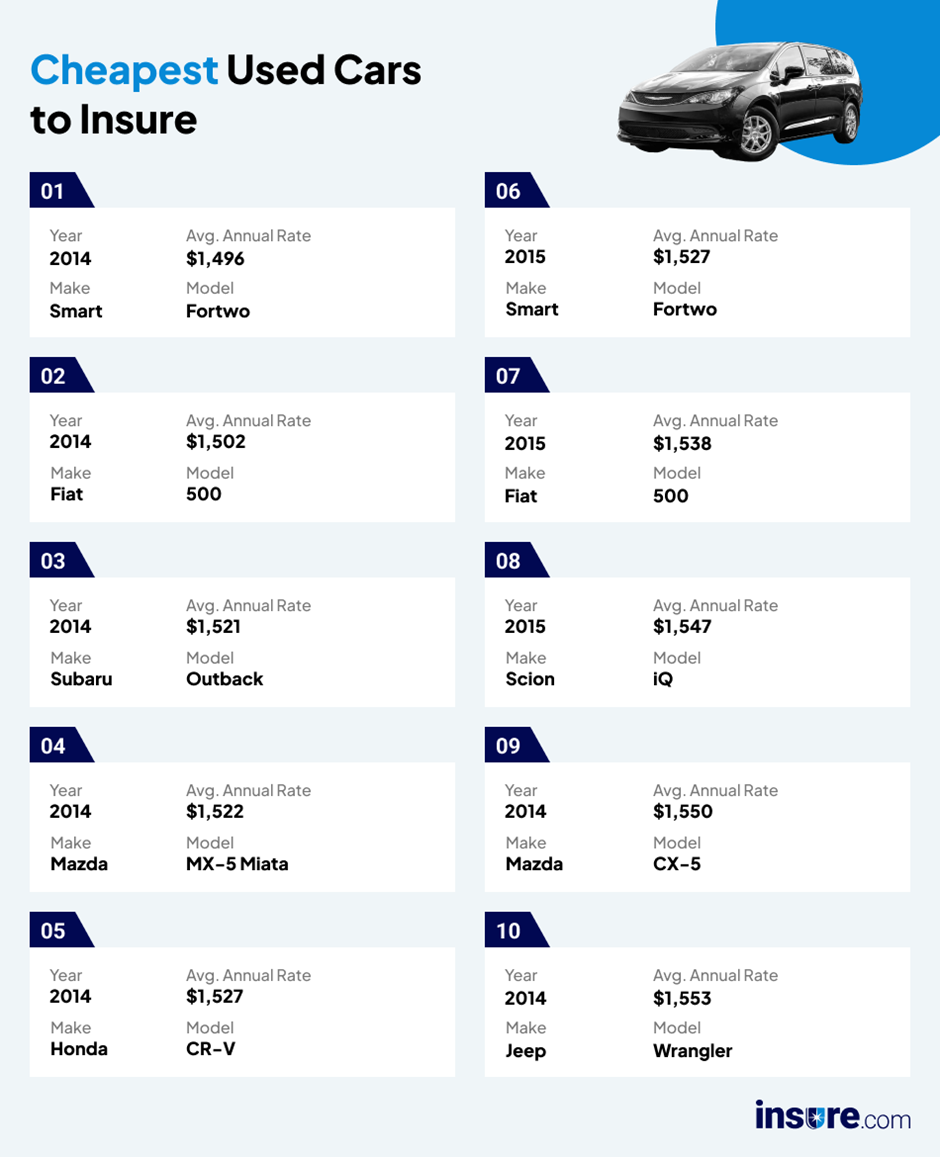
- Make, Model, and Year: Luxury cars, sports cars, and newer, more technologically advanced vehicles generally cost more to insure. This is due to their higher purchase price, more expensive parts, and specialized repair requirements. Conversely, older, more common models that are less costly to repair or replace often have lower premiums.
- Safety Features: Vehicles equipped with advanced safety features like anti-lock brakes, airbags, electronic stability control, lane departure warnings, and automatic emergency braking systems can sometimes qualify for discounts because they reduce the likelihood or severity of accidents.
- Theft Rates: Certain car models are more attractive targets for thieves. If your vehicle model has a high theft rate in your area, your comprehensive coverage premium (which covers theft) will likely be higher.
- Engine Size/Horsepower: High-performance vehicles with powerful engines are often associated with higher speeds and more aggressive driving, leading to increased accident risk and, consequently, higher premiums.
Your Coverage Choices
Beyond your personal data and vehicle, the specific types and amounts of coverage you choose are direct determinants of your monthly payment.
- Type of Coverage:
- Liability Coverage: Mandatory in most states, this covers damages and injuries you cause to others. The limits you choose (e.g., $50,000/$100,000/$25,000) directly impact cost.
- Collision Coverage: Pays for damage to your own vehicle resulting from a collision, regardless of fault. This is optional but often required for leased or financed cars.
- Comprehensive Coverage: Covers damage to your car from non-collision events like theft, vandalism, fire, natural disasters, or hitting an animal. Also optional.
- Uninsured/Underinsured Motorist Coverage (UM/UIM): Protects you if you’re hit by a driver without insurance or insufficient insurance.
- Personal Injury Protection (PIP)/Medical Payments (MedPay): Covers medical expenses for you and your passengers after an accident, regardless of fault. Required in some “no-fault” states.
- Deductibles: This is the amount you pay out-of-pocket before your insurance kicks in for collision and comprehensive claims. Choosing a higher deductible (e.g., $1,000 instead of $500) will lower your monthly premium, but it means you’ll pay more upfront if you file a claim.
- Coverage Limits: The maximum amount your insurer will pay for a covered loss. Higher limits provide more protection but come with a higher premium.
- Add-ons: Optional coverages like roadside assistance, rental car reimbursement, gap insurance (for new cars), or custom parts and equipment coverage will add to your monthly bill.
Understanding Averages and Benchmarks
While your specific premium is highly individualized, understanding national and state averages can provide a general benchmark. It’s crucial to remember that averages can be misleading, as they smooth over the vast differences in individual circumstances.
National and State Averages
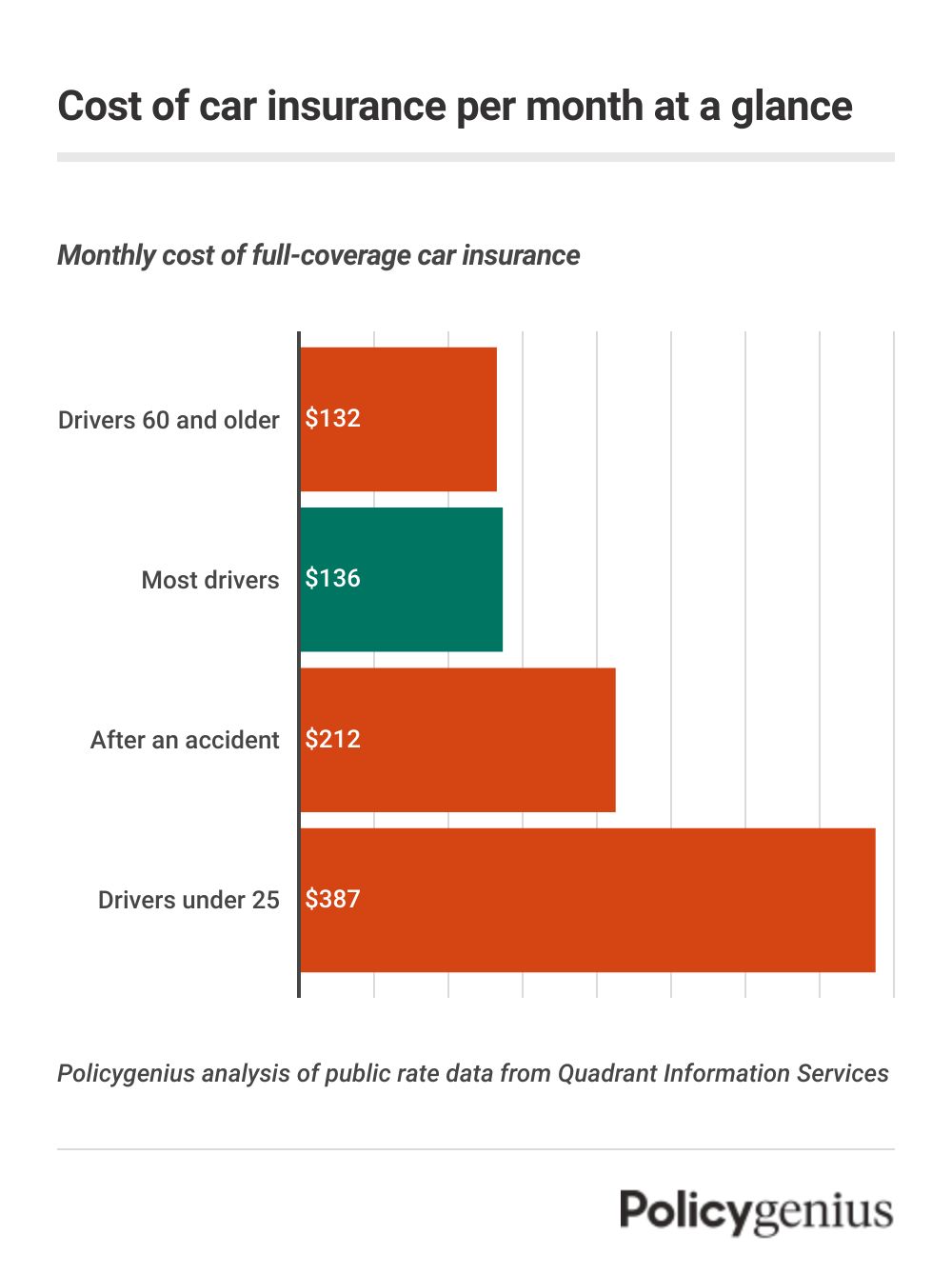
According to various financial and insurance industry reports (like those from Bankrate, NerdWallet, or ValuePenguin), the average full-coverage car insurance premium in the U.S. can range anywhere from $150 to $250 per month, or roughly $1,800 to $3,000 annually. However, this is a very broad spectrum.
- State-by-State Variation: Some states are notoriously more expensive for car insurance due to factors like population density, high rates of uninsured drivers, specific state regulations (e.g., no-fault laws), higher claim frequencies, or even weather risks (e.g., hurricane-prone areas). For example, states like Michigan, Florida, and Louisiana often rank among the most expensive, while states like Maine, Idaho, and Ohio are frequently among the cheapest.
- Minimum Coverage vs. Full Coverage: The average for minimum liability coverage will be significantly lower, potentially ranging from $50 to $100 per month, but this provides far less financial protection.
Breakdown by Driver Demographics
Averages also vary drastically when broken down by demographics:
- Teen Drivers: Can pay upwards of $400-$700+ per month, especially if they are insuring their own car with full coverage.
- Young Adults (20s): Typically see rates around $200-$400 per month, decreasing with age and a clean record.
- Middle-Aged Drivers (30s-50s): Often enjoy the lowest rates, potentially $100-$200 per month, given a good driving history and credit score.
- Seniors: Rates may gradually increase again after a certain age, though many continue to pay excellent premiums.
These figures are illustrative and highlight the importance of obtaining personalized quotes rather than relying solely on averages.
Strategies to Reduce Your Monthly Car Insurance Bill
Optimizing your car insurance costs is a key component of sound personal finance. There are numerous proactive steps you can take to lower your monthly premium without compromising essential protection.
Smart Shopping and Comparison
This is arguably the most impactful strategy for finding a better deal.
- Get Multiple Quotes: Never settle for the first quote you receive. Use online comparison tools, contact multiple direct insurers (like GEICO, Progressive, State Farm, Allstate, etc.), and consider working with an independent insurance agent who can shop around with several carriers for you.
- Re-shop Annually or After Significant Life Events: Your circumstances change, and so does the insurance market. Get new quotes every year or whenever you experience a major life event, such as buying a new car, getting married, moving to a new address, or improving your credit score. Even if your current insurer offers a competitive rate, checking the market ensures you’re not missing out on better deals.
Maximizing Discounts
Insurance companies offer a wide array of discounts that can significantly reduce your premium. Make sure you’re getting all the ones you qualify for.
- Bundling Policies: Many insurers offer discounts (often 10-20%) if you combine your auto insurance with other policies, such as homeowners, renters, or life insurance.
- Good Driver Discounts: Maintaining a clean driving record (no accidents or tickets for a specified period, typically 3-5 years) can earn you a discount.
- Safe Driver Programs (Telematics): Many insurers offer programs where a device (or an app on your smartphone) monitors your driving habits (speed, braking, mileage). If you demonstrate safe driving, you can earn substantial discounts.
- Good Student Discounts: For young drivers, maintaining a certain GPA can qualify them for a discount.
- Anti-Theft Device Discounts: Having factory-installed or aftermarket anti-theft devices (alarms, tracking systems) can reduce comprehensive coverage costs.
- Low Mileage Discounts: If you drive fewer miles than the average person (e.g., you work from home or use public transport), you might qualify for a low-mileage discount.
- Multi-Car Discounts: Insuring multiple vehicles with the same company often results in a discount for each car.
- Professional/Affinity Group Discounts: Some insurers offer discounts to members of certain professions (e.g., teachers, engineers) or alumni associations.
Adjusting Your Coverage
Reviewing and tweaking your coverage can help align your protection with your current needs and budget.
- Reviewing Deductibles: If you have a solid emergency fund, consider increasing your deductibles for collision and comprehensive coverage. While you’ll pay more out-of-pocket if you make a claim, your monthly premium will decrease. Just ensure the higher deductible is an amount you can comfortably afford.
- Dropping Comprehensive/Collision on Older, Low-Value Cars: For vehicles that are more than 10-15 years old and have a low market value, the cost of collision and comprehensive coverage might outweigh the potential payout if the car is totaled. Consider dropping these coverages to save money, provided you can afford to replace the car yourself.
- Re-evaluating Coverage Limits: While it’s crucial to have adequate liability coverage, ensure your limits are appropriate for your assets. You don’t want to be underinsured, but over-insuring beyond what’s financially prudent for your situation might unnecessarily inflate your premium.
Improving Your Profile
Some factors that influence your premium can be improved over time.
- Maintain a Clean Driving Record: This is the most straightforward way to reduce your rates. Drive safely, avoid tickets, and prevent accidents.
- Improve Your Credit Score: If permitted in your state, a higher credit score can translate into lower insurance premiums. Focus on paying bills on time, reducing debt, and monitoring your credit report.
- Choose Your Vehicle Wisely: When purchasing a new car, research its insurance costs before you buy. Some models are inherently more expensive to insure due to their repair costs, theft rates, or performance characteristics.
The Long-Term Financial Perspective
Car insurance is more than just a monthly bill; it’s a critical financial tool that protects your assets and your future. Viewing it from a long-term financial perspective helps underscore its importance.
The Cost of Being Uninsured
Driving without insurance, or with insufficient coverage, carries severe financial and legal risks:
- Legal Penalties: Fines, license suspension, vehicle impoundment, and even jail time in some states.
- Financial Ruin: If you cause an accident and are uninsured, you will be personally liable for all damages, medical bills, and legal fees, which can amount to hundreds of thousands or even millions of dollars, potentially leading to bankruptcy.
- Impact on Future Premiums: If you’re caught driving uninsured or involved in an accident without coverage, obtaining insurance in the future will be significantly more difficult and expensive.
Regular Review and Adaptation
Your car insurance needs are not static. They evolve with your life.
- Life Changes: Getting married, having children, buying a house, changing jobs, moving to a new area, or even retiring can all impact your insurance needs and eligibility for discounts.
- Market Changes: Insurance rates and available discounts can change with market conditions and competitive landscapes. A policy that was competitive last year might not be this year.
- Vehicle Changes: Upgrading to a newer car, selling an old one, or even adding modifications can affect your coverage and premium.
Regularly review your policy (at least once a year) to ensure it still meets your needs and that you’re getting the best possible rate.

Conclusion
The question “how much for car insurance a month?” is a nuanced one, with answers that vary as widely as individual drivers themselves. There’s no single magic number, but rather a dynamic figure shaped by your personal profile, the vehicle you drive, and the specific coverages you select.
By understanding the key factors influencing your premium, actively seeking out discounts, and strategically managing your coverage choices, you can gain greater control over this significant monthly expense. Car insurance is a non-negotiable financial commitment, but with a professional, insightful approach to shopping and managing your policy, you can ensure you’re getting robust protection at the most competitive price, safeguarding both your peace of mind and your personal finances.
aViewFromTheCave is a participant in the Amazon Services LLC Associates Program, an affiliate advertising program designed to provide a means for sites to earn advertising fees by advertising and linking to Amazon.com. Amazon, the Amazon logo, AmazonSupply, and the AmazonSupply logo are trademarks of Amazon.com, Inc. or its affiliates. As an Amazon Associate we earn affiliate commissions from qualifying purchases.