
In the realm of personal finance, auto insurance stands as a dual necessity: a legal obligation for most drivers and a crucial safeguard against the potentially devastating financial fallout of accidents, theft, or damage. Navigating the world of auto insurance quotes can seem daunting, a labyrinth of numbers, coverage types, and jargon. However, approaching this task with a clear strategy and understanding can lead to significant savings and peace of mind. This comprehensive guide aims to demystify the process, empowering you to secure the best possible auto insurance coverage at a price that aligns with your financial goals. Understanding how to effectively shop for and compare quotes isn’t just about saving money today; it’s about making an informed financial decision that protects your assets and future solvency.

Understanding Auto Insurance: More Than Just a Legal Requirement
Before diving into the mechanics of obtaining quotes, it’s fundamental to grasp what auto insurance truly represents. It’s a contract between you and an insurer, where you pay a premium, and in return, the insurer agrees to cover specific financial losses outlined in your policy. This isn’t merely a bureaucratic hoop to jump through; it’s a cornerstone of responsible personal finance, designed to mitigate risk and protect your financial stability.
The Core Purpose of Auto Insurance
At its heart, auto insurance serves to protect you, your passengers, your vehicle, and other drivers and their property from the financial burdens arising from unforeseen events on the road. Without adequate coverage, a single accident could lead to exorbitant out-of-pocket expenses for medical bills, vehicle repairs, legal fees, and potential lawsuits, threatening to derail your financial well-being for years. It shifts the burden of significant, unpredictable costs from your personal balance sheet to the insurance provider, in exchange for predictable, smaller premium payments.
Key Types of Coverage Explained
Understanding the different components of an auto insurance policy is paramount to ensuring you’re comparing apples to apples when evaluating quotes. Each type of coverage addresses a specific financial risk:
- Liability Coverage: This is the most fundamental and often legally mandated coverage. It protects you financially if you are at fault in an accident, covering damages and injuries to other people and their property.
- Bodily Injury Liability: Covers medical expenses, lost wages, and pain and suffering for those injured in an accident you cause.
- Property Damage Liability: Covers repairs or replacement of property (e.g., other vehicles, fences, buildings) damaged in an accident you cause.
- Collision Coverage: This pays for damage to your vehicle resulting from a collision with another car or object, regardless of who is at fault. This is crucial for protecting the asset value of your own car.
- Comprehensive Coverage: Protects your vehicle from damage not caused by a collision. This includes theft, vandalism, fire, natural disasters (hail, floods), and impacts with animals. It’s essential for guarding against a broader spectrum of risks.
- Uninsured/Underinsured Motorist (UM/UIM) Coverage: This protects you if you’re involved in an accident with a driver who either doesn’t have insurance or doesn’t have enough insurance to cover the damages. This is a critical financial safeguard given the prevalence of uninsured drivers.
- Personal Injury Protection (PIP) / Medical Payments (MedPay): These cover medical expenses for you and your passengers, regardless of fault. PIP can also cover lost wages and other services. The availability and requirements for these vary by state (“no-fault” states often require PIP).
- Other Optional Coverages: This might include rental car reimbursement, roadside assistance, gap insurance (which covers the difference between your car’s actual cash value and what you still owe on a loan), and new car replacement coverage. These add layers of financial protection that can be highly valuable depending on your situation.
Factors Influencing Your Premium
The price you pay for auto insurance is not arbitrary. Insurers use complex actuarial models to assess risk, and dozens of factors contribute to your personalized premium. Being aware of these elements can help you understand potential costs and identify areas where you might be able to save:
- Driving Record: This is arguably the most significant factor. Accidents, traffic violations (speeding tickets, DUIs), and claims history directly impact your perceived risk. A clean record often translates to lower premiums.
- Age and Experience: Younger, less experienced drivers typically pay more due to higher statistical accident rates. Rates tend to decrease as drivers mature and gain experience.
- Vehicle Type: The make, model, year, safety features, and even the color of your car can affect premiums. More expensive cars, sports cars, and those with higher theft rates generally cost more to insure. Conversely, vehicles with high safety ratings or anti-theft devices might qualify for discounts.
- Location: Where you live and park your car significantly influences your rates. Urban areas with higher traffic density, theft rates, and vandalism often have higher premiums than rural areas.
- Annual Mileage: The more you drive, the higher your risk of being in an accident. Some insurers offer discounts for low-mileage drivers.
- Credit Score (in most states): Insurers often use a credit-based insurance score (which differs from a standard credit score) to predict the likelihood of future claims. A higher score typically leads to lower premiums. This is a crucial link between overall financial health and insurance costs.
- Deductibles: This is the amount you pay out-of-pocket before your insurance kicks in for a claim. Higher deductibles typically lead to lower premiums, but require you to have more readily available cash in an emergency.
- Marital Status: Married drivers are statistically shown to have fewer accidents and may receive lower rates.
- Gender: In some states, gender can still be a factor, though its influence is diminishing or prohibited in others.
- Occupation and Education: Certain professions or higher education levels might correlate with lower risk profiles and thus qualify for discounts.
Preparing for Your Quote Journey: Gathering Essential Information
The efficiency and accuracy of your auto insurance quote process depend heavily on the completeness and precision of the information you provide. Think of this as preparing a financial dossier for your driving life. Having all necessary details at hand before you start will streamline the experience and prevent frustrating delays or inaccurate estimates.
Personal and Driver Details
You are the primary subject of the insurance policy, so personal information is critical for risk assessment.
- Full Legal Name and Address: This determines your rating territory and helps verify identity.
- Date of Birth: Crucial for age-related risk calculations.
- Driver’s License Number and State: Allows insurers to check your driving record for accidents and violations.
- Marital Status: As noted, this can influence rates.
- Occupation and Education Level: Some insurers offer discounts based on these factors.
- Driving History: Be prepared to disclose any accidents, claims (even if not at fault), or moving violations within the last 3-5 years. Honesty is paramount; insurers will verify this information.
- Current Insurance Provider and Policy Number (if applicable): This allows insurers to check your prior coverage history, which can affect loyalty or lapse-in-coverage discounts.
Vehicle Specifics
The car you drive is another central piece of the puzzle, directly impacting the cost of potential repairs, theft risk, and safety features.
- Make, Model, and Year: Essential for determining the vehicle’s value, repair costs, and safety ratings.
- Vehicle Identification Number (VIN): This unique 17-digit code provides an exact identifier for your car, ensuring accuracy. It can be found on your dashboard (driver’s side, near the windshield), on the driver’s side door jamb, or on your vehicle registration and insurance cards.
- Safety Features: Mention features like airbags, anti-lock brakes (ABS), electronic stability control (ESC), and advanced driver-assistance systems (ADAS) like lane-keeping assist or automatic emergency braking. These can lead to safety discounts.
- Anti-Theft Devices: Alarm systems, immobilizers, and GPS tracking can reduce comprehensive coverage costs.
- Estimated Annual Mileage: A realistic estimate of how many miles you drive per year.
- Primary Use of Vehicle: Commuting, pleasure, business. This also impacts risk.
Desired Coverage Levels and Deductibles
Before getting quotes, have a clear idea of the financial protection you seek.
- Liability Limits: Consider state minimums as a starting point, but often these are insufficient. Financial advisors typically recommend higher limits (e.g., 100/300/100 – $100,000 for bodily injury per person, $300,000 for bodily injury per accident, $100,000 for property damage). Evaluate your net worth and assets; you want enough coverage to protect them in case of a serious accident.
- Deductibles: Decide on a comfortable deductible for collision and comprehensive coverage. Remember, a higher deductible means lower premiums but more out-of-pocket expense if you file a claim. Choose a deductible you can realistically afford to pay without financial strain.
- Optional Coverages: Consider if you need add-ons like rental car reimbursement, roadside assistance, gap insurance, or new car replacement. Weigh the cost against the financial convenience or necessity.
Current Insurance Policy Information (if applicable)
If you already have auto insurance, having your current policy handy is invaluable. It serves as a benchmark for comparison and can provide all the necessary details (VIN, coverage limits, etc.) quickly. It also allows new insurers to verify continuous coverage, which can qualify you for discounts.
Navigating the Quote Landscape: Where and How to Get Quotes
Once you have your financial data file assembled, the next step is to actually solicit quotes. The digital age has vastly simplified this process, offering multiple avenues to compare options efficiently. However, each method has its nuances and advantages.
Direct from Insurance Companies (Online, Phone, Local Agents)
Going directly to individual insurance carriers allows for focused engagement and potentially personalized advice.
- Online Quotes: Most major insurers (e.g., GEICO, Progressive, State Farm, Allstate, Liberty Mutual) offer quick online quote tools. This is often the fastest way to get an initial estimate. You input your information, and their system generates a quote based on their proprietary algorithms.
- Phone Calls: Speaking directly with a company representative can be beneficial for asking specific questions, clarifying coverage options, and potentially uncovering discounts that might not be obvious online. It also allows for more nuanced discussions about your unique financial situation and risk profile.
- Local Agents: Many insurers operate through local, captive agents (e.g., State Farm, Allstate). These agents represent a single company and can provide highly personalized service, in-depth policy explanations, and help you navigate the claims process should an accident occur. They build relationships and understand local market specifics. While they only offer one company’s products, their deep knowledge can be a significant financial asset.

Independent Insurance Agents and Brokers
Independent agents are a valuable resource for comparing policies from multiple carriers simultaneously.
- One-Stop Shopping: Unlike captive agents, independent agents work with several different insurance companies. You provide your information once, and they shop it around to various insurers on your behalf, presenting you with a range of options and helping you compare them side-by-side.
- Expert Advice: These agents are licensed professionals who can offer unbiased advice, explain complex coverage options, and help you identify gaps in your current coverage or potential savings. They act as your advocate, aiming to find the best financial fit for your needs.
- Time-Saving: They save you the time and effort of contacting multiple companies individually, making the financial comparison process much more efficient.
Online Comparison Websites and Aggregators
These platforms have revolutionized the quote process, offering unparalleled convenience for initial price comparisons.
- Pros: Websites like The Zebra, QuoteWizard, or NerdWallet allow you to enter your information once and receive multiple quotes from various insurers almost instantly. This is an excellent way to get a broad overview of the market and quickly identify potential financial savings. They excel at showcasing bottom-line premiums for comparison.
- Cons: While convenient, these sites don’t always include every insurer, and the quotes may not always be perfectly accurate or include all available discounts. Some specialized coverages or unique situations might require a direct conversation with an agent. They prioritize price, so deeper policy details might need further investigation. Think of them as a starting point for your financial due diligence.
Leveraging Technology: Mobile Apps and AI-Powered Tools
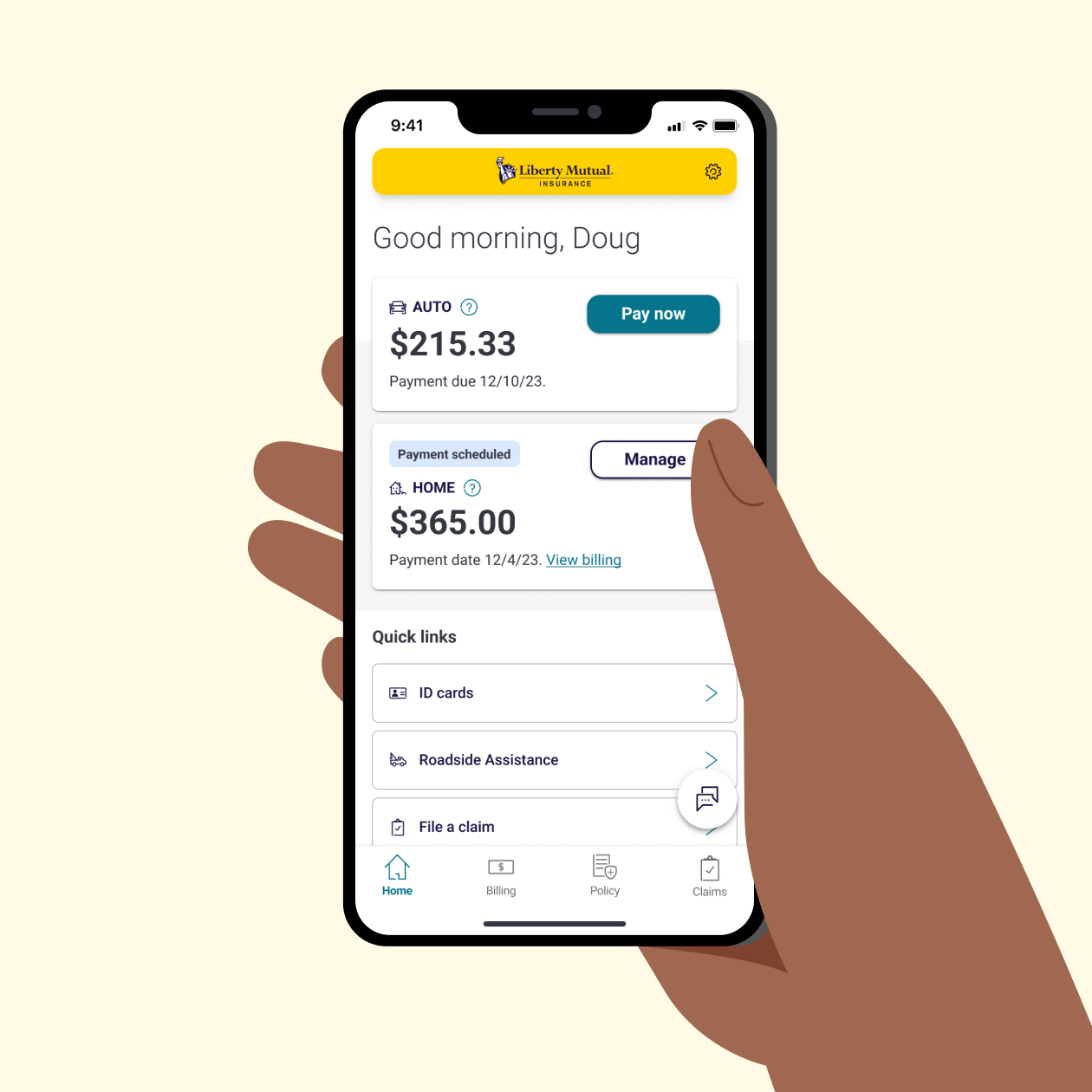
The insurance industry is increasingly adopting technology to enhance the customer experience. Many insurers now offer robust mobile apps that allow you to manage your policy, access ID cards, file claims, and often even get quotes directly from your smartphone. Some newer platforms are experimenting with AI-powered tools to offer highly personalized quotes based on behavioral data (telematics) or to provide instant support, streamlining the financial interaction. While the core “Money” aspect remains, these tools are simply facilitators, making the process of managing your personal finance (specifically insurance) more accessible and efficient.
Decoding and Comparing Quotes: Making an Informed Financial Decision
Obtaining multiple quotes is only the first half of the equation. The real financial wisdom lies in thoroughly analyzing and comparing them, understanding that the lowest premium isn’t always the best value. This requires a discerning eye and a focus on long-term financial security.
Beyond the Bottom Line: What to Look For
Never base your decision solely on the quoted premium. A seemingly cheaper policy might have significant financial drawbacks.
- Coverage Limits: Ensure that each quote offers comparable bodily injury and property damage liability limits. A lower premium might simply mean lower, inadequate coverage, leaving you financially exposed.
- Deductibles: Confirm that the deductibles for collision and comprehensive are consistent across quotes. A quote with a lower premium but a much higher deductible might not be a true saving if you need to file a claim.
- Included Coverages: Check for the presence of crucial coverages like UM/UIM, PIP/MedPay, rental car reimbursement, or roadside assistance. If one quote is missing a coverage you deem essential, adjust your comparison accordingly.
- Exclusions: Be aware of any specific exclusions in the policy that might leave you financially vulnerable.
Understanding Discounts and Savings Opportunities
Discounts are a key lever in reducing your auto insurance costs and maximizing your personal finance efficiency. Always inquire about every possible discount.
- Bundling: Combining your auto and home insurance (or other policies) with the same carrier often leads to significant multi-policy discounts. This is a powerful financial strategy.
- Good Driver/Accident-Free: A clean driving record for a certain number of years usually qualifies for a discount.
- Safe Vehicle: Cars with advanced safety features (anti-lock brakes, airbags, adaptive cruise control) or anti-theft devices often receive discounts.
- Low Mileage: If you don’t drive much, you might qualify for a low-mileage discount. Some insurers offer “pay-per-mile” or telematics programs that track your driving habits for personalized rates.
- Good Student: High school and college students with good grades may receive discounts.
- Professional/Alumni Affiliations: Membership in certain professional organizations, alumni groups, or credit unions can sometimes unlock exclusive rates.
- Paid-in-Full: Paying your annual premium upfront rather than monthly installments can often result in a discount, saving you potential administrative fees or interest.
- Multi-Car: Insuring more than one vehicle with the same company often yields a discount.
Reading the Fine Print: Policy Terms and Conditions
The policy document is a legal contract. It’s imperative to understand its terms, conditions, and any limitations. Pay attention to how claims are handled, cancellation policies, and payment terms. Don’t hesitate to ask your agent to clarify anything you don’t understand. This due diligence protects your financial interests in the long run.
The Importance of Customer Service and Financial Stability
While price is important, the financial reliability and responsiveness of your insurer are equally critical, especially when you need to file a claim.
- Customer Service Reviews: Check online reviews and ratings from independent sources (e.g., J.D. Power, Consumer Reports) regarding claims handling, customer satisfaction, and overall service. A cheap policy is worthless if the company is difficult to deal with during a crisis.
- Financial Strength Ratings: Consult ratings from agencies like A.M. Best, Standard & Poor’s, or Moody’s. These ratings assess an insurer’s financial stability and ability to pay claims. Choosing an insurer with a strong financial backing provides peace of mind that your coverage will be there when you need it most.
Finalizing Your Choice and Future-Proofing Your Policy
Once you’ve diligently compared quotes and selected an insurer, the process isn’t quite over. There are final steps to ensure a smooth transition and ongoing vigilance to maintain optimal coverage and cost efficiency. This continuous financial management is key to long-term savings.
Asking the Right Questions Before Committing
Before signing on the dotted line, ask your chosen agent or representative any lingering questions.
- Are there any other discounts I qualify for? Reiterate any unique aspects of your situation.
- What are the exact payment options and associated fees?
- How does the claims process work, and what is the typical timeline?
- What is the policy for cancellations or changes?
- Can you explain any confusing terms or clauses in the policy?
Ensure complete clarity on all financial and policy aspects.
Setting Up Your New Policy and Payment Options
Once satisfied, you’ll formalize the agreement.
- Effective Date: Confirm the start date of your new policy, ensuring there are no gaps in coverage, especially if you’re switching insurers. A lapse in coverage can lead to higher rates or even legal penalties.
- Payment Plan: Choose a payment schedule that aligns with your personal finance budget (monthly, quarterly, semi-annually, or annually). Remember, paying annually often comes with a discount.
- Documentation: Ensure you receive all policy documents, insurance cards, and proof of insurance promptly.
Regularly Reviewing and Adjusting Your Coverage
Auto insurance isn’t a “set it and forget it” financial product. Your needs and the market change.
- Annual Review: Make it a habit to review your policy at least once a year, or whenever it’s up for renewal. This is the ideal time to shop around for new quotes again.
- Life Events: Re-evaluate your coverage after significant life changes:
- New Car Purchase: Adjust coverage to protect your new asset.
- Marriage/Divorce: Changes to household drivers and assets.
- New Driver in Household: Adding a teen driver will significantly impact rates.
- Moving: Relocating to a new zip code or state can alter premiums.
- Paying Off a Car Loan: You might be able to drop collision and comprehensive coverage if the car’s value no longer justifies the premium (though consider replacement cost if totaled).
- Improved Credit Score: Ask your insurer if an improved credit score could lower your rates.
- Market Changes: The insurance market is dynamic. Rates can change due to industry trends, local accident rates, and inflation. Regular shopping ensures you’re always getting a competitive financial deal.
What to Do If Your Rates Increase
If your renewal premium increases unexpectedly, don’t just accept it.
- Contact Your Current Insurer: Ask for an explanation. Inquire about any new discounts you might be eligible for or ways to adjust your policy (e.g., increasing deductibles) to lower the premium.
- Shop Around Again: Use the opportunity to get fresh quotes from other carriers. Your loyalty might not always be rewarded, and a new insurer might offer a better financial package.
By approaching the process of getting auto insurance quotes with diligence, understanding, and a focus on long-term financial strategy, you can secure robust protection for your vehicle and your assets without overpaying. It’s a key step in prudent personal financial management, ensuring peace of mind on the open road.
aViewFromTheCave is a participant in the Amazon Services LLC Associates Program, an affiliate advertising program designed to provide a means for sites to earn advertising fees by advertising and linking to Amazon.com. Amazon, the Amazon logo, AmazonSupply, and the AmazonSupply logo are trademarks of Amazon.com, Inc. or its affiliates. As an Amazon Associate we earn affiliate commissions from qualifying purchases.