
The term “carbon footprint” has become a pervasive part of modern discourse, often evoking images of melting glaciers, smog-filled cities, and abstract environmental statistics. However, beneath the ecological concerns lies a profound financial reality that impacts individuals, businesses, and global economies alike. Understanding “what is your carbon footprint” is not just about measuring environmental impact; it’s about dissecting a complex web of financial decisions, expenditures, investments, and future economic risks and opportunities. For anyone navigating the landscape of personal finance, business strategy, or investment portfolios, a carbon footprint isn’t merely an external cost; it’s an internal financial metric that demands attention.

Understanding Your Carbon Footprint: More Than Just Emissions, It’s an Expense
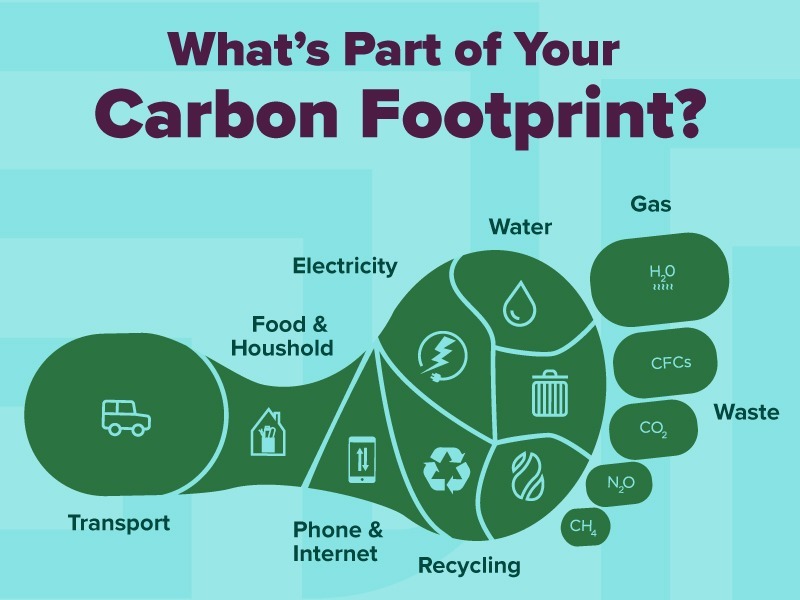
At its core, a carbon footprint represents the total amount of greenhouse gases (GHGs) – primarily carbon dioxide – released into the atmosphere by a particular individual, organization, event, or product. Yet, when viewed through a financial lens, every emission has an associated cost, whether direct or indirect, immediate or long-term. Recognizing this connection transforms the abstract concept of environmental impact into a tangible financial concern.
The Hidden Costs of a High Footprint: Direct and Indirect Financial Burdens
Many expenses that contribute to a high carbon footprint are visible and recurring. Consider your monthly energy bills, fuel costs for transportation, or the price tags on consumer goods manufactured through energy-intensive processes. These are direct financial burdens. However, there are also significant indirect and hidden costs. For individuals, this might include the future financial strain of climate-related disasters (e.g., increased insurance premiums, property damage, health costs), or the eventual obsolescence of high-emission assets like gasoline-powered vehicles. For businesses, a high operational carbon footprint can lead to increased regulatory fines, carbon taxes (already prevalent in many jurisdictions), reduced investor confidence, and a diminishing market share as consumers increasingly favour sustainable alternatives. The financial risk associated with climate change is no longer speculative; it’s being priced into markets, insurance policies, and investment decisions globally.
Where Your Money Goes: Linking Consumption to Emissions and Expenditure
Every dollar spent is, in essence, a vote for a particular production method, a specific supply chain, and an associated level of emissions. From the food on our plates to the clothes in our closets, the services we use, and the homes we inhabit, our consumption patterns are inextricably linked to our carbon footprint. A diet rich in red meat, for example, typically carries a higher carbon footprint (and often higher grocery bills) than a plant-based one due to the resources required for livestock farming. Frequent international air travel, while offering personal enrichment, incurs substantial carbon costs (and ticket prices). Living in an energy-inefficient home means higher utility bills and a larger environmental footprint. By itemizing where your money goes, you can begin to identify the primary drivers of your personal carbon footprint and, critically, uncover opportunities for financial savings through more sustainable choices. This granular analysis transforms environmental awareness into actionable personal finance management.
The Personal Impact: Energy Bills, Waste, and Lifestyle Choices
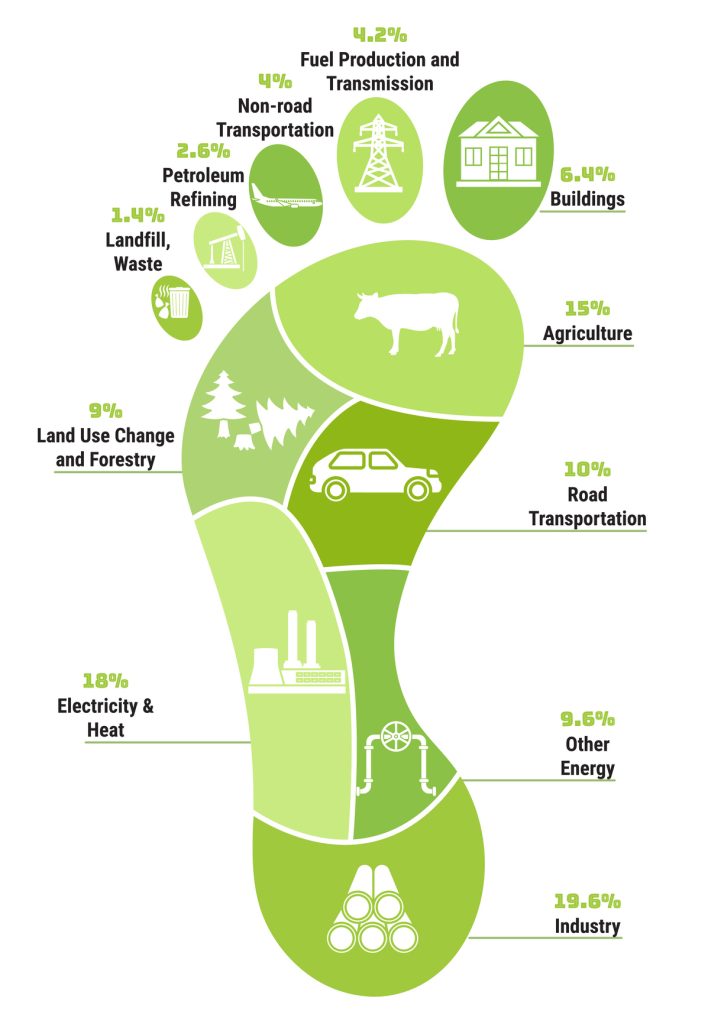
For the average household, energy consumption (electricity, heating, cooling) and transportation are often the largest contributors to their carbon footprint. These areas also represent significant recurring expenses. Investing in energy-efficient appliances, sealing drafts, insulating homes, or opting for public transport, cycling, or electric vehicles can lead to substantial long-term financial savings while simultaneously reducing one’s environmental impact. Similarly, reducing waste – from food waste that costs money to purchase and dispose of, to single-use plastics that contribute to environmental degradation and potential future clean-up costs – directly translates to financial benefits. Your lifestyle choices, therefore, are not just ethical statements; they are financial strategies. Embracing frugality, conscious consumption, and a circular economy mindset can lead to a healthier bank balance and a lighter environmental touch.
Investing in a Lower Footprint: Financial Returns and ESG Principles
Beyond managing daily expenditures, the realm of investment offers a powerful avenue to align financial goals with carbon reduction. Sustainable investing, often encapsulated by Environmental, Social, and Governance (ESG) principles, is rapidly moving from a niche strategy to a mainstream financial imperative.
Sustainable Investing: Aligning Values with Portfolio Performance
Sustainable investing is not merely about “doing good”; it’s increasingly recognized as a robust strategy for “doing well.” Companies with strong ESG performance often exhibit better risk management, greater operational efficiency, and enhanced resilience in the face of environmental and social challenges. This can translate into superior long-term financial returns and reduced volatility for investors. Fund managers and financial advisors are increasingly integrating ESG factors into their analyses, recognizing that a company’s carbon footprint and its efforts to mitigate it are material financial risks and opportunities. For individuals, allocating a portion of their investment portfolio to ESG-screened funds or companies demonstrates a commitment to a lower carbon future while seeking competitive financial growth.
Green Investments: From Renewable Energy to Eco-Friendly Companies
Directly investing in green technologies and companies is another powerful way to link financial capital with carbon footprint reduction. This includes investments in renewable energy infrastructure (solar, wind, geothermal), clean transportation solutions (electric vehicle manufacturers, charging networks), sustainable agriculture, water management, and companies innovating in areas like carbon capture or sustainable materials. These sectors are often supported by government incentives, evolving regulatory frameworks, and growing consumer demand, positioning them for significant growth. By investing in these areas, individuals and institutions are not only contributing to the transition to a low-carbon economy but also potentially tapping into the next wave of economic expansion.
Divestment Strategies: Avoiding Financially Risky, High-Emission Sectors
Conversely, a key aspect of carbon-conscious investing involves divesting from sectors that contribute heavily to greenhouse gas emissions and face significant transition risks. The fossil fuel industry, for example, faces increasing regulatory pressure, technological disruption (e.g., cheaper renewables), and declining social license. Assets in these sectors risk becoming “stranded assets” – investments that lose value or become liabilities before the end of their anticipated economic life due to changes associated with the transition to a low-carbon economy. By moving capital away from these high-carbon industries, investors can reduce their exposure to future financial risks and actively accelerate the shift towards more sustainable economic models. This isn’t just an ethical choice; it’s a strategic financial decision to mitigate portfolio risk.
Business Finance and Carbon Accountability: Risk, Opportunity, and Reporting
For businesses, understanding and managing their carbon footprint is no longer just a corporate social responsibility initiative; it’s a critical component of financial planning, risk management, and competitive strategy. Shareholders, lenders, and regulators are increasingly demanding transparency and accountability.
Operational Efficiency and Cost Savings Through Decarbonization
Reducing a company’s carbon footprint often goes hand-in-hand with improving operational efficiency and reducing costs. Investing in energy-efficient machinery, optimizing supply chains, minimizing waste, and transitioning to renewable energy sources for operations can lead to significant savings on energy bills, raw materials, and waste disposal fees. For example, a manufacturing plant that implements lean production principles to reduce material waste simultaneously lowers its carbon footprint and saves money on input costs. These operational improvements enhance profitability and financial resilience, making decarbonization a strategic business decision rather than a mere compliance exercise.
Supply Chain Finance and Sustainable Procurement
A substantial portion of a company’s total carbon footprint often resides within its supply chain – from the extraction of raw materials to the manufacturing processes of its suppliers. Businesses are increasingly recognizing the need to integrate sustainability metrics into their supply chain finance and procurement strategies. This involves working with suppliers to reduce their emissions, incentivizing greener practices, and selecting vendors based on their environmental performance in addition to cost and quality. Sustainable procurement can reduce supply chain risks, enhance brand reputation, and even unlock new financial instruments like green bonds or sustainability-linked loans, which offer better terms to companies meeting specific ESG targets.
The Growing Importance of ESG Reporting for Investors and Stakeholders
The financial community now widely recognizes that a company’s environmental performance directly impacts its long-term financial viability. Consequently, there is an escalating demand for robust ESG reporting. Investors use this data to assess risks (e.g., climate change impacts, regulatory fines) and opportunities (e.g., innovation in green products). Lenders consider it for creditworthiness. Stakeholders, including employees and customers, increasingly choose to engage with companies demonstrating strong sustainability credentials. Accurate and transparent reporting on a company’s carbon footprint, mitigation efforts, and progress towards decarbonization targets is becoming a financial necessity, influencing access to capital, valuation, and competitive positioning.
Financial Tools and Strategies for Carbon Reduction
Fortunately, a growing array of financial tools and strategies are available to help individuals and businesses measure, manage, and reduce their carbon footprints.
Budgeting for Sustainability: Making Eco-Friendly Choices Affordable
Integrating sustainability into personal budgeting involves consciously allocating funds towards choices that have a lower environmental impact. This could mean budgeting for energy-efficient upgrades, setting aside funds for a down payment on an electric vehicle, or prioritizing locally sourced, seasonal produce. Furthermore, mindful consumption – buying less, buying durable, and repairing rather than replacing – directly impacts both the carbon footprint and personal savings. Financial planning can also include allocating a portion of income to offsetting unavoidable emissions or donating to reputable climate action initiatives.
Financial Apps and Calculators for Tracking Carbon-Related Spending
Just as there are apps for tracking expenses, investments, and savings goals, a new generation of financial apps is emerging that helps users understand the carbon impact of their spending. These tools can analyze bank statements, categorize purchases by their associated carbon footprint, and suggest more sustainable alternatives. They translate abstract carbon metrics into relatable financial impacts, empowering users to make informed decisions that benefit both their wallet and the planet. These digital tools make the connection between money and carbon tangible and actionable.
Government Incentives and Rebates for Green Investments
Many governments worldwide offer financial incentives, rebates, tax credits, and grants for individuals and businesses investing in low-carbon technologies and practices. This includes subsidies for solar panel installation, tax breaks for purchasing electric vehicles, energy efficiency upgrade programs, and grants for businesses developing green innovations. Staying informed about these incentives can significantly reduce the upfront financial burden of transitioning to a lower carbon footprint, making sustainable choices more economically attractive.
The Future of Finance: Carbon-Conscious Decisions for Economic Prosperity
The concept of a carbon footprint, when viewed through a financial lens, reveals not a burden but a blueprint for future economic prosperity. The transition to a low-carbon economy is not just an environmental necessity; it is a profound economic restructuring that will generate new industries, jobs, and investment opportunities.
Long-Term Financial Planning in a Climate-Changing World
For individuals, long-term financial planning must increasingly account for the realities of climate change. This includes assessing the climate resilience of assets (e.g., property in flood-prone areas), planning for potential shifts in energy costs, and strategically positioning investments for a sustainable future. Understanding one’s carbon footprint becomes a cornerstone of building a resilient and future-proof financial plan.
The Economic Benefits of a Transition to a Low-Carbon Economy
Economies that embrace decarbonization are poised to reap significant benefits. Innovation in clean technologies drives economic growth, creates new export markets, and enhances national energy security. Businesses that proactively reduce their carbon footprint gain a competitive edge, attract top talent, and secure better access to capital. For global financial markets, directing capital towards sustainable solutions mitigates systemic risk and fosters long-term stability and growth.
In conclusion, “what is your carbon footprint” transcends simple environmental accounting. It is a critical financial inquiry that informs personal spending, investment strategies, business operations, and the future trajectory of global economies. By understanding the financial costs and opportunities associated with our carbon footprint, we can make more informed, responsible, and ultimately, more prosperous decisions for ourselves, our businesses, and the planet.
aViewFromTheCave is a participant in the Amazon Services LLC Associates Program, an affiliate advertising program designed to provide a means for sites to earn advertising fees by advertising and linking to Amazon.com. Amazon, the Amazon logo, AmazonSupply, and the AmazonSupply logo are trademarks of Amazon.com, Inc. or its affiliates. As an Amazon Associate we earn affiliate commissions from qualifying purchases.