
The concept of a “working wage” is far more nuanced and vital than a simple number on a paycheck. It underpins individual financial stability, shapes economic landscapes, and influences the very fabric of society. Far from being a static figure, the working wage is a dynamic benchmark, reflecting a complex interplay of economic realities, policy decisions, and personal circumstances. In an era marked by rapid technological advancement, shifting economic paradigms, and persistent inflation, understanding what truly constitutes a working wage has become paramount for individuals, businesses, and policymakers alike. This exploration delves into the various interpretations of the working wage, the factors that define it, its profound impact, and the strategies for achieving a wage that not only covers necessities but also fosters financial growth and security.

Defining the Working Wage: Beyond the Basics
At its core, the working wage refers to the income an individual earns from employment. However, its true significance lies in its ability to provide for a decent standard of living. This benchmark is not universal; what is considered a sufficient working wage can vary dramatically based on location, family size, and individual aspirations. To truly grasp its meaning, we must distinguish between several critical interpretations.
The Statutory Minimum Wage: A Legal Floor
The minimum wage is the lowest hourly, daily, or monthly remuneration that employers may legally pay to employees. Established by law, it serves as a baseline to protect workers from exploitation and to ensure a minimal standard of living. While universally adopted in many countries, the efficacy and adequacy of the minimum wage are subjects of ongoing debate. Critics often argue that it frequently falls short of covering basic living expenses, particularly in high-cost-of-living areas, rendering it more of a poverty wage than a living wage. Its primary function is to set a legal floor, preventing wages from plummeting below a certain level, rather than to guarantee a comfortable existence. For businesses, it represents a mandatory cost of labor, influencing operational budgets and pricing strategies. For workers, it is often a starting point, a safety net that, for many, is regrettably the only wage they receive.
The Living Wage: A Standard for Basic Needs
More aspirational and often higher than the statutory minimum, the living wage is calculated as the minimum income necessary for a worker to meet their basic needs. These needs typically include housing, food, transportation, healthcare, childcare, and other essentials, without relying on public assistance. Unlike the minimum wage, which is a legal mandate, the living wage is a conceptual and often voluntarily adopted standard, promoted by advocacy groups and some progressive employers. It aims to reflect the true cost of living in a specific geographic area, allowing individuals and families to afford a modest but decent lifestyle. The calculation of a living wage is inherently complex, factoring in local expenses and family composition, making it a powerful tool for policy discussions and corporate social responsibility initiatives. Achieving a living wage is often seen as a critical step towards financial dignity and reducing in-work poverty.
The Thriving Wage: A Path to Financial Security and Growth
Beyond merely covering basic needs, the concept of a thriving wage introduces the idea of an income that allows individuals not just to survive, but to flourish. A thriving wage enables workers to meet their basic needs, save for the future, invest in personal and professional development, participate in their communities, and pursue leisure activities. It provides a buffer against unforeseen emergencies and offers a pathway to long-term financial security, asset accumulation, and upward mobility. This level of income moves beyond mere subsistence, empowering individuals to make choices that enhance their quality of life, contribute more robustly to the economy, and break cycles of intergenerational poverty. For a society, widespread access to thriving wages signals economic health, fosters innovation, and strengthens the middle class. While perhaps the most ambitious standard, the thriving wage represents the ultimate goal for individual financial well-being and societal prosperity.
Multifaceted Factors Shaping Your Working Wage
The determination of an individual’s working wage is not arbitrary but rather the result of a complex interplay of various economic, industry-specific, geographic, and legislative forces. Understanding these factors is crucial for both employees seeking to enhance their earning potential and employers striving to implement fair and sustainable compensation structures.
Economic Indicators and Market Forces
Broader economic conditions play a significant role in shaping wage levels. During periods of economic growth, low unemployment rates can create a tighter labor market, empowering workers to demand higher wages as competition for talent intensifies. Conversely, economic downturns and high unemployment often lead to stagnant wages or even reductions, as employers face less pressure to attract and retain staff. Inflation, the rate at which prices for goods and services increase, also critically impacts the real value of a working wage. If wages do not keep pace with inflation, purchasing power diminishes, effectively reducing the actual value of earnings. Market forces within specific industries also matter; high-demand skills or sectors experiencing rapid expansion typically offer higher compensation to attract the necessary talent.
Industry, Role, and Skill Demands
The industry an individual works in, their specific role, and the unique skills they possess are direct determinants of their working wage. High-value industries such as technology, finance, and specialized healthcare often command higher average wages due to the complexity, demand, and profitability associated with their operations. Within these industries, roles requiring advanced education, specialized certifications, critical thinking, problem-solving abilities, or leadership responsibilities are generally compensated more generously. The principle of supply and demand for particular skills is powerful: if a skill is rare and highly sought after (e.g., advanced AI programming, cybersecurity expertise), its market value—and thus the wage for those possessing it—will be significantly higher. Continuous learning and upskilling are therefore vital strategies for individuals aiming to increase their earning potential.
Geographic Disparities and Cost of Living
Where an individual lives and works has a profound impact on what constitutes a working wage. Major metropolitan areas and economic hubs typically offer higher nominal wages to attract talent, but these higher earnings are often offset by a significantly higher cost of living, particularly for housing, transportation, and services. A wage that might be considered thriving in a rural area could barely cover basic needs in a bustling city. This geographic disparity creates complex challenges, as workers may earn more on paper but experience a lower quality of life due to disproportionately high expenses. This factor also influences business decisions, as companies weigh labor costs against access to talent pools and market proximity. Understanding local cost-of-living indices is essential for assessing the true value of any given working wage.
Legislative Frameworks and Union Influence
Government policies and legislative frameworks, such as minimum wage laws, overtime regulations, and anti-discrimination statutes, establish the legal boundaries and protections for wages. These regulations can significantly influence the baseline for compensation across various sectors. Additionally, the presence and strength of labor unions can play a crucial role. Collective bargaining allows workers to negotiate for higher wages, better benefits, and improved working conditions than they might achieve individually. Unions often advocate for fair wage increases that keep pace with productivity gains and inflation, aiming to secure a more equitable distribution of profits between labor and capital. The historical impact of unions on establishing standards like the 40-hour work week and employer-provided benefits underscores their ongoing relevance in shaping the working wage landscape.
The Profound Impact of Wage Levels on Individuals and Society
The working wage is more than just a personal income; it serves as a critical determinant of individual well-being, economic stability, and social equity. Its levels reverberate through households, communities, and national economies, shaping opportunities and influencing life trajectories.
Personal Financial Health and Well-being
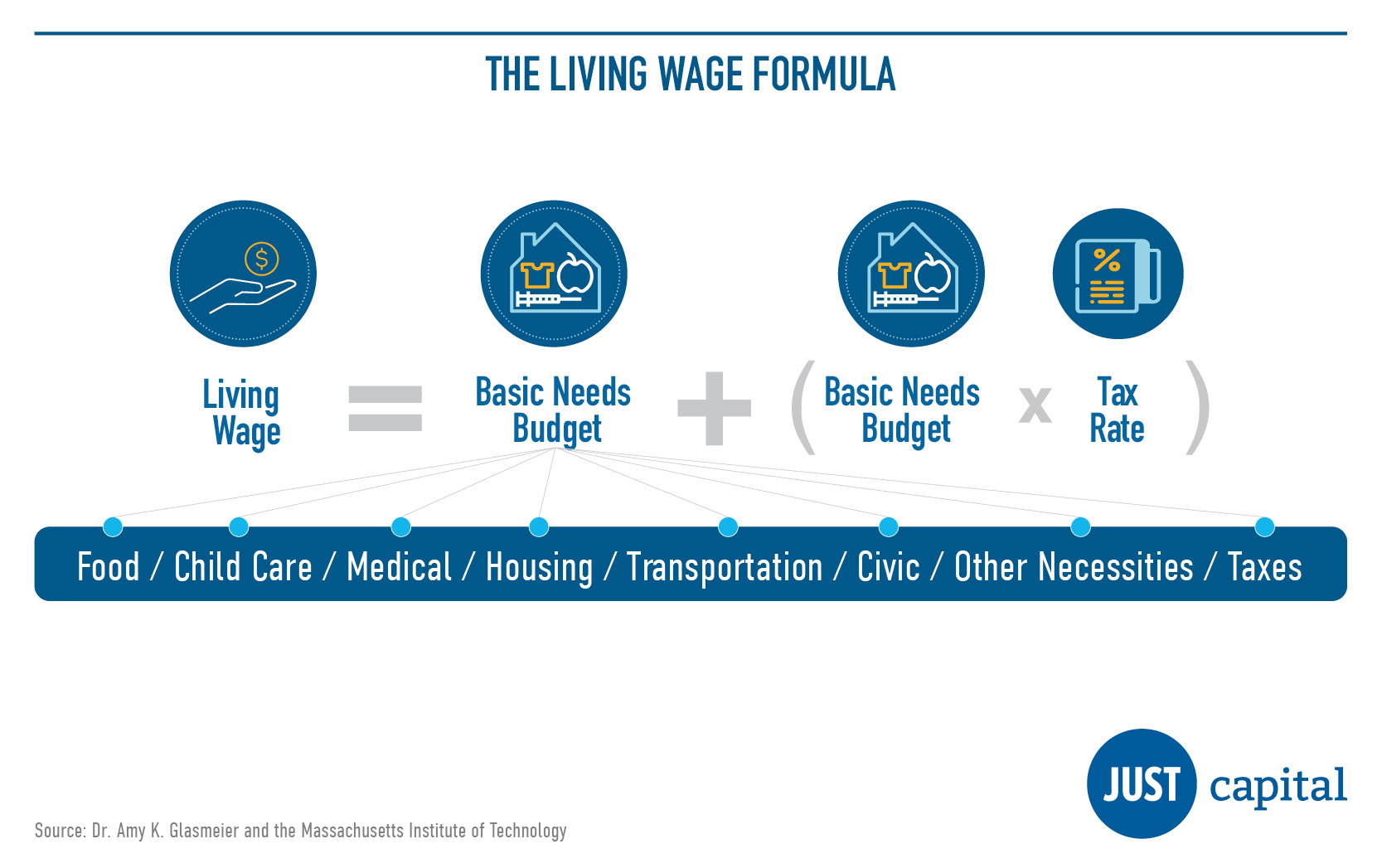
For individuals and families, the working wage is the primary determinant of their financial health. A wage that is insufficient to cover basic expenses leads to constant financial stress, forcing difficult choices between necessities like food, housing, or healthcare. This precarity can contribute to poor physical and mental health outcomes, limit access to education and advancement, and trap individuals in cycles of debt. Conversely, a living or thriving wage provides stability, allowing for sound financial planning, saving for emergencies, investing in future goals like education or retirement, and pursuing a better quality of life. It fosters a sense of security and dignity, enabling individuals to participate more fully in society and improve their overall well-being.
Economic Stimulus and Poverty Reduction
From a broader economic perspective, adequate working wages are a powerful engine for growth. When workers earn enough to cover their needs and have discretionary income, they spend more, boosting consumer demand for goods and services. This increased spending stimulates local businesses, encourages investment, and creates more jobs, leading to a virtuous cycle of economic activity. Moreover, fair wages are a direct and effective tool for poverty reduction. By ensuring that full-time employment can lift individuals out of poverty, society reduces its reliance on public assistance programs, frees up taxpayer resources, and strengthens the overall economic base. It shifts the burden from social welfare to sustainable employment, creating more self-reliant communities.
Social Equity and Mobility
Wage levels also have profound implications for social equity and mobility. Disparities in wages often exacerbate existing inequalities based on race, gender, or other demographic factors, perpetuating systemic disadvantages. When certain groups are consistently paid less for comparable work, it widens the wealth gap and limits opportunities for intergenerational advancement. Conversely, promoting fair and equitable wages can be a potent force for reducing social stratification. It can provide pathways for individuals from disadvantaged backgrounds to climb the economic ladder, invest in their children’s futures, and break cycles of poverty. A society with a strong middle class, supported by widely available living and thriving wages, is typically more stable, innovative, and cohesive, fostering a greater sense of shared prosperity and opportunity.
Strategies for Assessing and Enhancing Your Earning Potential
Understanding what constitutes a working wage is only the first step; actively pursuing a wage that meets or exceeds your needs requires strategic planning and proactive effort. Individuals have various tools and approaches at their disposal to assess their current standing and improve their earning potential.
Personal Financial Assessment: Understanding Your Needs
Before you can effectively advocate for a better wage, you need to understand your own financial landscape. This begins with a comprehensive personal financial assessment. Track all your income and expenses to determine your true cost of living. Categorize your spending, identify areas where you can save, and calculate how much income you actually need to cover your basic necessities (your personal living wage) and your desired lifestyle (your personal thriving wage). Consider your current and future financial goals—saving for a down payment, retirement, education, or a significant purchase. This clear picture of your financial needs will provide a solid foundation for evaluating job offers, negotiating salary increases, and making informed career decisions. Financial planning tools, budgeting apps, and even simple spreadsheets can be invaluable in this process.
Skill Development and Career Advancement
In today’s dynamic job market, continuous learning and skill development are perhaps the most potent levers for increasing your working wage. Identify skills that are in high demand within your industry or a desired industry. This could involve acquiring new technical proficiencies (e.g., coding, data analytics, digital marketing), soft skills (e.g., leadership, communication, project management), or specialized certifications. Investing in education, whether through formal degrees, online courses, workshops, or apprenticeships, can significantly boost your market value. Actively seek opportunities for career advancement within your current role or company, demonstrating initiative, taking on more responsibility, and proving your worth. A strong track record of continuous improvement and demonstrable value will strengthen your position when seeking promotions or higher compensation.
Effective Negotiation and Advocacy
Many individuals underestimate their power to negotiate their working wage. Whether you’re starting a new job, receiving a promotion, or simply seeking a raise, effective negotiation is key. Research average salaries for your role, industry, and geographic location using resources like Glassdoor, LinkedIn, and salary survey sites. Understand your value to the organization and be prepared to articulate your accomplishments and contributions. Practice your negotiation skills, focusing on clear communication, confidence, and a willingness to compromise while standing firm on your core requirements. If you are part of a union, leverage the power of collective bargaining; engage with your union representatives to understand how they can advocate for better wages and benefits on your behalf. Don’t shy away from asking for what you believe you’re worth.
Leveraging Financial Tools and Resources
A variety of financial tools and resources can support your quest for a better working wage and help manage the wages you earn effectively. Utilize online salary calculators and cost-of-living indices to compare your wage against regional standards. Explore government programs or non-profit organizations that offer financial literacy education or career counseling. For managing your current earnings, consider high-yield savings accounts, retirement planning tools (like 401(k)s or IRAs), and investment platforms. These tools, within the Money niche, can help you make the most of your income, build wealth, and work towards a thriving financial future, even if your current wage is still a work in progress. Smart financial management amplifies the impact of every dollar earned.
The Evolving Landscape of Work and Wages
The concept and reality of the working wage are not static; they are continually reshaped by global trends, technological advancements, and shifting societal values. Understanding these dynamics is essential for individuals to prepare for the future of work and for policymakers to ensure equitable economic outcomes.
Automation, AI, and the Future of Labor
The accelerating pace of automation and artificial intelligence (AI) is poised to fundamentally transform the labor market, with significant implications for the working wage. While some jobs may be augmented or eliminated, new roles requiring different skill sets are also emerging. The demand for human skills that AI cannot easily replicate—such as creativity, critical thinking, emotional intelligence, and complex problem-solving—is expected to grow. This shift could lead to a bifurcation of the labor market, with high wages for those with in-demand skills and potential wage stagnation or decline for those in roles susceptible to automation. Individuals must strategically invest in future-proof skills, embracing lifelong learning to remain competitive and ensure their working wage remains relevant and robust in an increasingly automated world.
The Gig Economy and Flexible Work Arrangements
The rise of the gig economy, characterized by temporary, flexible jobs often facilitated by online platforms, presents both opportunities and challenges for the working wage. For some, it offers unprecedented flexibility and supplementary income streams (side hustles). For others, particularly those reliant solely on gig work, it can mean unpredictable income, lack of benefits, and an absence of traditional labor protections, often resulting in a working wage that falls below living standards. Policymakers are grappling with how to regulate this evolving sector to ensure fair compensation, benefits, and social safety nets for gig workers. As more individuals choose or are forced into flexible work arrangements, the definition and calculation of a “working wage” must adapt to encompass non-traditional employment structures, focusing on total compensation and benefits rather than just hourly rates.
Policy Debates and the Quest for Fair Wages
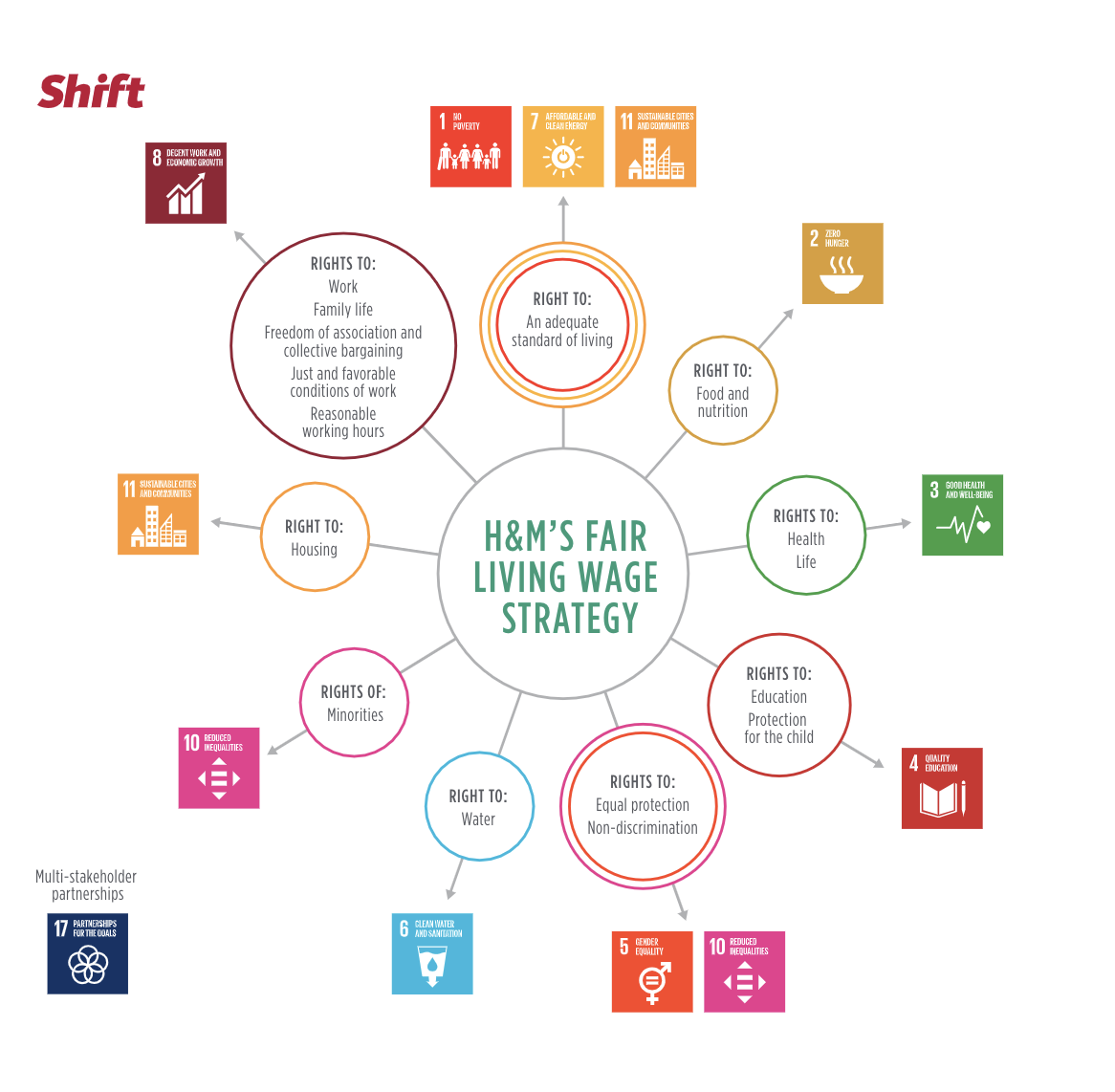
Discussions surrounding the working wage are at the forefront of policy debates globally. Governments are constantly evaluating the appropriate level for minimum wages, considering factors like inflation, productivity growth, and the cost of living. There’s also growing attention on wage transparency, gender pay equity, and policies designed to close the wage gap. Concepts like universal basic income (UBI) are being explored as potential responses to automation and wage stagnation, aiming to provide a safety net regardless of employment status. The quest for fair wages also encompasses discussions about corporate responsibility, advocating for businesses to adopt living wage standards voluntarily. These ongoing debates underscore a collective recognition that the working wage is a fundamental pillar of economic justice and societal well-being, demanding continuous re-evaluation and adaptation to meet the challenges of the modern era.
In conclusion, “what is the working wage” is a question with no single, simple answer. It is a multifaceted concept that shifts based on context, influencing individual lives and the broader economy in profound ways. By understanding its various definitions, the forces that shape it, its widespread impact, and the strategies available for improvement, individuals can better navigate their financial journeys, and societies can strive towards a future where work genuinely provides a pathway to security, prosperity, and dignity for all.
aViewFromTheCave is a participant in the Amazon Services LLC Associates Program, an affiliate advertising program designed to provide a means for sites to earn advertising fees by advertising and linking to Amazon.com. Amazon, the Amazon logo, AmazonSupply, and the AmazonSupply logo are trademarks of Amazon.com, Inc. or its affiliates. As an Amazon Associate we earn affiliate commissions from qualifying purchases.