
In an increasingly data-driven world, the quest to understand and manage our health has transformed significantly. Gone are the days of one-size-fits-all dietary advice; today, personal well-being is heavily influenced by technology that allows for unprecedented levels of customization and precision. Central to this revolution is the ability to accurately determine “what is the required calorie intake per day”—a question that, while seemingly simple, involves a complex interplay of individual factors, now largely deciphered and managed with the aid of sophisticated digital tools.
The journey to optimal health often begins with a fundamental understanding of energy balance: the relationship between the calories we consume and the calories we expend. Historically, this has been a nebulous concept, relying on generic charts and broad guidelines. However, modern technology has ushered in an era where personalized nutrition, driven by data from wearables, smart applications, and advanced algorithms, makes it possible for individuals to pinpoint their exact caloric requirements with remarkable accuracy. This article delves into how technology is not just assisting but redefining our approach to daily calorie management, transforming it from an abstract concept into an actionable, data-backed strategy for health and wellness. From calculating basal metabolic rates to tracking every bite and step, technological innovation is making personalized calorie management more accessible, precise, and effective than ever before.
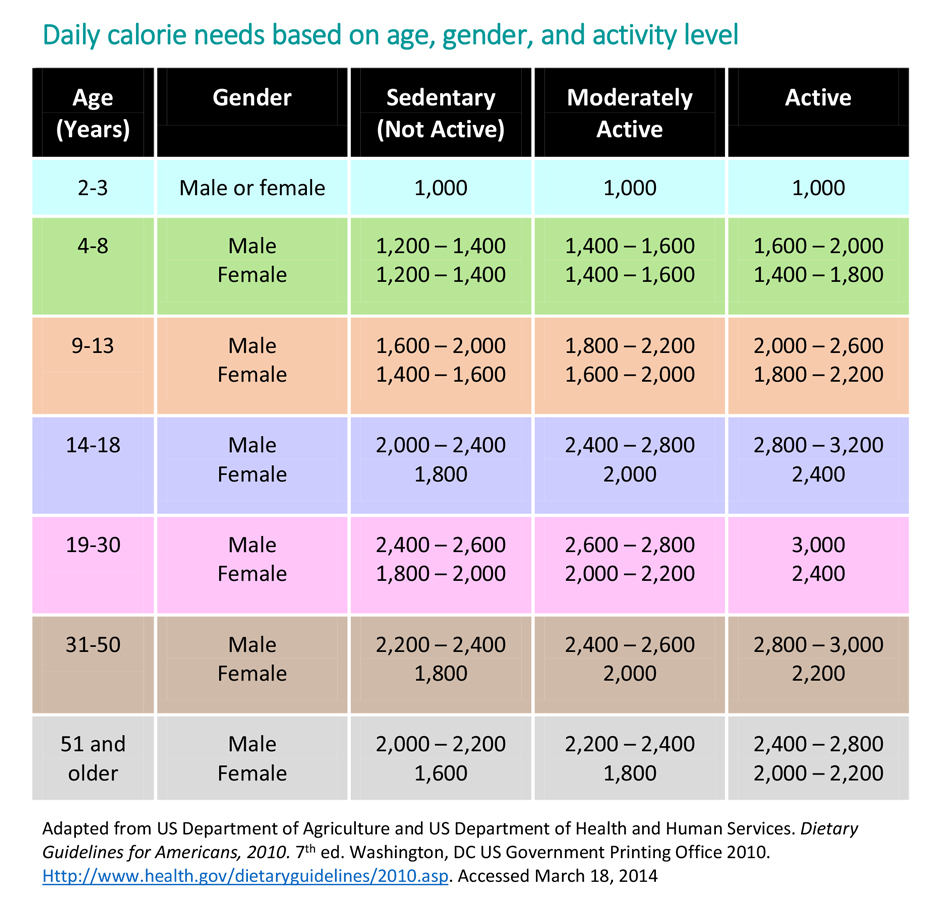
Understanding Caloric Needs Through Digital Tools
The foundation of personalized calorie management lies in understanding an individual’s unique energy requirements. While the basic principle of “calories in, calories out” remains constant, the precise numbers vary wildly from person to person. Technology has stepped in to demystify this process, offering powerful tools that go beyond generic averages to provide highly individualized estimations.
The Science of Calories: Basal Metabolic Rate (BMR) and Total Daily Energy Expenditure (TDEE) Explained
At the heart of calorie calculation are two key metrics: Basal Metabolic Rate (BMR) and Total Daily Energy Expenditure (TDEE). BMR represents the number of calories your body needs to perform basic, life-sustaining functions at rest, such as breathing, circulation, and cell production. It’s influenced by factors like age, gender, weight, height, and genetics. TDEE, on the other hand, is your BMR plus the calories burned through physical activity and the thermic effect of food (the energy required to digest and absorb nutrients).
Traditionally, calculating these figures involved complex formulas or visits to specialized clinics. Today, digital tools have automated and simplified this process. These tools often integrate well-established scientific formulas, such as the Mifflin-St Jeor equation or the Harris-Benedict equation, to provide immediate estimations based on user-inputted data. The precision of these calculations has been significantly enhanced by the computational power of modern software, allowing for more nuanced estimations that consider more variables.
Online Calculators and AI-Driven Assessments: How Websites and AI Determine Individual Needs
The internet is replete with online BMR and TDEE calculators that allow users to input their personal details and receive an instant estimate of their caloric needs. These tools serve as an excellent starting point, providing a quick and easy way to gauge one’s baseline. However, the true revolution comes with the integration of Artificial Intelligence (AI) and machine learning.
AI-driven platforms take basic calculations a step further. Instead of just static formulas, these systems can learn from vast datasets, recognize patterns, and make more adaptive recommendations. Some advanced platforms integrate user-provided health data, dietary preferences, and even genetic information to create highly customized caloric profiles. They can project how changes in activity levels, stress, or sleep might impact energy expenditure, offering dynamic adjustments to daily calorie targets. This level of intelligent assessment moves beyond simple arithmetic, providing insights that adapt to a user’s evolving lifestyle and physiological state, guiding them towards a more precise understanding of their required calorie intake.
Tracking Intake and Expenditure: The Rise of Wearables and Apps
Understanding one’s caloric needs is only half the battle; the other half is accurately tracking what goes in and what is expended. This is where the symbiotic relationship between wearable technology and nutrition logging applications truly shines, providing real-time data and actionable insights that were previously unimaginable.
Smart Devices and Activity Trackers: Monitoring Energy Burn in Real-Time
Wearable technology has revolutionized how we monitor physical activity and, by extension, calorie expenditure. Smartwatches, fitness bands, and other sensors now provide a continuous stream of data on everything from steps taken and distance covered to heart rate, sleep patterns, and even estimated calorie burn during various activities. Devices from companies like Apple, Fitbit, Garmin, and Whoop leverage sophisticated algorithms that combine biometric data with activity metrics to provide increasingly accurate estimates of an individual’s daily energy expenditure.
These devices often connect seamlessly with smartphone applications, presenting data in intuitive dashboards that allow users to see their activity levels throughout the day, identify trends, and understand how different types of exercise contribute to their overall calorie burn. For individuals aiming to achieve specific health goals, such as weight loss or muscle gain, this real-time feedback is invaluable. It empowers them to adjust their activity levels proactively to meet their daily energy balance targets, making the “calories out” side of the equation tangible and manageable.
Nutrition Logging Apps: Simplifying Food Diary Management and Nutrient Tracking
On the “calories in” side, nutrition logging apps have transformed the laborious process of food journaling into an efficient and insightful daily habit. Platforms like MyFitnessPal, Cronometer, Lose It!, and MyPlate feature extensive databases of foods, complete with detailed nutritional information. Users can quickly log meals by searching for specific items, scanning barcodes, or even entering custom recipes.
These apps go beyond just calorie counting; they break down macronutrients (protein, carbs, fats) and often micronutrients (vitamins, minerals), providing a comprehensive overview of dietary intake. Many offer a “quick add” function for common items, AI-powered food recognition through photos, and the ability to integrate with restaurant menus, simplifying the tracking process further. By visualizing their food intake against their personalized caloric and nutrient goals, users gain an unprecedented understanding of their eating habits and can make informed adjustments, ensuring they meet their required calorie intake while maintaining a balanced diet.
AI-Powered Food Recognition and Meal Planning: Next-Gen Solutions for Diet Management
The evolution of nutrition tracking is moving towards even greater automation and intelligence. AI-powered food recognition technologies are emerging, allowing users to simply take a photo of their meal, and the app will attempt to identify the food items and estimate portion sizes and nutritional content. While still in development, this technology promises to drastically reduce the friction associated with manual logging.
Beyond mere tracking, AI is also driving personalized meal planning. By analyzing a user’s dietary preferences, allergies, health goals, and even available ingredients, AI algorithms can generate customized meal plans that adhere to specific caloric and macronutrient targets. These systems can adapt in real-time, suggesting alternative meals if certain ingredients are unavailable or if the user’s activity levels change. This integration of tracking and planning into intelligent, adaptive systems marks a significant leap forward in empowering individuals to consistently meet their required calorie intake with minimal effort and maximum precision.
Personalization and Precision: AI’s Role in Tailored Nutrition
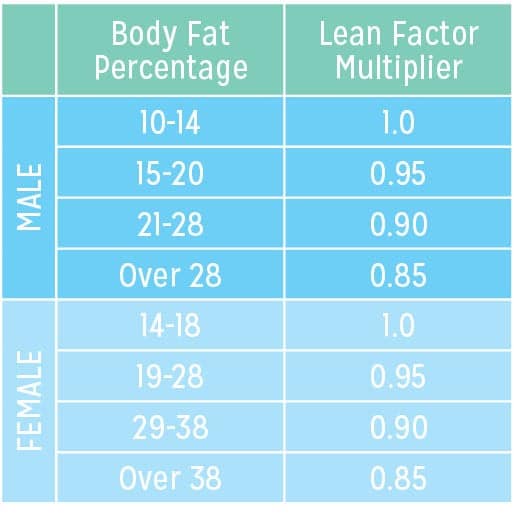
The true potential of technology in managing calorie intake lies in its ability to offer unparalleled personalization. AI, in particular, is proving to be a game-changer, moving beyond generic recommendations to provide dynamic, hyper-customized nutritional guidance based on an individual’s evolving needs and data.
Predictive Analytics for Dietary Adjustments: How AI Learns from User Data
AI’s strength lies in its capacity for learning and prediction. By continuously analyzing a user’s logged food intake, activity levels, weight changes, and other health metrics over time, AI algorithms can identify patterns and predict future outcomes. For instance, if a user consistently struggles to meet their protein goal despite aiming for a certain calorie target, the AI can suggest specific protein-rich meal options that fit within their remaining caloric budget.
More sophisticated systems use predictive analytics to anticipate how dietary changes might impact progress towards a weight goal. If a user is consistently consuming more calories than expended, the AI can flag this trend early and recommend proactive adjustments to intake or activity, rather than waiting for observable changes in body weight. This iterative learning process allows the system to fine-tune recommendations, ensuring that the prescribed daily calorie intake is not just theoretically optimal but practically effective for the individual.
Virtual Nutrition Coaches and Personalized Recommendations: Getting Bespoke Advice
The concept of a virtual nutrition coach, powered by AI, is becoming a reality. These digital coaches can mimic the guidance of a human expert, offering personalized advice, motivation, and adjustments to dietary plans based on real-time data. Unlike static meal plans, an AI coach can adapt to a user’s lifestyle changes, travel, stress levels, or even cravings, offering flexible solutions that keep them aligned with their caloric goals.
These systems can suggest recipes, recommend specific food brands, and even provide insights into the glycemic index or anti-inflammatory properties of certain foods, all tailored to the individual’s unique health profile and preferences. The goal is to provide bespoke advice that makes maintaining the required calorie intake not just a scientific endeavor but a practical and sustainable lifestyle choice.
The Integration of Biometric Data: Combining DNA, Gut Microbiome, and Activity
The cutting edge of personalized nutrition involves integrating an even broader spectrum of biometric data. Companies are now offering services that analyze an individual’s DNA to understand genetic predispositions related to metabolism, nutrient absorption, and food sensitivities. This genetic blueprint can inform a highly customized calorie intake recommendation, optimizing for genetic strengths and mitigating weaknesses.
Furthermore, research into the gut microbiome is revealing its profound impact on digestion, metabolism, and overall health. Future AI-driven nutrition platforms are likely to integrate data from gut microbiome analysis, allowing for dietary recommendations that foster a healthy gut flora, which in turn can influence how efficiently calories are extracted from food and utilized by the body. By combining genetic data, microbiome insights, and real-time activity and intake tracking, AI can create an almost hyper-personalized caloric strategy, moving beyond generic recommendations to truly individual-specific insights for optimal health.
The Future of Calorie Management: Emerging Tech Trends
The evolution of technology in managing daily calorie intake is far from over. New innovations are continuously emerging, promising even greater convenience, precision, and integration into our daily lives, making the pursuit of personalized nutrition more seamless and effective.
Smart Kitchen Appliances and IoT Integration: Automated Tracking and Preparation
Imagine a kitchen where your appliances communicate with your nutrition app. This future is rapidly approaching with the integration of the Internet of Things (IoT). Smart scales can automatically log the weight of food, sending data directly to your tracking app. Smart ovens and refrigerators could potentially identify food items, track inventory, and even suggest recipes that align with your daily caloric and nutrient goals.
For example, a smart blender could prepare a smoothie based on a recipe tailored by your AI nutrition coach, automatically weighing ingredients and logging the nutritional content. This level of automation will significantly reduce the manual effort currently required for tracking, making adherence to a precise calorie intake much easier and more intuitive. The kitchen itself becomes an active participant in your health journey, intelligently assisting with preparation and tracking.
Gamification and Community Platforms: Engaging Users in Their Health Journey
Motivation and adherence are critical challenges in any health regimen. Technology is addressing this through gamification and community features. Nutrition apps are increasingly incorporating elements like streaks, badges, points, and leaderboards to make calorie tracking more engaging and rewarding. Users can compete with friends, join challenges, and celebrate milestones, fostering a sense of achievement and encouraging consistent engagement.
Community platforms within these apps allow users to share recipes, exchange tips, and offer mutual support. This social aspect leverages the power of collective motivation, transforming what can sometimes be a solitary effort into a shared journey. By making calorie management fun and social, technology helps users stay committed to their required intake targets over the long term.
Ethical Considerations and Data Privacy: Addressing the Challenges
As technology becomes more integrated into our personal health, ethical considerations and data privacy become paramount. The collection of highly sensitive personal data—including diet, activity, biometrics, and even genetic information—raises significant questions about who owns this data, how it is secured, and how it is used. Users must be confident that their personal health information is protected and used ethically.
Developers and regulators face the challenge of establishing robust data security protocols and transparent privacy policies. Ensuring informed consent, providing clear opt-out options, and adhering to strict data governance standards will be crucial for maintaining trust and facilitating the widespread adoption of these advanced health technologies. Balancing the immense benefits of personalized nutrition technology with the imperative of protecting individual privacy will be a defining challenge for the future.
Conclusion
The question “what is the required calorie intake per day” has evolved from a matter of general dietary advice to a precise, personalized science, largely thanks to the rapid advancements in technology. From sophisticated online calculators and AI-driven assessments to the omnipresent tracking power of wearables and intuitive nutrition logging apps, technology has democratized access to highly individualized health management. It empowers individuals to understand their unique metabolic needs, accurately monitor their energy balance, and adapt their dietary and activity patterns with unprecedented precision.
As we look ahead, the integration of AI with even more advanced biometric data, the rise of smart kitchen ecosystems, and the power of gamified community engagement promise to make personalized calorie management even more seamless and effective. While challenges surrounding data privacy and ethical considerations must be diligently addressed, the trajectory is clear: technology is not just assisting but fundamentally transforming our relationship with food and our bodies. It provides the tools necessary for each individual to embark on a truly informed and effective journey towards optimal health, ensuring that understanding and meeting one’s required calorie intake is no longer a guessing game, but a data-driven path to well-being.
aViewFromTheCave is a participant in the Amazon Services LLC Associates Program, an affiliate advertising program designed to provide a means for sites to earn advertising fees by advertising and linking to Amazon.com. Amazon, the Amazon logo, AmazonSupply, and the AmazonSupply logo are trademarks of Amazon.com, Inc. or its affiliates. As an Amazon Associate we earn affiliate commissions from qualifying purchases.