
Inflation, a concept as old as currency itself, has re-emerged as a dominant force in global economics, profoundly impacting everything from household budgets to corporate balance sheets. After decades of relatively subdued price increases, the question “what is inflation now?” carries a new urgency, reflecting a complex confluence of post-pandemic disruptions, geopolitical tensions, and shifting economic policies. Understanding the current nature of inflation is no longer an academic exercise but a critical imperative for individuals managing their finances and businesses charting their future.
Inflation, in its simplest terms, is the rate at which the general level of prices for goods and services is rising, and consequently, the purchasing power of currency is falling. While a moderate level of inflation is often considered a sign of a healthy, growing economy, the recent surge has pushed it beyond comfortable thresholds, creating economic instability and uncertainty. This article delves into the current landscape of inflation, exploring its drivers, its multifaceted impacts on personal and business finance, and strategies for navigating this challenging economic environment.

Understanding the Fundamentals of Modern Inflation
To grasp “what is inflation now,” we must first revisit its foundational principles, understanding how it’s defined, measured, and the various forms it can take in a contemporary economy.
Defining Inflation in Modern Economics
In today’s interconnected global economy, inflation is a persistent, substantial rise in the average price level of goods and services over time. It’s not merely an increase in the price of a single item but a broad-based upward trend across the economy. Economists distinguish between headline inflation, which includes volatile items like food and energy, and core inflation, which excludes them to provide a clearer picture of underlying price trends. The focus on “now” implies a dynamic state, influenced by immediate past events and current global conditions, rather than just long-term averages.
How Inflation is Measured: Key Economic Indicators
Accurately measuring inflation is crucial for policymakers, businesses, and consumers. Several key economic indicators are employed globally, each offering a slightly different lens on price changes:
- Consumer Price Index (CPI): This is perhaps the most widely recognized measure, tracking the average change over time in the prices paid by urban consumers for a market basket of consumer goods and services. The “basket” includes categories like food, housing, transportation, medical care, and education. CPI provides a snapshot of what households pay for daily necessities.
- Producer Price Index (PPI): The PPI measures the average change over time in the selling prices received by domestic producers for their output. It essentially tracks inflation from the producer’s perspective, reflecting costs incurred at various stages of production. Changes in PPI often foreshadow future changes in CPI, as producers pass on higher costs to consumers.
- Personal Consumption Expenditures (PCE) Price Index: This is the preferred inflation measure for the U.S. Federal Reserve. The PCE index measures the prices of goods and services purchased by consumers. Unlike CPI, PCE’s “basket” of goods and services is updated more frequently, making it more responsive to shifts in consumer spending patterns. It also accounts for changes in the composition of spending, providing a broader view of consumer inflation.
Each of these measures, when observed “now,” tells a story about the intensity and breadth of inflationary pressures in the economy.
The Different Types of Inflation at Play Today
While often presented as a singular phenomenon, inflation manifests in various forms, often simultaneously contributing to the overall price level. The current environment showcases a blend of these types:
- Demand-Pull Inflation: This occurs when aggregate demand in an economy outpaces aggregate supply. Too much money chasing too few goods. Post-pandemic, pent-up consumer demand, coupled with fiscal stimulus, significantly contributed to demand-pull pressures.
- Cost-Push Inflation: This arises from increases in the cost of production, such as higher wages, raw material prices, or energy costs. These higher costs are then passed on to consumers in the form of higher prices. Supply chain disruptions, rising energy prices due to geopolitical events, and wage growth in tight labor markets are prime examples of current cost-push factors.
- Built-In (or Wage-Price Spiral) Inflation: This type of inflation is often a consequence of past inflation. Workers demand higher wages to maintain their purchasing power, and businesses respond by raising prices to cover increased labor costs, creating a continuous cycle. This “inflationary psychology” can be particularly challenging to break once it takes root.
Understanding these different mechanisms helps to dissect the multifaceted nature of “what is inflation now” and appreciate the complexity of the economic challenges policymakers face.
The Current Economic Landscape: Drivers of Today’s Inflation
The inflationary environment we face “now” is not a singular event but the culmination of several powerful economic forces converging over the past few years. Identifying these drivers is key to comprehending the persistence and breadth of current price increases.
Post-Pandemic Supply Chain Disruptions
The COVID-19 pandemic triggered unprecedented disruptions to global supply chains. Lockdowns, factory closures, labor shortages, and logistical bottlenecks (e.g., shipping container shortages, port congestion) severely restricted the availability of goods at a time when consumer demand, particularly for durable goods, surged. This imbalance between constrained supply and robust demand directly fueled cost-push and demand-pull inflation, causing prices for everything from electronics to automobiles to skyrocket. Even “now,” while improving, residual inefficiencies and vulnerabilities in global logistics continue to exert upward pressure on prices.
Geopolitical Factors and Commodity Prices
Recent geopolitical events, most notably the conflict in Ukraine, have profoundly impacted global commodity markets. Russia and Ukraine are significant producers of oil, natural gas, wheat, and other agricultural products. The conflict and subsequent sanctions have led to dramatic spikes in energy prices, food prices, and the cost of critical industrial metals. These commodity price increases ripple through the entire economy, raising production costs for businesses across various sectors and directly impacting household expenses through higher fuel and grocery bills. This external shock has been a major contributor to the “cost-push” component of current inflation.
Fiscal and Monetary Policy Impacts
Government responses to the pandemic, involving massive fiscal stimulus packages (e.g., direct payments, unemployment benefits) and ultra-loose monetary policy (e.g., near-zero interest rates, quantitative easing by central banks), injected vast amounts of liquidity into the global economy. While necessary to prevent a deeper economic collapse, these policies significantly boosted aggregate demand. The combination of abundant money supply, low borrowing costs, and increased purchasing power created fertile ground for demand-pull inflation, particularly once economies reopened and consumers began spending. Central banks are “now” reversing these policies, aggressively raising interest rates to curb inflation, but the lagged effects of past stimulus are still being felt.
Labor Market Dynamics and Wage Growth
The pandemic also reshaped labor markets, leading to significant shifts in worker preferences, labor shortages in certain sectors, and increased bargaining power for employees. This tight labor market has driven robust wage growth in many parts of the world as businesses compete for talent. While higher wages are beneficial for workers, if productivity does not rise commensurately, businesses may pass these increased labor costs onto consumers through higher prices, contributing to a “wage-price spiral” – a form of built-in inflation. The dynamics of employment, participation rates, and wage demands are critical factors influencing the trajectory of inflation “now.”
The Impact of Inflation on Personal Finance
For individuals, the abstract concept of inflation quickly translates into tangible challenges to their financial well-being. “What is inflation now?” means directly confronting how rising prices erode savings, affect debt, and reshape investment strategies.
Erosion of Purchasing Power and Savings
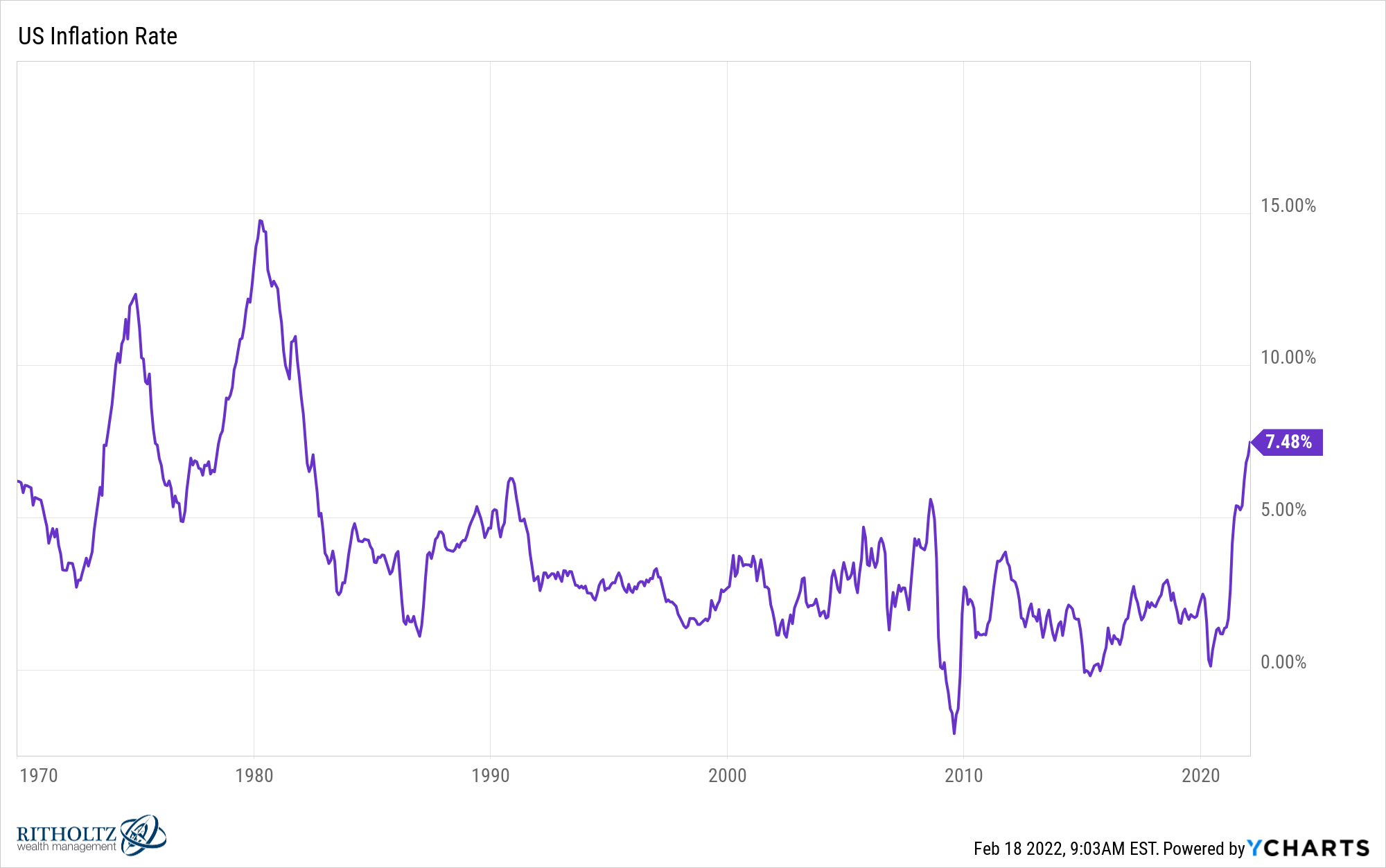
The most immediate and discernible effect of inflation is the erosion of purchasing power. Every dollar saved or earned buys less today than it did yesterday. For individuals living on fixed incomes, such as retirees, this can be particularly devastating, as their income does not keep pace with rising costs. Similarly, cash held in savings accounts, especially those with low interest rates, loses real value over time. An inflation rate of 5% means that what cost $100 a year ago now costs $105, effectively reducing the value of your cash by 5% if it wasn’t earning interest above that rate. This compels individuals to rethink their cash management and savings strategies.
Implications for Debt and Borrowing
Inflation has a dual effect on debt. For existing fixed-rate debt (like a mortgage), inflation can effectively reduce the real value of future payments, making them relatively easier to repay with inflated future income. However, for new borrowing, central banks typically raise interest rates to combat inflation. This makes new loans (mortgages, car loans, credit card debt) more expensive, increasing the cost of borrowing for consumers and potentially stifling new purchases or investments that rely on financing. Variable-rate debt holders may see their payments increase significantly as interest rates rise.
The Effect on Investments: Stocks, Bonds, Real Estate
Inflation significantly influences investment performance across asset classes:
- Stocks: Companies with strong pricing power, which can pass on higher costs to consumers, tend to perform better during inflationary periods. Growth stocks, however, can be more vulnerable as higher interest rates (used to combat inflation) reduce the present value of their future earnings.
- Bonds: Bonds are generally negatively impacted by inflation. Their fixed payments lose real value, and rising interest rates push bond prices down. Long-term bonds are particularly susceptible to this.
- Real Estate: Traditionally seen as a hedge against inflation, real estate prices tend to rise with inflation. Rental income also typically increases. However, higher mortgage rates can dampen demand and affordability, potentially slowing price appreciation in some markets.
- Commodities & Precious Metals: Gold, silver, and other commodities like oil or agricultural products are often considered inflation hedges, as their prices tend to rise when the cost of living increases.
Budgeting and Expense Management in an Inflationary Environment
“Now” more than ever, meticulous budgeting and expense management are critical. Households are experiencing higher costs for essentials like groceries, fuel, and utilities. This necessitates a careful review of discretionary spending, identifying areas for reduction, and prioritizing needs over wants. Strategies include cooking at home more often, reducing non-essential travel, negotiating bills, and exploring more cost-effective alternatives for goods and services. Understanding where money is going is the first step in mitigating inflation’s bite on daily finances.
Business Finance in an Inflationary Era
Businesses, from small enterprises to multinational corporations, face a unique set of challenges and strategic decisions in an inflationary environment. “What is inflation now?” for a business means grappling with escalating costs, navigating pricing dilemmas, and ensuring financial stability amidst economic volatility.
Managing Input Costs and Profit Margins
For businesses, the most immediate impact of inflation is the surge in input costs. Raw materials, energy, transportation, and labor become more expensive. This directly squeezes profit margins if businesses cannot effectively pass these costs onto their customers. Supply chain resilience becomes paramount, requiring diversification of suppliers, strategic inventory management, and potentially renegotiating contracts. Businesses “now” must vigilantly track their cost structures and identify efficiencies to protect profitability.
Pricing Strategies and Consumer Behavior
One of the trickiest aspects of inflation for businesses is managing pricing. Raising prices is often necessary to offset increased costs, but it risks alienating customers, reducing demand, or pushing consumers towards cheaper alternatives. Businesses must conduct careful market research, understand their customers’ price sensitivity, and strategically implement price increases—perhaps through smaller, more frequent adjustments rather than large, infrequent ones. Value propositions become critical, as consumers are more discerning about where they spend their money. Maintaining transparency and communicating value effectively can help justify price adjustments.
Access to Capital and Interest Rate Sensitivity
As central banks raise interest rates to combat inflation, the cost of borrowing for businesses increases. This makes it more expensive to finance new investments, expand operations, or even manage working capital. Businesses that rely heavily on debt financing may see their interest expenses rise significantly, impacting cash flow and profitability. Access to capital might become tighter, and lenders might adopt more stringent criteria. Companies “now” with strong balance sheets and less reliance on variable-rate debt are generally better positioned to weather this shift.
Workforce Management and Compensation
In a tight labor market where inflation is high, employees will naturally seek higher wages to maintain their purchasing power. Businesses face the challenge of attracting and retaining talent without exacerbating the wage-price spiral. This requires a delicate balance of competitive compensation (potentially incorporating performance bonuses or cost-of-living adjustments), robust benefits packages, and investing in employee development and retention strategies. Poor workforce management in an inflationary period can lead to high turnover, further increasing recruitment and training costs.
Strategies for Navigating Inflation
Facing the current inflationary climate, both individuals and businesses must adopt proactive strategies to mitigate risks and identify opportunities. Understanding “what is inflation now” empowers better decision-making for financial resilience and growth.
Personal Financial Adjustments: Budgeting and Investing for Growth
For individuals, navigating inflation requires a multi-pronged approach:
- Aggressive Budgeting & Expense Review: Beyond cutting discretionary spending, this involves hunting for better deals on recurring expenses like insurance, utilities, and subscriptions.
- Income Enhancement: Exploring side hustles, negotiating raises, or investing in skills development can boost income to keep pace with rising costs.
- Debt Management: Prioritize paying down high-interest variable debt to reduce exposure to rising interest rates. Consider refinancing fixed-rate debt if rates remain attractive, though this window is closing.
- Strategic Investing: Shift focus from low-yield savings accounts. Consider investments that traditionally perform well during inflation, such as real estate (for long-term appreciation), inflation-indexed bonds (like TIPS), dividend-paying stocks from companies with pricing power, and diversified commodity exposure. Avoid keeping large sums in cash for extended periods.
- Emergency Fund Protection: Ensure your emergency fund is sufficient and consider allocating a portion to inflation-protected assets if appropriate, while maintaining liquidity.
Business Adaptations: Supply Chain Resiliency and Hedging
Businesses need to evolve their operations and financial management:
- Supply Chain Diversification: Reduce reliance on single suppliers or geographic regions. Build relationships with multiple vendors to enhance flexibility and mitigate disruption risks.
- Inventory Management: Balance just-in-time efficiency with strategic stockpiling of critical raw materials to guard against sudden price spikes or shortages.
- Cost Optimization & Automation: Invest in technologies and processes that reduce operational costs and improve efficiency, offsetting rising input prices.
- Dynamic Pricing Strategies: Implement flexible pricing models that can adapt to changing input costs and market conditions, rather than static price lists.
- Hedging Strategies: For businesses with significant exposure to commodity price fluctuations (e.g., oil, metals), consider using financial instruments like futures contracts to lock in prices and manage risk.
- Reviewing Contracts: Regularly review contracts with suppliers and customers to ensure they include appropriate inflation clauses or allow for timely price adjustments.
The Role of Central Banks and Government Policy
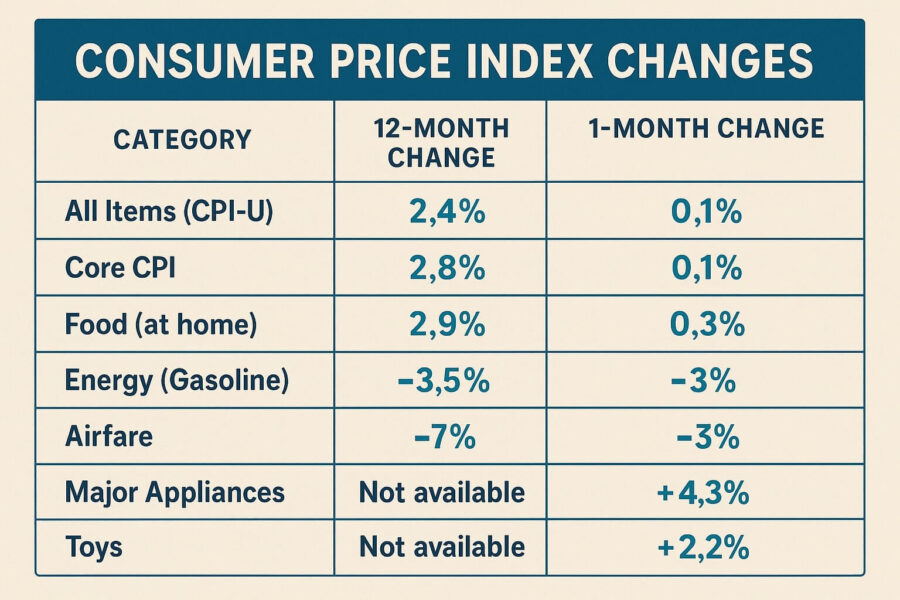
Central banks, like the U.S. Federal Reserve, are actively engaged in combating inflation primarily through monetary policy tools, most notably by raising benchmark interest rates. The goal is to cool down aggregate demand, making borrowing more expensive and discouraging spending and investment, thereby bringing inflation back to target levels (typically around 2%). Governments also play a role through fiscal policy, which can either exacerbate or alleviate inflationary pressures depending on spending and taxation decisions. Understanding these policy responses is crucial because they directly influence the economic environment in which individuals save, invest, and businesses operate. The speed and intensity of these policy shifts are key determinants of “what is inflation now” and what it will be in the near future.
In conclusion, “what is inflation now?” is a multifaceted economic question demanding a comprehensive understanding of its causes, impacts, and potential remedies. It signifies a period of significant economic adjustment, requiring vigilance, adaptability, and informed decision-making from every financial participant. By recognizing the current drivers and implementing strategic financial and business adjustments, we can better navigate the challenges and uncertainties that this elevated inflationary environment presents.
aViewFromTheCave is a participant in the Amazon Services LLC Associates Program, an affiliate advertising program designed to provide a means for sites to earn advertising fees by advertising and linking to Amazon.com. Amazon, the Amazon logo, AmazonSupply, and the AmazonSupply logo are trademarks of Amazon.com, Inc. or its affiliates. As an Amazon Associate we earn affiliate commissions from qualifying purchases.