
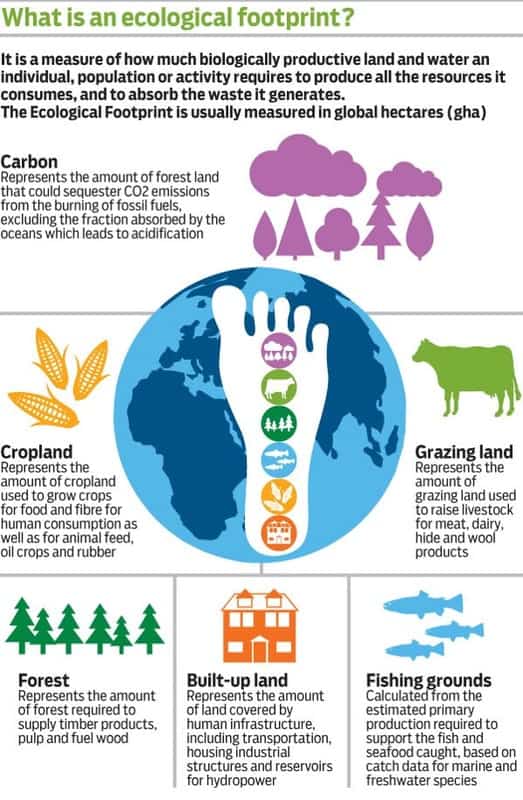
Our ecological footprint represents the cumulative impact of our daily lives on the planet, encompassing everything from the food we eat to the energy we consume and the waste we generate. As global environmental concerns escalate, understanding and actively reducing this footprint has become a critical personal responsibility. While lifestyle changes, conscious consumption, and policy shifts are vital, technology stands as an increasingly powerful, often overlooked, ally in this endeavor. From smart home devices that optimize energy usage to digital platforms that promote sustainable consumption and transportation, technological innovations offer practical, actionable pathways to a more environmentally responsible existence. This article explores how embracing cutting-edge technology can empower individuals to significantly shrink their ecological footprint, fostering a more sustainable future for all.
Revolutionizing Home Energy Management with Smart Technology
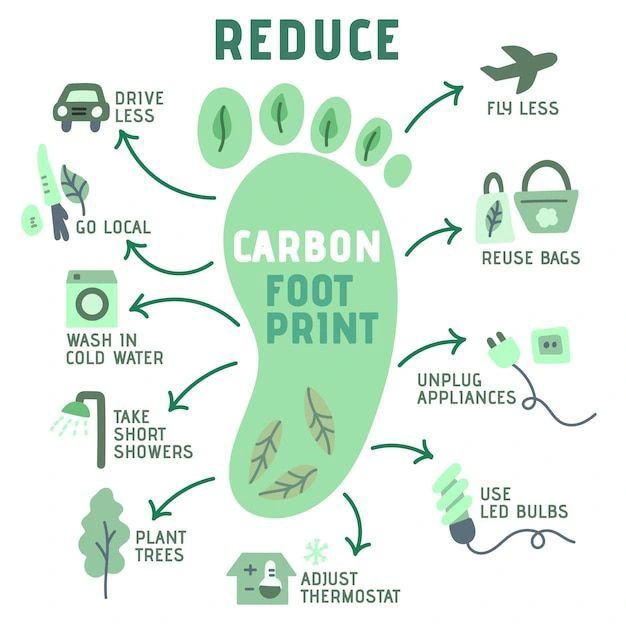
The average household’s energy consumption contributes substantially to its ecological footprint. Heating, cooling, lighting, and running appliances all demand energy, much of which is still generated from fossil fuels. Fortunately, smart home technology offers sophisticated solutions to monitor, control, and dramatically reduce this energy expenditure, transforming our homes into bastions of efficiency.
Intelligent Thermostats and Climate Control
Smart thermostats like Google Nest, Ecobee, and Honeywell Home have revolutionized residential climate control. These devices go far beyond simple programmable schedules, employing machine learning algorithms to learn household routines, occupancy patterns, and even local weather forecasts. They can automatically adjust temperatures, ensuring comfort only when needed and reducing energy waste when residents are away or asleep. Features like geofencing (automatically adjusting settings when you leave or approach home), remote control via smartphone apps, and integration with other smart home systems (e.g., window sensors that detect open windows and pause heating/cooling) provide unprecedented levels of control and efficiency. By optimizing heating and cooling cycles, smart thermostats can cut energy consumption by 10-15% or more, directly lowering carbon emissions.
Smart Lighting and Appliance Automation
Lighting accounts for a significant portion of household electricity use. The transition from incandescent bulbs to energy-efficient LEDs was a major step, but smart lighting systems elevate this further. Smart LED bulbs, integrated with hubs like Philips Hue or standalone Wi-Fi connectivity, allow users to remotely control brightness, color, and schedules. Paired with motion sensors, smart lights can ensure illumination only when a room is occupied, eliminating unnecessary power draw. Similarly, smart plugs can turn any “dumb” appliance into a smart one, allowing users to monitor energy usage, set schedules, and remotely power off devices that consume “vampire energy” even when turned off. More advanced smart appliances, from washing machines that optimize water and detergent use to refrigerators with energy-saving modes, further contribute to a reduced energy footprint by leveraging connectivity and intelligent algorithms.
Advanced Water Conservation Systems
While often overlooked, water consumption has its own ecological footprint, tied to the energy used for pumping, heating, and treating it. Smart home technology addresses this with innovative water conservation solutions. Smart sprinklers, such as Rachio or Rain Bird, utilize local weather data, soil moisture sensors, and plant type information to provide precise irrigation, preventing overwatering and conserving precious resources. Leak detection systems, often small sensors placed near water heaters or under sinks, can alert homeowners to leaks immediately via smartphone, preventing significant water waste and potential damage. Furthermore, some smart shower heads monitor water usage in real-time, providing visual cues to encourage shorter, more efficient showers. These technologies empower households to conserve water actively and intelligently, reducing both their direct water footprint and the associated energy footprint.
Residential Renewable Energy Integration
Perhaps the most impactful technological leap in home energy management is the integration of residential renewable energy systems. Solar panels, once a niche technology, are now becoming increasingly accessible and efficient. Smart inverters and energy management systems connect these panels to the home’s electrical grid, optimizing energy generation and consumption. Battery storage solutions, like the Tesla Powerwall, allow homeowners to store excess solar energy for use during peak hours or at night, reducing reliance on the grid and fossil fuel-generated electricity. These systems can also provide backup power during outages. Furthermore, smart home platforms can integrate with energy tariffs, automatically shifting high-energy tasks (like charging an EV or running a dishwasher) to times when solar generation is highest or electricity prices are lowest, further maximizing efficiency and minimizing environmental impact.
Transforming Transportation with Innovative Tech Solutions
Transportation is another major contributor to individual ecological footprints, primarily through fossil fuel consumption and associated emissions. Technological advancements in vehicles, urban planning, and digital platforms are paving the way for significantly greener mobility options.
The Electric Vehicle (EV) Revolution
The advent of Electric Vehicles (EVs) marks a paradigm shift in personal transportation. EVs produce zero tailpipe emissions, drastically reducing local air pollution and, when powered by renewable energy, offering a near-zero carbon footprint. Advances in battery technology have increased range, making EVs practical for longer journeys, while the rapidly expanding charging infrastructure, supported by smart charging apps and networks, alleviates range anxiety. Furthermore, smart charging solutions allow EVs to be charged during off-peak hours or when renewable energy is abundant, integrating them seamlessly into a sustainable energy ecosystem. The development of plug-in hybrid electric vehicles (PHEVs) also provides a crucial transitional technology for those not yet ready for a full EV commitment.
Micro-Mobility and Active Transportation Tech
For shorter distances, micro-mobility solutions offer a highly efficient and low-impact alternative to traditional vehicles. Electric bikes (e-bikes) and electric scooters have surged in popularity, providing assistance for commutes, errands, and leisure, making cycling and scooting accessible to a wider demographic. Apps dedicated to micro-mobility make it easy to locate, rent, and manage these devices in urban environments. Beyond powered options, digital mapping services and smart routing apps optimize routes for walking and traditional cycling, prioritizing safety, efficiency, and scenic paths, encouraging more active and emission-free travel. These technologies foster a culture where short car journeys are replaced by healthier, greener alternatives.
Optimized Public Transit and Ride-Sharing Platforms
Technology has dramatically enhanced the efficiency and attractiveness of public transportation. Apps like Google Maps, Citymapper, and Moovit provide real-time information on bus and train schedules, delays, and optimal routes, making public transit more predictable and user-friendly. By encouraging greater adoption of public transport, these platforms reduce the number of individual cars on the road, easing congestion and lowering collective emissions. Similarly, ride-sharing and carpooling apps (e.g., Uber Pool, BlaBlaCar) offer a shared mobility model, allowing multiple passengers to travel in a single vehicle, thereby reducing per-person carbon emissions. The broader concept of Mobility-as-a-Service (MaaS) platforms integrates various transportation modes (public transit, ride-sharing, bike-sharing, e-scooters) into a single app, simplifying multimodal journeys and further discouraging private car ownership.
Digital Enablers for Sustainable Consumption and Waste Reduction
Our consumption patterns and waste generation are significant components of our ecological footprint. Technology offers innovative ways to make more informed purchasing decisions, reduce food waste, and participate effectively in the circular economy.
Smart Shopping and Ethical Consumerism Apps

Making sustainable choices at the point of purchase can be challenging given complex supply chains and often misleading marketing. Digital tools simplify this. Apps like Buycott, Good On You, and CodeCheck allow consumers to scan product barcodes and instantly access information on a company’s ethical practices, environmental impact, labor conditions, and ingredient sourcing. They can highlight products from brands that align with personal values, such as those committed to fair trade, cruelty-free production, or reduced plastic use. Some apps even provide carbon footprint estimates for various products, enabling consumers to compare and choose options with lower environmental impacts. These tools empower individuals to become more conscious consumers, driving demand for genuinely sustainable products and practices.
Food Waste Reduction Technologies
Food waste is a monumental global problem, with significant environmental implications tied to resource consumption (water, land, energy) and methane emissions from landfills. Technology is providing solutions within the home and beyond. Smart refrigerators are beginning to offer inventory management systems, tracking expiration dates and suggesting recipes based on available ingredients. Apps like Olio and Too Good To Go connect users with surplus food from local businesses or neighbors, preventing it from being thrown away. For unavoidable food scraps, smart composters (e.g., Lomi, FoodCycler) offer convenient, accelerated composting solutions within the home, transforming organic waste into nutrient-rich soil amendment in a matter of hours or days, thereby diverting it from landfills. These innovations collectively help reduce the volume of food waste, lessening its environmental burden.
Circular Economy Platforms and Recycling Innovations
The shift towards a circular economy – where products are kept in use for as long as possible, then recycled or repurposed – is crucial for reducing ecological footprints. Digital platforms are central to this. Online marketplaces like eBay, Vinted, ThredUp, and countless local Facebook groups facilitate the buying, selling, and swapping of second-hand goods, extending product lifecycles and reducing the need for new production. Apps like RecycleNation or local government recycling apps provide clear, localized guidance on what can and cannot be recycled, improving recycling rates and reducing contamination. Furthermore, emerging IoT-enabled smart bins can sort waste automatically or alert collection services when full, optimizing collection routes and reducing the emissions associated with waste management logistics. These technologies collectively support a more resourceful and less wasteful approach to consumption.
Data-Driven Insights and Personal Carbon Tracking
One cannot manage what one does not measure. Technology provides powerful tools for individuals to understand, track, and ultimately reduce their personal environmental impact, turning abstract concepts into tangible data.
Personal Carbon Footprint Calculators and Trackers
A multitude of online calculators and smartphone apps (e.g., Carbon footprint tracker apps, FutureFit, My Emissions) allow individuals to estimate their carbon footprint. These tools typically ask for input on various aspects of life: home energy usage (electricity, gas), transportation (flights, driving, public transit), diet (meat consumption, local vs. imported food), and general consumption. By presenting a breakdown of emissions by category, these trackers provide invaluable insights, highlighting the areas where an individual’s impact is highest and where efforts to reduce it would be most effective. This data-driven self-awareness is the first step towards targeted action and sustained behavioral change.
Gamification and Behavioral Nudges for Sustainability
Beyond mere tracking, technology can leverage principles of gamification and behavioral psychology to encourage greener habits. Many sustainability apps incorporate challenges, rewards, and social comparison features. Users might earn points for taking public transport, reducing shower times, or opting for plant-based meals. These points can unlock virtual badges, climb leaderboards, or even be redeemable for discounts on eco-friendly products. By framing sustainable actions as achievable goals with immediate, positive feedback, these apps provide powerful “nudges” that make environmental responsibility engaging and rewarding. Data visualization, showing trends in carbon reduction over time, further motivates users to maintain and improve their sustainable practices.
Smart Monitoring Systems and Predictive Analytics
While more prevalent in industrial or smart city contexts, the underlying principles of smart monitoring and predictive analytics are increasingly making their way into individual ecological footprint management. Home energy monitoring systems (e.g., Sense, Emporia Vue) provide real-time, circuit-level electricity usage data, identifying energy hogs and patterns of waste. Coupled with AI, these systems can predict future energy needs based on historical data, weather forecasts, and occupancy, allowing for proactive adjustments. Similarly, advanced smart water meters can detect unusual consumption patterns that might indicate a leak or inefficient usage. By turning raw data into actionable insights and even automating responses, these technologies empower individuals to move beyond reactive adjustments to truly optimized, resource-efficient living.
The Future of a Tech-Driven Sustainable Lifestyle
The technological landscape for reducing our ecological footprint is constantly evolving, promising even more integrated and intuitive solutions in the years to come.
The Interconnected Smart Ecosystem
Imagine a future where all your smart devices communicate seamlessly to optimize your environmental impact. Your smart home thermostat, EV charger, solar panels, and smart appliances will be orchestrated by a central AI, anticipating your needs while minimizing energy and resource consumption. Your calendar might dictate your climate control, your EV charging might align with peak solar generation, and your fridge might automatically suggest recipes using ingredients nearing their expiration. This interconnected smart ecosystem will transform environmental responsibility from a series of conscious efforts into an almost automatic way of life.
Augmented Reality and Virtual Reality for Green Education
Beyond direct action, immersive technologies like Augmented Reality (AR) and Virtual Reality (VR) hold immense potential for environmental education and behavioral change. Imagine using AR to visualize the carbon footprint of products in a grocery store or seeing the impact of your daily commute on a virtual landscape. VR could offer immersive experiences that transport users to pristine natural environments or, conversely, to areas impacted by pollution, fostering empathy and a deeper understanding of ecological challenges. These technologies can make the abstract consequences of our actions tangible, driving a stronger motivation for sustainable choices.
Blockchain for Transparency and Traceability
Blockchain technology, known for its decentralized and immutable ledger, can bring unprecedented transparency and traceability to supply chains. This could allow consumers to verify the sustainable sourcing of products, ensuring fair labor practices, low environmental impact, and genuine carbon offsetting claims. By providing an unalterable record of a product’s journey from raw material to consumer, blockchain can empower truly ethical consumerism, eliminating greenwashing and fostering trust in sustainable brands. While still emerging, its potential for verifying green claims is immense.
Conclusion
Reducing our ecological footprint is an imperative of our time, and technology offers a robust and ever-expanding toolkit to meet this challenge. From intelligent home systems that conserve energy and water to electric vehicles and micro-mobility solutions that decarbonize transportation, and from digital platforms that foster conscious consumption to data-driven tools that track personal impact, technology provides practical, scalable pathways to a more sustainable lifestyle. It is not a magic bullet, nor does it absolve us of the need for conscious choices and systemic change. However, by actively embracing and integrating these technological innovations into our daily lives, we can collectively and individually make significant strides toward shrinking our ecological footprint, cultivating a healthier planet for current and future generations. The future of sustainability is undeniably intertwined with the intelligent application of technology.
aViewFromTheCave is a participant in the Amazon Services LLC Associates Program, an affiliate advertising program designed to provide a means for sites to earn advertising fees by advertising and linking to Amazon.com. Amazon, the Amazon logo, AmazonSupply, and the AmazonSupply logo are trademarks of Amazon.com, Inc. or its affiliates. As an Amazon Associate we earn affiliate commissions from qualifying purchases.