
In an increasingly health-conscious world, understanding and managing caloric intake has become a cornerstone of personal well-being. Whether the goal is weight loss, muscle gain, or simply maintaining a balanced diet, the ability to accurately calculate calories consumed is paramount. What was once a laborious process of manual tracking and guesswork has been revolutionized by an explosion of technology, transforming how individuals monitor their nutrition. From sophisticated software applications to advanced AI tools and innovative wearable gadgets, the tech landscape now offers an unprecedented array of solutions to demystify dietary intake and empower users with precise, actionable data. This article delves into the technological advancements that have made calorie calculation more accessible, accurate, and integrated into our daily lives, examining the tools, methodologies, and best practices within this dynamic tech niche.
The Evolving Landscape of Calorie Tracking Technology
The journey of calorie tracking has paralleled the broader advancements in digital technology. What began as a niche practice for athletes and nutritionists has expanded into a mainstream pursuit, largely driven by the development of user-friendly digital tools. The shift from pen-and-paper logs to digital platforms represents a significant leap, offering not just convenience but also enhanced accuracy and analytical capabilities.
From Manual Logs to Digital Solutions
Historically, calculating calories was a meticulous and often tedious task. It involved consulting food nutrition labels, cross-referencing food databases in print, and manually logging every item consumed, often with rough estimations of portion sizes. This analog approach was prone to human error, lacked real-time feedback, and made it challenging to identify trends or make immediate adjustments. The advent of personal computers and the internet began to democratize access to vast nutritional databases, allowing users to find calorie counts more easily. However, it was the proliferation of smartphones and the development of dedicated mobile applications that truly democratized and streamlined the process. Early digital solutions, while still requiring manual entry, offered searchable databases and automatic summators, laying the groundwork for more sophisticated tools. These early apps digitized the existing manual process, reducing friction and introducing the concept of a “digital food diary.”
The Rise of Wearable Devices
While early digital solutions focused on food input, a parallel technological revolution emerged in the form of wearable devices. Initially designed to track physical activity, modern wearables have evolved to play a crucial role in the caloric equation, albeit from the expenditure side. Devices like fitness trackers and smartwatches collect biometric data such as heart rate, movement patterns, and even sleep quality. While they don’t directly calculate “calories consumed,” they provide invaluable context by estimating “calories burned.” This context is vital for understanding net caloric balance, which is the ultimate determinant of weight management. The integration of these devices with food logging apps creates a more holistic picture, allowing users to see the interplay between their intake and output, guiding more informed decisions about their dietary and activity habits. The ongoing innovation in sensor technology promises even more accurate and comprehensive biometric data, inching closer to a predictive understanding of an individual’s unique metabolic needs.
Leveraging Software and AI for Precise Calorie Counting
The true power of modern calorie calculation lies in sophisticated software and the integration of artificial intelligence. These tools move beyond simple data entry, offering intelligent assistance and automation that significantly enhance accuracy and user experience.
Food Logging Apps: Your Digital Nutritionist
Today’s food logging apps are far more than just digital notebooks. Platforms like MyFitnessPal, Cronometer, and Lose It! offer extensive databases of foods, including brand-specific items, restaurant meals, and generic ingredients, often with verified nutritional information. Key features include:
- Custom Food Entry: Users can input homemade recipes or unique food items, saving them for future use.
- Barcode Scanners: A simple scan of a product’s barcode instantly pulls up its nutritional profile, eliminating manual search and data entry for packaged goods. This feature alone dramatically reduces the time and effort required for logging.
- Portion Size Guidance: Apps often provide visual guides or common serving sizes to help users accurately estimate quantities, although precise measurement (e.g., using a digital food scale) remains the gold standard.
- Macronutrient Breakdowns: Beyond total calories, these apps provide detailed breakdowns of protein, carbohydrates, and fats, allowing users to optimize their macronutrient ratios for specific goals.
- Trend Analysis and Reporting: The software can generate charts and reports showing caloric intake over time, identifying patterns, and highlighting areas for improvement. This analytical capability transforms raw data into actionable insights, much like a digital nutritionist offering personalized feedback.
AI-Powered Image Recognition and Barcode Scanners
The integration of artificial intelligence is pushing the boundaries of convenience and accuracy in calorie tracking. AI-powered image recognition tools, some already integrated into leading food logging apps, allow users to simply snap a photo of their meal. The AI then attempts to identify the food items and estimate their portion sizes and corresponding calorie counts. While still evolving, this technology represents a significant leap towards effortless logging, reducing the cognitive load associated with manual entry. The algorithm learns from user corrections and a growing database of images, continuously improving its accuracy. Similarly, advanced barcode scanners are now incredibly fast and reliable, instantly connecting physical products to their digital nutritional data, making grocery shopping and meal prep tracking seamless. Some systems even incorporate OCR (Optical Character Recognition) to read nutrition labels directly from packaging when a barcode isn’t present in the database.
Integrated Ecosystems: Syncing Data for a Holistic View
The real synergy in modern calorie calculation comes from integrated ecosystems. Many food logging apps seamlessly sync with popular wearable devices (like Apple Watch, Fitbit, Garmin) and other health applications. This interoperability means that calorie intake data from the food app can be combined with calorie expenditure data from a wearable, providing a real-time net caloric balance. This comprehensive view helps users understand the immediate impact of their food choices on their overall energy balance, guiding them towards their goals more effectively. Some ecosystems even integrate with smart kitchen appliances or scales, creating a fully connected health management system where data flows automatically between devices, minimizing manual intervention and maximizing accuracy. This holistic approach, powered by robust APIs and cloud computing, transforms individual tools into a powerful, unified health management platform.
Gadgets and Wearables: Passive Tracking and Real-time Insights
Beyond software, a range of hardware gadgets and wearables contribute significantly to the precision and convenience of calorie management, both directly and indirectly. These tools provide passive data collection and real-time feedback, making the tracking process more integrated into daily life.
Smartwatches and Fitness Trackers: Beyond Activity Monitoring
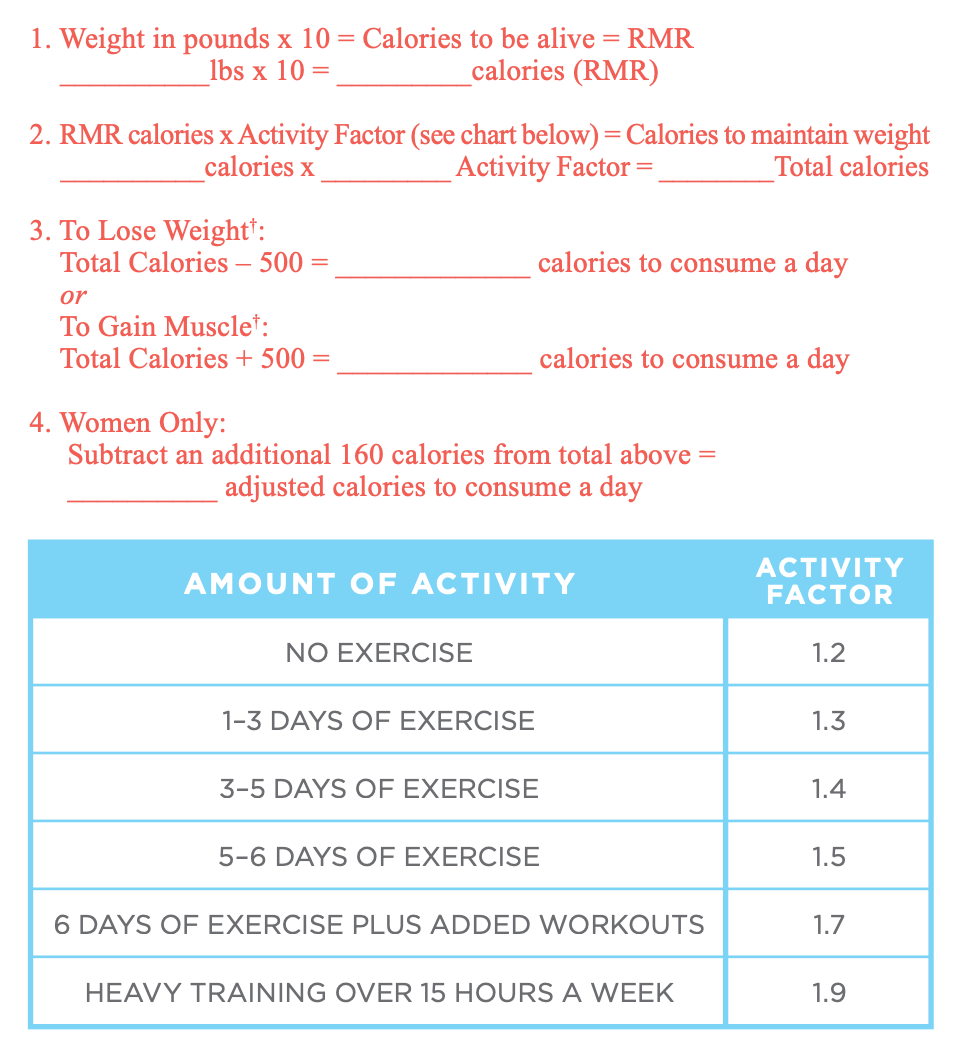
While primarily known for activity and exercise tracking, smartwatches and fitness trackers (e.g., Apple Watch, Fitbit, Garmin, Whoop) play an indirect but crucial role in calorie consumption calculation. By continuously monitoring heart rate, movement, sleep patterns, and even stress levels, these devices provide increasingly accurate estimates of an individual’s Basal Metabolic Rate (BMR) and Total Daily Energy Expenditure (TDEE). Knowing how many calories your body burns throughout the day is fundamental to calculating your caloric deficit or surplus from food intake. Advanced algorithms leverage machine learning to personalize these estimates based on an individual’s unique physiology and activity levels, moving beyond generic formulas. The trend is towards more sophisticated sensors, including galvanic skin response, skin temperature, and even ECG capabilities, which collectively contribute to a more nuanced understanding of energy expenditure.
Smart Scales and Advanced Body Composition Analyzers
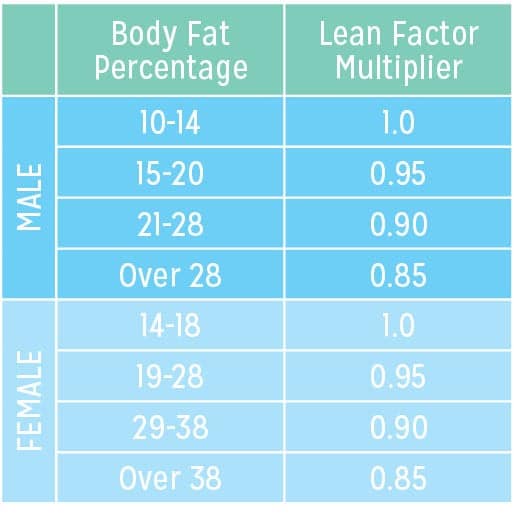
Smart scales represent another technological leap, moving beyond simple weight measurement. These scales, often connected to companion apps via Bluetooth or Wi-Fi, can estimate body composition metrics such as body fat percentage, muscle mass, bone mass, and water content using bioelectrical impedance analysis (BIA). While BIA has its limitations, the consistent tracking of these metrics over time provides valuable data points. For instance, changes in muscle mass directly impact BMR; higher muscle mass generally means higher calorie burning at rest. Integrating data from smart scales with food logging apps and wearables offers a more comprehensive view of progress, allowing users to see how their caloric intake and expenditure are influencing their body composition, not just their overall weight. Some advanced analyzers even offer segment-specific body composition, providing even greater detail for personalized training and nutrition strategies.
Emerging Technologies: The Future of Biometric Calorie Estimation
The horizon of calorie calculation tech is brimming with innovative possibilities. Researchers are exploring non-invasive methods to directly measure nutrient absorption and metabolic responses. Technologies like continuous glucose monitors (CGMs), originally for diabetes management, are gaining traction among health enthusiasts for understanding how different foods affect blood sugar levels, indirectly influencing energy levels and hunger signals. Future iterations might see integrated sensors capable of analyzing breath composition for metabolic markers or even micro-wearables that can detect specific macronutrients in real-time within the digestive system. The long-term goal is to move towards hyper-personalized metabolic insights, where technology can predict an individual’s caloric needs and optimal nutrient timing with unprecedented accuracy, making calorie calculation a largely automated and highly personalized process.
Best Practices for Tech-Enhanced Calorie Calculation
While technology has made calorie calculation incredibly accessible, maximizing its benefits requires a thoughtful approach. It’s not just about using the tools but using them intelligently.
Accuracy vs. Practicality: Finding Your Balance
The pursuit of perfect accuracy in calorie tracking can quickly become overwhelming. Weighing every morsel of food with a digital scale is the most accurate method, but it’s not always practical for every meal, especially when dining out or eating socially. The key is to find a balance. Aim for high accuracy with staple foods and regular meals, using food scales for precise measurements of ingredients. For less common items or restaurant meals, leverage the app’s database and make reasonable estimates. Consistency often trumps perfect accuracy; regular tracking, even with slight estimation errors, provides far more valuable insights over time than sporadic, hyper-accurate logging. Understand that all calorie counts are estimates, and the goal is to establish a consistent pattern rather than obsess over a single number.
Data Privacy and Security Considerations
As we entrust more personal health data to apps and devices, concerns about data privacy and security become paramount. Users should be diligent in reviewing the privacy policies of the apps and services they use. Look for companies that prioritize data encryption, adhere to strict privacy regulations (like GDPR or HIPAA where applicable), and offer transparent control over personal data. Be cautious about sharing health data with third-party applications unless you fully understand their privacy practices. Regularly review app permissions and consider using strong, unique passwords for all health-related accounts. The convenience of integrated ecosystems should not come at the expense of personal data security.
Interpreting Data and Making Informed Decisions
The ultimate value of calorie tracking technology lies not in the data itself, but in the insights derived from it. Apps provide raw numbers and trends, but users must learn to interpret this information within the context of their personal goals and body responses. If tracking indicates a caloric deficit but no weight loss, adjustments may be needed to portion sizes, accuracy of logging, or understanding of calorie expenditure. Pay attention to how different foods impact energy levels, satiety, and mood. Use the data as a guide for experimentation and learning about your own body’s unique metabolism. Consult with healthcare professionals or registered dietitians for personalized advice, using the tech-generated data as a foundation for informed discussions.
The Transformative Impact of Technology on Nutritional Awareness
The technological revolution in calorie calculation has profoundly reshaped our relationship with food and health. It has moved nutritional awareness from abstract concepts to tangible, data-driven insights, empowering individuals in unprecedented ways.
Empowering Personal Health Management
Technology has put powerful tools for nutritional analysis directly into the hands of individuals. This empowerment means that personalized dietary management is no longer exclusive to those with access to professional nutritionists. Users can track their intake, understand macronutrient distribution, identify dietary patterns, and make proactive adjustments based on real-time data. This shift fosters a greater sense of agency and accountability, transforming passive health aspirations into active, data-informed lifestyle changes. The ability to monitor, analyze, and adapt empowers users to take control of their nutritional destinies, moving beyond generic diet advice to truly personalized strategies.

Future Trends: Hyper-Personalization and Predictive Analytics
The future of calorie calculation technology promises even greater sophistication. We are on the cusp of hyper-personalization, where AI algorithms, fueled by vast datasets from wearables, food logs, and potentially even genetic information, will offer highly tailored dietary recommendations. Predictive analytics will anticipate cravings, suggest optimal meal timings, and even adapt nutritional plans based on an individual’s predicted activity levels or physiological state. Imagine a future where your smartwatch, integrated with your smart fridge and AI nutritionist app, automatically suggests a meal plan tailored to your upcoming workout, current metabolic state, and even your mood. The continuous evolution of sensor technology, machine learning, and data integration will continue to refine the precision and ease of calorie calculation, making it an increasingly seamless and integral part of personalized health management, ensuring that “how to calculate calories consumed” becomes less of a manual task and more of an intelligent, automated insight.
aViewFromTheCave is a participant in the Amazon Services LLC Associates Program, an affiliate advertising program designed to provide a means for sites to earn advertising fees by advertising and linking to Amazon.com. Amazon, the Amazon logo, AmazonSupply, and the AmazonSupply logo are trademarks of Amazon.com, Inc. or its affiliates. As an Amazon Associate we earn affiliate commissions from qualifying purchases.