
Understanding the calorie content of the food we consume is a foundational pillar of modern health, fitness, and nutritional management. Whether the goal is weight loss, muscle gain, or simply maintaining a balanced diet, precise knowledge of caloric intake is paramount. Historically, this has been a laborious process, fraught with approximations and manual calculations based on often-vague food labels. However, in the digital age, technology has dramatically transformed our ability to accurately assess and track the calorie content of our meals, offering unprecedented levels of precision and convenience. This article delves into the technological advancements that empower individuals to calculate food calorie content effectively, exploring the tools, methodologies, and best practices that define this tech-driven approach to nutrition.
The Evolution of Calorie Tracking: From Manual Logs to Digital Solutions
The journey of calorie tracking mirrors the broader evolution of data management – from rudimentary paper-based systems to sophisticated digital ecosystems. Before the advent of modern technology, individuals relied heavily on printed resources and personal diligence.
Traditional Methods: Food Labels and Manual Calculations
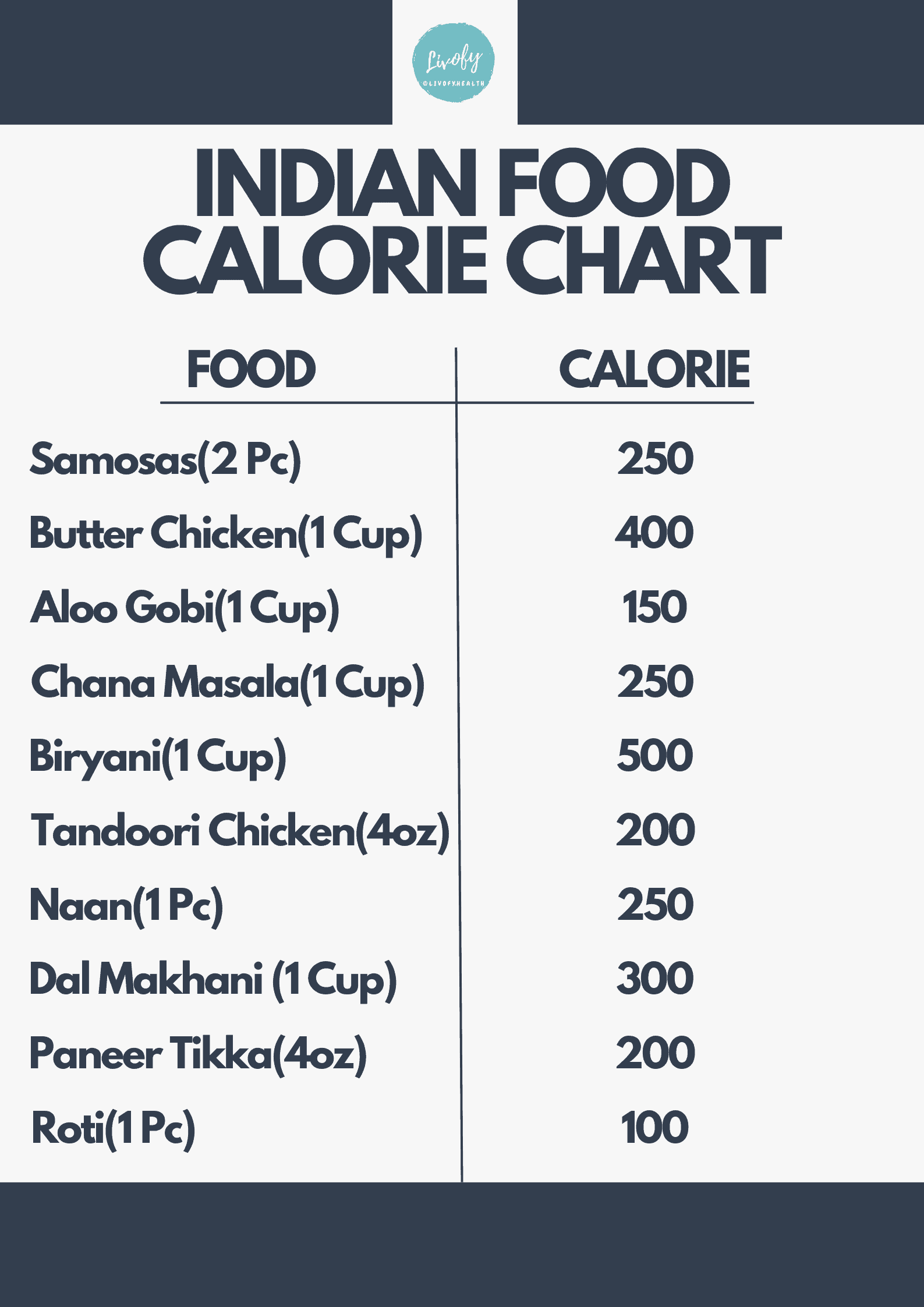
For decades, the primary source of calorie information for packaged foods has been the nutrition label. These labels, mandated by regulatory bodies like the FDA, provide a standardized breakdown of macronutrients (carbohydrates, proteins, fats) and total calories per serving. For unpackaged foods, such as fresh produce or restaurant meals, estimation often involved consulting large nutritional handbooks or websites that offered generalized data. The process was inherently manual: users would identify the food item, determine the serving size, look up its caloric value, and then manually record it, often in a physical diary. This method, while functional, was prone to human error, relied on accurate self-reporting of portion sizes, and lacked the dynamic capabilities necessary for real-time adjustments or comprehensive analysis. Calculating calories for home-cooked meals involving multiple ingredients further complicated this, requiring individual calculation for each component before summing them up.
The Digital Leap: Databases and Online Tools
The internet marked a significant turning point. The proliferation of online nutritional databases, such as those maintained by the USDA (United States Department of Agriculture), provided a centralized and searchable repository of food data. These databases became the backbone for early online calorie calculators, allowing users to input food items and receive instant caloric estimates. While still somewhat manual in their input requirements, these tools offered greater accessibility and eliminated the need for physical reference books. This era also saw the rise of basic online food diaries, moving calorie tracking from paper to digital spreadsheets or simple web interfaces. This digital leap laid the groundwork for the more sophisticated, integrated technological solutions we utilize today, paving the way for apps and smart devices that automate much of the data collection and analysis.
Essential Tech Tools for Calorie Calculation and Tracking
Modern technology offers a diverse suite of tools designed to simplify and enhance the accuracy of calorie calculation. These range from mobile applications to advanced kitchen gadgets and integrated wearable systems.
Dedicated Nutrition Tracking Apps
Mobile applications are arguably the most widely adopted and impactful tools for calorie tracking. Platforms like MyFitnessPal, LoseIt!, Cronometer, and FatSecret have revolutionized how individuals monitor their dietary intake. These apps typically feature:
- Extensive Food Databases: Boasting millions of food items, often including brand-specific products, restaurant meals, and generic ingredients, these databases allow users to quickly search and log what they eat. Many integrate data from official sources like the USDA, alongside user-contributed and verified entries.
- Barcode Scanning: A game-changer for packaged foods, barcode scanners allow users to simply scan a product’s UPC code, instantly pulling up its nutritional information, including calorie content, directly from the app’s database. This vastly reduces manual input errors and saves time.
- Recipe Analysis Tools: For home cooks, these apps often include features to create and analyze custom recipes. Users input all ingredients and their quantities, and the app calculates the total calories and macronutrients for the entire dish, then divides it by the number of servings to provide per-serving values.
- Portion Sizing Aids: While still requiring user input, many apps offer visual guides or common serving size options (e.g., small, medium, large apple; cups, grams, ounces) to help users estimate more accurately.
- Macronutrient Tracking: Beyond total calories, these apps provide detailed breakdowns of protein, carbohydrates, and fats, allowing users to track their macronutrient ratios and adherence to specific dietary plans.
Smart Kitchen Gadgets and AI Integration
The smart home revolution has extended into the kitchen, offering innovative ways to measure and identify food more precisely.
- Smart Food Scales: These scales go beyond simply weighing food. Connected via Bluetooth or Wi-Fi to a companion app, they can automatically log the weight of an ingredient and, when paired with a food database, instantly provide its caloric and nutritional values. Some advanced models can even differentiate between food types on the same plate, though this technology is still evolving.
- Food Scanners and AI Meal Recognition: Emerging technologies include handheld food scanners that use spectroscopy to analyze the chemical composition of food and estimate nutritional content, or AI-powered camera apps that can identify food items from a photo and estimate portion sizes and calories. While still in nascent stages for widespread consumer use, these tools promise to automate food logging even further, reducing the need for manual input and estimation.
- Smart Ovens/Appliances: Some smart kitchen appliances are beginning to integrate with nutritional databases, allowing for pre-programmed cooking settings that consider the caloric density of food items, or even offering recipe suggestions with built-in nutritional breakdowns.
Wearable Technology and Ecosystems
While not directly calculating food calories, wearable fitness trackers and smartwatches play a crucial role in the broader calorie management ecosystem. Devices like Apple Watch, Fitbit, and Garmin track activity levels and estimate calories burned. When integrated with nutrition tracking apps, they create a comprehensive picture of “calories in vs. calories out,” enabling users to make more informed dietary decisions. This integration often happens seamlessly, with data syncing between apps and devices to provide a holistic view of energy balance throughout the day.
Understanding the Data: How Technology Estimates Calorie Content
The precision of digital calorie calculation hinges on robust data and sophisticated algorithms. Understanding the sources and methods behind these calculations is key to appreciating their value and limitations.
Databases and Data Sources
The accuracy of any calorie tracking tool is fundamentally tied to the quality and breadth of its underlying database.

- Official Governmental Databases (e.g., USDA FoodData Central): These are considered the gold standard, compiled through rigorous laboratory analysis of thousands of food items. They provide standardized nutritional information for raw ingredients, cooked foods, and common composite dishes.
- Manufacturer Data: For packaged foods, nutritional information is sourced directly from manufacturers, often through API integrations or manual entry from product labels. Barcode scanning relies heavily on this data.
- User-Contributed Data: Many apps allow users to add new food items or recipes. While useful for expanding the database, user-contributed data often requires verification by app administrators or the community to maintain accuracy, as it can be prone to errors.
- Restaurant and Brand-Specific Data: Increasingly, apps include nutritional information for popular restaurant chains and specific branded products, often obtained directly from the companies’ published data.
Algorithms for Recipe Analysis and Portion Sizing
When you input a custom recipe into an app, sophisticated algorithms go to work. They break down each ingredient, retrieve its caloric value from the database, adjust for the specified quantity (e.g., 100g of chicken, 1 cup of rice), sum the total calories for all ingredients, and then divide by the number of servings defined by the user.
For portion sizing, algorithms use a combination of factors:
- Standardized Serving Units: Converting between common units (grams, ounces, cups, pieces) based on established densities and weights.
- Visual Estimation Aids: Some apps use image recognition or reference photos to help users estimate portion sizes, though this is still an area of active research and development.
- Weighted Averages for Mixed Dishes: For dishes where ingredients are mixed, algorithms often provide a per-serving calculation based on the total weight or volume of the finished dish, assuming an even distribution of ingredients.
The Role of AI and Machine Learning in Accuracy
Artificial Intelligence and Machine Learning are increasingly being deployed to enhance the accuracy and user-friendliness of calorie calculation.
- Improved Food Recognition: AI models are trained on vast datasets of food images, allowing them to identify specific foods from photos taken by users, estimate portion sizes, and suggest caloric values with increasing accuracy. This technology, often referred to as “food image recognition” or “AI food logging,” aims to make tracking as simple as snapping a picture.
- Personalized Recommendations: Machine learning algorithms can analyze a user’s logged eating patterns, activity levels, and weight goals to provide more personalized dietary insights and calorie targets, adjusting recommendations over time based on actual outcomes.
- Anomaly Detection and Data Validation: AI can flag unusual entries (e.g., an excessively high or low calorie count for a common food item) for user review or automatic correction, improving overall data integrity within the app’s ecosystem.
- Predictive Analytics: Beyond current tracking, AI can predict future caloric needs or potential dietary imbalances based on historical data, offering proactive advice.
Best Practices for Accurate Calorie Tracking with Technology
While technology offers powerful tools, its effectiveness hinges on how users engage with it. Maximizing accuracy requires conscious effort and adherence to best practices.
Inputting Data Accurately: Weighing Food vs. Estimating
The single biggest factor influencing the accuracy of calorie tracking is the precision of your input.
- Use a Food Scale: For ingredients and home-cooked meals, weighing food in grams (or ounces) with a digital food scale is by far the most accurate method. Eyeballing portion sizes or using measuring cups can lead to significant discrepancies. For example, a “cup” of leafy greens will have a vastly different caloric value than a “cup” of nuts due to density variations.
- Measure Liquids Precisely: Use measuring cups for liquids and be mindful of the difference between fluid ounces and weight ounces.
- Be Specific with Food Selection: When searching in an app, try to find the exact brand and preparation method of your food (e.g., “boiled chicken breast” vs. “fried chicken breast”). Generic entries can be less accurate.
Customizing Entries and Verifying Information
Even with extensive databases, sometimes a specific food item or recipe might not be perfectly represented.
- Create Custom Foods/Recipes: If you frequently eat a unique dish or use an ingredient not found in the database, take the time to create a custom entry. Input all ingredients and their exact quantities to ensure the calorie calculation is precise.
- Cross-Reference Data: Especially for user-contributed entries or when an entry seems unusually high or low, consider cross-referencing the data with another reliable source (e.g., the USDA database, manufacturer’s website). Many apps allow users to flag incorrect entries or verify them.
- Account for Cooking Methods: Frying in oil, baking with butter, or adding sauces can significantly alter the calorie content of a dish. Always include these additions in your tracking.
Integrating Multiple Data Sources for a Holistic View
For the most comprehensive understanding of your nutritional intake and expenditure, integrate various technological components.
- Sync Apps and Devices: Connect your nutrition tracking app with your wearable fitness tracker, smart scale, and other health apps. This creates a unified ecosystem where data flows seamlessly, providing a more accurate picture of your overall energy balance.
- Review and Adjust Regularly: Technology provides data; it’s up to the user to interpret it. Regularly review your logged data, analyze trends, and make adjustments to your tracking habits or dietary choices based on the insights gained.
- Understand Limitations: While powerful, technology isn’t infallible. AI-driven image recognition is still developing, and database entries can occasionally have errors. Use technology as a powerful assistant, but always apply critical thinking and common sense.
The Future of Nutritional Technology
The trajectory of calorie calculation and nutritional tracking points towards even greater automation, personalization, and integration. We can anticipate advancements that will further minimize manual effort while maximizing accuracy and actionable insights.
Hyper-Personalized Nutrition and Predictive Analytics
Future technologies will likely move beyond general caloric guidelines to offer hyper-personalized nutrition plans based on individual genetics, microbiome data, real-time metabolic responses, and lifestyle factors. AI will play a central role in analyzing vast amounts of biometric data from wearables and health sensors to predict nutritional needs, identify potential deficiencies, and even recommend specific foods or supplements to optimize health and performance. This will involve predictive models that anticipate how specific foods will impact an individual’s blood sugar, energy levels, and overall well-being.
Enhanced AI and Sensor Technologies
Expect significant improvements in AI-powered food recognition, moving towards near-perfect identification of ingredients and accurate portion sizing from simple camera input. Miniaturized sensors might become commonplace, integrated into cutlery or plates, automatically detecting food composition and quantity as we eat. Breath analysis devices could provide real-time metabolic feedback, allowing for dynamic adjustments to caloric intake throughout the day. The goal is to make nutritional logging so seamless and integrated that it becomes almost invisible to the user.
Conclusion
Calculating the calorie content of food, once a tedious and error-prone endeavor, has been fundamentally transformed by technology. From sophisticated mobile applications with vast databases and barcode scanning capabilities to smart kitchen gadgets and the emerging power of AI and machine learning, digital tools now offer unparalleled precision and convenience in nutritional tracking. By embracing these technological advancements and adhering to best practices for data input and verification, individuals can gain an incredibly detailed understanding of their dietary intake. This empowers them to make informed choices, manage their health goals more effectively, and embark on a path towards precision nutrition, making the journey to a healthier lifestyle more accessible and data-driven than ever before.
aViewFromTheCave is a participant in the Amazon Services LLC Associates Program, an affiliate advertising program designed to provide a means for sites to earn advertising fees by advertising and linking to Amazon.com. Amazon, the Amazon logo, AmazonSupply, and the AmazonSupply logo are trademarks of Amazon.com, Inc. or its affiliates. As an Amazon Associate we earn affiliate commissions from qualifying purchases.