
The question “How much Social Security do I pay?” is a fundamental one for millions of Americans, whether they’re just starting their careers, nearing retirement, or navigating the complexities of self-employment. Understanding your contributions to this vital social insurance program isn’t just about reviewing your pay stub; it’s about comprehending a foundational pillar of your financial future, providing insights into your retirement, disability, and survivor benefits. This article will demystify Social Security contributions, breaking down the tax rates, wage bases, and the broader implications for your personal finance strategy.
Social Security is more than just a line item on your paycheck; it’s an intergenerational contract designed to provide economic security for workers and their families. Funded primarily through payroll taxes, your contributions today help support current retirees and beneficiaries, with the promise that future generations will do the same for you. Knowing the specifics of these contributions is the first step toward informed financial planning.
Deconstructing Your Social Security Contributions: The FICA Framework
At the heart of your Social Security payments lies the Federal Insurance Contributions Act (FICA). FICA taxes are a mandatory payroll deduction for most employees and a self-employment tax for those who work for themselves. This tax isn’t solely for Social Security; it’s a combined contribution that also funds Medicare. Understanding this dual nature is crucial to interpreting your pay stub and grasping the full scope of your payroll deductions.
The Dual Nature of FICA: Social Security and Medicare
FICA is essentially two separate taxes rolled into one. The larger portion goes to Social Security, specifically earmarked for old-age, survivor, and disability insurance (OASDI). This is the part that provides the benefits many associate directly with “Social Security.” The smaller, but equally important, component funds Medicare, which provides health insurance for individuals aged 65 or older, and for certain younger individuals with disabilities. While they share a common collection mechanism, their purposes and contribution limits differ significantly, which we’ll explore in detail.
Who Pays What? Employee vs. Employer Shares
For most traditionally employed individuals, your Social Security contributions are a shared responsibility between you and your employer. As an employee, a certain percentage of your gross wages is withheld from each paycheck and sent to the IRS. Your employer then matches that contribution, paying an equal amount on your behalf. This “matching” system effectively doubles the contributions flowing into the Social Security and Medicare trusts for each employee. It’s important to recognize that while your employer pays half, it’s still considered a cost associated with your employment, indirectly affecting your overall compensation package.
The scenario changes for self-employed individuals. If you’re your own boss—a freelancer, independent contractor, or small business owner—you’re responsible for both the employee and employer portions of FICA taxes. This is referred to as the Self-Employment Contributions Act (SECA) tax. The good news is that self-employed individuals can deduct one-half of their SECA taxes from their gross income when calculating their adjusted gross income (AGI) for income tax purposes, effectively lowering their taxable income. However, the upfront burden of paying the full FICA rate can be a significant consideration for small businesses and independent workers, requiring careful financial planning and quarterly estimated tax payments.
Understanding Your Pay Stub Deductions
For many, the most direct interaction with Social Security contributions is through their pay stub. Typically, you’ll see deductions listed as “Social Security,” “SS,” “OASDI,” “FICA-SS,” or similar abbreviations. Another line item will be for “Medicare,” “MEDICARE TAX,” or “FICA-MED.” The amounts listed reflect your employee share of these taxes. If you’re paid bi-weekly, for example, these deductions will occur 26 times a year, gradually accumulating your annual contribution. A critical aspect of reviewing your pay stub is to ensure these deductions are accurate and align with the current tax rates and wage base limits, which can fluctuate from year to year. Regularly checking your pay stubs and comparing them against official IRS guidelines is a good practice to ensure compliance and avoid any discrepancies.
Navigating the Numbers: Current Tax Rates and Wage Caps
Understanding the actual percentages and limits that govern your Social Security contributions is essential for accurate financial forecasting. These figures are not static; they are subject to change by Congress and are adjusted annually by the Social Security Administration (SSA) based on economic factors such as inflation and average wage growth. Staying informed about these rates and caps ensures you can accurately estimate your tax liability and plan accordingly.
The Employee’s Share: Specific Social Security Tax Rate
For the Social Security portion of FICA, employees pay a tax rate of 6.2% on their earnings. This 6.2% is matched by your employer, meaning a total of 12.4% of your wages, up to a certain limit, is contributed to Social Security. This rate has been relatively stable for many years, providing a predictable contribution amount for employees. This specific percentage is clearly delineated from the Medicare tax, which has a separate rate and different earning limits. For instance, if you earn $5,000 in a month, your Social Security deduction would be $310 (6.2% of $5,000), and your employer would contribute another $310.
The Self-Employed Dilemma: SECA Tax Explained
Self-employed individuals face a different structure. Under SECA, they are responsible for both the employee and employer portions of Social Security and Medicare taxes. This means self-employed individuals pay a total Social Security tax rate of 12.4% on their net earnings from self-employment. While this seems like a heavier burden, as mentioned earlier, they can deduct one-half of their SECA taxes when calculating their adjusted gross income. This deduction is designed to put self-employed individuals in a similar tax position to employees, where the employer’s half of FICA taxes is not included in the employee’s taxable income. The calculation for self-employment tax is based on 92.35% of your net earnings from self-employment, ensuring that the income subject to SECA tax accounts for the deduction of the employer-equivalent share.
The Social Security Wage Base: Capping Contributions
One of the most critical aspects of Social Security contributions is the “wage base limit” or “taxable maximum.” This is the maximum amount of earnings subject to Social Security tax in a given year. Earnings above this limit are not subject to the 6.2% (or 12.4% for self-employed) Social Security tax. For example, in 2024, the Social Security wage base limit is $168,600. This means that if you earn $200,000, you only pay Social Security tax on the first $168,600. Any income earned beyond that amount is exempt from the Social Security portion of FICA. This limit is adjusted annually to reflect changes in the national average wage index, ensuring the system remains responsive to economic shifts. This cap primarily impacts higher earners, as their Social Security contributions cease once their cumulative income reaches this threshold, although their Medicare contributions continue.
Medicare’s Role: Uncapped Contributions
In contrast to Social Security, Medicare taxes do not have an earnings cap. This means that all your earned income, no matter how high, is subject to Medicare tax. The employee’s share for Medicare is 1.45%, and the employer’s share is also 1.45%, for a combined total of 2.9%. For self-employed individuals, this translates to 2.9% on all net earnings. Furthermore, high-income earners are subject to an Additional Medicare Tax of 0.9% on earnings above certain thresholds ($200,000 for single filers, $250,000 for married filing jointly), which applies only to the employee portion and is not matched by the employer. This uncapped nature of Medicare contributions ensures that the healthcare trust fund receives contributions from all levels of income earners, supporting a broader base of healthcare services.
Beyond the Paycheck: How Your Contributions Fund Future Benefits
While the immediate impact of Social Security contributions is felt through payroll deductions, their true significance lies in the benefits they fund. Your payments today are an investment in a collective safety net that provides crucial financial support during different stages of life. Understanding these benefits is key to appreciating the value of your contributions and integrating them into your long-term financial strategy.
Retirement Benefits: Your Future Income Stream
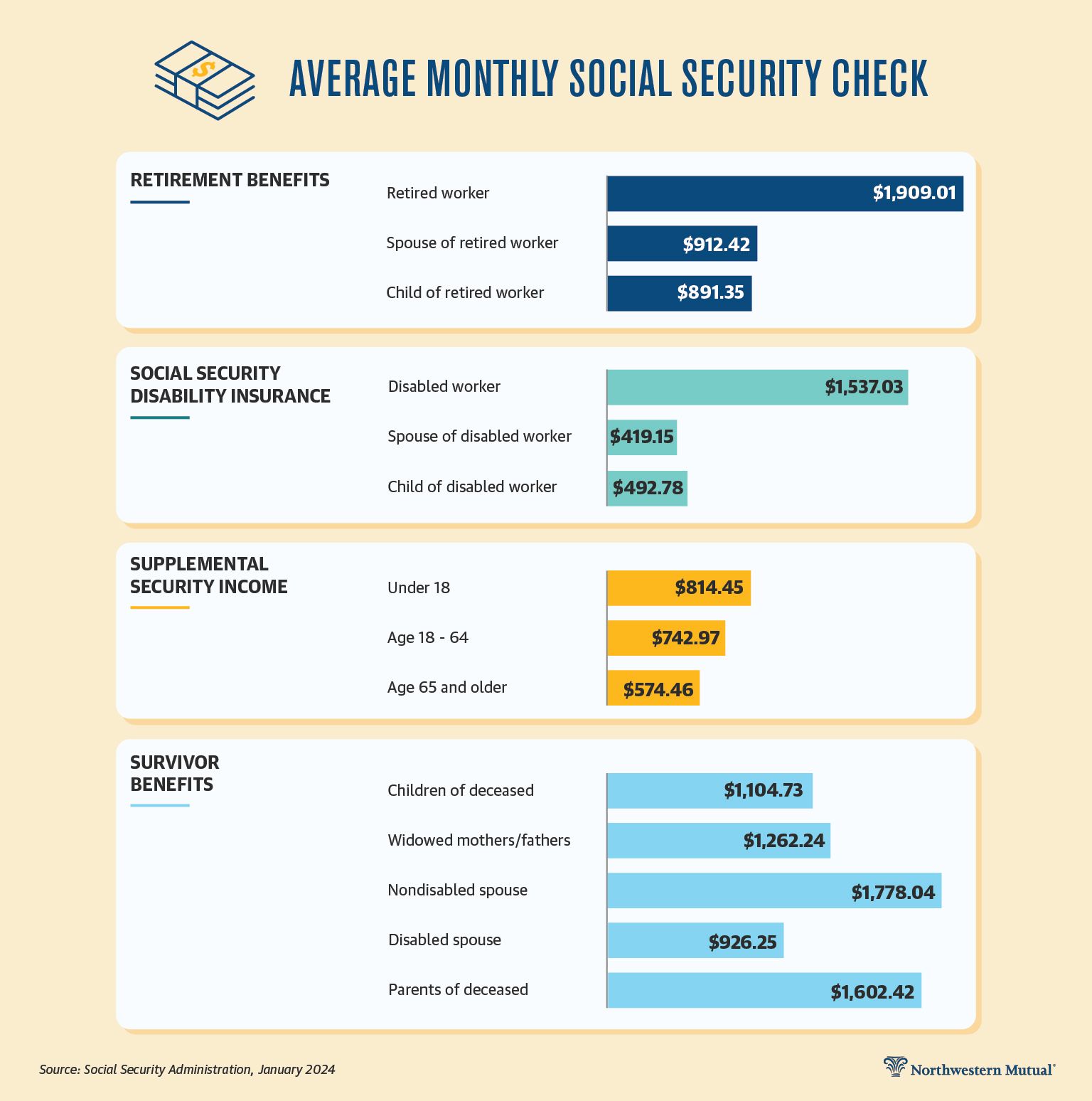
The most widely recognized benefit of Social Security is retirement income. After contributing to the system for a specified number of years, you become eligible to receive monthly payments upon retirement. The amount of your benefit is primarily based on your highest 35 years of indexed earnings. The longer you work and contribute, and the higher your earnings (up to the annual wage base limit), the greater your potential retirement benefit. While Social Security is not typically designed to be your sole source of retirement income, it serves as a critical foundation, often replacing about 40% of pre-retirement earnings for the average worker. Deciding when to claim these benefits—at your full retirement age (FRA), earlier with a reduced benefit, or later with an increased benefit—is a significant financial planning decision that can impact your total lifetime benefits.
Disability Benefits: A Safety Net for the Unexpected
Social Security also provides a vital safety net for individuals who become severely disabled and are unable to work. Social Security Disability Insurance (SSDI) benefits are available to workers who have contributed to Social Security through payroll taxes and have accumulated sufficient work credits. These benefits provide a regular income stream to help cover living expenses when an injury or illness prevents a person from engaging in substantial gainful activity. The criteria for disability are strict, requiring a condition that is expected to last at least a year or result in death. For those who meet the eligibility requirements, SSDI can be an invaluable source of support, protecting individuals and families from financial ruin in the face of unforeseen health challenges.
Survivor Benefits: Protecting Your Loved Ones
Another critical, often overlooked, aspect of Social Security is its survivor benefits. If a worker who has paid into Social Security passes away, certain family members may be eligible to receive monthly benefits. This can include a spouse, divorced spouse, children, or dependent parents. These benefits provide financial relief during a difficult time, helping families cope with the loss of a primary wage earner. For instance, a surviving spouse caring for the deceased’s children can receive benefits until the youngest child reaches age 16, and children can receive benefits until they turn 18 (or 19 if still in high school). This feature highlights Social Security’s role not just as a retirement program, but as a comprehensive family protection plan.
Earning Social Security Credits: The Path to Eligibility
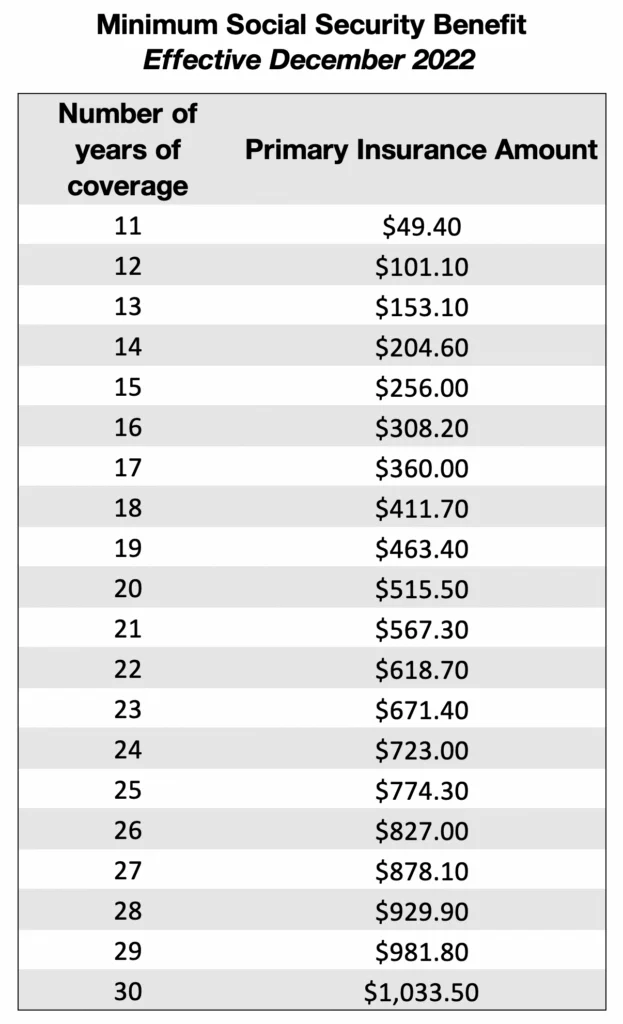
To qualify for Social Security benefits, you need to earn “credits” through your work and contributions. You can earn up to four credits each year. In 2024, you earn one credit for every $1,730 in earnings, up to the maximum of four credits for earning $6,920 or more. Most people need 40 credits (10 years of work) to be eligible for retirement benefits. However, fewer credits are needed for disability or survivor benefits, especially for younger workers. For example, a person under age 24 might only need 6 credits earned in the 3 years before their disability. Understanding how credits are earned and how many you need for different types of benefits is crucial for planning your financial security. The SSA provides annual statements that detail your earnings record and estimated benefits, which are invaluable tools for tracking your progress towards eligibility.
The Bigger Picture: Social Security in Your Financial Strategy
Understanding “how much Social Security I pay” goes beyond mere compliance; it’s about integrating this fundamental program into a comprehensive and resilient personal financial strategy. Social Security is a powerful, guaranteed income source in retirement, but it’s rarely sufficient on its own. Strategic planning involves leveraging this bedrock benefit while actively building other income streams to ensure a comfortable and secure future.
Integrating Social Security into Retirement Planning
Social Security should be viewed as a component of your broader retirement plan, not the entirety of it. Financial planners often advise clients to estimate their Social Security benefits and then determine how much additional savings and investments are needed to meet their desired retirement lifestyle. This might involve setting up 401(k)s, IRAs, or other investment accounts. Your claiming strategy for Social Security—whether to take benefits at age 62, at your full retirement age, or delay until age 70—can significantly impact your overall retirement income. Waiting longer increases your monthly benefit amount, but requires you to cover expenses from other sources in the interim. A personalized approach, considering your health, other assets, and family situation, is crucial for making the most informed decision.
The Role of Social Security in a Diversified Portfolio
For many, Social Security acts as a unique form of inflation-adjusted annuity, providing a stable income stream that complements more volatile investment portfolios. Because its payments are generally indexed to inflation through Cost-of-Living Adjustments (COLAs), it offers a layer of protection against rising prices that many traditional investments do not inherently provide. This can allow for a more aggressive allocation in other parts of a retirement portfolio, as the basic needs are covered by a relatively secure and stable source. Including Social Security in your overall portfolio analysis helps you understand your total income potential and risk exposure, leading to more robust and diversified financial planning.
Planning for Changes: Future of Social Security
While Social Security has been a cornerstone of American financial security for decades, its long-term solvency is a frequent topic of discussion. Demographic shifts, such as an aging population and lower birth rates, mean fewer workers are contributing for each beneficiary. While the program is not expected to “run out of money,” projections indicate that without congressional action, it may only be able to pay a reduced percentage of promised benefits in the coming decades. Savvy financial planning acknowledges these potential challenges. While you shouldn’t panic, it’s prudent to plan your retirement assuming Social Security will provide a significant, but perhaps slightly less than 100%, portion of your projected benefits. This proactive mindset encourages greater personal savings and reduces over-reliance on a single income source.

Actionable Steps: Reviewing Your Social Security Statement
The single most important step you can take to understand your Social Security contributions and benefits is to regularly review your Social Security Statement. You can access this online by creating an account at ssa.gov/myaccount. This statement provides a personalized record of your earnings history, estimated retirement benefits at different ages, and potential disability and survivor benefits. It also allows you to check for any inaccuracies in your earnings record, which could impact your future benefits. Regularly checking this statement ensures that your contributions are correctly recorded and helps you make informed decisions about your financial future. It’s a powerful tool for monitoring your progress and validating the investment you’re making through your Social Security payments.
In conclusion, knowing how much Social Security you pay involves more than just seeing a deduction on your paycheck. It requires an understanding of FICA taxes, the interplay between employee and employer contributions (or SECA for the self-employed), and the ever-important wage base limits. More profoundly, it means recognizing that these contributions are an investment in a critical safety net for retirement, disability, and survivor benefits. By integrating this knowledge into your financial planning, regularly reviewing your Social Security statement, and proactively planning for your future, you can maximize the value of your contributions and build a more secure financial foundation for yourself and your loved ones.
aViewFromTheCave is a participant in the Amazon Services LLC Associates Program, an affiliate advertising program designed to provide a means for sites to earn advertising fees by advertising and linking to Amazon.com. Amazon, the Amazon logo, AmazonSupply, and the AmazonSupply logo are trademarks of Amazon.com, Inc. or its affiliates. As an Amazon Associate we earn affiliate commissions from qualifying purchases.