
In an increasingly health-conscious world, the pursuit of optimal nutrition has become a central focus for many. From athletes aiming to maximize performance to individuals striving for better general health and body composition, protein intake is consistently highlighted as a critical macronutrient. However, discerning the precise amount of protein one needs daily can be a complex equation, influenced by myriad personal factors. This complexity, traditionally handled by nutritionists or through painstaking manual calculations, is now being elegantly simplified by technological innovations: the digital protein calculator.
These sophisticated software applications and web-based tools represent a significant leap in personalized nutrition. They demystify the science of protein requirements, offering individuals accessible, data-driven insights tailored to their unique physiological profiles and lifestyle goals. Far from being simplistic arithmetic tools, modern protein calculators leverage advanced algorithms, intuitive interfaces, and increasingly, artificial intelligence to deliver precision and actionable advice. This article delves into the technological underpinnings, advanced functionalities, and the transformative impact of these digital utilities within the broader landscape of health technology.

The Core Technology Behind Protein Calculators
At its heart, a protein calculator is a testament to the power of applied computational science in simplifying complex biological data. It transforms a multitude of personal inputs into a singular, actionable dietary recommendation. Understanding its technological core reveals the sophistication hidden beneath a user-friendly façade.
Algorithmic Foundations and Input Parameters
The efficacy of any protein calculator hinges on the robustness of its underlying algorithms. These algorithms are built upon established nutritional science and physiological models, translating user-provided data into a recommended protein intake. Key input parameters typically include:
- Age and Gender: Metabolic rates and protein synthesis efficiency vary significantly across different age groups and genders.
- Weight and Height: These foundational metrics are crucial for calculating Body Mass Index (BMI) and Basal Metabolic Rate (BMR), which inform overall energy needs.
- Activity Level: This is a critical multiplier. Sedentary individuals require less protein than those engaged in moderate exercise, and competitive athletes or heavy laborers have substantially higher needs.
- Body Composition: More advanced calculators may ask for body fat percentage or lean body mass. This is vital because protein needs are often more accurately tied to lean mass rather than total body weight, especially for individuals with higher body fat percentages.
- Fitness Goals: Whether the user aims for muscle gain (hypertrophy), fat loss (calorie deficit with muscle preservation), or maintenance, the protein recommendation will adjust accordingly. For instance, a calorie-restricted diet often necessitates higher protein intake to prevent muscle catabolism.
- Dietary Restrictions/Preferences: Some tools allow users to input dietary choices (e.g., vegetarian, vegan) to ensure recommendations are practical and achievable within their chosen eating patterns.
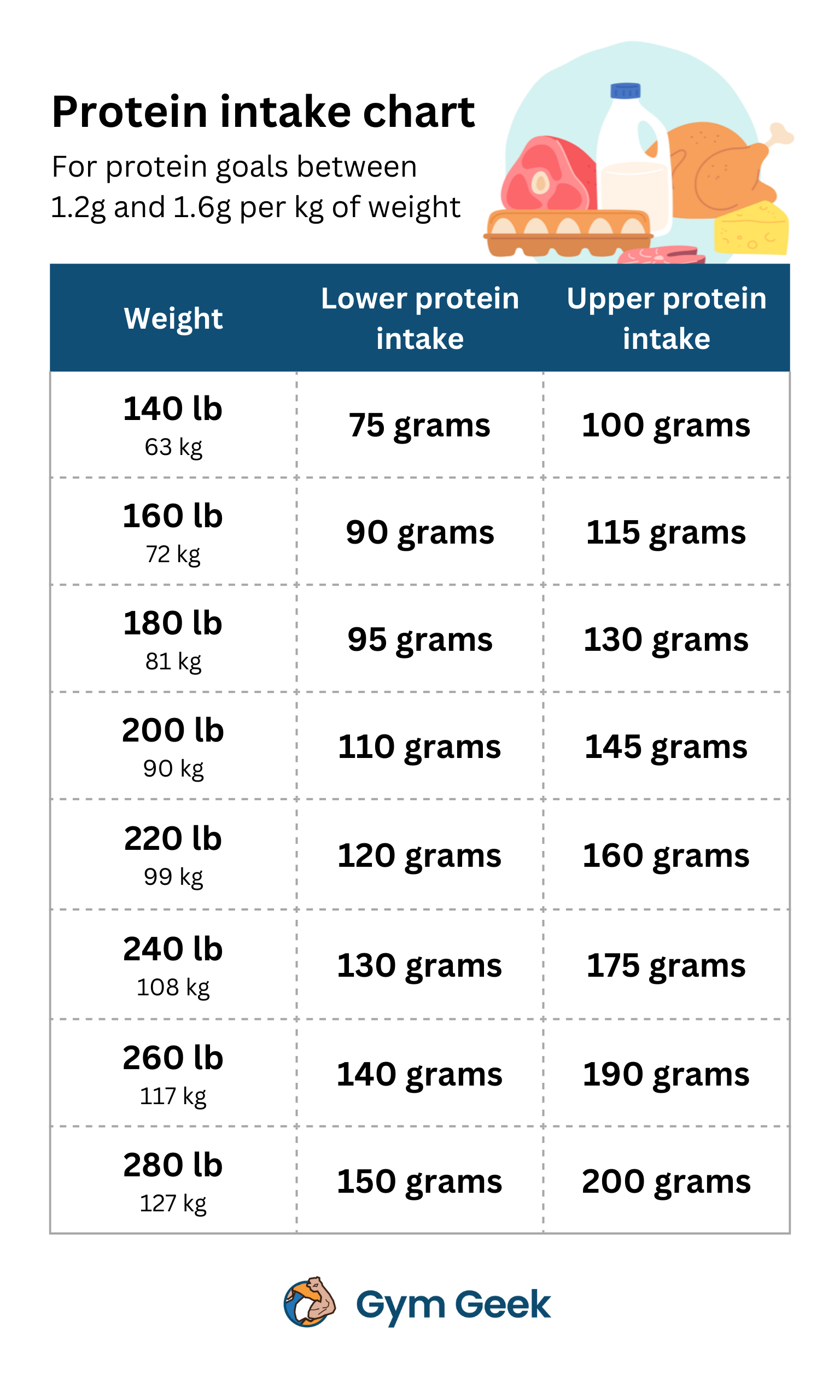
The algorithms then process these inputs, often referencing scientifically validated formulas such as those based on grams of protein per kilogram of body weight (e.g., 0.8g/kg for sedentary, up to 2.2g/kg or more for strength athletes) or per pound of lean mass. These formulas are then refined with multipliers specific to activity level, age, and goals, ensuring a personalized output.
User Interface and Experience Design
While the algorithms provide the brainpower, the user interface (UI) and user experience (UX) design determine the calculator’s accessibility and adoptability. A technically brilliant calculator will fail if users cannot easily input their data or interpret the results.
- Intuitive Data Input: Modern calculators employ interactive elements like sliders for weight and age, dropdown menus for activity levels, and clear input fields. This minimizes typing errors and enhances the speed of data entry.
- Clear Result Presentation: Beyond a single numerical value, effective calculators present results in an easily digestible format. This might include:
- Graphical representations showing recommended protein ranges.
- Breakdowns of protein needs per meal or across the day.
- Examples of protein-rich foods and their typical protein content to help users visualize how to meet their target.
- Responsiveness and Accessibility: The best tools are designed to be responsive, functioning seamlessly across various devices—desktops, tablets, and smartphones. Accessibility features, such as clear font choices, sufficient color contrast, and keyboard navigation, are also crucial for a wider user base.
- Feedback and Guidance: Some calculators provide explanatory text alongside the results, detailing why a particular recommendation was given, which builds user trust and understanding of nutritional principles.
Beyond Basic Calculation: Advanced Features and AI Integration
The evolution of protein calculators extends far beyond simple input-output functions. Integrating advanced features and leveraging artificial intelligence has transformed them into dynamic, intelligent nutritional companions.
Personalized Recommendations and Dynamic Adjustments
Traditional calculators offer a static recommendation based on initial inputs. However, advanced versions move towards dynamic personalization, adapting to a user’s evolving context.
- Integration with Wearable Technology: By linking with fitness trackers (e.g., smartwatches, activity bands), calculators can pull real-time data on exercise duration, intensity, and estimated calorie expenditure. This allows for dynamic adjustments to protein needs on a day-to-day basis, accounting for unusually strenuous workouts or recovery periods.
- Daily Macro Tracking: Many calculators are integrated into larger nutrition tracking apps. Users can log their food intake, and the calculator constantly compares actual protein consumption against the recommended target, providing instant feedback and prompting adjustments.
- Goal Progress Tracking: As users progress towards their fitness goals (e.g., losing weight, gaining muscle), their body composition changes. Advanced calculators can track these changes over time and automatically recalibrate protein recommendations to ensure they remain relevant to the user’s current physiological state and updated goals.
- Meal Timing and Distribution: Instead of just a daily total, some tools offer guidance on how to distribute protein intake throughout the day, suggesting optimal timings for protein consumption relative to workouts or sleep for maximum synthesis and recovery.
Predictive Analytics and Goal-Oriented Planning

The future of protein calculation lies in its ability to not only react to current data but also to predict future needs and guide strategic planning, often powered by AI and machine learning.
- Forecasting Nutrient Needs: Based on user-defined future training schedules, weight loss targets, or muscle gain aspirations, AI can predict how protein needs will shift over weeks or months. This allows users to plan their diets proactively, ensuring they have the necessary protein to support their evolving goals.
- Scenario Planning: Users can experiment with “what-if” scenarios, such as “What if I increase my training intensity by X?” or “What if I aim to lose Y pounds in Z weeks?” The calculator, leveraging predictive analytics, can then model the corresponding protein adjustments required, offering a powerful planning tool.
- Integration with Comprehensive Health Ecosystems: The most advanced tools seamlessly integrate with other health apps, medical records, and even smart kitchen appliances. This creates a holistic ecosystem where protein intake is just one component of an overall personalized health strategy, influenced by sleep patterns, stress levels, hydration, and general well-being.
- Dietary Pattern Analysis: Machine learning algorithms can analyze a user’s historical dietary patterns to identify common protein sources, potential deficiencies, and even suggest new, culturally appropriate, and palatable protein-rich foods to diversify their diet and help meet targets more effectively.
The Impact and Future of Digital Protein Tracking
The advent and continuous evolution of protein calculators signify a fundamental shift in how individuals approach their nutritional health. These technological tools are not merely convenient; they are empowering, educational, and are set to become even more integral to personalized wellness.
Empowering Users Through Data
The primary impact of these digital tools is democratizing access to personalized nutritional information.
- Demystifying Nutrition Science: Protein requirements, once shrouded in complex scientific jargon, are now distilled into easily understandable metrics. This empowerment enables individuals to make informed dietary choices without necessarily needing an extensive background in nutrition.
- Promoting Adherence and Consistency: By providing clear targets and real-time feedback, calculators help users stay consistent with their dietary goals. The immediate feedback loop—comparing consumed protein to the target—serves as a powerful motivator.
- Reducing Guesswork: Eliminating the guesswork associated with protein intake helps prevent both under-consumption (which can hinder muscle growth and recovery) and over-consumption (which, while generally safe for healthy individuals, can be an inefficient use of resources).
- Educational Value: Many calculators provide links to scientific articles or offer context for their recommendations, turning the tool into a learning platform that educates users on the principles of protein metabolism and its role in health.
Emerging Technologies and Future Trends
The trajectory of protein calculator technology points towards even greater sophistication, integration, and personalization.
- Voice Assistant Integration: The ability to verbally inquire “How much protein do I need today?” or “Log my protein intake for lunch” via smart speakers or smartphone assistants will make tracking even more seamless and hands-free.
- Augmented Reality (AR) for Food Analysis: Imagine scanning your plate with a smartphone camera, and an AR overlay instantly estimates the protein content of various items. This could revolutionize meal tracking accuracy and speed.
- Hyper-Personalization via Genomic Data: In the distant future, protein recommendations might be tailored based on individual genetic predispositions (e.g., genetic variations affecting nutrient absorption or metabolism), moving beyond population-level averages to truly individualized nutritional science.
- Seamless IoT Integration: Connectivity with smart scales, smart fridges (tracking inventory), and even smart cooking appliances could lead to automated meal planning and preparation suggestions based on real-time protein needs.
- Ethical Considerations and Accuracy: As these tools become more powerful, the ethical implications of data privacy, the potential for algorithmic bias, and ensuring the scientific validity of recommendations will become paramount. Future developments must prioritize robust validation and transparency.
Choosing and Utilizing the Right Protein Calculator App
With a growing number of digital protein calculators available, making an informed choice and utilizing the chosen tool effectively is key to maximizing its benefits.
Key Features to Look For
When evaluating a protein calculator, consider these essential attributes to ensure you select a reliable and effective tool:
- Scientific Backing and Algorithm Accuracy: Prioritize calculators that explicitly state the scientific models or guidelines they use (e.g., recommended daily allowances, sports nutrition guidelines). Tools developed or endorsed by registered dietitians or reputable health organizations are often more trustworthy.
- User-Friendliness and Intuitive Design: The interface should be easy to navigate, with clear input fields, immediate feedback, and understandable results. A cluttered or confusing design will deter consistent use.
- Integration Capabilities: Does the calculator integrate with other apps you use (e.g., fitness trackers, general nutrition logging apps like MyFitnessPal or Cronometer)? Seamless integration enhances the overall utility and avoids manual data transfer.
- Customization and Advanced Options: Look for features that allow for detailed input (e.g., body fat percentage, specific activity types) and offer more than just a single number (e.g., protein distribution, meal examples).
- Reputation and Reviews: Check app store reviews, expert recommendations, and user testimonials to gauge the tool’s reliability, customer support, and track record of updates.
- Data Privacy and Security: Understand how the app handles your personal health data. Reputable apps will have clear privacy policies and robust security measures.
Maximizing Your Digital Nutrition Tool
Once you’ve selected a protein calculator, effective utilization is paramount:
- Accurate Data Input: Be honest and precise with your initial inputs. Regularly update your weight, activity level, and goals as they change to ensure the recommendations remain relevant.
- Understand the “Why”: Don’t just follow the numbers blindly. Many calculators offer explanations or links to resources. Take the time to understand the principles behind the recommendations.
- Regular Monitoring and Adjustment: Your body and goals are not static. Use the calculator as a dynamic guide, checking in regularly (e.g., weekly or monthly) to see if adjustments are needed based on your progress and evolving lifestyle.
- Combine with Holistic Health Practices: While invaluable, a protein calculator is one piece of the wellness puzzle. Integrate its insights with adequate sleep, hydration, stress management, and a balanced diet rich in micronutrients for overall optimal health.
In conclusion, the “how much protein do I need a day calculator” is far more than a simple numerical tool. It embodies the intersection of technology and personalized health, offering an increasingly sophisticated, accessible, and dynamic means for individuals to take charge of their nutritional needs. As artificial intelligence, wearable technology, and big data continue to advance, these digital companions will undoubtedly become even more indispensable in our collective journey towards better health and well-being.
aViewFromTheCave is a participant in the Amazon Services LLC Associates Program, an affiliate advertising program designed to provide a means for sites to earn advertising fees by advertising and linking to Amazon.com. Amazon, the Amazon logo, AmazonSupply, and the AmazonSupply logo are trademarks of Amazon.com, Inc. or its affiliates. As an Amazon Associate we earn affiliate commissions from qualifying purchases.