
Navigating the landscape of health insurance costs can feel like an arduous journey through a dense fog. For many individuals and families, understanding “how much on average is health insurance” is not just a question of curiosity but a critical component of their financial planning. The truth is, there isn’t one simple average number that applies universally. Health insurance premiums and out-of-pocket expenses are highly individualized, influenced by a myriad of factors from your age and location to the type of plan you choose and your income level. This article aims to lift the fog, providing a comprehensive guide to understanding the true costs of health insurance, the factors that drive them, and strategies for managing these significant financial commitments.
The Elusive “Average”: Why a Single Number Doesn’t Tell the Whole Story
When seeking to understand the average cost of health insurance, it’s crucial to acknowledge that a single, definitive figure is misleading. The “average” can fluctuate wildly depending on the context, often obscuring the nuances that truly impact an individual’s financial burden. To get a clearer picture, we must dissect the different avenues through which people obtain coverage and the fundamental elements that constitute its cost.
Distinguishing Between Individual and Family Plans
One of the most significant differentiators in health insurance costs is whether the plan covers an individual or a family. Naturally, family plans, which typically cover an adult, their spouse, and/or dependents, come with a substantially higher premium than individual plans. The cost scales not just linearly with the number of people but often involves a complex calculation based on the age of each covered individual. While some plans might cap the number of children for whom premiums are charged, adding a spouse almost always incurs a significant increase. Understanding this distinction is the first step in assessing a relevant “average.”
Employer-Sponsored vs. Marketplace Plans
The channel through which you acquire health insurance also profoundly impacts its cost. The vast majority of Americans are covered by employer-sponsored plans, where employers typically shoulder a substantial portion of the premium. This subsidy drastically reduces the out-of-pocket cost for employees. On the other hand, individuals purchasing plans through the Health Insurance Marketplace (or state exchanges) often bear the full cost of the premium, though many are eligible for significant financial assistance. The “average” for employer-sponsored coverage reflects a lower personal outlay, while the “average” for marketplace plans often reflects the gross premium before subsidies. This makes direct comparisons difficult without accounting for these critical differences in funding mechanisms.
The Role of Deductibles, Co-pays, and Coinsurance
Beyond the monthly premium, the true financial impact of health insurance is heavily influenced by out-of-pocket costs, which include deductibles, co-pays, and coinsurance.
- Deductible: This is the amount you must pay for covered healthcare services before your insurance plan starts to pay. High-deductible plans typically have lower monthly premiums, but you’ll pay more upfront if you need significant medical care.
- Co-pay: A fixed amount you pay for a covered healthcare service after you’ve paid your deductible. For example, you might pay a $30 co-pay for a doctor’s visit.
- Coinsurance: Your share of the cost of a covered healthcare service, calculated as a percentage of the allowed amount for the service. For example, if your plan’s coinsurance is 20%, you’d pay 20% of the cost after your deductible, and your insurer would pay the remaining 80%.
These elements are crucial because a plan with a low monthly premium might have a high deductible and coinsurance, leading to higher overall costs if you use a lot of medical services, and vice versa. Therefore, an “average” premium alone can be highly misleading if not considered alongside these cost-sharing mechanisms.
Key Factors Driving Health Insurance Premiums
While the broad categories of individual/family and employer/marketplace plans set a fundamental framework for costs, numerous other specific factors intricately weave together to determine your precise health insurance premium. These variables explain why two individuals in the same state might pay vastly different amounts for seemingly similar coverage.
Age and Location
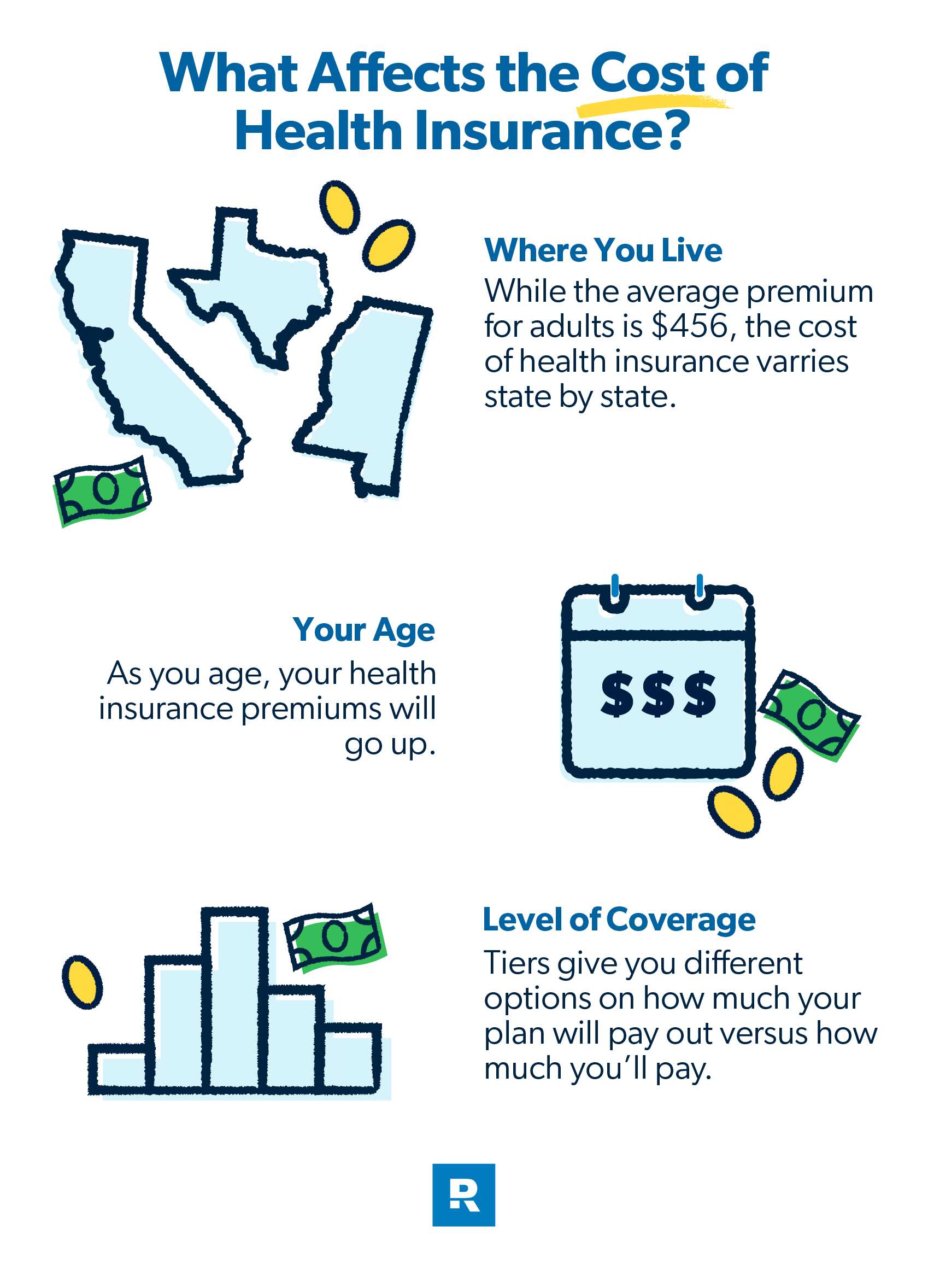
These are two of the most significant determinants of health insurance premiums. Generally, older individuals pay higher premiums than younger individuals, as the likelihood of requiring medical care typically increases with age. Insurers are legally allowed to charge older adults up to three times more than younger adults for the same plan.
Location also plays a critical role. Premiums can vary significantly from state to state, county to county, and even within different zip codes in the same city. This is due to variations in local healthcare costs, competition among insurers, state-specific regulations, and the general health status of the regional population. A person living in a rural area with limited healthcare providers might face different costs than someone in a densely populated urban center.
Plan Type (HMO, PPO, EPO, POS, HDHP)
The structure and flexibility of your chosen health insurance plan heavily influence its price.
- HMO (Health Maintenance Organization): Typically has lower premiums but restricts you to a network of doctors and hospitals, often requiring a primary care physician (PCP) referral to see specialists.
- PPO (Preferred Provider Organization): Offers more flexibility, allowing you to see out-of-network providers (though at a higher cost) and usually not requiring a referral for specialists. PPOs generally have higher premiums than HMOs.
- EPO (Exclusive Provider Organization): Similar to an HMO in that it restricts you to a network of providers, but generally doesn’t require a PCP referral.
- POS (Point of Service): A hybrid plan combining elements of HMOs and PPOs, offering both in-network and out-of-network options, often with a PCP gatekeeper.
- HDHP (High-Deductible Health Plan): Features higher deductibles in exchange for lower monthly premiums. These are often paired with Health Savings Accounts (HSAs), which offer tax advantages.
The trade-off between network access, referral requirements, and monthly premium is a crucial consideration when choosing a plan and directly impacts its cost.
Health Status and Lifestyle (Pre-ACA vs. Post-ACA)
Before the Affordable Care Act (ACA), an individual’s health status and pre-existing conditions were major factors in determining health insurance premiums, with insurers often denying coverage or charging exorbitant rates for those with chronic illnesses. However, the ACA fundamentally changed this. Now, under federal law, insurers cannot charge more or deny coverage based on health status or pre-existing conditions.
While your current health status doesn’t directly raise your premium for a marketplace plan, certain lifestyle choices, like tobacco use, can still increase costs.
Tobacco Use
Insurers are permitted to charge tobacco users a higher premium, often referred to as a “tobacco surcharge.” This surcharge can add a significant percentage (up to 50%) to your monthly premium for marketplace plans. This is one of the few personal lifestyle factors that can still directly and legally impact your health insurance cost post-ACA, reflecting the higher health risks associated with smoking.
Understanding Financial Assistance and Subsidies
For many Americans, particularly those purchasing health insurance through the marketplace, the gross premium is not the amount they actually pay. Various forms of financial assistance exist to make health insurance more affordable, significantly reducing the “average” cost for eligible individuals and families. These subsidies are a cornerstone of accessibility under the ACA.
Premium Tax Credits (PTC)
Premium Tax Credits are the most common form of financial assistance available on the Health Insurance Marketplace. They are government subsidies designed to help eligible individuals and families lower their monthly health insurance premiums. Eligibility is primarily based on income relative to the federal poverty level (FPL) and household size. The amount of your tax credit is calculated on a sliding scale, meaning those with lower incomes receive larger credits. You can choose to have these credits paid directly to your insurance company each month, reducing your upfront payment, or claim them when you file your federal income tax return. The availability of PTCs fundamentally alters the actual cost of health insurance for millions.
Cost-Sharing Reductions (CSR)

Beyond lowering monthly premiums, some eligible individuals can also benefit from Cost-Sharing Reductions (CSRs). CSRs reduce the amount you have to pay for deductibles, co-payments, and coinsurance. In essence, they lower your out-of-pocket maximum and increase the actuarial value of your plan, meaning your plan covers a higher percentage of your medical costs. To qualify for CSRs, you must enroll in a silver-level plan on the Marketplace and meet specific income requirements (generally between 100% and 250% of the FPL). CSRs are a powerful tool for making healthcare more affordable by reducing the financial burden at the point of service.
Medicaid and CHIP
For individuals and families with very low incomes, Medicaid provides comprehensive health coverage with minimal or no out-of-pocket costs. Medicaid is a joint federal and state program, and eligibility rules can vary by state, particularly regarding income thresholds (often tied to the FPL). Many states have expanded their Medicaid programs under the ACA, covering more low-income adults.
The Children’s Health Insurance Program (CHIP) provides low-cost health coverage to children in families who earn too much to qualify for Medicaid but cannot afford private insurance. Some states also cover pregnant women through CHIP. These programs are vital safety nets, ensuring that the most vulnerable populations have access to essential healthcare services.
Employer Contributions
For those covered by employer-sponsored plans, the most significant “subsidy” comes directly from their employer. Employers typically contribute a substantial percentage (often 70% to 90% or more) of the total premium for employee-only coverage, and a notable portion for family coverage. This employer contribution drastically reduces the employee’s out-of-pocket premium cost, making employer-sponsored plans often much more affordable than purchasing a comparable plan on the individual marketplace without subsidies. Understanding this employer contribution is key to appreciating the true value and cost structure of workplace health benefits.
Beyond the Premium: Total Out-of-Pocket Costs
While the monthly premium is the most visible cost of health insurance, focusing solely on it provides an incomplete and potentially misleading picture of your total healthcare expenses. The true financial burden includes all the out-of-pocket costs incurred throughout the year, from doctor visits to prescriptions and hospital stays. Understanding these components is critical for accurate financial planning and avoiding unwelcome surprises.
The Importance of the Out-of-Pocket Maximum
Every compliant health insurance plan has an annual out-of-pocket maximum, which is the most you’ll have to pay for covered healthcare services in a policy year. Once you reach this limit, your insurance plan pays 100% of the cost of all covered benefits for the remainder of the year. This maximum is a crucial financial safeguard, capping your potential financial liability in the event of a serious illness or injury. When comparing plans, a lower out-of-pocket maximum can be a significant advantage, even if it comes with a slightly higher premium. For those with chronic conditions or anticipating significant medical needs, a plan with a manageable out-of-pocket maximum can offer peace of mind and financial predictability.
Analyzing Your Healthcare Utilization
Choosing the right health insurance plan requires an honest assessment of your anticipated healthcare needs.
- Low utilization: If you are generally healthy, rarely visit the doctor, and take no prescription medications, a high-deductible health plan (HDHP) with lower monthly premiums might be the most cost-effective option. You save on premiums and only pay the deductible if an unexpected major medical event occurs.
- Moderate utilization: If you have regular doctor visits, take routine medications, or have a chronic condition that requires ongoing management, a plan with a higher premium but lower deductible and co-pays (like a PPO or an HMO with a strong network) might save you money in the long run. The higher upfront cost is offset by lower expenses at the point of care.
- High utilization: For those anticipating surgeries, having complex chronic conditions, or planning a pregnancy, a plan with a low deductible and a low out-of-pocket maximum, even with a higher premium, is often the most financially prudent choice. Your total costs will likely hit the maximum, making the premium the primary variable.
Hidden Costs: Unexpected Medical Bills and Non-Covered Services
Despite careful planning, hidden costs can still emerge. Unexpected medical bills, often referred to as “surprise billing,” can occur when you receive care from an out-of-network provider or facility without your knowledge, even if your primary facility is in-network. While federal legislation (the No Surprises Act) has aimed to mitigate this, vigilance is still required.
Furthermore, not all services are covered by all plans. Certain cosmetic procedures, experimental treatments, or specific types of alternative medicine might be excluded. Understanding your plan’s exclusions and limitations is vital to avoid paying 100% of the cost for services you assumed were covered. Always review the Summary of Benefits and Coverage (SBC) and the full plan documents.
Strategies for Managing and Reducing Health Insurance Expenses
While health insurance costs can be substantial, there are proactive steps individuals and families can take to manage and potentially reduce their expenses. Strategic planning and informed decision-making are key to optimizing your healthcare spending without compromising necessary coverage.
Smart Plan Selection
The most impactful strategy begins with intelligent plan selection during open enrollment periods. Don’t just auto-renew your existing plan. Take the time to:
- Compare plans annually: Premiums, deductibles, and networks change every year. What was the best plan for you last year might not be this year.
- Assess your needs vs. plan features: As discussed earlier, match the plan’s cost structure (premiums vs. out-of-pocket costs) to your anticipated healthcare utilization.
- Check networks: Ensure your preferred doctors, specialists, and hospitals are in-network to avoid higher out-of-network costs.
- Review prescription drug coverage: If you take regular medications, check the plan’s formulary to ensure your drugs are covered and at what tier.
Leveraging HSAs and FSAs
Health Savings Accounts (HSAs) and Flexible Spending Accounts (FSAs) are powerful tax-advantaged tools that can help reduce your overall healthcare costs.
- HSAs: Available only with high-deductible health plans (HDHPs), HSAs allow you to contribute pre-tax dollars (or tax-deductible if self-employed) to an account that can be used for qualified medical expenses. The funds grow tax-free, and withdrawals for medical expenses are also tax-free. HSAs are portable and roll over year-to-year, making them a potent long-term savings vehicle for healthcare.
- FSAs: Typically offered through employer-sponsored plans, FSAs also allow you to set aside pre-tax money for medical expenses. However, FSAs generally operate on a “use-it-or-lose-it” basis, meaning funds typically do not roll over from year to year (though some plans allow a small carryover or a grace period). FSAs can also be used for dependent care expenses.
Utilizing these accounts can significantly lower your taxable income and provide a dedicated fund for medical costs.
Exploring Alternative Options
While traditional employer or marketplace plans are the most common, some individuals might consider alternative options, though with important caveats:
- Short-term plans: These plans offer limited, temporary coverage (often up to a year) and have much lower premiums. However, they are not ACA-compliant, do not cover pre-existing conditions, offer limited benefits, and often have high deductibles. They are generally only suitable for healthy individuals in transition periods (e.g., between jobs).
- Health sharing ministries: These are not insurance plans but rather arrangements where members with shared religious or ethical beliefs voluntarily share medical costs. They are exempt from ACA regulations and may deny coverage for pre-existing conditions or specific treatments. They can be significantly cheaper but come with inherent risks and uncertainties, as there’s no guarantee of payment.
These alternatives should be thoroughly researched and considered only after understanding their limitations and potential risks.
Regular Review and Comparison
The healthcare landscape is dynamic. Insurers adjust their offerings, your personal health needs may change, and your financial situation can evolve. Making it a habit to regularly review your health insurance plan, ideally annually during open enrollment, is paramount. Use online comparison tools provided by the Marketplace or your employer to weigh your options. Look beyond the sticker price and consider the total cost of ownership, including premiums, deductibles, co-pays, and out-of-pocket maximums, in relation to your projected medical expenses. This proactive approach ensures you remain optimally covered at the most affordable price point.

Conclusion
Understanding “how much on average is health insurance” is a complex endeavor, devoid of a simple, universal answer. It’s a multifaceted calculation influenced by individual circumstances, plan choices, geographic location, and available financial assistance. While the national averages provide a general benchmark, the true cost for any given person or family is a highly personalized figure. By dissecting the various components of health insurance costs – from premiums and deductibles to subsidies and out-of-pocket maximums – and proactively employing strategies for smart plan selection and financial management, individuals can navigate this intricate system more effectively. Ultimately, taking an informed and engaged approach to your health insurance decisions is the most powerful tool for ensuring adequate coverage while safeguarding your financial well-being.
aViewFromTheCave is a participant in the Amazon Services LLC Associates Program, an affiliate advertising program designed to provide a means for sites to earn advertising fees by advertising and linking to Amazon.com. Amazon, the Amazon logo, AmazonSupply, and the AmazonSupply logo are trademarks of Amazon.com, Inc. or its affiliates. As an Amazon Associate we earn affiliate commissions from qualifying purchases.