
Understanding the true cost of medical insurance is more complex than simply looking at a monthly premium. It’s a critical component of personal and business financial planning, deeply intertwined with budgeting, risk management, and long-term financial stability. For individuals, families, and employers alike, deciphering the financial intricacies of healthcare coverage is essential to making informed decisions that protect both health and wealth. The price tag for medical insurance is a dynamic figure, influenced by a multitude of variables ranging from individual demographics to national economic trends and regulatory frameworks.
Understanding the Core Components of Health Insurance Premiums
Medical insurance premiums, the regular payments made to an insurance provider, are the most visible cost, but they represent only one piece of the financial puzzle. Several key factors directly influence how these premiums are calculated and how much you will ultimately pay.

Age and Location: Demographic Impact on Rates
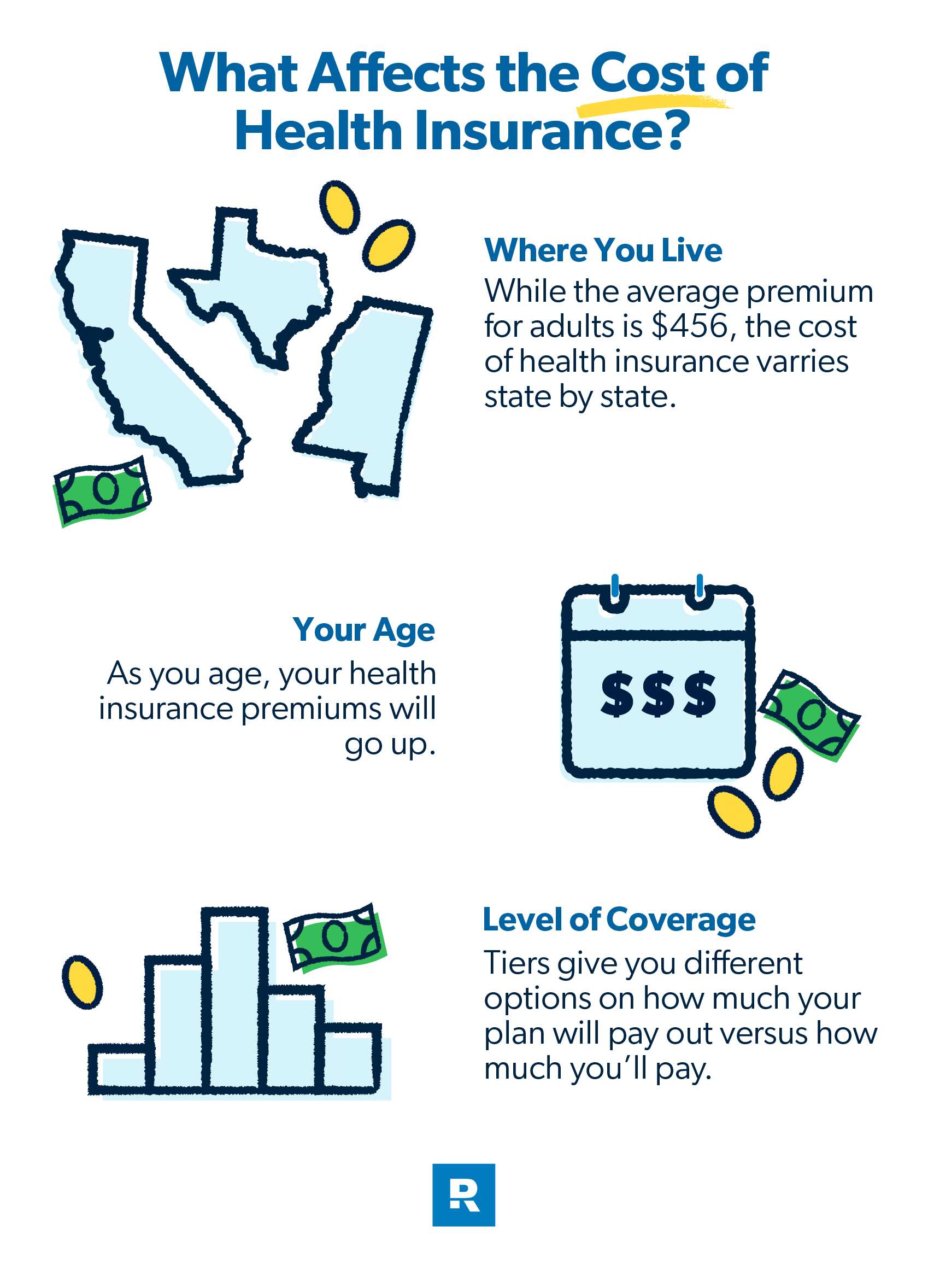
Age is a primary determinant of health insurance costs. Generally, younger individuals, statistically less prone to serious health issues, pay lower premiums than older adults. Premium rates typically increase significantly as individuals approach their 50s and 60s. Location also plays a substantial role. Healthcare costs vary widely by state, county, and even zip code due to differences in local healthcare expenses, competition among providers, state regulations, and the general health of the population. For instance, areas with higher medical procedure costs or fewer hospitals might see higher insurance rates.
Plan Type and Coverage Level: HMOs, PPOs, HDHPs, and Their Price Tags
The type of health insurance plan you choose profoundly impacts its cost and the flexibility it offers.
- HMOs (Health Maintenance Organizations) generally have lower premiums but restrict coverage to a network of doctors and hospitals, often requiring a primary care physician (PCP) referral for specialists.
- PPOs (Preferred Provider Organizations) offer more flexibility, allowing you to see out-of-network providers (though at a higher cost) and typically not requiring referrals. This flexibility comes with higher premiums.
- HDHPs (High-Deductible Health Plans) feature lower monthly premiums but require you to pay more out-of-pocket before your insurance begins to cover costs. They are often paired with Health Savings Accounts (HSAs), offering tax advantages for saving and paying for medical expenses.
The breadth of coverage — what the plan pays for and to what extent — also dictates cost. Plans with more comprehensive benefits, lower deductibles, and broader networks typically carry higher premiums.
Deductibles, Copayments, and Coinsurance: Beyond the Premium
While premiums are fixed monthly payments, other out-of-pocket costs arise when you use medical services:
- Deductible: This is the amount you must pay for covered healthcare services before your insurance plan starts to pay. High deductibles mean lower premiums but more upfront out-of-pocket expenses when you need care.
- Copayment (Copay): A fixed amount you pay for a covered healthcare service after you’ve paid your deductible (though some services, like doctor visits, may only require a copay without meeting a deductible).
- Coinsurance: Your share of the cost for a covered healthcare service, calculated as a percentage of the allowed amount for the service. For example, if your coinsurance is 20%, you pay 20% of the cost, and your insurance pays 80% after you’ve met your deductible.
These components collectively determine the actual financial burden of your medical care, making it crucial to evaluate them in conjunction with the premium.
Health Status and Lifestyle Factors (where legally permissible)
Under the Affordable Care Act (ACA), individual and small group plans cannot base premiums on an applicant’s health status or pre-existing conditions. However, outside of ACA-compliant plans (e.g., short-term plans, grandfathered plans), or in certain employer-sponsored group plans, health status, tobacco use, and other lifestyle factors can still influence premiums. For instance, smokers may face significantly higher premiums in some contexts.
Navigating the Market: Individual vs. Group Plans
The channel through which you obtain health insurance significantly impacts its cost and available options.
Employer-Sponsored Plans: Often the Most Affordable Route
For many, the most common and often most affordable way to get health insurance is through an employer. Businesses typically share the cost of premiums with their employees, subsidizing a portion of the monthly payment. They also often offer a wider range of plan options and sometimes include benefits like dental and vision coverage. The employer’s contribution to premiums is a significant financial benefit, effectively reducing the employee’s out-of-pocket cost.
Individual Marketplace Plans: Options Through the ACA
If you don’t have access to employer-sponsored insurance, you can purchase plans through the Health Insurance Marketplace (Healthcare.gov or state-run exchanges). These plans are ACA-compliant, meaning they cover essential health benefits, cannot deny coverage for pre-existing conditions, and offer financial assistance based on income.
- Premium Tax Credits: These subsidies reduce your monthly premium, making coverage more affordable. Eligibility is based on household income and family size relative to the federal poverty level.
- Cost-Sharing Reductions: These subsidies reduce your out-of-pocket costs like deductibles, copayments, and coinsurance if your income falls within a certain range.
Short-Term Health Insurance: A Cheaper, Limited Alternative
Short-term health insurance plans offer temporary coverage, typically for less than a year, and often have significantly lower premiums than ACA-compliant plans. However, they are not regulated by the ACA, meaning they don’t have to cover essential health benefits, can deny coverage for pre-existing conditions, and often have annual and lifetime coverage limits. While cheaper, they come with substantial financial risks if you encounter significant health issues. They are generally suited for individuals in transition, not as a long-term financial solution.
Medicare and Medicaid: Government-Funded Solutions for Specific Demographics
- Medicare: Primarily serves individuals aged 65 or older, younger people with certain disabilities, and people with End-Stage Renal Disease. While not entirely “free,” Part A (hospital insurance) is typically premium-free if you or your spouse paid Medicare taxes for a certain number of years. Parts B (medical insurance), C (Medicare Advantage), and D (prescription drug coverage) involve monthly premiums, deductibles, and copayments, varying by plan and income.
- Medicaid: Provides low-cost or free health coverage to low-income individuals and families. Eligibility is based on income relative to the federal poverty level, with specific criteria varying by state. For those who qualify, Medicaid can eliminate the financial burden of premiums and significant out-of-pocket costs, acting as a vital safety net.
The True Cost of Healthcare: Beyond Monthly Premiums
Evaluating medical insurance costs requires a holistic view that extends beyond just the monthly premium. The “true cost” includes all potential expenditures related to your health over a year.
Out-of-Pocket Maximums: Protecting Against Catastrophic Costs
A crucial financial safeguard in most health insurance plans is the out-of-pocket maximum. This is the most you’ll have to pay for covered services in a plan year. Once you reach this limit, your insurance plan pays 100% of the costs for covered benefits for the rest of the year. Understanding this maximum is vital for financial planning, as it sets an upper limit on your financial exposure in case of a serious illness or accident. High out-of-pocket maximums generally correlate with lower premiums, and vice-versa.
Prescription Drug Costs: A Significant Variable
Prescription medications can represent a substantial and often unpredictable part of healthcare expenses. Insurance plans typically categorize drugs into tiers, with different copayments or coinsurance percentages for each tier (e.g., generic, preferred brand, non-preferred brand, specialty drugs). When comparing plans, evaluate their prescription drug formularies and what your likely out-of-pocket costs would be for any regular medications you take.
Preventative Care: Investing Now to Save Later
Many health insurance plans, particularly ACA-compliant ones, cover a wide range of preventative services at no extra cost (no copay or deductible). This includes annual physicals, screenings, and immunizations. Financially, taking advantage of preventative care can lead to significant savings by identifying and addressing potential health issues early, before they become more serious and costly to treat. Neglecting preventative care often results in higher healthcare expenditures down the line.
The Hidden Costs of Being Uninsured
While opting out of insurance might seem like a way to save on premiums, it carries immense financial risk. A single accident or serious illness can lead to medical bills costing tens or even hundreds of thousands of dollars, resulting in medical debt, bankruptcy, and long-term financial hardship. Beyond emergency care, the uninsured often forgo preventative or routine care, leading to poorer health outcomes and more expensive treatments later. The “cost” of being uninsured is the potentially catastrophic financial exposure and the ongoing erosion of health.
Strategies for Reducing Your Health Insurance Burden
Proactive financial planning can significantly mitigate the costs associated with medical insurance.
Maximizing Employer Contributions and Wellness Programs
If your employer offers health insurance, thoroughly review their contributions to premiums. This is often the most significant “discount” you’ll receive. Additionally, many employers offer wellness programs (e.g., gym reimbursements, health screenings, smoking cessation programs) that can earn you premium reductions or other financial incentives. Participating in these programs can lower your out-of-pocket costs and improve your overall health.
Exploring Subsidies and Tax Credits on the Marketplace
For individuals and families purchasing insurance through the Health Insurance Marketplace, it’s crucial to check eligibility for premium tax credits and cost-sharing reductions. These subsidies can dramatically lower your monthly payments and reduce deductibles and copayments, making comprehensive coverage accessible even with modest incomes. Use the official marketplace calculators to estimate your eligibility.
Health Savings Accounts (HSAs) and Flexible Spending Accounts (FSAs)
These tax-advantaged accounts are powerful financial tools for managing healthcare costs.
- HSAs are available with High-Deductible Health Plans (HDHPs). Contributions are tax-deductible, funds grow tax-free, and withdrawals for qualified medical expenses are tax-free. Unused funds roll over year-to-year and can be invested, making them a dual-purpose retirement and healthcare savings vehicle.
- FSAs are employer-sponsored accounts that allow you to set aside pre-tax money for healthcare expenses. While funds typically must be used within the plan year (some employers offer a grace period or limited carryover), they reduce your taxable income and provide tax-free funds for eligible medical, dental, and vision costs.
Shopping Around and Comparing Plans Annually
Health insurance plans and their pricing change every year. During open enrollment periods, it’s financially prudent to re-evaluate your current plan against new offerings. Compare premiums, deductibles, out-of-pocket maximums, copayments, and networks. Your health needs may have changed, and a different plan might offer better value for your specific situation. Don’t assume your current plan is still the best or most affordable option.
Negotiating Medical Bills
Even with insurance, large medical bills can arise. If you receive a bill that seems unusually high or for services you don’t recall, review it meticulously. Don’t hesitate to negotiate with providers. Hospitals and clinics often have financial assistance programs or are willing to offer discounts for prompt payment, especially for uninsured or underinsured patients. You can often negotiate lower prices for out-of-network services or non-emergency procedures.
The Long-Term Financial Planning Perspective
Integrating healthcare costs into your overall financial strategy is key to long-term economic security.
Integrating Health Costs into Your Budget
Healthcare expenses, both predictable (premiums) and unpredictable (out-of-pocket costs), must be factored into your regular budget. Create a line item for monthly premiums and consider setting aside additional funds for potential deductibles, copayments, and non-covered services. A realistic assessment of potential healthcare expenditures prevents financial surprises and helps maintain budgetary control.
Emergency Funds and Healthcare
An adequate emergency fund is paramount for covering unexpected medical expenses. Aim for 3-6 months of living expenses, but consider boosting this if you have a high-deductible plan or a chronic health condition. This fund acts as a buffer against unforeseen medical costs, preventing you from dipping into retirement savings or incurring debt.

Planning for Retirement Healthcare Expenses
Healthcare costs typically increase in retirement, even with Medicare. Factor in Medicare premiums (Parts B and D), supplemental insurance (Medigap), Medicare Advantage plan costs, and out-of-pocket expenses not covered by Medicare (e.g., dental, vision, long-term care). Financial advisors often recommend dedicated savings for these future healthcare needs, with HSAs proving to be an excellent tool for this purpose due to their triple-tax advantage and rollover capabilities.
In conclusion, understanding “how much medical insurance costs” requires a comprehensive financial analysis that extends far beyond the monthly premium. By diligently evaluating plan components, exploring market options, utilizing tax-advantaged accounts, and incorporating healthcare into a robust financial plan, individuals and businesses can navigate the complexities of healthcare finance more effectively, ensuring both physical and fiscal well-being.
aViewFromTheCave is a participant in the Amazon Services LLC Associates Program, an affiliate advertising program designed to provide a means for sites to earn advertising fees by advertising and linking to Amazon.com. Amazon, the Amazon logo, AmazonSupply, and the AmazonSupply logo are trademarks of Amazon.com, Inc. or its affiliates. As an Amazon Associate we earn affiliate commissions from qualifying purchases.