
Understanding your annual income is far more than just knowing the number on your latest pay stub. It’s the cornerstone of effective personal finance, influencing everything from your daily budget and ability to secure loans to your long-term investment strategies and retirement planning. For many, calculating this figure might seem straightforward, but a comprehensive understanding requires delving into various income streams, deductions, and financial nuances. This guide will walk you through defining, calculating, and ultimately leveraging your annual income to build a more robust financial future.
Defining Annual Income: More Than Just Your Salary
At its core, annual income refers to the total amount of money you earn over a fiscal year, typically a 12-month period. However, the simplicity ends there. Depending on your employment type and financial setup, your annual income can be a complex mosaic of various sources. Getting this figure right is paramount, as it serves as the foundation for nearly every financial decision you’ll make.
Gross vs. Net Income: Understanding the Difference
One of the most crucial distinctions to make when discussing annual income is between gross income and net income.
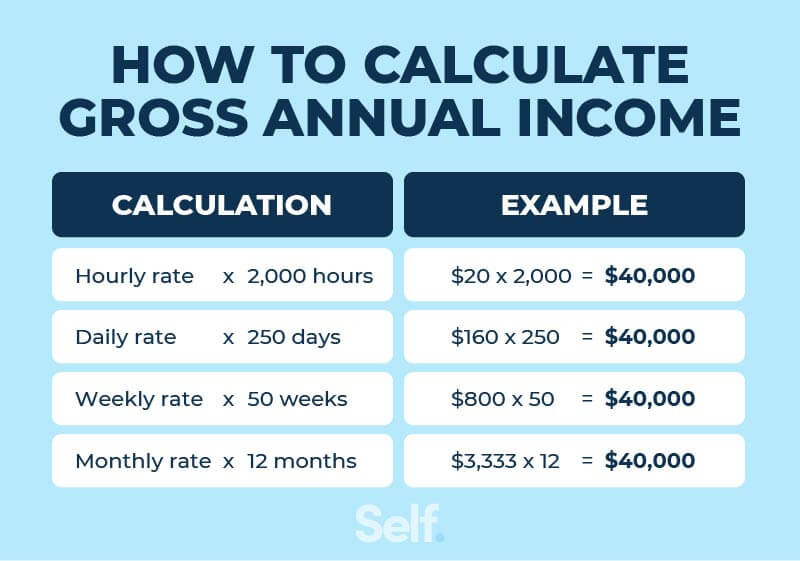
- Gross Annual Income: This is your total earnings before any taxes, deductions, or withholdings are taken out. For a salaried employee, it’s often the stated salary on your employment contract. For an hourly worker, it’s the sum of all hours worked multiplied by your hourly rate, plus any overtime. For self-employed individuals, it’s the total revenue generated from your business before deducting business expenses. This figure is frequently used by lenders to assess your borrowing capacity for mortgages, car loans, or other credit.
- Net Annual Income: Also known as “take-home pay,” this is the amount of money you actually receive after all mandatory and voluntary deductions have been subtracted from your gross income. These deductions typically include federal, state, and local income taxes, Social Security, Medicare, health insurance premiums, retirement plan contributions (e.g., 401(k)), and any other pre-tax or post-tax withholdings. It’s your net income that dictates your actual spending power and forms the basis for your personal budget.
Understanding both figures is vital. Gross income gives you a sense of your overall earning capacity, while net income provides the realistic figure you have available for living expenses, savings, and discretionary spending.
Components of Total Annual Income: Beyond the Paycheck
While a regular salary or hourly wage forms the bulk of income for most individuals, a truly accurate annual income assessment must incorporate all sources of financial inflow. Overlooking these can lead to an incomplete financial picture, potentially understating your true earning power and limiting your financial planning capabilities.
Key components to consider include:
- Bonuses and Commissions: Many professions offer performance-based bonuses, year-end bonuses, or sales commissions. These can significantly boost your total annual earnings.
- Overtime Pay: For hourly employees, working beyond standard hours often results in higher-paid overtime, which adds to the overall income.
- Investment Income: This encompasses dividends from stocks, interest from savings accounts, bonds, and certificates of deposit (CDs), and capital gains from selling appreciated assets.
- Rental Income: If you own property and lease it out, the income generated from rent contributes to your annual total, though it’s important to account for associated expenses.
- Side Hustle or Freelance Income: Income derived from part-time gigs, consulting, freelance work, or a small home-based business should be meticulously tracked and included.
- Alimony or Child Support: These court-ordered payments, if received, are part of your financial inflow.
- Social Security Benefits or Pensions: For retirees or individuals receiving disability benefits, these regular payments are a significant component of annual income.
- Unemployment Benefits or Disability Payments: Temporary income sources during periods of job loss or inability to work also count.
- Taxable Benefits: Certain employer-provided benefits, like some forms of relocation assistance or non-cash perks, might be considered taxable income.
A holistic view of these diverse income streams provides a more robust and accurate figure for your total annual income, which is critical for making informed financial decisions.
Why an Accurate Figure Matters
The precision of your annual income calculation underpins nearly every aspect of your financial life.
- Budgeting and Expense Management: Knowing your net annual income allows you to create a realistic budget, allocate funds effectively, and ensure your expenses don’t exceed your earnings.
- Tax Planning: Your gross annual income determines your tax bracket and overall tax liability. Accurate tracking helps with tax preparation and identifying potential deductions.
- Loan and Credit Applications: Lenders heavily rely on your gross annual income to assess your ability to repay debt. A clear understanding improves your chances of approval for mortgages, car loans, and personal loans, often at more favorable rates.
- Financial Planning and Goal Setting: Whether you’re saving for a down payment, retirement, or a child’s education, your annual income dictates how much you can realistically contribute and over what timeframe.
- Negotiating Power: Understanding your current income gives you leverage when negotiating salary for a new job or a raise in your current role.
Methods for Calculating Your Annual Income
The process of calculating your annual income varies significantly based on your employment status. While some income streams are straightforward, others require diligent record-keeping and a systematic approach.
For Salaried Employees: The Straightforward Approach
If you are a salaried employee, calculating your gross annual income is typically the simplest. It’s usually your stated annual salary. For example, if your salary is $60,000, your gross annual income from your primary job is $60,000.
To find your net annual income, you’ll need to look at your pay stubs. Most pay stubs will show your year-to-date (YTD) gross pay and YTD net pay. If you take your last pay stub of the year (or your current one if it’s mid-year and multiply by the remaining pay periods), these YTD figures provide a precise annual calculation. Remember to account for any bonuses received throughout the year that might not be integrated into your regular salary figure.
For Hourly Workers: The Variables to Consider
For those paid hourly, calculating annual income requires a bit more estimation, especially if your hours fluctuate.
- Estimate Weekly Hours: Determine your average number of hours worked per week. Be realistic and consider busier or slower periods.
- Calculate Weekly Gross Pay: Multiply your average weekly hours by your hourly rate.
- Account for Overtime: If you regularly work overtime, factor in those additional hours at their higher rate (e.g., time and a half).
- Annualize the Figure: Multiply your average weekly gross pay (including overtime) by 52 (the number of weeks in a year).
- Add Other Income: Don’t forget to include any tips, commissions, or other supplemental income sources.
Again, using your year-to-date figures from your final pay stub is the most accurate method for historical data, while the above steps help estimate for future planning.
For Freelancers, Contractors, and Business Owners: The Complexity of Variable Income
This category presents the most complex scenario for annual income calculation due to inconsistent earnings and significant business expenses.
- Track All Gross Revenue: Meticulously record every payment received for services or goods rendered throughout the year. This is your gross business income.
- Identify Business Expenses: Keep detailed records of all legitimate business expenses (e.g., software subscriptions, office supplies, marketing costs, travel, contractor payments).
- Calculate Net Business Income: Subtract your total business expenses from your total gross revenue. This is your net profit from self-employment, which is the figure that contributes to your taxable income.
- Account for Multiple Clients/Projects: If you work for multiple clients or juggle various projects, ensure all income streams are consolidated.
- Incorporate Other Personal Income: Add any income from investments, rentals, or other sources not directly tied to your primary business.
Tools like accounting software (e.g., QuickBooks, FreshBooks) or even detailed spreadsheets are indispensable for self-employed individuals to accurately track revenue and expenses.
Incorporating Other Income Sources: A Holistic View
Regardless of your primary employment type, ensure you meticulously track and add all secondary and passive income streams to arrive at your total gross annual income. This includes:
- Investment Income: Keep statements from brokerage accounts, banks, and mutual funds to record dividends, interest, and capital gains.
- Rental Income: Maintain a separate ledger for rental income and associated expenses for each property.
- Side Hustle Income: Use a separate bank account or spreadsheet to track all earnings and expenses related to any side gigs.
- Government Benefits: Keep records of any unemployment, disability, or Social Security payments.
By aggregating all these figures, you arrive at your true total gross annual income, which is the most comprehensive measure of your earning power.
Factors Influencing Your Annual Income

Your annual income is not a static number determined solely by your job title; it’s a dynamic figure shaped by a multitude of personal, professional, and economic factors. Understanding these influences can empower you to strategically increase your earning potential.
Education and Experience: Investing in Your Earning Potential
Generally, higher levels of education correlate with higher earning potential. Degrees, certifications, and specialized training equip individuals with in-demand skills, opening doors to better-paying roles. Similarly, experience is a significant driver of income growth. As you gain more years in a profession, you accumulate expertise, leadership skills, and a proven track record, which employers are willing to compensate more generously for. Continuous learning and professional development are therefore investments in your future income.
Industry and Occupation: Sectoral Variations in Compensation
Different industries and occupations command vastly different salary ranges. High-demand fields like technology, healthcare, and finance often offer higher salaries due to specialized skill requirements and market demand. Conversely, certain service-oriented roles or entry-level positions in some sectors may have lower average incomes. Researching salary benchmarks for your specific industry and role is crucial for understanding typical compensation ranges and identifying growth opportunities.
Geographic Location: The Cost of Living and Wage Disparity
Where you live can have a profound impact on your annual income. Major metropolitan areas with high costs of living (e.g., New York City, San Francisco) often offer higher salaries to offset expenses, but the purchasing power of that income might not be significantly greater than a lower salary in a more affordable region. Regional economic strength, industry concentration, and local labor market conditions all contribute to wage disparities across different geographic locations.
Economic Conditions and Market Demand: External Impacts
Broader economic forces play a significant role. During periods of economic growth and low unemployment, competition for talent increases, often leading to higher wages and more frequent raises. Conversely, economic downturns or recessions can lead to wage stagnation, layoffs, and reduced earning opportunities. Technological advancements and shifts in consumer behavior also create and diminish demand for certain skills and roles, directly impacting earning potential.
Negotiation Skills and Performance: Maximizing Your Value
Beyond external factors, your individual efforts and skills are critical. Strong negotiation skills can significantly impact your starting salary and future raises. Proactively seeking opportunities for advancement, consistently exceeding performance expectations, and effectively communicating your value to your employer can all lead to increased compensation. Developing a strong professional network and personal brand can also open doors to higher-paying opportunities.
Leveraging Your Annual Income for Financial Growth
Knowing “how much is my annual income” is merely the first step. The true power lies in how you manage and grow that income. Strategic financial planning can transform your annual earnings into lasting wealth.
Budgeting and Expense Tracking: Knowing Where Your Money Goes
A robust budget is the bedrock of financial health. By meticulously tracking your net annual income and categorizing every expense, you gain clarity on your spending habits. This allows you to identify areas where you can cut back, reallocate funds, and ensure you’re living within your means. Tools like spreadsheets, budgeting apps (e.g., Mint, YNAB), or even a simple notebook can help you create and adhere to a budget that aligns with your financial goals.
Debt Management: Prioritizing High-Interest Liabilities
High-interest debt, such as credit card balances or personal loans, can severely erode your annual income. A significant portion of your earnings might go towards interest payments rather than savings or investments. Prioritizing the repayment of these debts (e.g., using the “snowball” or “avalanche” method) frees up more of your income for wealth-building activities.
Saving and Investing: Building Wealth for the Future
Consistently saving and investing a portion of your annual income is crucial for long-term financial growth.
- Emergency Fund: Aim to save 3-6 months’ worth of living expenses in an easily accessible, high-yield savings account.
- Retirement Accounts: Maximize contributions to tax-advantaged accounts like 401(k)s, IRAs, or Roth IRAs. Employer matching contributions are essentially free money.
- Brokerage Accounts: For goals beyond retirement, consider investing in diversified portfolios through taxable brokerage accounts.
- Diversification: Spread your investments across different asset classes (stocks, bonds, real estate) to mitigate risk.
The power of compound interest means that the sooner you start saving and investing, the more your money can grow over time.
Tax Planning: Optimizing Your Obligations
Effective tax planning can help you keep more of your hard-earned annual income. This involves understanding tax deductions, credits, and strategies like contributing to pre-tax retirement accounts. For self-employed individuals, setting aside money for estimated quarterly taxes and understanding deductible business expenses is paramount. Consulting with a tax professional can help you navigate complex tax codes and optimize your financial situation.
Setting Financial Goals: From Short-Term to Long-Term Aspirations
Clearly defined financial goals provide direction for your income. Whether it’s saving for a down payment on a house, funding a child’s education, starting a business, or retiring comfortably, specific, measurable, achievable, relevant, and time-bound (SMART) goals transform abstract desires into actionable plans. Your annual income determines the pace and feasibility of reaching these milestones. Regularly reviewing and adjusting your goals as your income or life circumstances change is also vital.
Tools and Resources for Tracking and Optimizing Income
In today’s digital age, a plethora of tools and resources are available to help you accurately track your annual income and manage your finances effectively.
Personal Finance Software and Apps
These digital solutions offer robust features for income tracking, expense categorization, budgeting, and even investment monitoring. Popular options include Mint, YNAB (You Need A Budget), Personal Capital, and various banking apps. They can sync with your bank accounts and credit cards, automating much of the data entry and providing real-time insights into your financial health.
Professional Financial Advisors
For those with complex financial situations, high net worth, or simply a desire for expert guidance, a Certified Financial Planner (CFP) can be an invaluable resource. They can help you with comprehensive financial planning, investment strategies, tax optimization, and retirement planning, ensuring your income is leveraged to meet your long-term goals.
Online Calculators and Resources
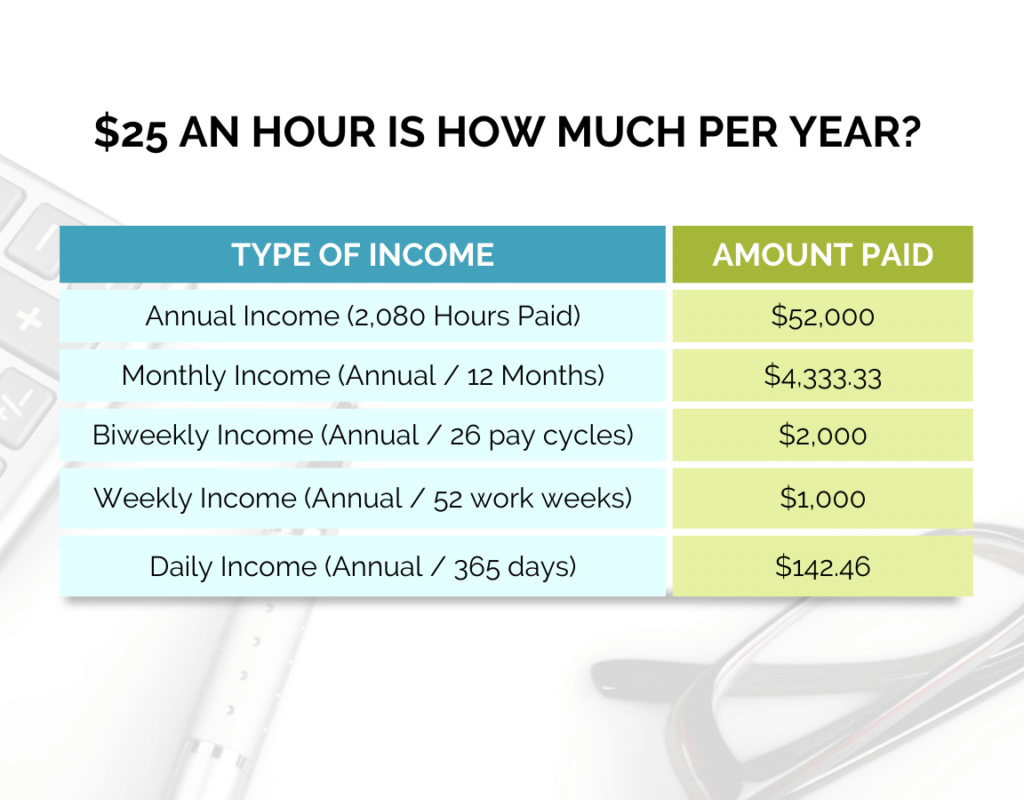
Numerous free online calculators can help you estimate your net pay, compare salaries in different locations, project retirement savings, and assess loan repayment scenarios. Websites like NerdWallet, Investopedia, and government resources (e.g., IRS website) offer a wealth of information and tools to demystify financial concepts and aid in planning.
By diligently answering the question, “how much is my annual income?” and then proactively managing and leveraging that figure, you lay a solid foundation for financial security and prosperity. It’s an ongoing process of tracking, planning, and adjusting, but the rewards of a well-understood and strategically managed income are immeasurable.
aViewFromTheCave is a participant in the Amazon Services LLC Associates Program, an affiliate advertising program designed to provide a means for sites to earn advertising fees by advertising and linking to Amazon.com. Amazon, the Amazon logo, AmazonSupply, and the AmazonSupply logo are trademarks of Amazon.com, Inc. or its affiliates. As an Amazon Associate we earn affiliate commissions from qualifying purchases.