
Navigating the landscape of health insurance costs can often feel like deciphering a complex financial puzzle. With countless plans, providers, and varying levels of coverage, the concept of an “average” health insurance premium is elusive and highly dependent on a myriad of individual factors. For many, health insurance represents one of the most significant recurring expenses, second only to housing and transportation. Understanding what influences these costs, what the averages truly signify, and how to effectively manage your healthcare spending is crucial for financial well-being and access to necessary medical care.
This guide aims to demystify the average cost of health insurance, breaking down the components that contribute to its price tag. We’ll explore the various types of plans, the demographic and geographic influences, and the critical difference between a premium and the total out-of-pocket expenses you might incur. Ultimately, our goal is to empower you with the knowledge to make informed decisions about your health insurance, ensuring you get the most value for your money and adequate protection for your health.
Deconstructing the Average: What Influences Health Insurance Premiums?
The “average” cost of health insurance is rarely a static figure. It’s a dynamic calculation influenced by a complex interplay of personal circumstances, policy design, and market forces. To truly grasp what you might pay, it’s essential to understand the primary drivers behind these premiums.
Age and Location
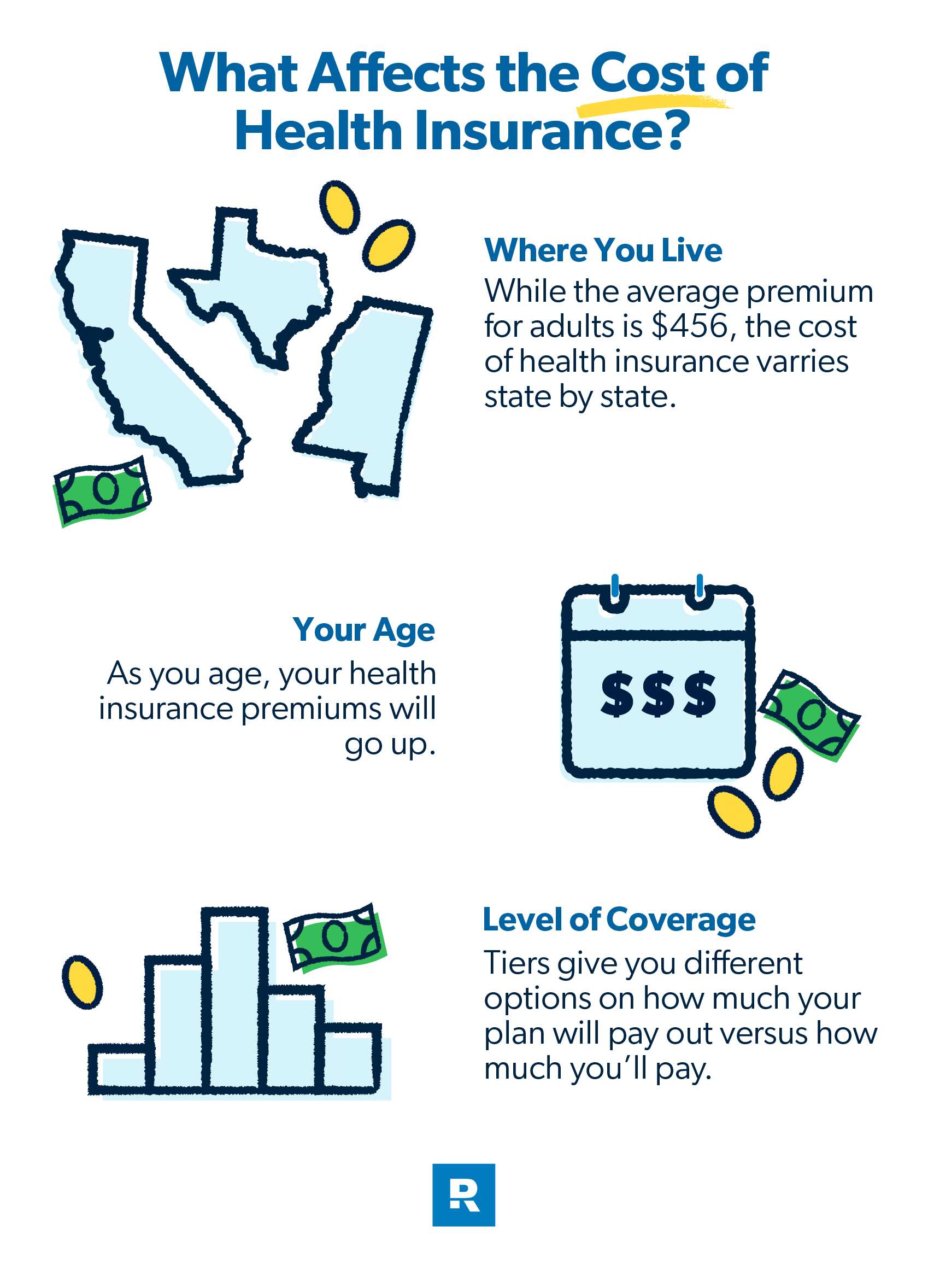
These two demographic factors are among the most significant determinants of your health insurance premium. Generally, younger individuals tend to pay less than older adults, as they are statistically less likely to require extensive medical care. Premiums typically increase with age, often seeing significant jumps as individuals enter their 50s and 60s. Similarly, where you live plays a critical role. Insurance markets are highly localized, with average costs varying dramatically from state to state, and even county to county. Factors like the number of insurers in a region, local healthcare costs, and state-specific regulations all contribute to these geographic disparities. A region with fewer providers or higher medical service costs will naturally see higher insurance premiums.
Plan Type and Coverage Level
The kind of plan you choose fundamentally shapes your premium. Common plan types include Health Maintenance Organizations (HMOs), Preferred Provider Organizations (PPOs), Exclusive Provider Organizations (EPOs), and Point of Service (POS) plans. Each offers a different balance of flexibility, network restrictions, and cost. HMOs, for instance, typically have lower premiums but require you to choose a primary care physician (PCP) and get referrals for specialists, limiting your network. PPOs, while offering more flexibility and no referral requirement, often come with higher premiums.
Beyond the plan type, the level of coverage—often categorized by “metal tiers” (Bronze, Silver, Gold, Platinum) in the Affordable Care Act (ACA) marketplace—also directly impacts premiums. Bronze plans have the lowest premiums but the highest deductibles and out-of-pocket costs. Platinum plans, conversely, have the highest premiums but the lowest deductibles and most comprehensive coverage. Your choice depends on your perceived healthcare needs and risk tolerance.
Health Status and Lifestyle (Post-ACA Context)
Before the Affordable Care Act (ACA), an individual’s health status and pre-existing conditions were major factors in determining health insurance premiums, often leading to denials or exorbitant costs for those with chronic illnesses. The ACA largely eliminated these practices for individual and small group plans, meaning insurers can no longer charge more or deny coverage based on health status.
However, certain lifestyle choices can still indirectly impact costs. For example, some insurers may offer wellness programs that reward healthy behaviors with reduced premiums or other benefits. Smoking, while not a pre-existing condition, is one of the few health-related factors that insurers are still allowed to factor into premiums, leading to surcharges in many states.
Provider Network and Deductibles/Copays/Coinsurance
The network of doctors and hospitals included in your plan significantly influences its cost and your access to care. Broader networks often come with higher premiums due to the increased choice and potentially higher costs from out-of-network providers (if allowed).
Crucially, premiums are only one part of the equation. Your plan’s deductibles, copayments, and coinsurance also play a vital role.
- Deductible: The amount you must pay out-of-pocket for covered medical services before your insurance plan starts to pay. Plans with higher deductibles typically have lower monthly premiums.
- Copayment (Copay): A fixed amount you pay for a covered health service after you’ve paid your deductible (e.g., $30 for a doctor’s visit).
- Coinsurance: Your share of the cost of a covered health care service, calculated as a percentage (e.g., 20%) of the allowed amount for the service. You pay coinsurance after you’ve met your deductible.
The interplay of these cost-sharing elements determines your total out-of-pocket expenses and is a critical consideration when assessing the true value of a health insurance plan.
Understanding the Averages: What Do the Numbers Really Say?
While a single “average” figure for health insurance can be misleading due to the factors discussed above, looking at averages across different contexts can provide useful benchmarks. These figures often come from national surveys, government reports, and marketplace data, offering a snapshot of typical costs.
Individual Plans (Marketplace/Off-Marketplace)
For individuals purchasing health insurance through state or federal marketplaces (or directly from insurers), average premiums vary widely. As of recent years, a single individual might pay anywhere from $350 to $600 per month for a Silver-level plan before subsidies. This average is heavily skewed by age, as older individuals can face premiums upwards of $800-$1000 per month or more, while younger individuals might find plans in the $200-$400 range. Many individuals qualify for premium tax credits (subsidies) under the ACA, which can significantly reduce these out-of-pocket monthly costs, sometimes by hundreds of dollars. The final amount paid by consumers after subsidies is often much lower than the listed premium.
Family Plans
The cost of family health insurance is not simply a multiplication of the individual rate. While adding one child or a spouse increases the premium, it’s typically not a linear increase for additional family members beyond a certain point. A family of four (two adults, two children) might see an average premium ranging from $1,000 to $1,800 per month for a Silver-level plan before subsidies. Again, location, age of the adults, and the specific plan chosen are crucial determinants. Subsidies for family plans can be substantial, often making coverage much more affordable for low to moderate-income households.
Employer-Sponsored Plans
Most Americans receive health insurance through their employer, which tends to be more affordable than individual plans because employers typically cover a significant portion of the premium. For an employer-sponsored plan, the average premium for single coverage might be around $600 to $750 per month, with the employee contributing approximately $100 to $150 per month and the employer covering the rest. For family coverage, the average premium could range from $1,700 to $2,100 per month, with employees contributing an average of $450 to $600 per month. These figures highlight the substantial financial benefit of employer-sponsored health coverage compared to purchasing it on the open market without subsidies.
Special Cases: Catastrophic Plans, Medicaid, Medicare

- Catastrophic Plans: Available to individuals under 30 or those with hardship exemptions, these plans have very low premiums but very high deductibles (often over $9,000). They primarily serve as a safety net against major medical emergencies.
- Medicaid: A joint federal and state program providing health coverage to low-income individuals and families. For those who qualify, Medicaid offers extremely low-cost or free healthcare coverage, covering a broad range of services.
- Medicare: The federal health insurance program for people 65 or older, certain younger people with disabilities, and people with End-Stage Renal Disease. Medicare has different “parts” (A, B, C, D) with varying premium structures, deductibles, and out-of-pocket costs, often subsidized by federal funds.
Beyond Premiums: The True Cost of Health Insurance
Focusing solely on the monthly premium provides an incomplete picture of your total healthcare expenses. The true cost of health insurance extends far beyond that regular payment, encompassing a range of out-of-pocket expenses that can significantly impact your personal finances, especially during times of illness or injury.
Deductibles
As discussed, your deductible is the amount you must pay for covered healthcare services before your insurance company begins to pay. High-deductible health plans (HDHPs), for instance, often feature deductibles of several thousand dollars for individuals and even more for families. While these plans typically have lower monthly premiums, you bear a significant financial burden upfront if you require medical care. It’s crucial to have funds set aside, perhaps in a Health Savings Account (HSA), to cover this deductible if you choose an HDHP.
Copayments and Coinsurance
These are your ongoing contributions to healthcare costs even after your deductible has been met.
- Copayments are fixed fees for specific services (e.g., $20 for a primary care visit, $50 for a specialist visit). They are predictable and generally easy to budget for.
- Coinsurance is a percentage of the cost of a service (e.g., your plan pays 80%, you pay 20%) after your deductible is met. This can lead to substantial out-of-pocket costs for expensive treatments, surgeries, or extended hospital stays, as your 20% share of a $50,000 procedure is still $10,000.
Out-of-Pocket Maximums
Perhaps the most critical financial safety net in a health insurance plan is the out-of-pocket maximum. This is the absolute most you will have to pay for covered medical services in a given year. Once you reach this limit through deductibles, copayments, and coinsurance, your insurance plan will pay 100% of the cost of all covered services for the remainder of the policy year. Understanding this maximum is vital for budgeting and protecting yourself against catastrophic medical bills. The federal government sets annual limits for out-of-pocket maximums for marketplace plans, which are adjusted annually.
Hidden Costs and Unexpected Expenses
Even with a good insurance plan, unexpected costs can arise. These might include:
- Out-of-network charges: If you receive care from a provider outside your plan’s network, especially for PPO plans, you might face higher costs or even the full bill if your plan doesn’t cover out-of-network care at all (common in HMOs and EPOs).
- Balance billing: Though increasingly restricted, some out-of-network providers might bill you for the difference between what your insurance pays and their total charge.
- Non-covered services: Not all medical services are covered by every plan. Cosmetic procedures, certain experimental treatments, or specific alternative therapies might not be included, leaving you responsible for the full cost.
- Surprise bills: Anesthesia, radiology, or emergency room doctors might be out-of-network even if the hospital itself is in-network. Recent legislation, like the No Surprises Act, aims to protect consumers from many forms of surprise billing.
Strategies for Reducing Your Health Insurance Costs
While health insurance is a non-negotiable expense for most, there are proactive strategies you can employ to minimize your overall healthcare costs, both in terms of premiums and out-of-pocket expenses.
Leveraging Subsidies and Tax Credits
If you purchase insurance through your state or federal marketplace, you may be eligible for significant financial assistance. Premium tax credits are available to individuals and families within certain income thresholds, directly reducing your monthly premium. Cost-sharing reductions (CSRs) are also available for those with lower incomes who enroll in Silver plans, lowering their deductibles, copayments, and coinsurance. Always check your eligibility for these subsidies when exploring marketplace plans, as they can dramatically impact your actual out-of-pocket costs.
Choosing the Right Plan Type
Selecting the appropriate plan requires an honest assessment of your anticipated healthcare needs.
- If you are generally healthy and rarely visit the doctor, a high-deductible health plan (HDHP) with a lower premium might be cost-effective, especially if paired with a Health Savings Account (HSA). HSAs allow you to save money tax-free for healthcare expenses, and the funds roll over year to year.
- If you have chronic conditions, regularly visit specialists, or anticipate significant medical needs, a Gold or Platinum plan with higher premiums but lower deductibles and out-of-pocket costs might save you money in the long run.
- Consider HMOs if you’re comfortable with a more restricted network and utilizing a PCP for referrals, as they often have lower premiums.
Utilizing Employer-Sponsored Plans
If available, employer-sponsored health insurance is typically the most cost-effective option. Employers often cover a substantial portion of the premium, and these plans generally offer a good balance of coverage and affordability. Participating in any wellness programs offered by your employer can also sometimes lead to reduced premiums or other financial incentives.
Wellness Programs and Preventive Care
Investing in your health can indirectly lower your healthcare costs. Many insurance plans heavily subsidize or fully cover preventive services like annual physicals, screenings, and vaccinations. By taking advantage of these, you can detect and address potential health issues early, preventing more serious and expensive conditions down the line. Additionally, a healthy lifestyle can reduce the likelihood of chronic diseases, lowering your need for extensive medical care.
Shopping Around and Comparing Plans Annually
The health insurance market is dynamic. Premiums, benefits, and network providers can change from year to year. It’s wise to review your plan options annually during the open enrollment period, whether through your employer or the marketplace. Compare offerings from different insurers, re-evaluate your healthcare needs, and consider if a different plan might offer better value or more suitable coverage for the upcoming year. Tools on marketplace websites allow for easy side-by-side comparisons of different plans.

Conclusion
The “average” cost of health insurance is not a simple number, but rather a complex calculation influenced by your age, location, chosen plan type, and a host of other variables. While national averages provide a general benchmark, your specific cost will always be a personalized figure. Understanding the various components that contribute to premiums and out-of-pocket expenses—from deductibles and copays to the crucial out-of-pocket maximum—is essential for comprehensive financial planning.
By leveraging available subsidies, carefully selecting the right plan for your needs, utilizing employer benefits, prioritizing preventive care, and consistently comparing options, you can effectively manage your health insurance costs. Health insurance is a vital financial tool, offering peace of mind and access to necessary medical care. With informed decision-making, you can secure coverage that not only protects your health but also aligns with your financial goals.
aViewFromTheCave is a participant in the Amazon Services LLC Associates Program, an affiliate advertising program designed to provide a means for sites to earn advertising fees by advertising and linking to Amazon.com. Amazon, the Amazon logo, AmazonSupply, and the AmazonSupply logo are trademarks of Amazon.com, Inc. or its affiliates. As an Amazon Associate we earn affiliate commissions from qualifying purchases.